
Hammersmith and Fulham · West London
Doorsin Fulham.
A door only works properly when it suits the opening, the room and the surrounding finishes. Before choosing a new leaf or changing a frame, it helps to check what can be retained, what needs adjusting and whether the opening itself is being altered.
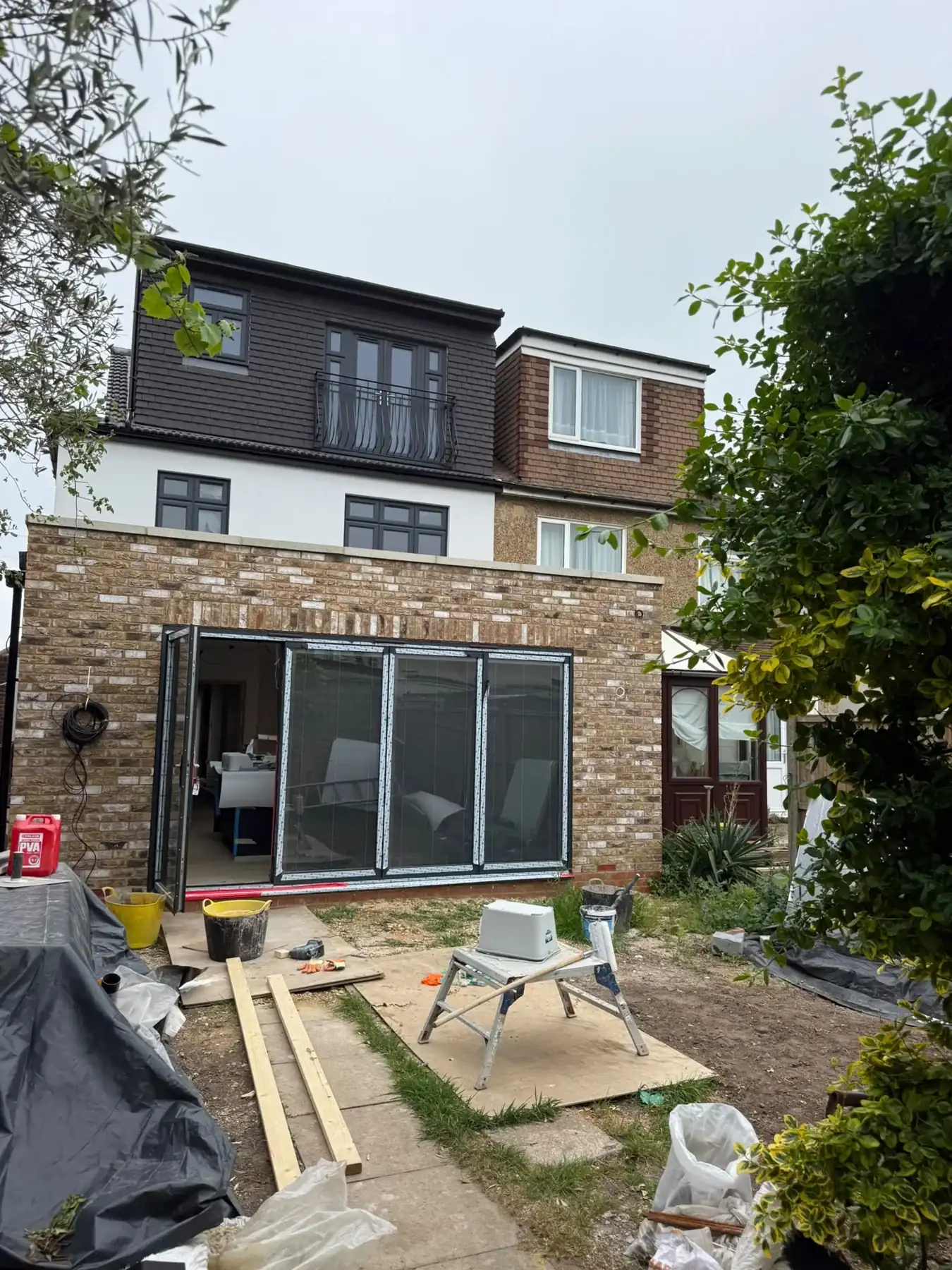
- Service
- Doors
- Neighbourhood
- Fulham
- Borough
- Hammersmith and Fulham
- Next step
- Discuss your project
Your project brief
Decide whether the existing frame can stay
Replacing a door is not always the same as replacing the whole opening. If the frame, lining and architraves are sound and the sizes work, retaining them can reduce disruption. If they are out of square, damaged or unsuitable for the new door, more joinery and making good may be needed.
A survey helps judge those conditions properly. It can show whether the opening is standard, whether the existing door hangs well and whether there are clearance issues at the floor, latch side or head. Those facts matter more than how the old door looks from a distance.
Fulham checks for door work within a wider project
Hammersmith and Fulham’s planning guidance advises checking the exact address through planning search for listed-building or conservation-area status and other site-specific considerations. A simple internal door swap may not need planning input, but altered openings or external door work can be different, especially where the overall project includes documents such as design and access statements or other supporting information.
Design decisions
Match the hardware and any special requirements to the use
Door hardware should follow purpose. A room that needs privacy, security or better fire performance may need different hinges, latches or closing arrangements. The scope should say what the door must do, not just what it should look like, so the installation matches the intended use.
If the opening is being altered rather than just re-fitted, the knock-on work should be identified too. That may include plaster repairs, architraves, trims or threshold work. Keeping those items separate helps avoid assuming that a door price covers every related finish.
Design checks
Four things we confirm before drawing door installation.
- 01Measure the opening properly before deciding whether the frame can stay.
- 02Check clearances, hardware needs and any special performance requirements.
- 03Separate door supply, fitting and making-good in the written scope.
- 04If the opening changes, allow for plaster, trim and threshold reinstatement.
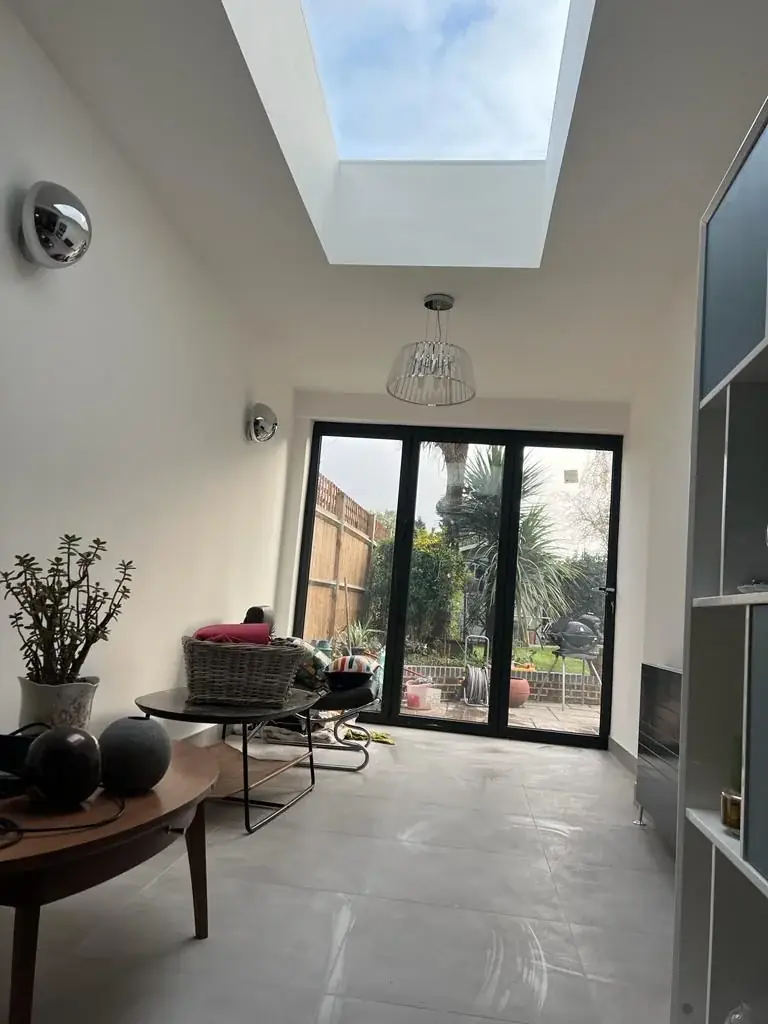
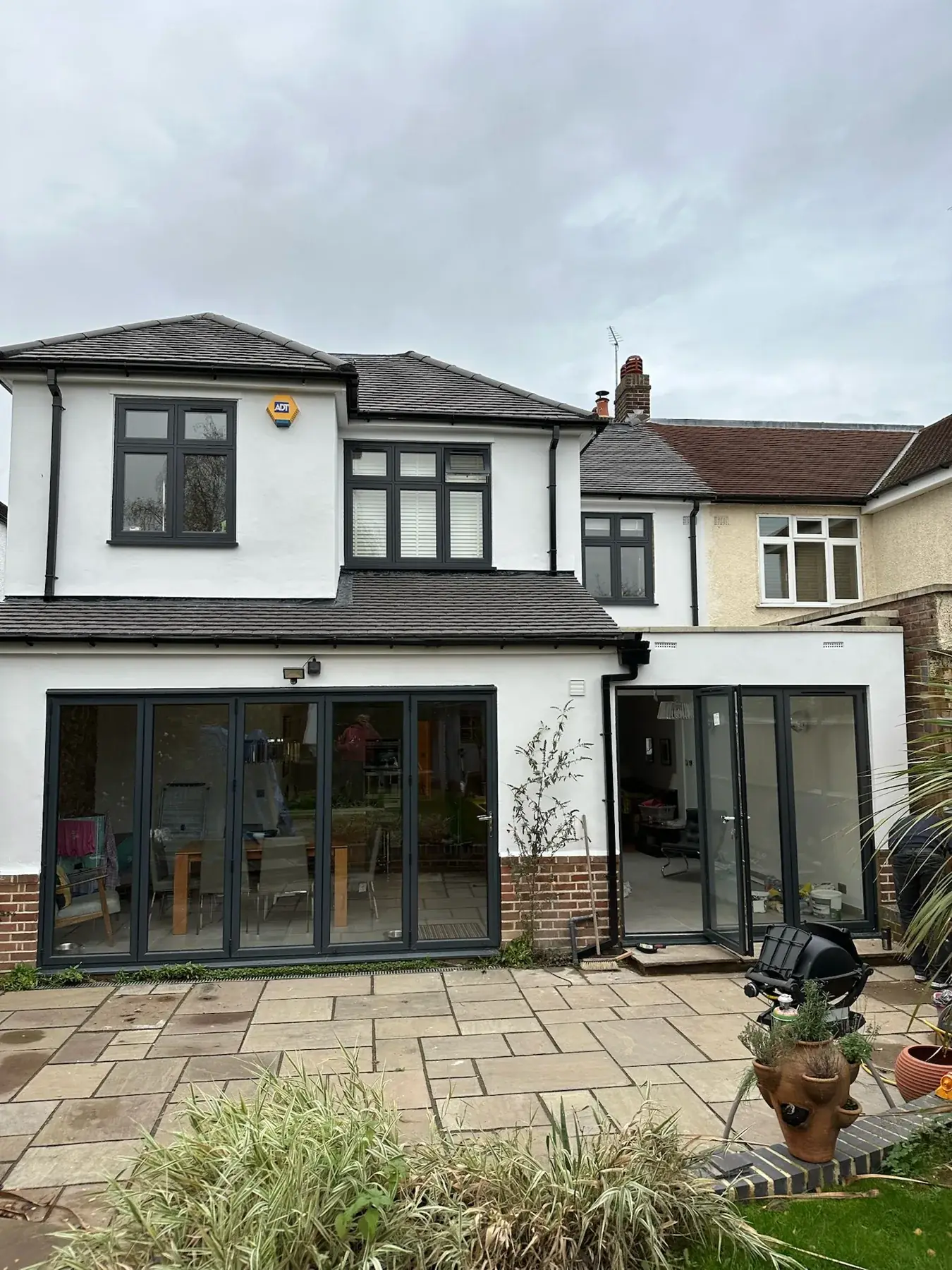
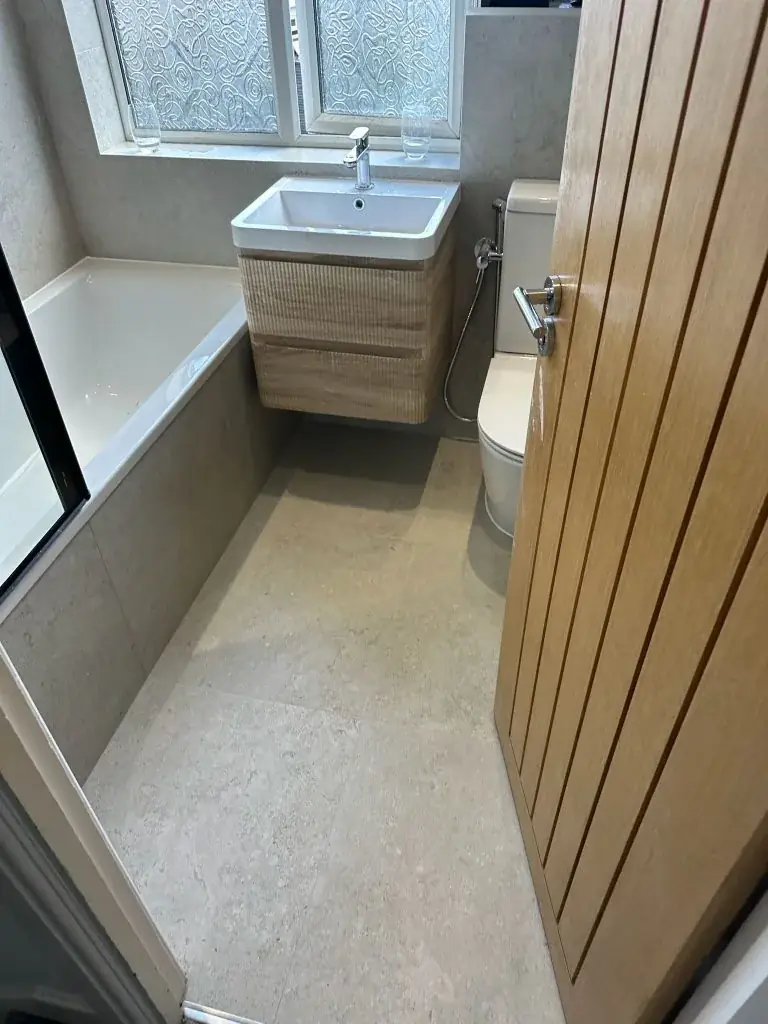

Why is a door survey about more than dimensions?
Because the existing frame, linings, clearances and surrounding finishes all affect whether a new door will work properly. A survey helps decide whether the opening can be reused or whether more joinery and making good are needed.
What should be clear in the scope for a door replacement?
State whether the job includes just the door leaf or also the frame, hardware and surrounding finishes. That avoids confusion about what is being supplied, fitted and made good after installation.
When does a door job become an altered-opening job?
When the opening itself changes in size, shape or structure. At that point the work may involve extra plastering, joinery and checks beyond a straightforward replacement, so the scope needs to reflect the wider intervention.
Planning and project guidance
- Planning guidance | London Borough of Hammersmith & Fulham
- GOV.UK · Planning permission
- GOV.UK · Building regulations approval
- GOV.UK · Party walls and building work
Check the current guidance for your address before relying on a planning route. This guide is not a planning decision or a verified local case study.
Other services in Fulham








