
Hammersmith and Fulham · West London
Renderingin Fulham.
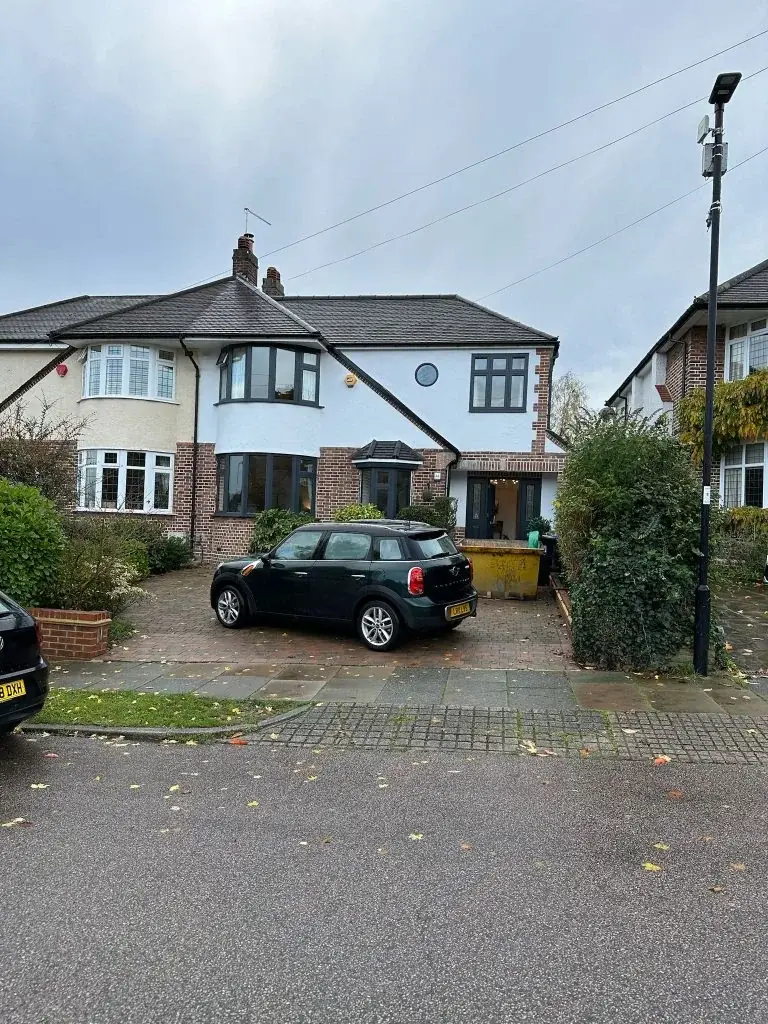
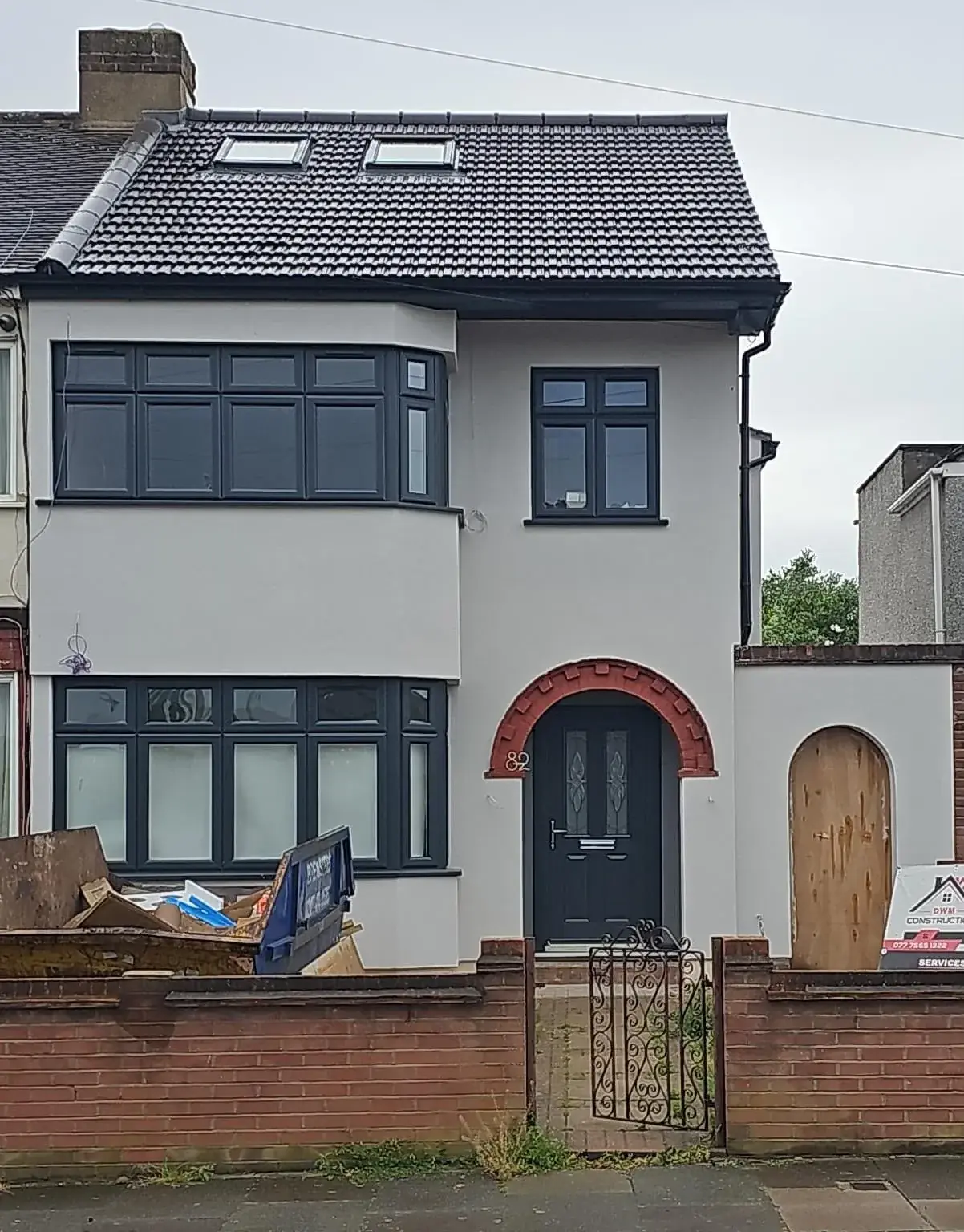
Rendering changes how an external wall performs as well as how it looks. The main question is whether the existing wall and its details can support the chosen system. A finish that suits one façade may be wrong for another if the background or junctions are not right.
- Service
- Rendering
- Neighbourhood
- Fulham
- Borough
- Hammersmith and Fulham
- Next step
- Discuss your project
Your project brief
Check the wall before choosing the render system
Render should match the construction underneath it. That means checking the wall’s condition, any existing finish and whether there are signs of failure, cracking or trapped moisture. A survey helps decide whether repair, removal or local preparation is the correct starting point.
This matters because render is not just surface decoration. If the background is unstable, adding a new coat can hide problems temporarily rather than solving them. The written scope should identify what has been inspected and whether hidden defects are expected to affect the work.
Fulham checks before external render work begins
The council guidance for Hammersmith and Fulham points to planning search checks for listed buildings and conservation areas, and to flood-risk and other supporting documents in some cases. That does not mean every render job faces the same constraints. The important step is to verify the exact address and the site-specific planning position before assuming what restrictions apply.
Design decisions
Treat edges, openings and adjoining materials with care
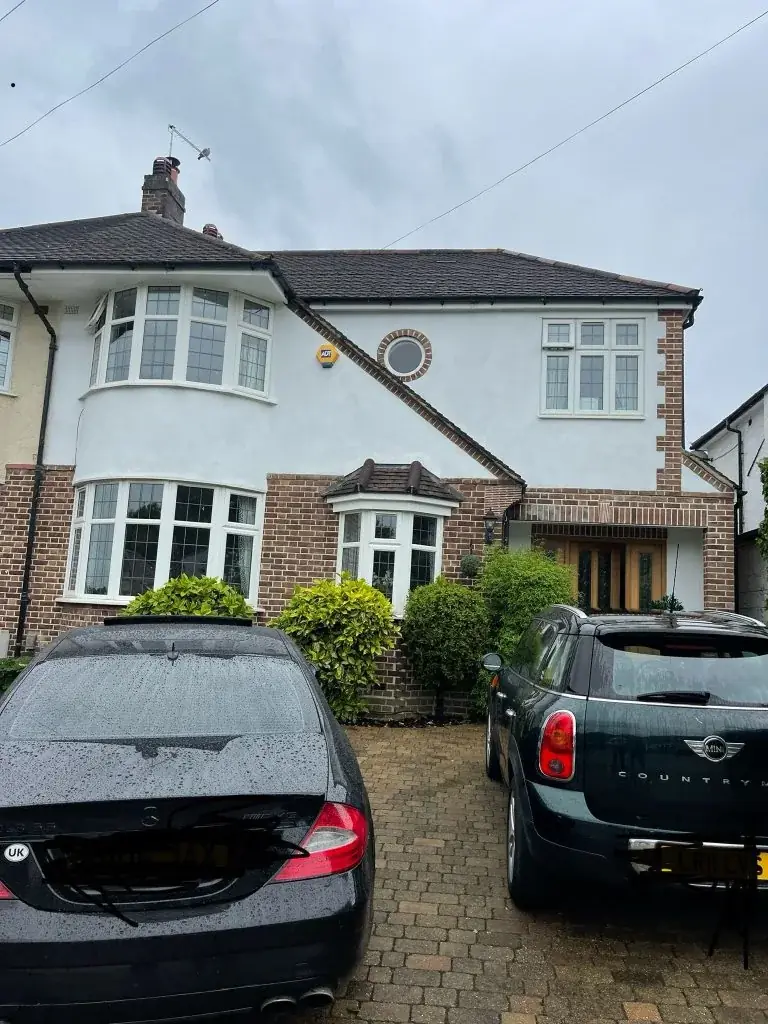
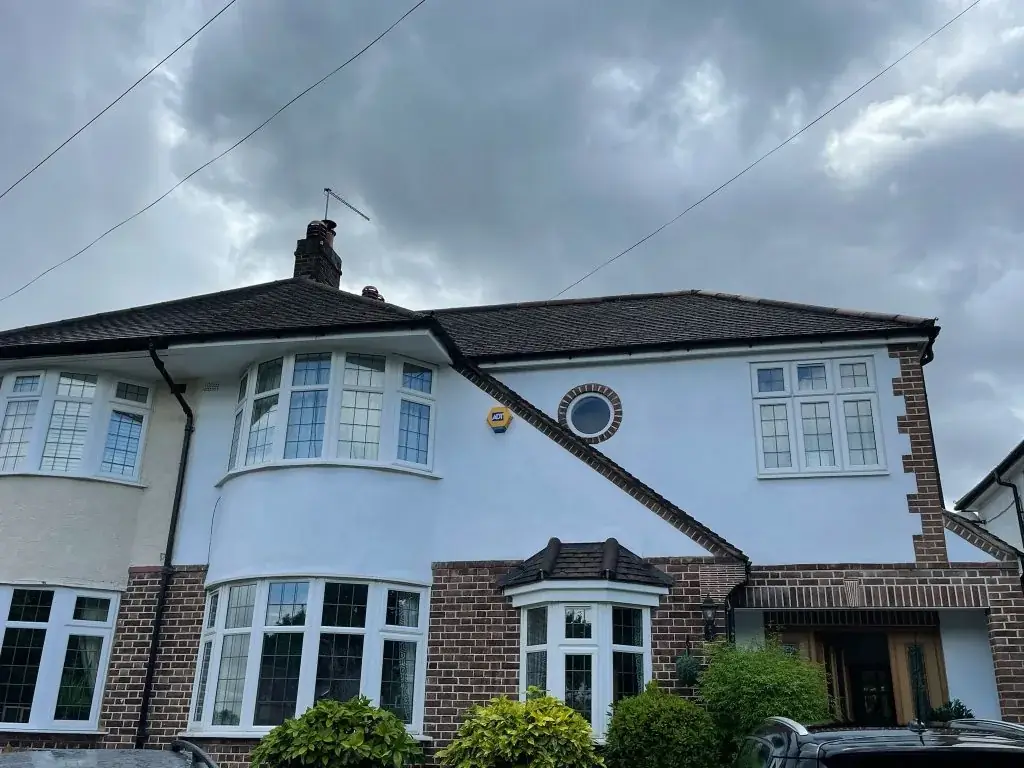
The areas around windows, doors, roof edges and other junctions are often where render failures begin. Those details need to be planned alongside the main wall finish because they influence how water is shed and how the new surface meets other materials. A good brief states those junctions explicitly.
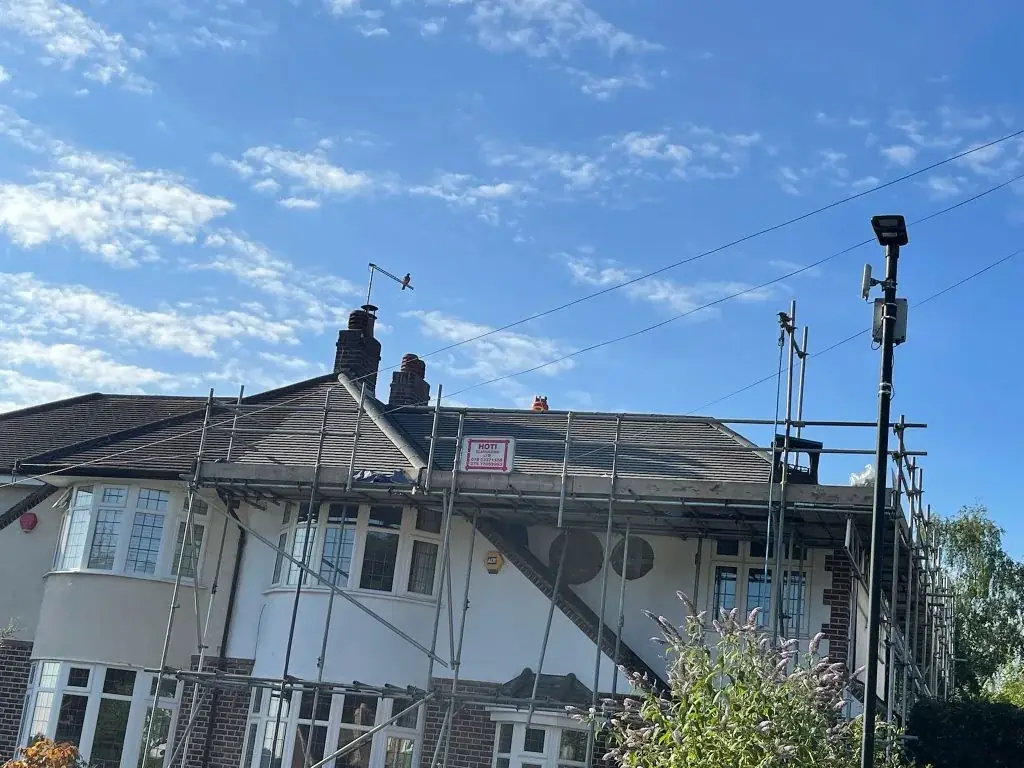
It also helps to keep access and repair allowances separate from the render itself. If part of the wall needs scaffolding, local patching or removal of failed sections, that should be named rather than bundled into a vague finish description.
Design checks
Four things we confirm before drawing external rendering.
- 01Inspect the wall for cracking, moisture signs and failed previous coatings.
- 02Confirm whether the job is repair, full re-render or local patching.
- 03Check junctions around openings, roofs and adjoining materials.
- 04Record access requirements and any areas that will remain untouched.
Why does the render system need to suit the wall underneath?
Because render interacts with the construction behind it. If the background is weak, damp or incompatible, the finish may crack or fail. The right system depends on the actual wall condition, not only on the desired appearance.
What should be clarified about failed render before work starts?
Say whether the work includes local repairs, removal of loose sections or a full replacement. That avoids confusion about how much preparation is included and what condition the wall is expected to be in before rendering begins.
Do openings and edges matter as much as the main wall area?
Yes. Joints around windows, doors and roof edges are often where water gets in or where cracking appears first. Those junctions should be assessed and detailed carefully so the finish performs properly.
Planning and project guidance
- Planning guidance | London Borough of Hammersmith & Fulham
- GOV.UK · Planning permission
- GOV.UK · Building regulations approval
- GOV.UK · Party walls and building work
Check the current guidance for your address before relying on a planning route. This guide is not a planning decision or a verified local case study.
Other services in Fulham








