
Hammersmith and Fulham · West London
Electrical workin Fulham.
Electrical decisions are easiest when made before plastering and joinery lock everything in place. The real job is not only choosing fittings; it is working out how the room will be used, where supplies can run and what records are needed when the installation is finished.

- Service
- Electrical work
- Neighbourhood
- Fulham
- Borough
- Hammersmith and Fulham
- Next step
- Discuss your project
Your project brief
Plan around use, not just around the existing layout
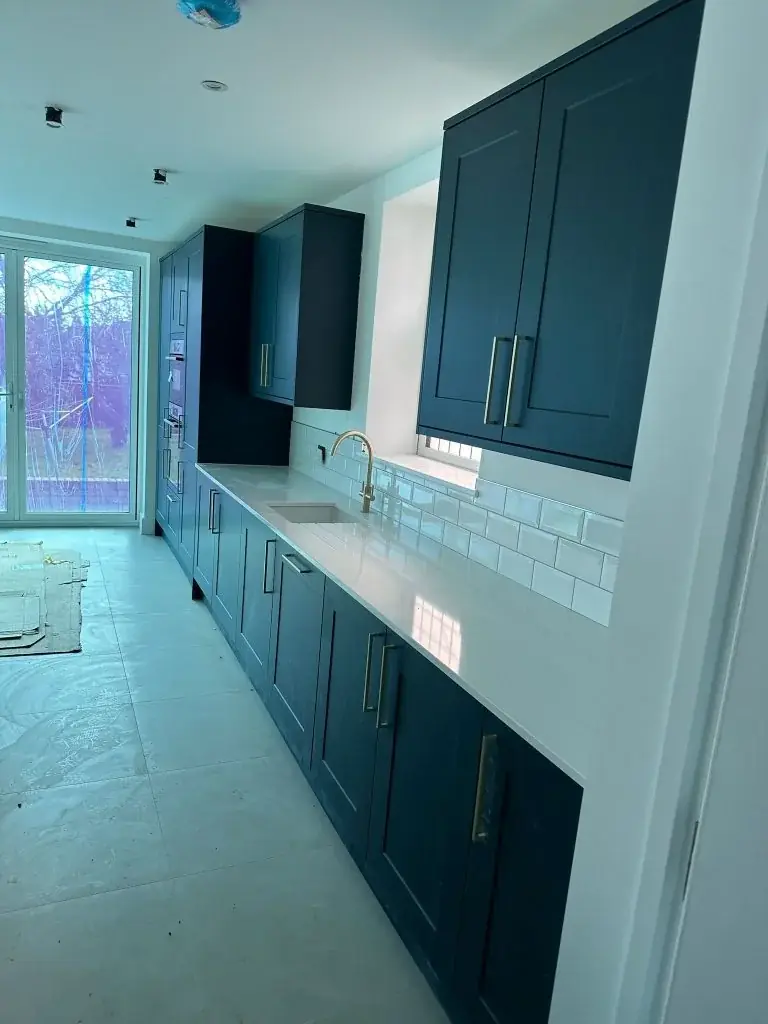
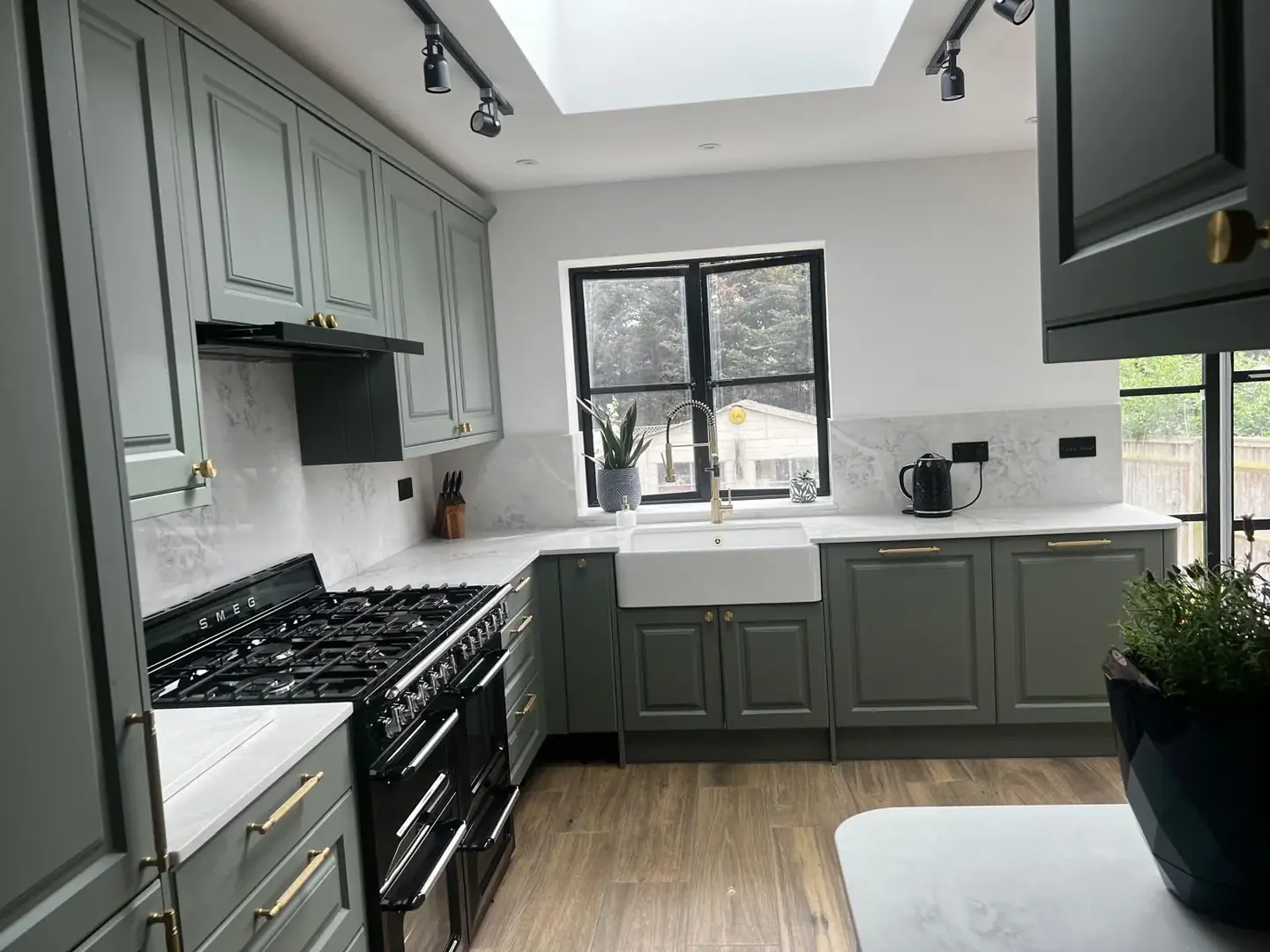
Lighting, switches and sockets should reflect how the room will actually function. A kitchen, bedroom or living space may need different positions and different levels of convenience. If those choices are left until the room is nearly finished, the result can be awkward or require extra alteration.
A survey helps show whether the existing installation can support the new arrangement. That includes checking visible routes, the condition of accessible parts and where new runs may need to be coordinated with other building work. The earlier that happens, the easier it is to avoid unnecessary making good.
Fulham checks when electrical work sits inside a wider alteration
The council guidance for Hammersmith and Fulham highlights supporting documents for some applications, including design and access statements, flood-risk assessments and construction method statements, depending on the proposal. Electrical work may be part of a broader refurbishment rather than a planning matter on its own, but the exact address should still be checked for listed-building or conservation-area status when the project goes beyond a simple like-for-like replacement.
Design decisions
Record testing and specialist input in the scope
Electrical work should be described clearly enough to show which parts are included and what records will be handed over. The scope should note where inspection, testing and completion documentation are expected, and whether other qualified specialists are needed for connected work in the wider project.
It is also worth separating first-fix from second-fix work. First-fix is about routes and positions; second-fix is about the visible fittings once the room is ready. Keeping that distinction in the brief helps the project run in the right order and avoids confusion about who returns for the final stage.
Design checks
Four things we confirm before drawing electrical work.
- 01Set lighting and socket positions before plastering or cabinet fitting.
- 02Check the condition of accessible existing wiring and note any unknown sections.
- 03Separate first-fix, second-fix and final testing in the programme.
- 04Identify the required inspection, testing and handover records in the scope.



Questions
Before you call about Fulham.
Why should electrical decisions be made before the room is finished?
Because cable routes, socket positions and lighting points are much easier to change before plastering and joinery are complete. Early planning reduces rework and helps the room function properly once everything is installed.
What should be written about testing in the electrical scope?
State what inspection and testing are required, who will provide the records and what completion documents will be handed over. That makes it clear that the work is not finished simply when the fittings are in place.
How does electrical work need to coordinate with other trades?
It should be sequenced with plastering, cabinetry and any other building work that affects the walls or ceilings. The aim is to get the routes and positions right first, then complete the visible fittings after the room is ready.
Planning and project guidance
- Planning guidance | London Borough of Hammersmith & Fulham
- GOV.UK · Planning permission
- GOV.UK · Building regulations approval
- GOV.UK · Party walls and building work
Check the current guidance for your address before relying on a planning route. This guide is not a planning decision or a verified local case study.
Other services in Fulham








