
Hammersmith and Fulham · West London
Roofingin Fulham.
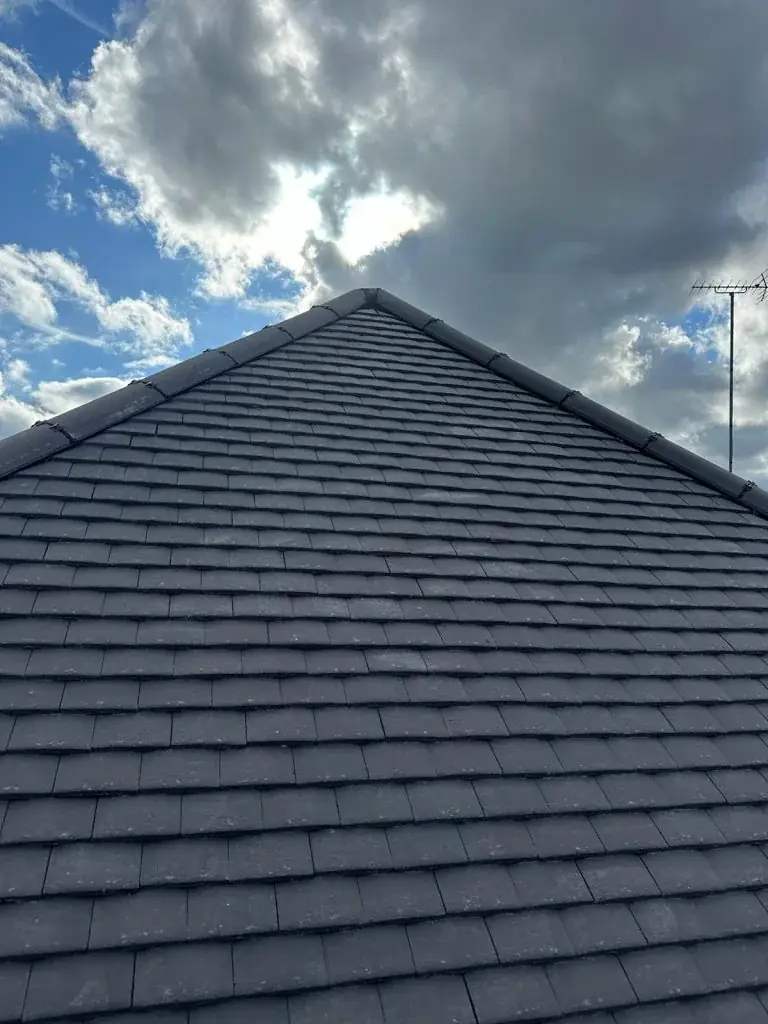
A roof defect is not always where the stain appears below. Roofing decisions should begin with the likely cause, the accessible parts of the roof and the way any work affects the rooms beneath or, in some cases, the loft space above.
- Service
- Roofing
- Neighbourhood
- Fulham
- Borough
- Hammersmith and Fulham
- Next step
- Discuss your project
Your project brief
Investigate the cause before naming the repair
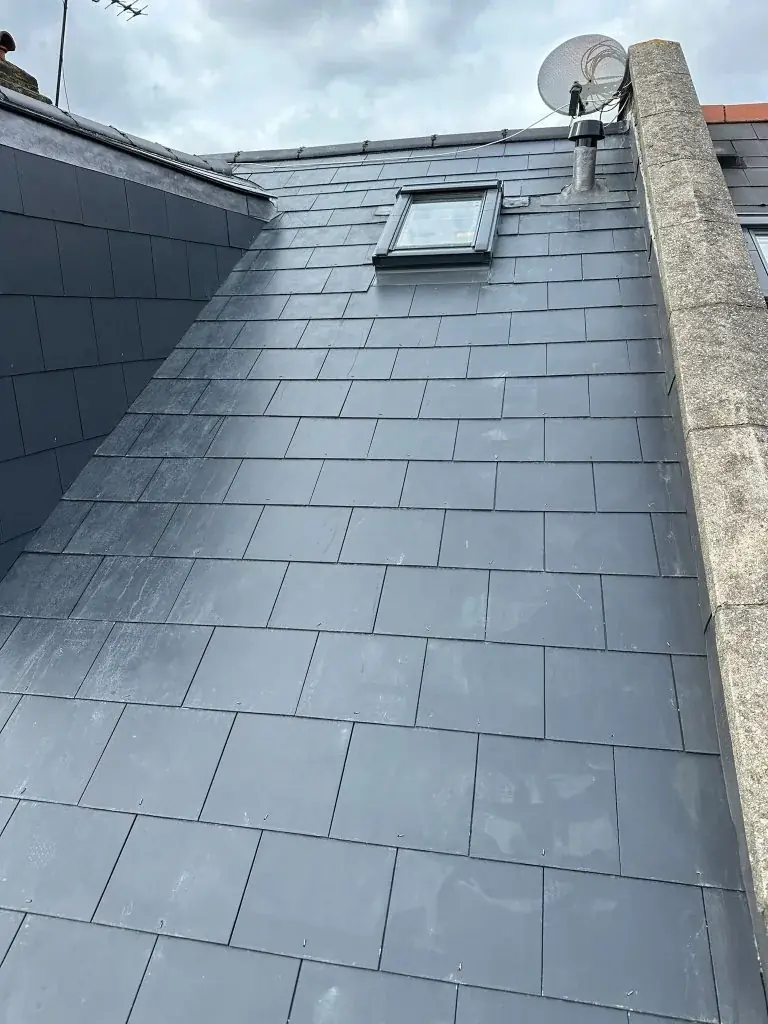
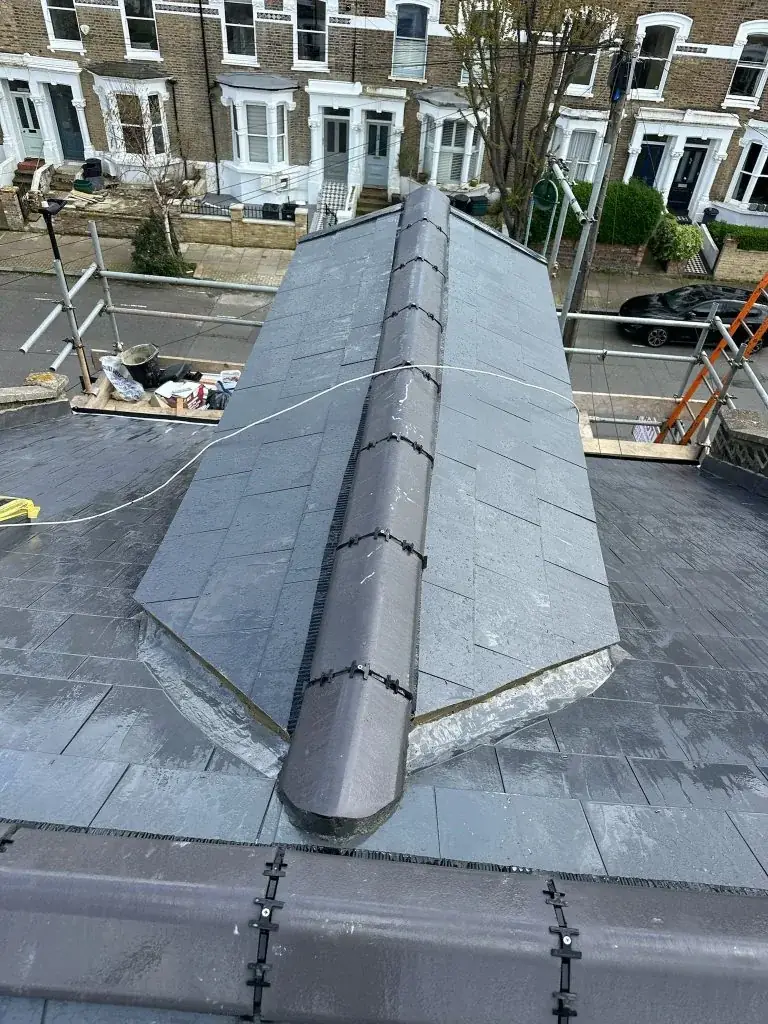
Water can travel before it shows itself, so the visible damp patch may not point to the damaged tile or joint. A roof survey helps look at coverings, ridges, flashings and junctions together, which is more reliable than guessing from inside symptoms alone.
That is important because a patch repair may be enough in one case but not in another. The scope should say what has been inspected, what is accessible and what remains uncertain. If the roof can only be partly seen, that limitation should be recorded rather than hidden.
Fulham checks before roofing work on a specific address
Hammersmith and Fulham’s planning guidance includes flood-risk assessment requirements in some cases and advises checking the planning search for listed buildings and conservation areas. Roofing repairs do not automatically trigger the same issues, but the exact address still needs to be checked when the work forms part of a larger alteration or when consent-sensitive status may apply.
Design decisions
Consider the rooms below and the roof space above
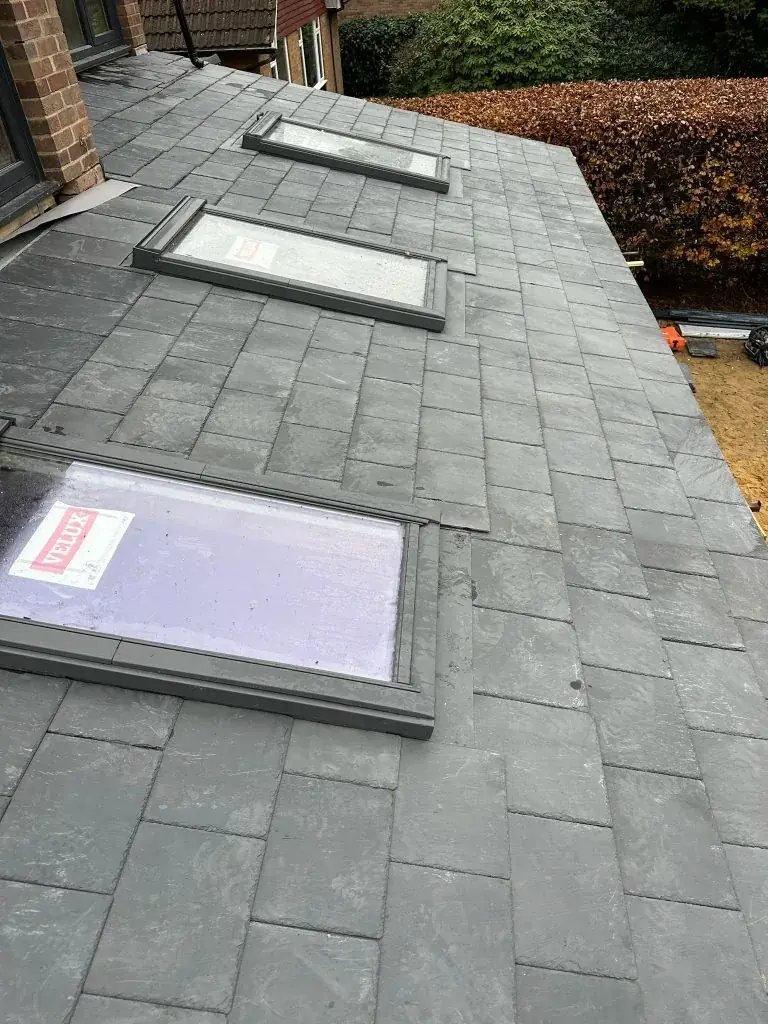
Roof work can affect ceilings, insulation and finishes below the defect. If a repair disturbs the roof covering or underlay, there may be a need to protect or reinstate internal areas. Likewise, if the job sits alongside a loft conversion, the roof work must fit the structural and design requirements of that wider scheme.
The brief should therefore separate simple repairs from roof alterations and from conversion-related work. That keeps the focus on the right outcome: fixing the cause of the problem while allowing the rest of the home to be properly coordinated.
Design checks
Four things we confirm before drawing roofing work.
- 01Inspect accessible roof areas and note any limitations to what can be seen.
- 02Separate covering repairs, flashing work and related junction repairs.
- 03Check how the repair affects ceilings, insulation and finishes below.
- 04If linked to a loft project, coordinate roofing with the wider design and structure.
Why is the visible damp patch not enough to diagnose a roof issue?
Because water can travel along materials before it appears indoors. The problem may be at a flashing, ridge, valley or junction away from the stain, so the roof should be checked as a whole rather than from the symptom alone.
How should a roofing scope distinguish repair from replacement?
It should say whether the work is local repair, partial renewal or a broader roof alteration. That helps the client understand the extent of the intervention and whether hidden defects might change the final repair method.
What should be checked about the rooms below a roofing repair?
Look at ceilings, decoration, insulation and any finishes that could be affected by the work above. If access or opening up is needed internally, the scope should say how that will be handled and reinstated.
Planning and project guidance
- Planning guidance | London Borough of Hammersmith & Fulham
- GOV.UK · Planning permission
- GOV.UK · Building regulations approval
- GOV.UK · Party walls and building work
Check the current guidance for your address before relying on a planning route. This guide is not a planning decision or a verified local case study.
Other services in Fulham








