
Islington · North London
Doorsin Highbury.
A door seems straightforward until the opening, frame and hardware are examined together. The right choice depends on whether the existing frame can be kept, what the door is for and how it will sit with the surrounding finishes.
- Service
- Doors
- Neighbourhood
- Highbury
- Borough
- Islington
- Next step
- Discuss your project
Your project brief
Decide whether the existing frame should stay
The first question in a door project is not the style, but whether the current frame is suitable. If the frame is sound and the opening is true, retaining it may save unnecessary work. If it is warped, damaged or poorly matched to the new door, replacement or more substantial making-good may be needed.
That matters because a well-fitted door depends on clearances and alignment as much as on the leaf itself. A poor frame can cause rubbing, gaps or awkward hardware placement, which undermines the result no matter how good the door looks.
Highbury checks before door work is finalised
Islington’s conservation-area information should be checked against the exact property address if a door change affects the exterior. The council lists Highbury Fields and Highbury New Park among its conservation areas, but that does not establish the status of any individual home. External door changes may also need separate ownership, lease or planning checks, depending on the exact proposal.
Design decisions
Match the hardware and performance to the room
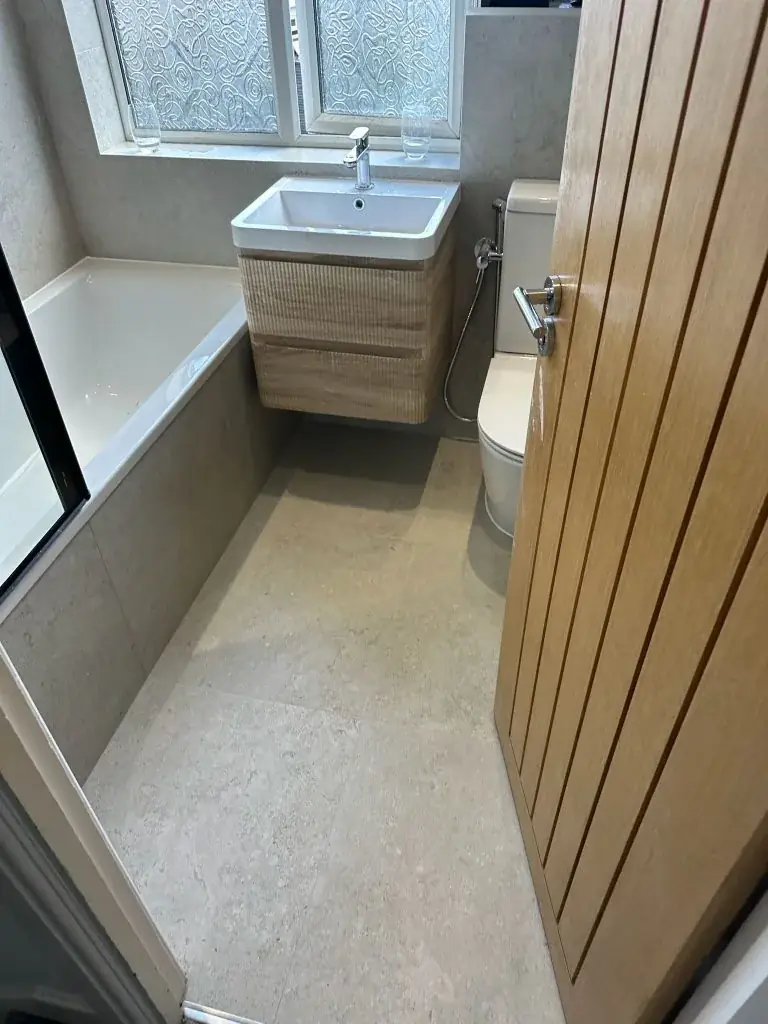
Different doors serve different purposes, so the hardware should suit the use. Hinges, latches, handles and any required performance features should be considered as part of the brief, not added later as an afterthought. That keeps the fitting cleaner and avoids mismatched parts.
If the job involves an external door or an altered opening, the installation requirements are more involved. Those jobs need a separate check because the opening, security and adjoining construction all affect how the door should be fitted.
Design checks
Four things we confirm before drawing door installation.
- 01Check whether the existing frame can be retained before ordering the door.
- 02Match hinges, handles and latches to the door’s intended use.
- 03Include frames, linings and architraves only where they are part of the scope.
- 04Treat external or altered openings as separate installation decisions.

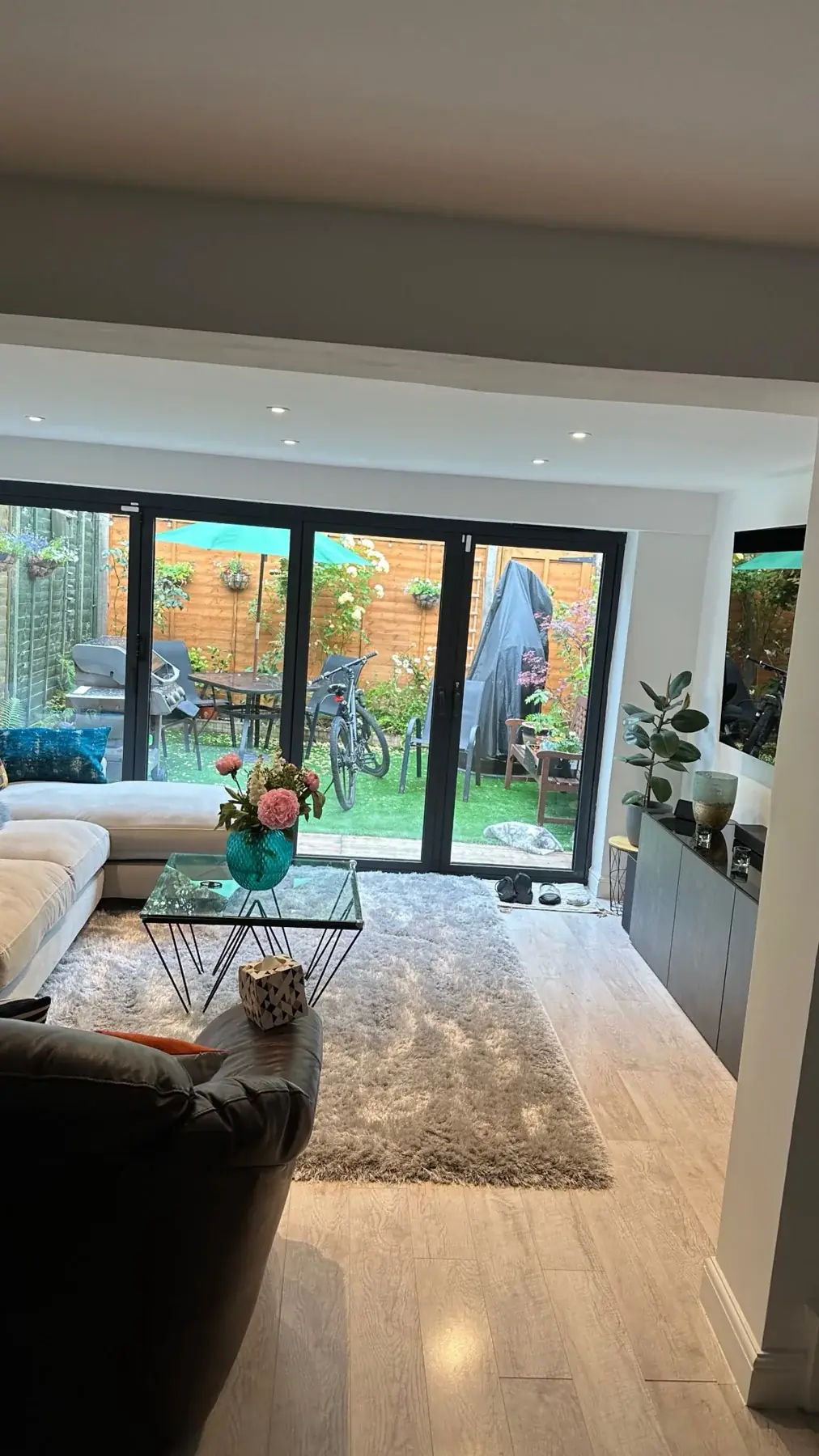
Why does the frame matter as much as the door leaf?
Because the frame controls how the door hangs, closes and seals. If it is not sound or square enough, even a good-quality door may not fit or function properly.
Should hardware be chosen after the door is fitted?
Ideally it should be planned earlier so the fittings suit the intended use. That helps avoid awkward changes later and makes sure the door works as a complete piece of joinery.
What makes an external door more complicated than an internal one?
External doors involve the opening itself, the surrounding construction and often more detailed performance requirements. They need a fuller check before the job is agreed, rather than being treated like a simple swap.
Planning and project guidance
- Conservation areas | Islington Council
- GOV.UK · Planning permission
- GOV.UK · Building regulations approval
- GOV.UK · Party walls and building work
Check the current guidance for your address before relying on a planning route. This guide is not a planning decision or a verified local case study.
Other services in Highbury








