
Islington · North London
Renderingin Highbury.
Rendering changes an exterior wall as well as its appearance, so the right finish depends on the wall beneath it. The main decisions are about compatibility, preparation and how the new surface meets the rest of the building.
- Service
- Rendering
- Neighbourhood
- Highbury
- Borough
- Islington
- Next step
- Discuss your project
Your project brief
Check the wall before deciding on the render system
A render should suit the construction it is covering. If the wall is sound, a compatible finish may be enough; if the existing material is failing, the preparation needs to deal with that first. The wrong approach can trap problems beneath the new surface or leave the wall vulnerable again.
That is why rendering should not be treated as a generic coat applied everywhere in the same way. The wall condition, exposure and surrounding details all influence what is sensible and how much preparation is needed before the new finish goes on.
Highbury address checks before external render changes are assumed
Islington’s conservation-area information should be checked against the exact address if rendering is part of an external change. The council lists Highbury Fields and Highbury New Park among its conservation areas, but that does not mean every Highbury property is affected. If the work changes the outside appearance, a site-specific check is needed before the scope is fixed.
Design decisions
Plan the edges, openings and access as part of the job
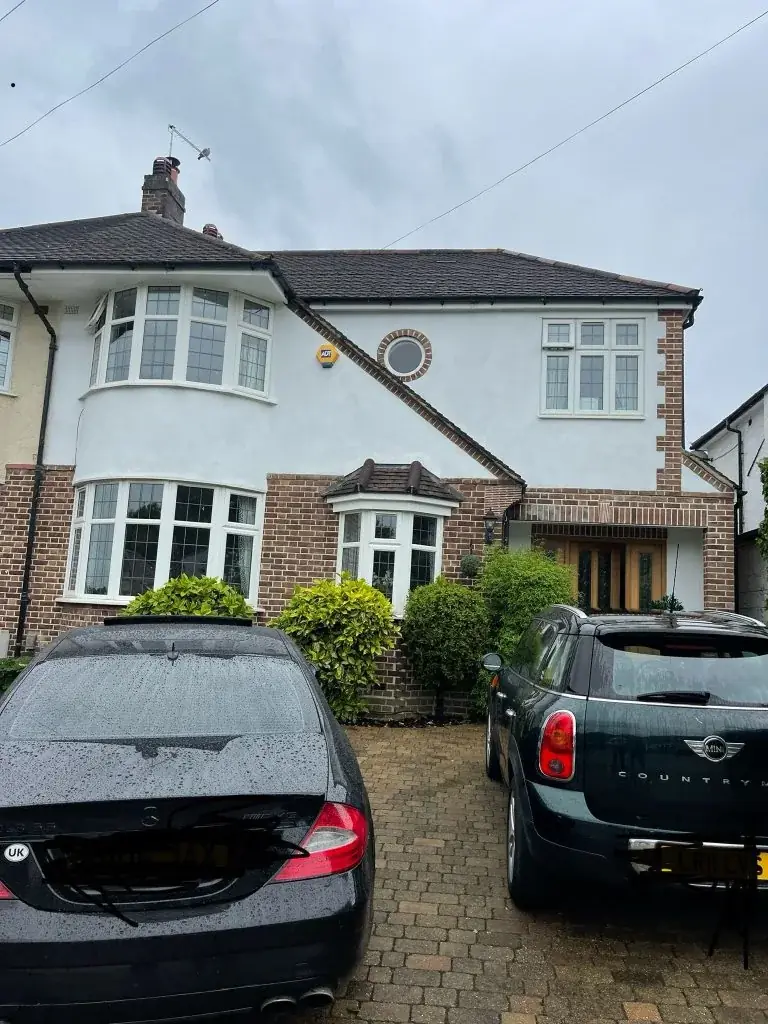
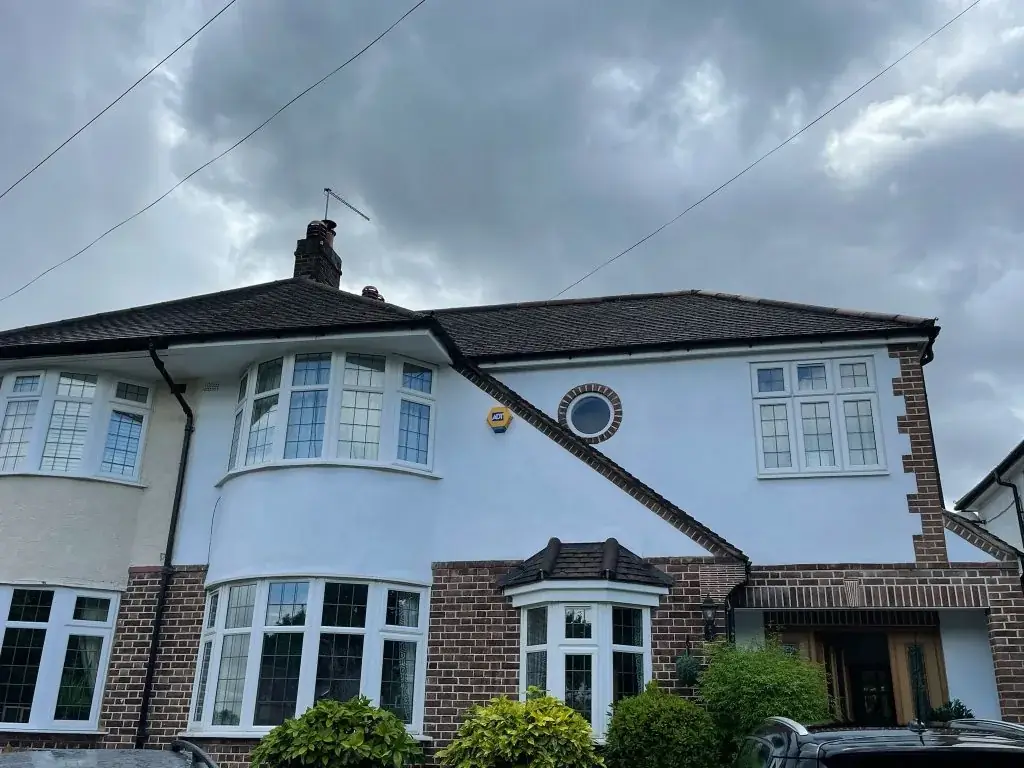
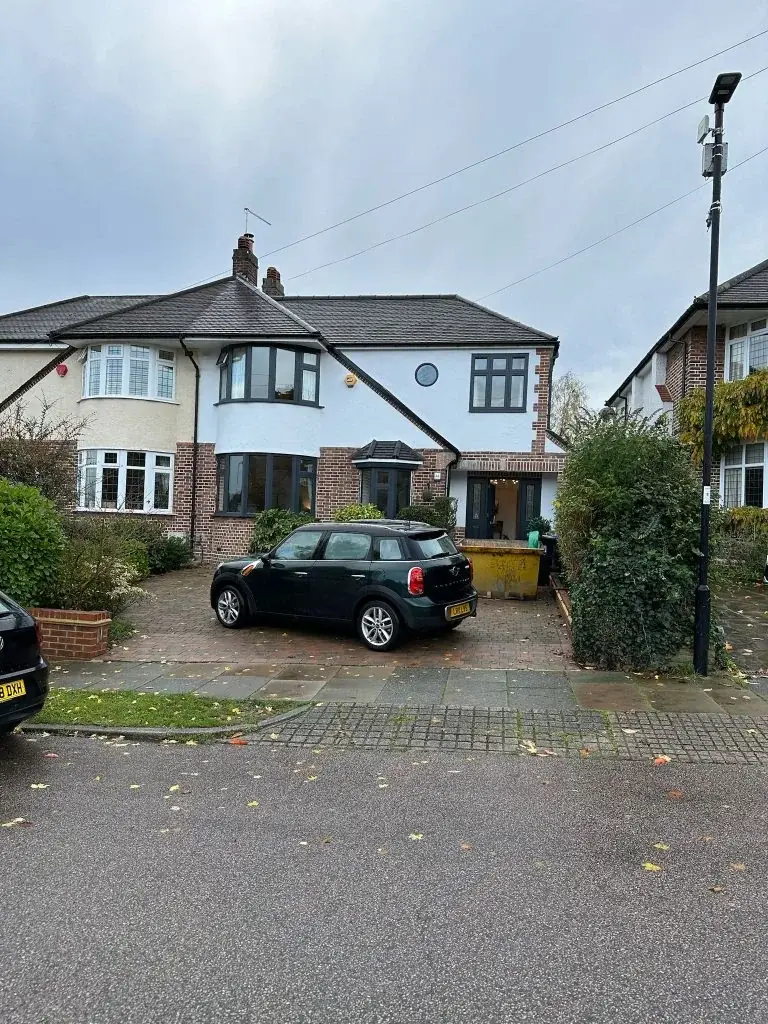
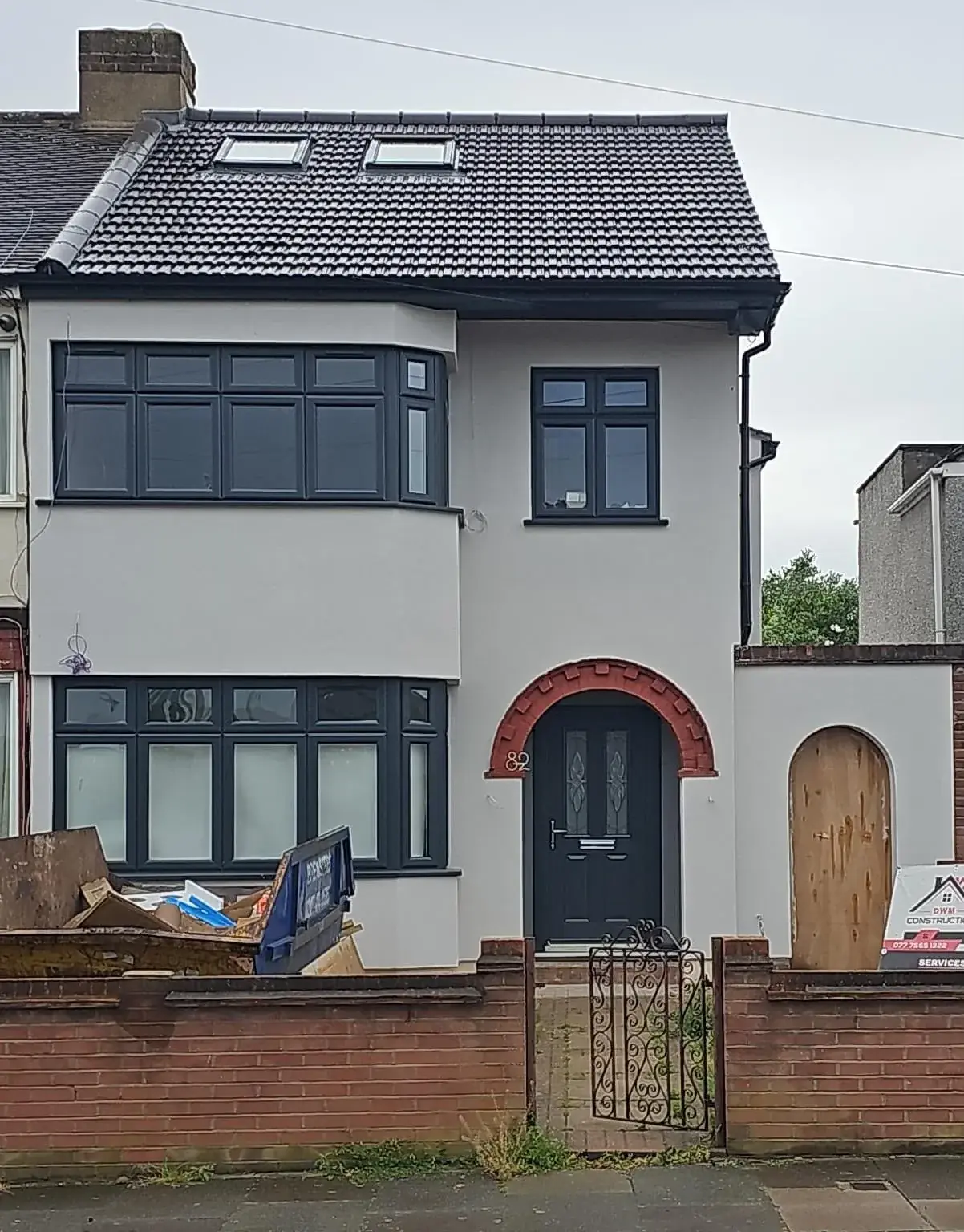
The look of a rendered wall depends on the details at windows, doors, roof edges and adjoining materials. Those junctions should be included in the scope so the new finish does not look patched around the edges. A neat render is as much about transitions as about the main wall area.
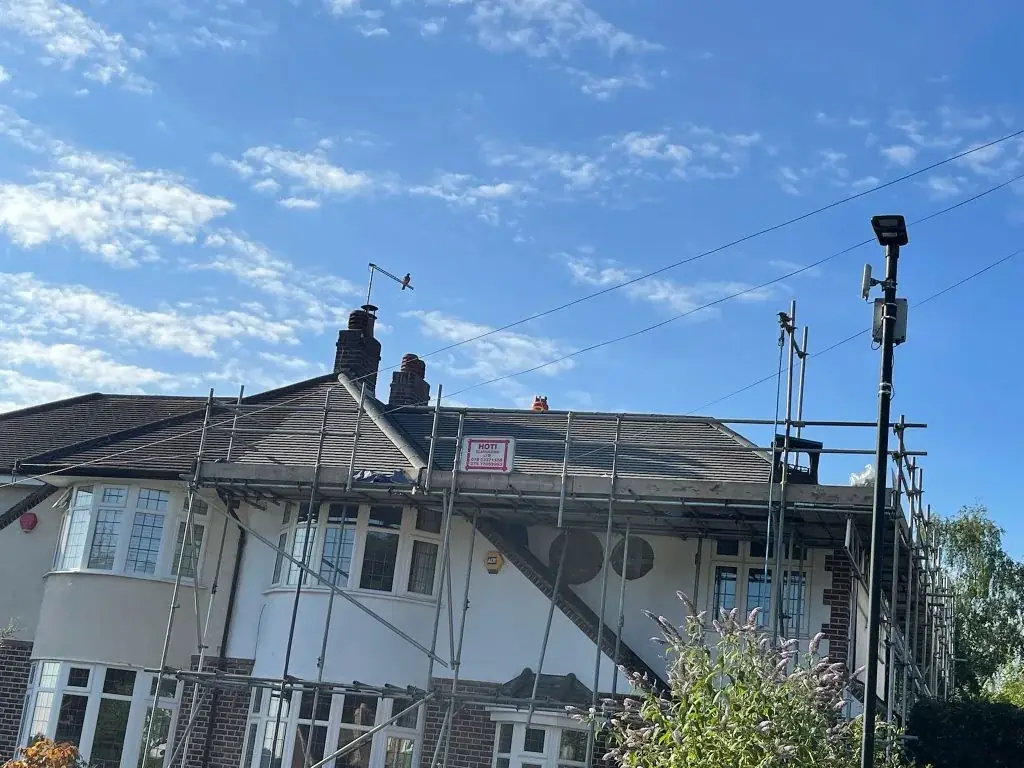
Access also matters, because a wall that is hard to reach may need a different approach to scaffolding or work sequencing. The job should be planned with the practical route in mind, not only the finished appearance.
Design checks
Four things we confirm before drawing external rendering.
- 01Assess the existing wall background before choosing a render system.
- 02Include preparation or removal of failed material where needed.
- 03Set out how openings, roof edges and adjoining materials will be treated.
- 04Check access arrangements before the job is priced or scheduled.
Why does the wall beneath the render matter so much?
Because the render can only perform properly if it bonds to a suitable background. If the wall is unstable or incompatible, the finish may fail or show defects sooner than expected.
Should junction details be part of the render scope?
Yes, because the edges around openings and adjoining materials affect both weathering and appearance. Leaving them out of the scope can result in awkward patching or a finish that looks incomplete.
Can rendering be treated as a simple cosmetic update?
Not really. It changes the exterior surface and depends on the condition of the wall underneath, so it should be planned as a building decision as well as a visual one.
Planning and project guidance
- Conservation areas | Islington Council
- GOV.UK · Planning permission
- GOV.UK · Building regulations approval
- GOV.UK · Party walls and building work
Check the current guidance for your address before relying on a planning route. This guide is not a planning decision or a verified local case study.
Other services in Highbury








