
Islington · North London
Roofingin Highbury.
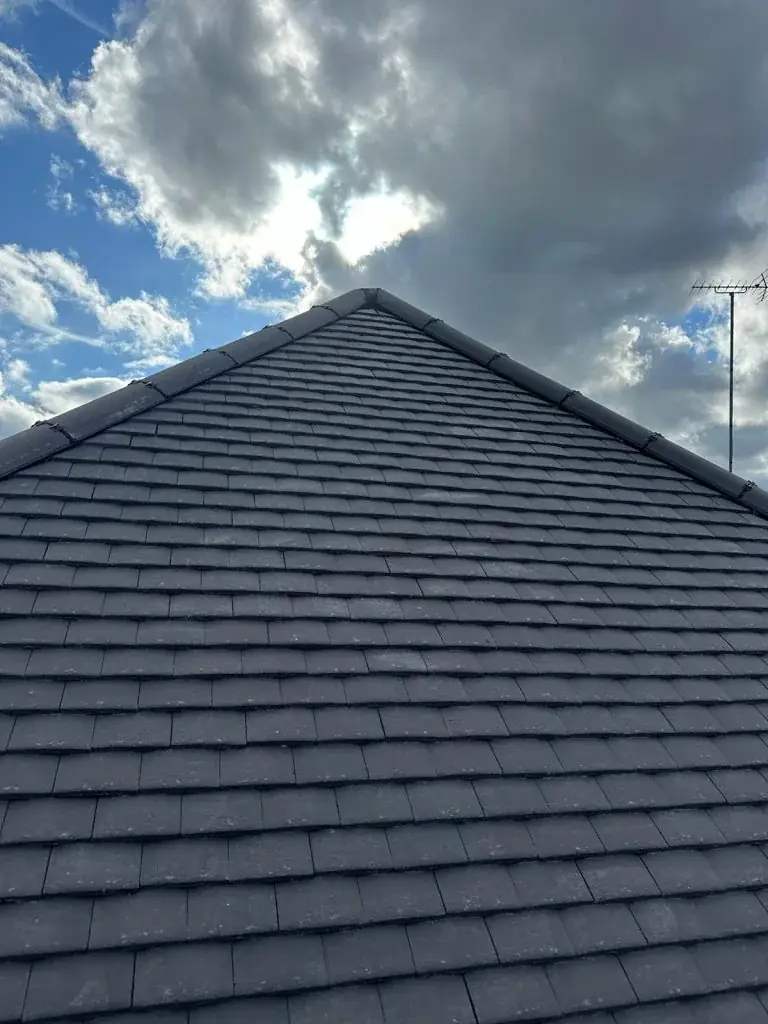
A roof issue is not always solved by looking at the tile above the damp patch. The better approach is to understand how the covering, joints and rainwater details work together before deciding whether repair or replacement is needed.
- Service
- Roofing
- Neighbourhood
- Highbury
- Borough
- Islington
- Next step
- Discuss your project
Your project brief
Investigate the cause before choosing the repair
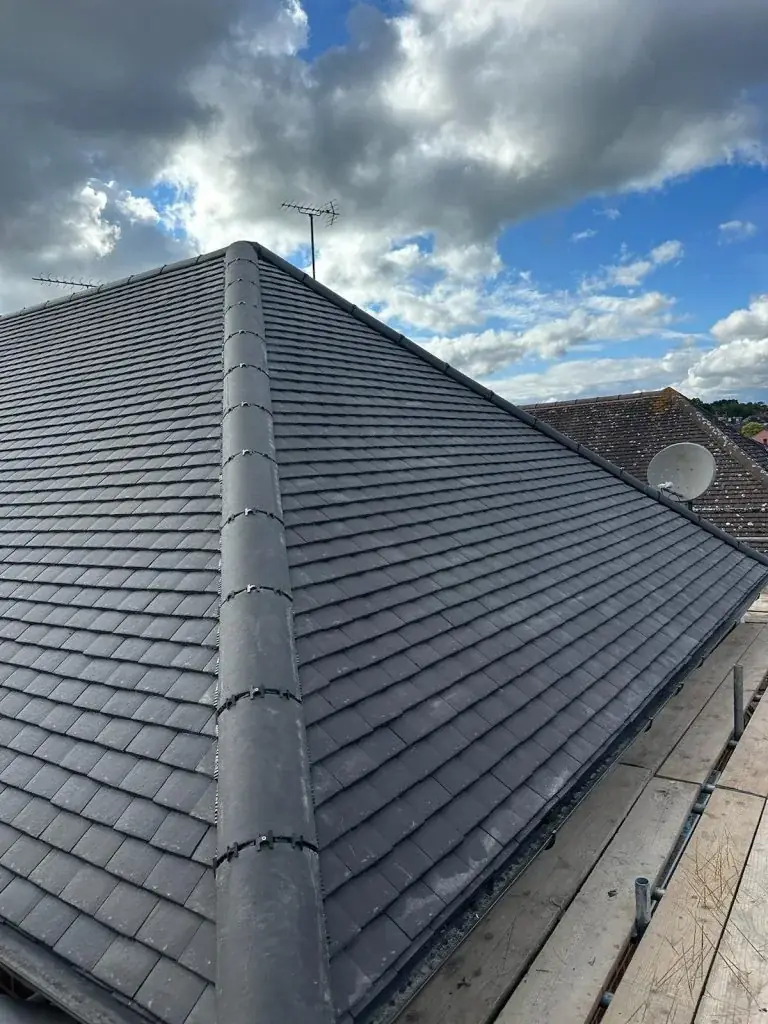
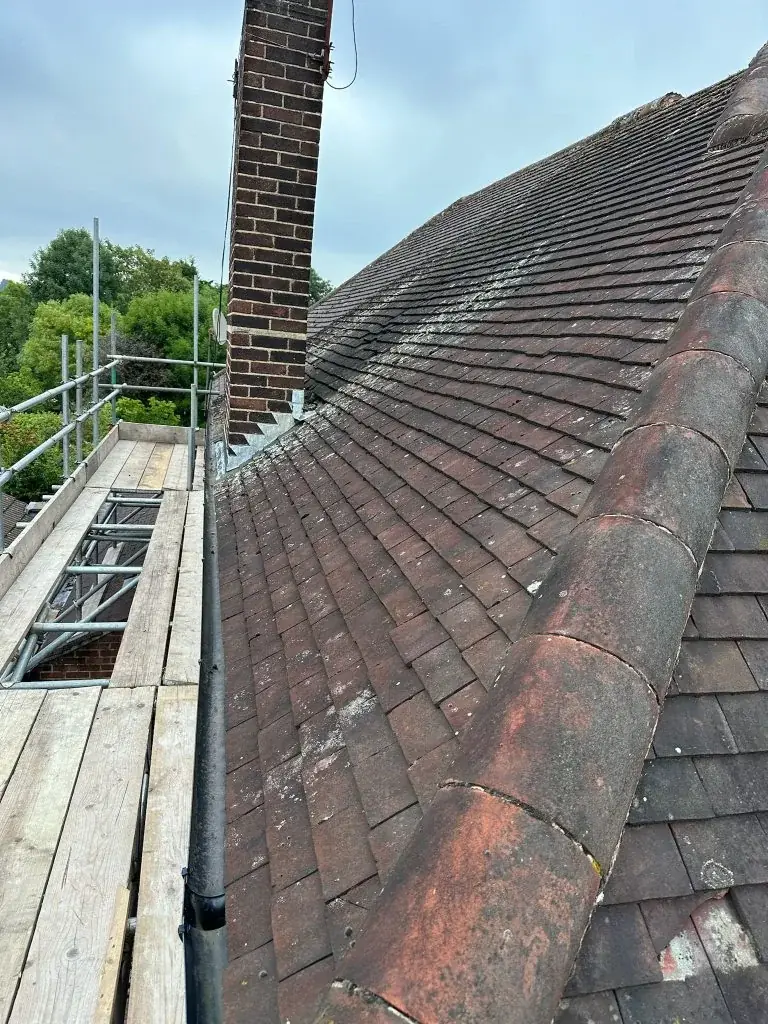
Roofing work begins with the fault, not the symptom. A patch of damp inside the house may come from a broken covering, a failed flashing detail, a blocked junction or another defect elsewhere on the roof. If the source is not understood, a repair may only hide the problem for a while.
That is why an accessible roof area should be assessed as a whole. The job can then be scoped around the actual issue rather than assumed to be limited to the nearest visible defect.
Highbury checks before roofing work is fixed
In Islington, conservation-area status should be checked against the exact Highbury address before any roof alteration is assumed to be straightforward. The council lists areas such as Highbury Fields and Highbury New Park, but that evidence does not prove a particular property is covered. External roof changes may need a separate address-based check, especially where visible alterations are involved.
Design decisions
Keep repairs, replacements and loft work distinct
Roofing repair and roof replacement are different scopes, and loft conversion work adds another layer again. A repair may only need a local intervention, while a replacement involves broader material and detailing decisions. If a loft project is involved, the roof changes should be coordinated with structural and design requirements rather than bolted on afterwards.
The written scope should also say what is excluded, especially where access is limited. That keeps expectations realistic and makes it clearer whether the job is a targeted repair, a larger renewal or part of a wider alteration.
Design checks
Four things we confirm before drawing roofing work.
- 01Identify the cause of the defect before agreeing the repair scope.
- 02Separate local repairs from full replacement and loft-related work.
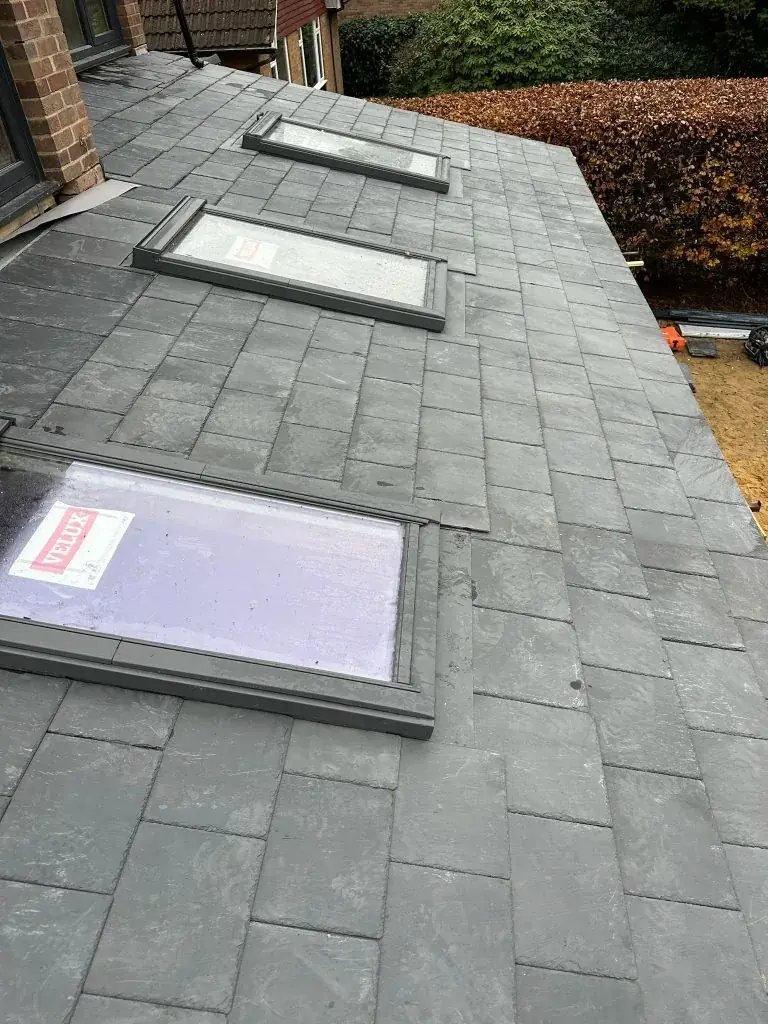
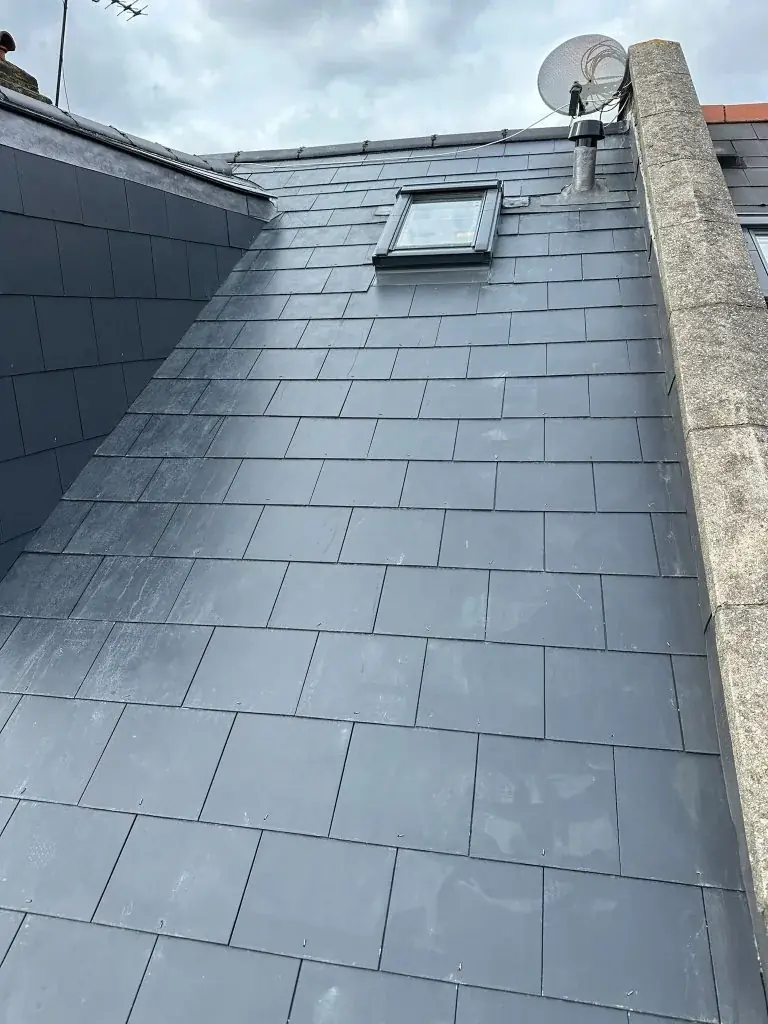
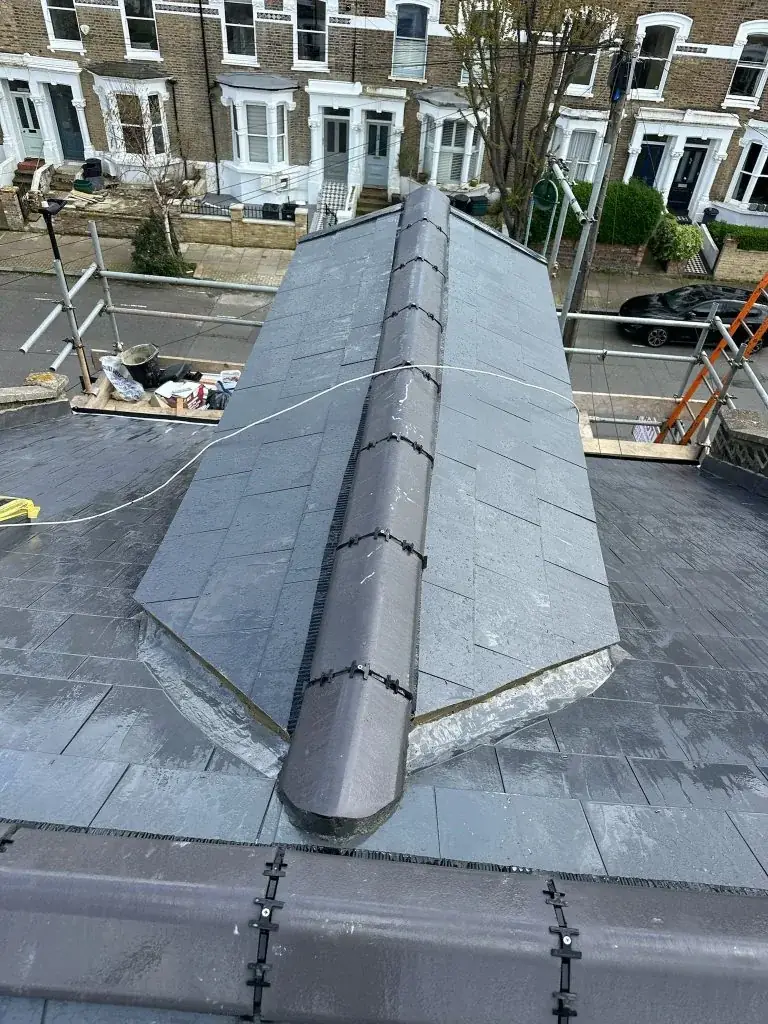
- 03Check flashing, abutments and rainwater junctions alongside the covering.
- 04Confirm which roof areas are safely accessible and which are not.
Why is a visible leak not always the place to start?
Because water can travel before it appears inside. The defect may be elsewhere on the roof, so the repair needs to address the route of the problem rather than just the wet patch.
How is roofing repair different from roof replacement?
Repair deals with a defined fault or limited area. Replacement is a broader decision about the roof covering and associated details. The scope should make that distinction clear so the job does not drift between the two.
What changes when a loft conversion is involved?
The roof is then part of a larger structural and design package. Openings, load-bearing considerations and roof alterations should be planned together so the conversion and the roof work do not conflict.
Planning and project guidance
- Conservation areas | Islington Council
- GOV.UK · Planning permission
- GOV.UK · Building regulations approval
- GOV.UK · Party walls and building work
Check the current guidance for your address before relying on a planning route. This guide is not a planning decision or a verified local case study.
Other services in Highbury








