
Berkshire · Reading · Town service guide
Gardensin Reading.
A garden improvement should make the outside space easier to use, not just look neater on paper. In Reading, the right choice depends on levels, drainage, boundaries and how the garden connects to the house, because those details decide whether the space feels practical after the work is done.
- Service
- Gardens
- Town / city
- Reading
- County
- Berkshire
- Next step
- Discuss your project
Your project brief
Choosing between a simple patio and a broader garden reset
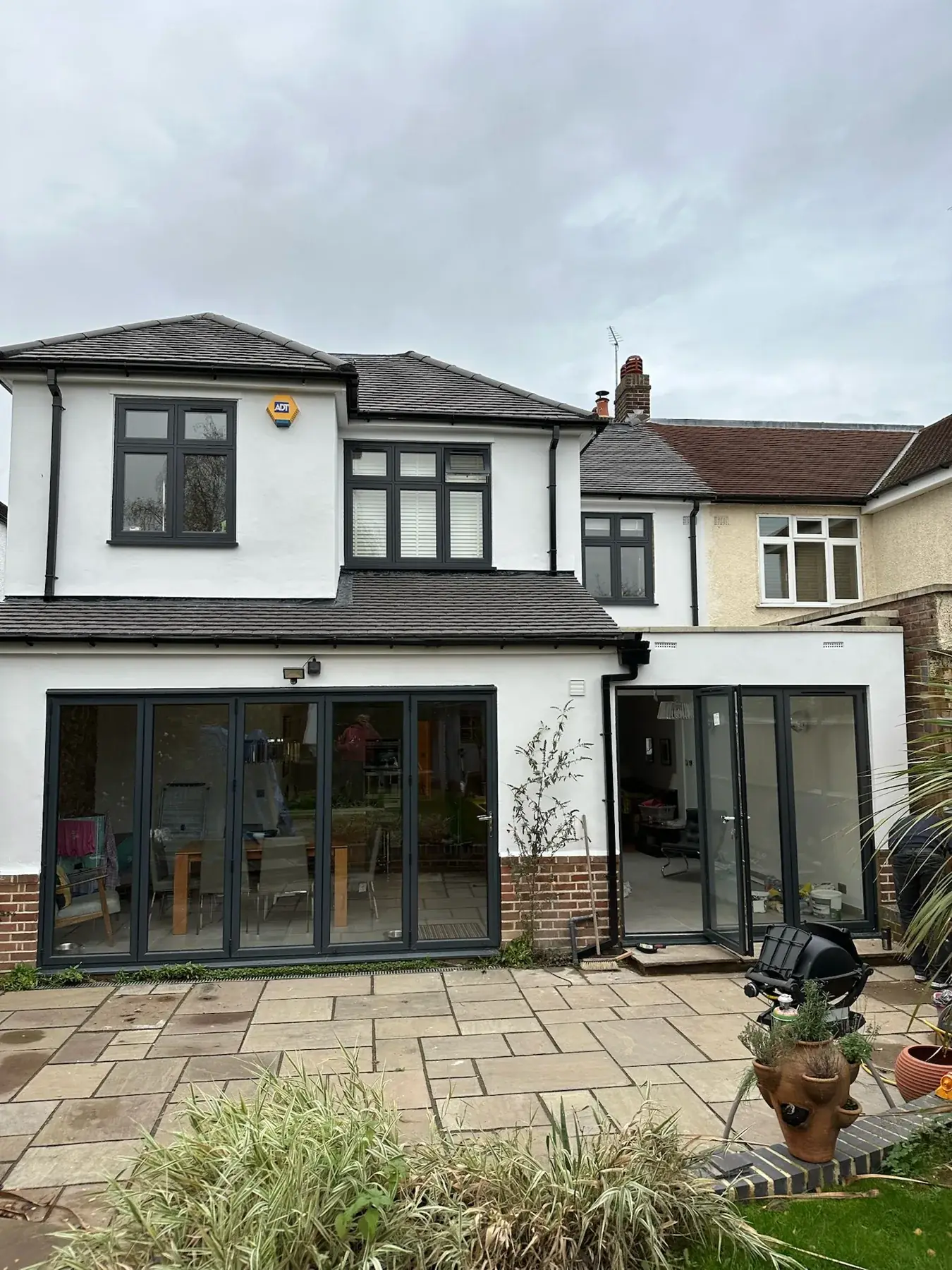
A simple patio or path can be enough when the main aim is clean access from the house and a stable surface for seating or movement. That works well if the ground levels are already sensible and the drainage path is clear.
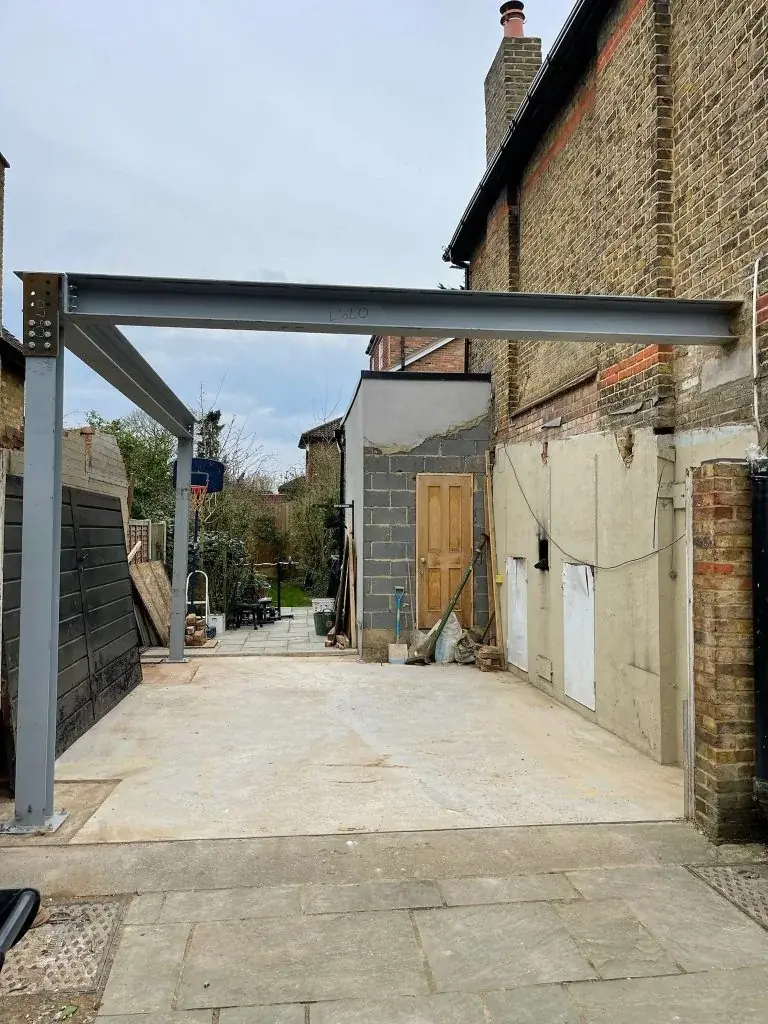
A broader garden reset is better where the outside area needs new levels, boundary work or a rethink of how people move through it. The survey must settle whether the ground falls away from the house, where water goes after rain and whether retaining work or excavation is needed.
Reading local checks for garden work
Reading Borough Council provides conservation maps, appraisals and household guidance, but it says the exact address should be checked against the current document rather than assuming a borough-wide rule. Use My Reading to confirm the site and then check whether tree controls or heritage issues are relevant. That sits alongside the practical question of drainage and levels, which the map alone does not answer.
Design decisions
How the garden should support the house
The best garden brief starts with the rooms that open onto it. The outside space should support how the home is used, so access, seating, storage and planting all need to be considered together rather than as separate jobs.
If a fence, gate or retaining edge is included, boundary ownership needs to be clear first. Work near protected trees or involving notable level changes may also need specialist advice, so the scope should say what is being altered and what must be checked before digging starts.
Design checks
Four things we confirm before drawing garden improvements.
- 01Check levels, surface water and access before fixing the patio layout.
- 02Confirm boundary ownership before replacing fencing or gates.
- 03Consider whether retained trees or nearby roots affect the design.
- 04Agree what ground preparation and making good are included after building work.
What matters most when choosing a garden layout?
The way the space drains and how it connects to the house. A layout that looks tidy can still be awkward if water runs the wrong way or if movement between inside and outside is clumsy.
Do level changes always mean major excavation?
Not always. Small changes may be handled within the design, but bigger differences in level can require retaining work, careful preparation and clearer decisions about drainage and access.
Why do boundaries need to be checked before work starts?
Because fencing, gates and retaining features can sit on or near a boundary. If ownership is not clear at the start, the work can create avoidable disputes or design changes later.
Planning and project guidance
- Reading Borough Council · conservation maps, appraisals and household guidance
- GOV.UK · Planning permission
- GOV.UK · Building regulations approval
- GOV.UK · Party walls and building work
Check the current guidance for your address before relying on a planning route. This guide is not a planning decision or a verified local case study.
Other services in Reading








