
Berkshire · Reading · Town service guide
Roofingin Reading.
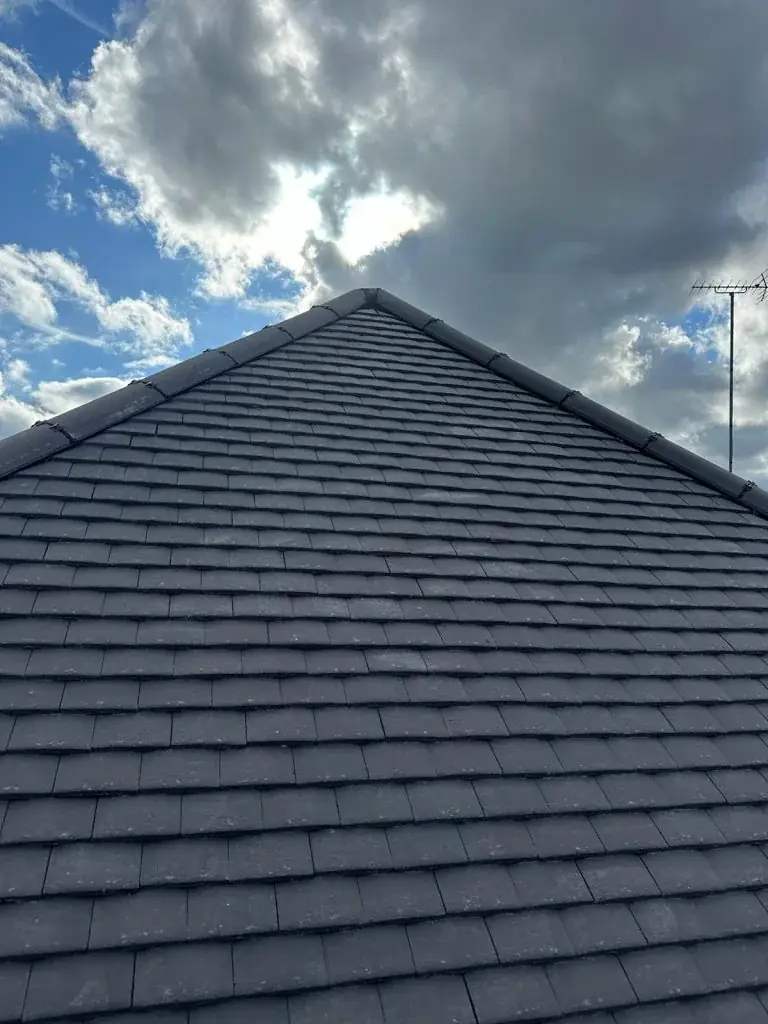
Roofing problems often show up as a stain inside, but the cause may be higher up or further across the roof than expected. In Reading, the right decision depends on how much of the roof is affected, because a small repair and a broader roof project have very different consequences for the home.
- Service
- Roofing
- Town / city
- Reading
- County
- Berkshire
- Next step
- Discuss your project
Your project brief
Comparing a targeted repair with a wider roofing job
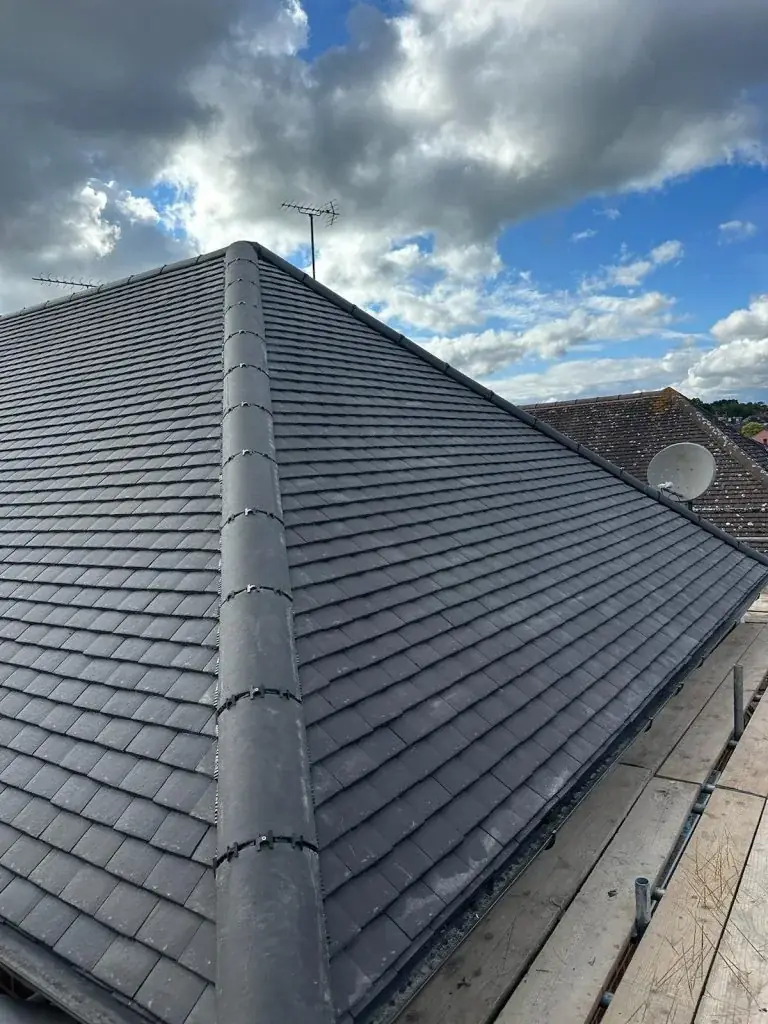
A targeted repair suits a roof where the defect is clearly local, such as a failed detail, a slipped covering or a leak at a junction. That can solve the issue without disturbing more of the roof than necessary.
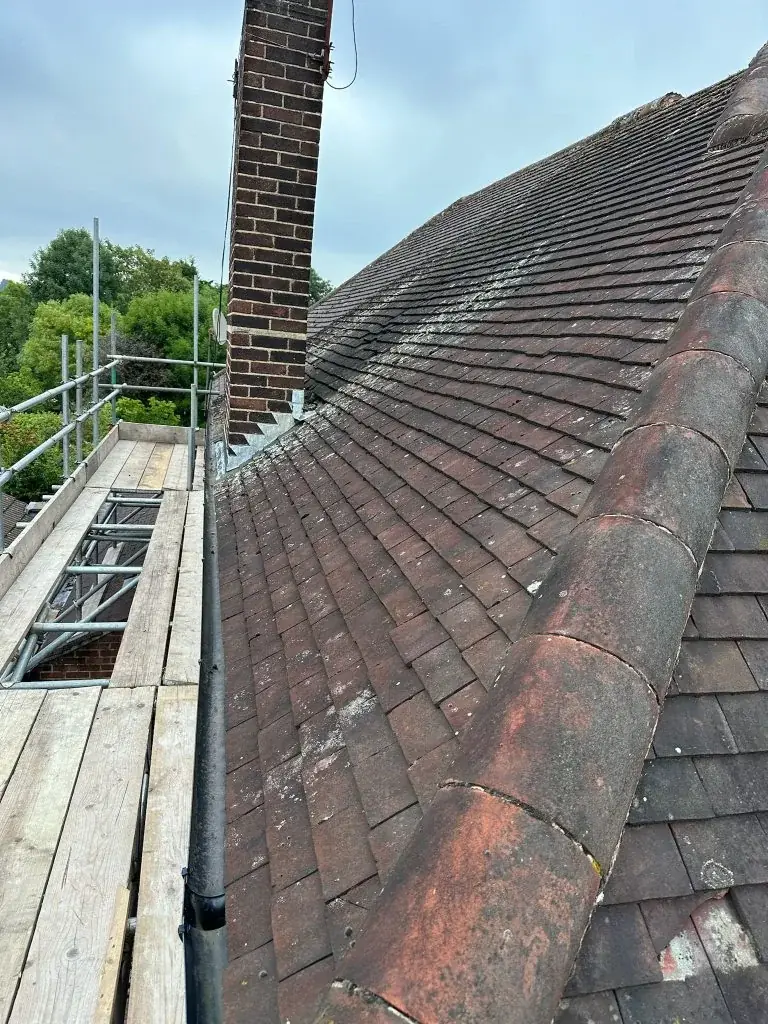
A wider job makes sense when the covering, ridges or underlying structure are generally tired. The survey must settle whether the problem is isolated or systemic, because a visible leak may only be one symptom of a larger failure in the roof build-up.
Reading local checks before roofing work
Reading Borough Council’s heritage pages provide conservation maps, appraisals and household guidance, and the advice is to check the current document for the exact address rather than assuming a borough-wide rule. Use My Reading to confirm the site, then consider whether heritage or tree controls are relevant. That local check sits alongside the roofing survey, which must establish the actual defect and the access needed.
Design decisions
Why the surrounding details matter as much as the tiles
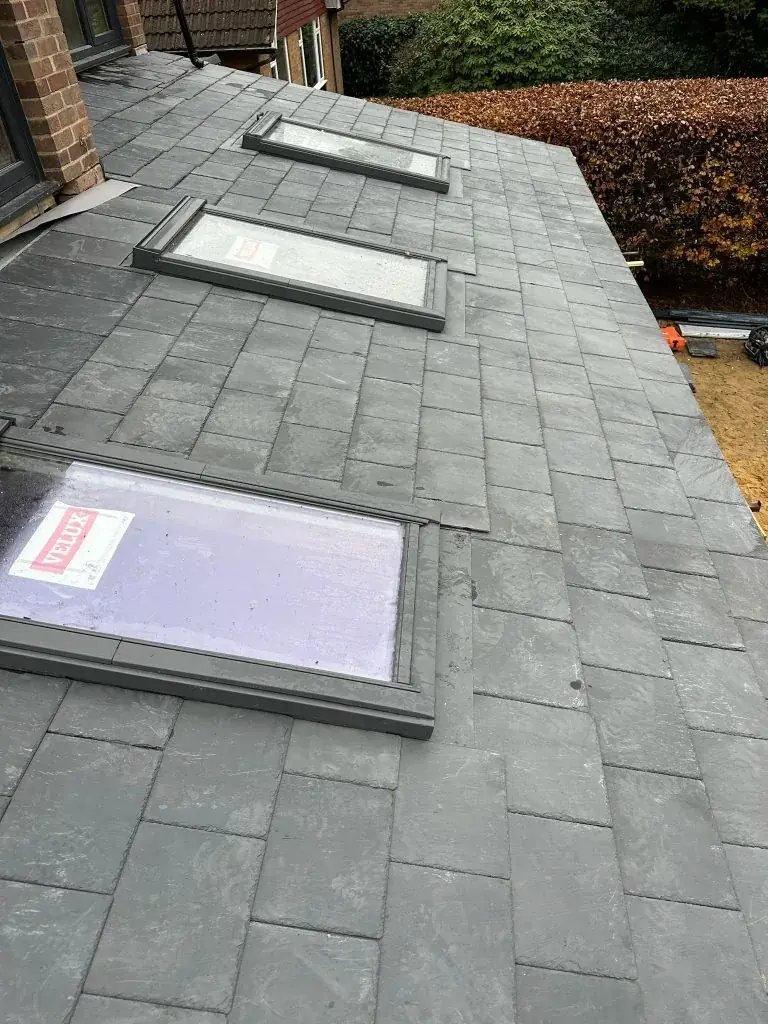
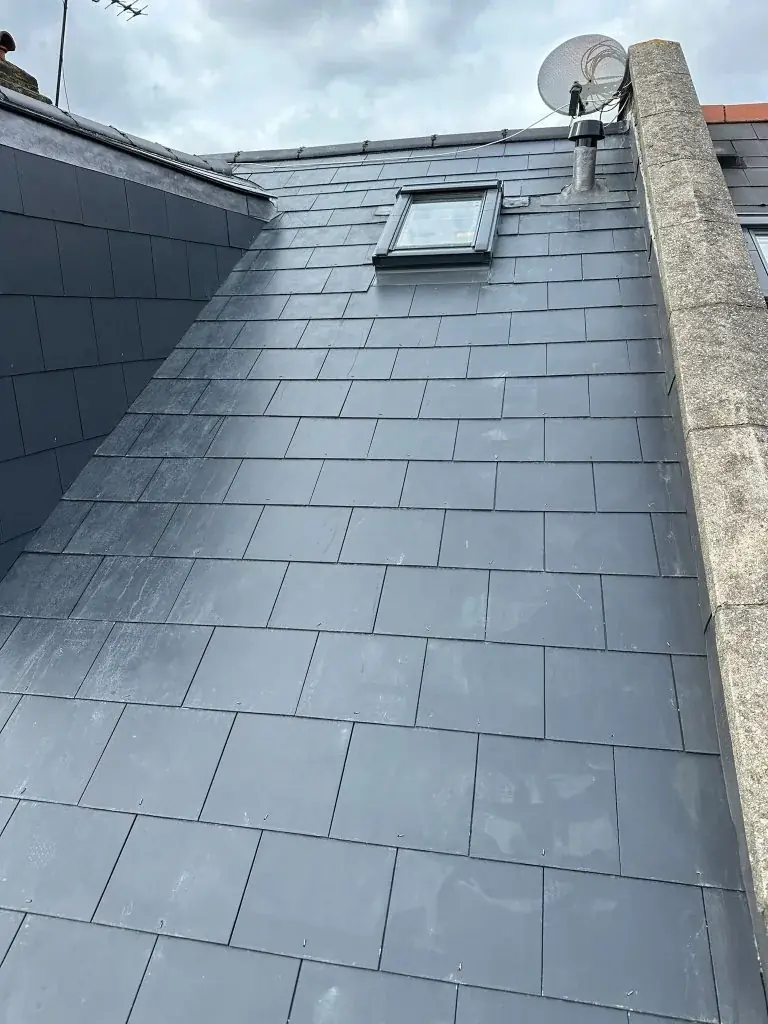
Flashing, abutments and rainwater junctions are often where trouble begins, so the scope should describe those details alongside the roof covering itself. If the work is tied to a loft conversion, the structural requirements and the roof alterations must be coordinated together.
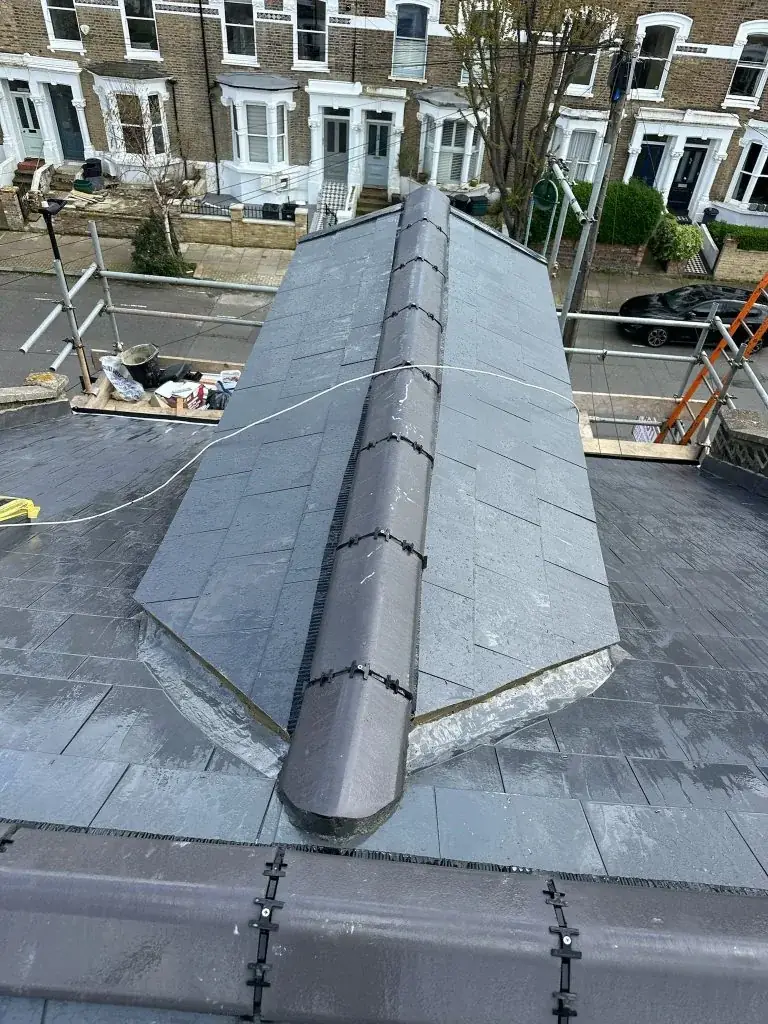
Safe access matters too. Scaffolding or similar arrangements may be needed, and re-roofing can involve Building Regulations considerations, including thermal issues. If suspect asbestos-containing materials are present, they should be assessed by the appropriate specialist before any disturbance.
Design checks
Four things we confirm before drawing roofing work.
- 01Inspect accessible roof defects and agree the repair scope.
- 02Check flashing, abutments and rainwater junctions as part of the review.
- 03Confirm safe access and any scaffold or similar arrangements.
- 04Coordinate roof changes with loft design and structural requirements.
Why doesn’t a leak always mean the tile above it is the problem?
Because water can travel along flashing, timbers or junctions before showing inside. The survey needs to trace the cause rather than assuming the visible stain marks the actual defect.
When does roofing become more than a small repair?
When the covering, ridges or underlying structure show wider wear, or when the defect is part of a larger roof project such as a loft alteration or re-roofing scope.
Why is access part of the roofing decision?
Roofing work needs safe access, and the method used can affect cost, sequencing and what parts of the roof can be repaired properly. It should be identified before work starts, not improvised on site.
Planning and project guidance
- Reading Borough Council · conservation maps, appraisals and household guidance
- GOV.UK · Planning permission
- GOV.UK · Building regulations approval
- GOV.UK · Party walls and building work
Check the current guidance for your address before relying on a planning route. This guide is not a planning decision or a verified local case study.
Other services in Reading








