
Berkshire · Reading · Town service guide
Renderingin Reading.
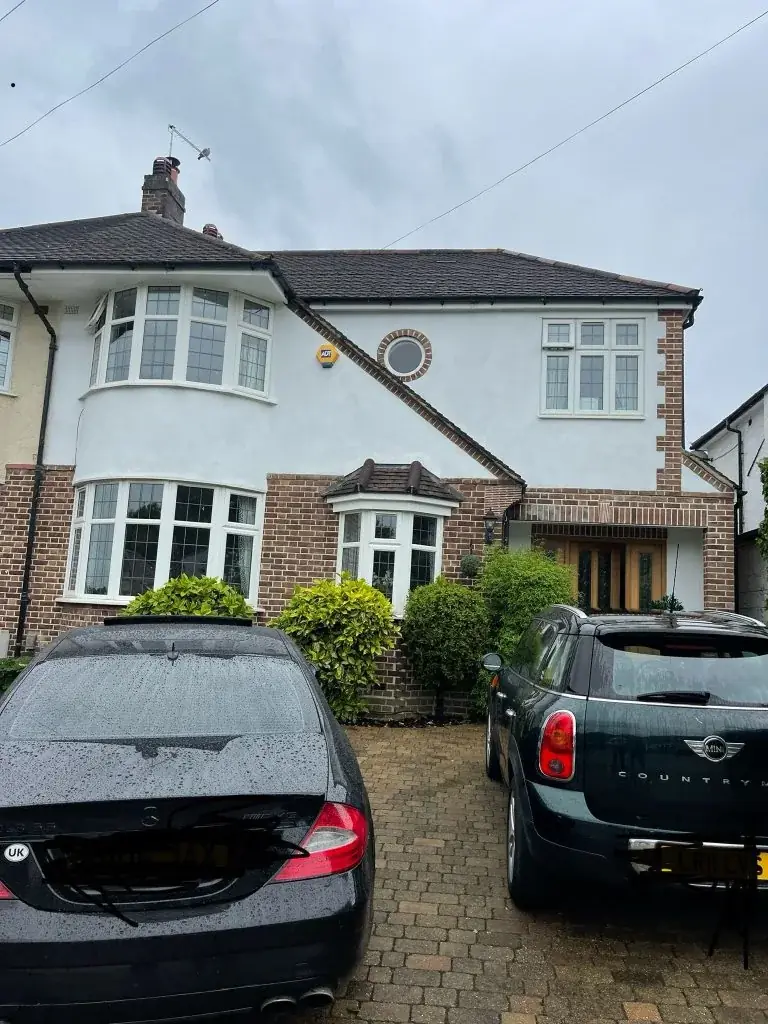
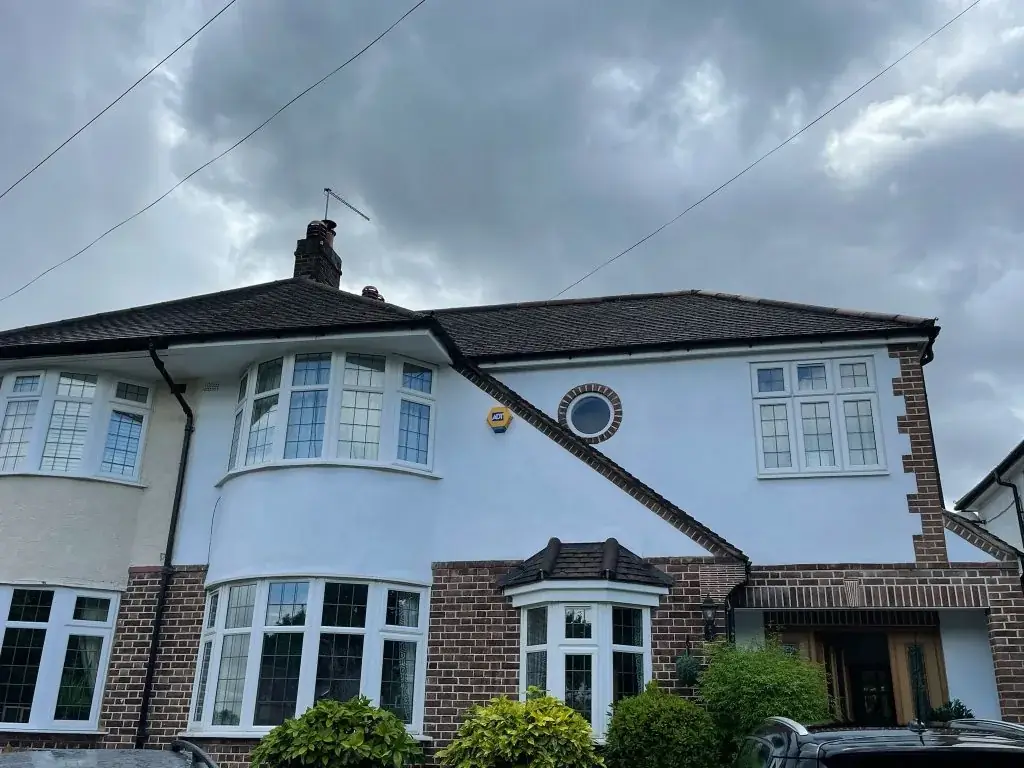
Rendering changes how an exterior wall looks, but it also needs to suit the wall underneath. In Reading, the right choice depends on whether the existing finish is sound enough to repair or whether the wall needs a fuller reset, because trapped moisture and movement can affect the result.
- Service
- Rendering
- Town / city
- Reading
- County
- Berkshire
- Next step
- Discuss your project
Your project brief
Choosing between patch repair and full re-rendering
A repair may be enough where most of the render is sound and only local failure needs attention. That keeps more of the existing surface in place and can be the right answer where the problem is limited to a crack, a failed patch or an isolated area.
A full re-render becomes more sensible when the background is tired, the finish is widely failing or the wall needs a new system to suit its construction. The survey must settle how much of the old material can remain and whether the wall is compatible with the new coating.
Reading local checks before rendering
Reading Borough Council’s heritage guidance points owners to the relevant conservation map or appraisal for the exact place and says to use the current version rather than an old drawing. Use My Reading to confirm the address, then check whether heritage or tree controls matter. Listing and local listing are separate matters, so the site must be checked before the external finish is fixed.
Design decisions
Why junctions and moisture details matter
Render does not work in isolation. Roof edges, openings, adjoining materials and rainwater details all affect performance, so the scope should say how those junctions will be treated rather than leaving them to be discovered on site.
If the building has older solid-wall construction, the choice of materials should respect the wall’s ability to breathe. That is why an apparently simple change in external finish can still need a considered design rather than a standard one-size approach.
Design checks
Four things we confirm before drawing external rendering.
- 01Assess the wall background and the condition of any existing render.
- 02Decide whether local repair or a fuller re-render is the better scope.
- 03Consider roof edges, openings and other junctions in the design.
- 04Check whether any local controls affect the external appearance.
What usually decides whether render can be repaired or must be replaced?
The extent of failure and the condition of the wall underneath. If the background is sound and the defect is local, repair may be enough; if the finish is widely failing, a fuller approach is usually better.
Why are wall junctions so important in rendering?
Because corners, openings and roof edges are where water and movement often show up first. If those details are ignored, the new finish may not perform well for long.
Does a new render automatically suit every wall?
No. The system needs to suit the construction underneath it. Older walls especially may need a breathable or compatible approach rather than a standard modern finish.
Planning and project guidance
- Reading Borough Council · conservation maps, appraisals and household guidance
- GOV.UK · Planning permission
- GOV.UK · Building regulations approval
- GOV.UK · Party walls and building work
Check the current guidance for your address before relying on a planning route. This guide is not a planning decision or a verified local case study.
Other services in Reading








