
City of London · Central London
Plumbingin Barbican.
Plumbing changes are easiest to manage when you treat the pipework as part of the whole room, not just the fittings. Moving a sink, changing a bathroom or adding a utility point can affect drainage, access and the order in which the work must happen.
- Service
- Plumbing
- Neighbourhood
- Barbican
- Borough
- City of London
- Next step
- Discuss your project
Your project brief
Work out the route before the fixture choice
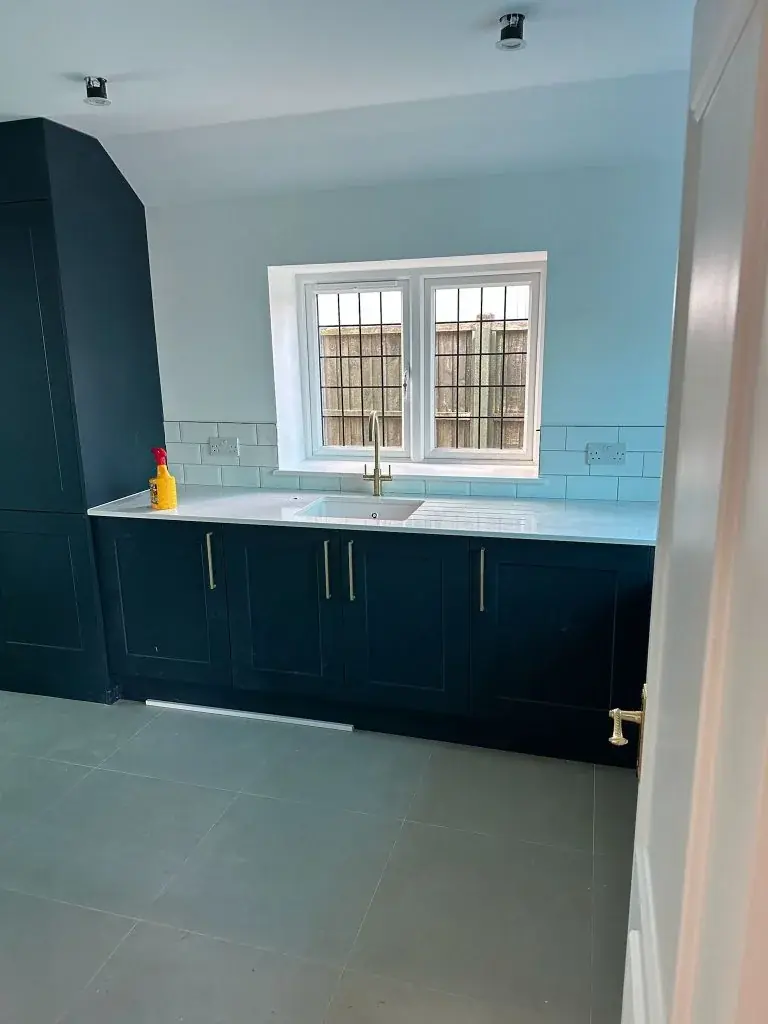
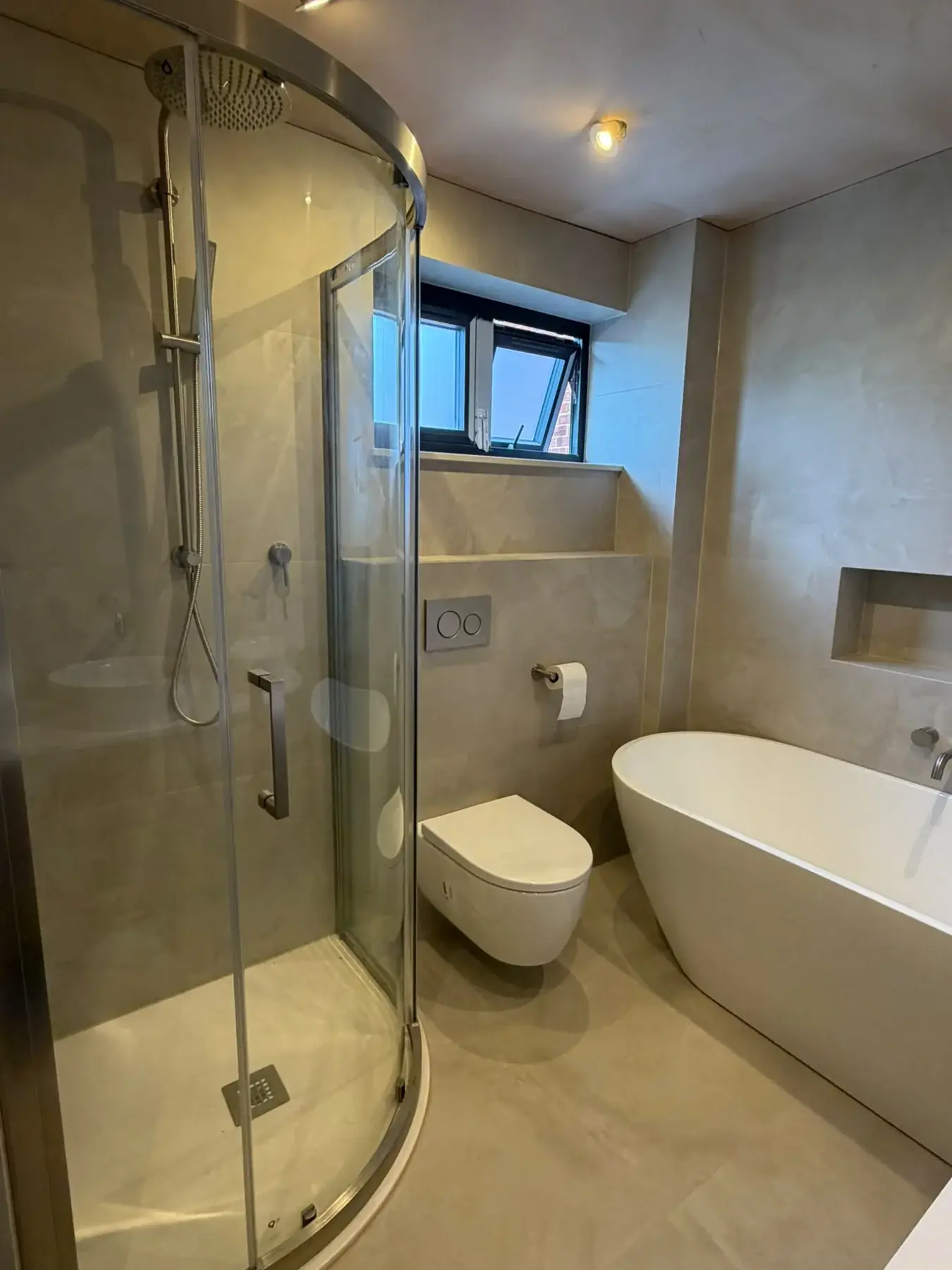
The layout matters because water supplies and waste routes are not always easy to move. A sink in a new position, or a bathroom arranged differently, may need pipework changes that affect floors, walls and nearby finishes. The right answer depends on what can be achieved cleanly and what would create avoidable disruption.
It is also worth checking the condition of the existing pipework before deciding on new fittings. Older or inaccessible services may influence whether the job is a simple replacement or a wider alteration. That keeps the design realistic and avoids choosing sanitaryware before the practical route is understood.
Barbican local checks for planned pipework changes
City of London conservation-area information exists, including the Barbican and Golden Lane guidance, but plumbing decisions still turn on the exact property and the wider refurbishment scope. Internal pipework changes usually need different thinking from external alterations, yet they should still be checked against any wider approvals or owner consents that apply to the site.
Design decisions
Separate first-fix, second-fix and investigation
Plumbing work often happens in stages. First-fix changes are done before closing surfaces, while second-fix items are completed when the room is ready for visible fittings. Keeping those stages separate helps the rest of the project, especially when the work sits inside a larger refurbishment.
Where issues are suspected, the scope should say what inspection is included and what is not. For example, a possible brief might include accessible pipework checks and agreed alterations to the kitchen or bathroom layout, but not open-ended investigation behind every finished surface. That distinction protects both budget and programme.
Design checks
Four things we confirm before drawing plumbing work.
- 01Map water supply and waste routes before fixing the layout.
- 02Check the condition and access to existing pipework.
- 03Separate first-fix work from second-fix fittings in the programme.
- 04State what investigation is included when hidden issues are suspected.
What is the main risk in moving a sink or bathroom fixture?
The risk is assuming the new position will be straightforward before the drainage route is checked. A layout that looks neat on paper can be awkward in practice if the pipework needs more space, more work or a different route altogether.
Should plumbing be decided before finishes are chosen?
Yes, especially where the room layout is changing. Once the pipework route is known, it becomes easier to choose cabinetry, tiling and other finishes without finding that the visible design conflicts with the hidden services behind it.
Can plumbing work be done in stages?
Usually, yes. It is common to plan the hidden pipework first and the visible fittings later. That staged approach works best when the scope clearly sets out what is happening at each point and when access will still be needed.
Planning and project guidance
- Conservation areas - City of London
- GOV.UK · Planning permission
- GOV.UK · Building regulations approval
- GOV.UK · Party walls and building work
Check the current guidance for your address before relying on a planning route. This guide is not a planning decision or a verified local case study.
Other services in Barbican








