
City of London · Central London
Renderingin Barbican.
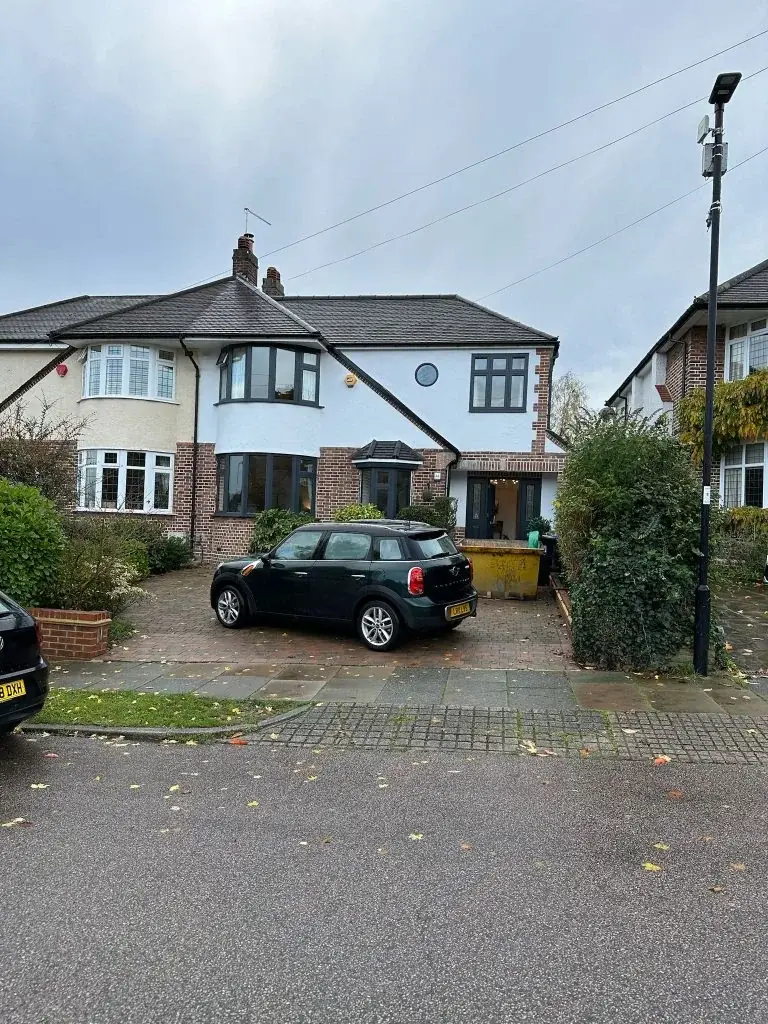
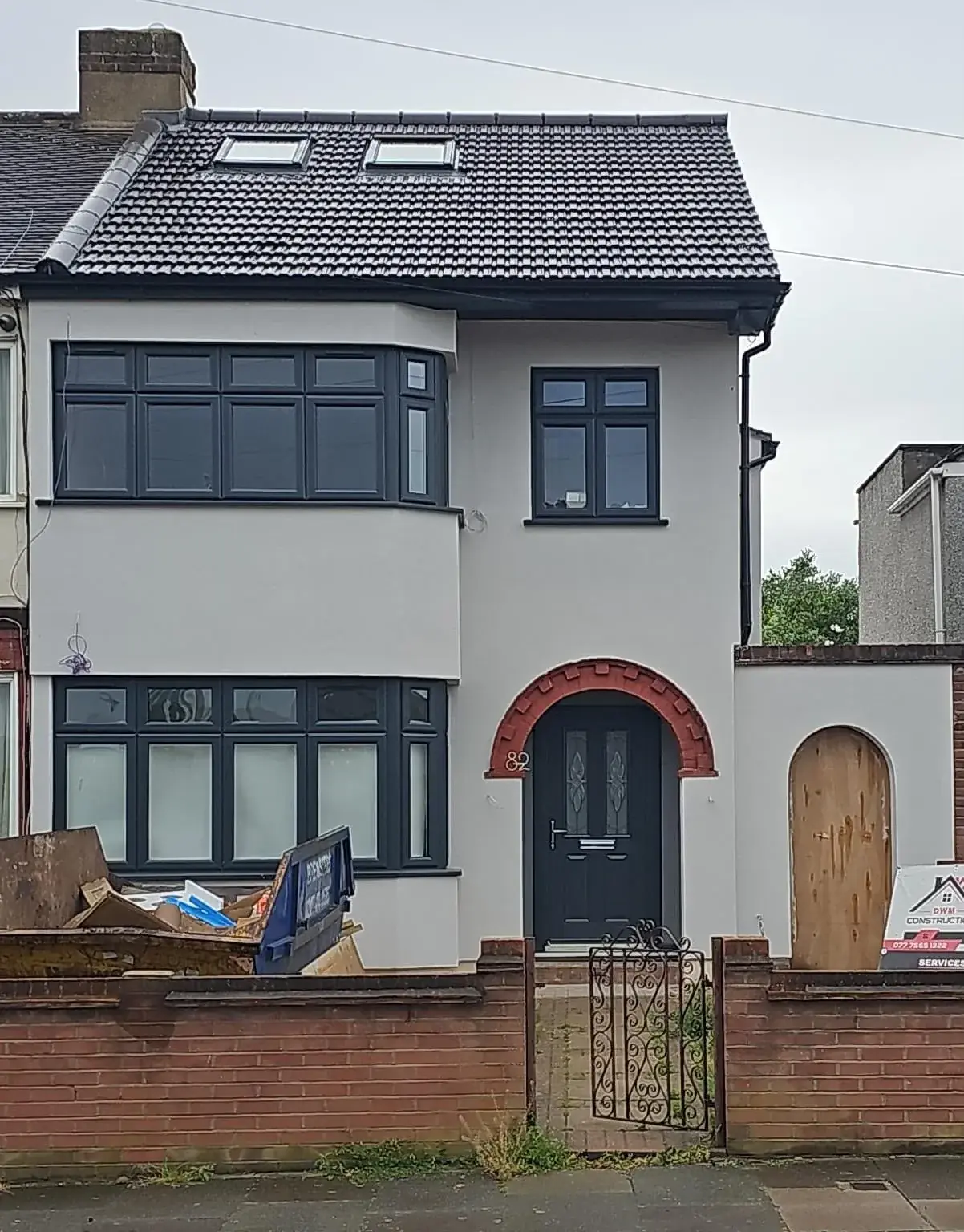
Render changes the look of an external wall, but the wall beneath it decides whether the result will hold together properly. Before choosing materials, you need to know what the background is, what has failed already and how the edges and openings will be handled.
- Service
- Rendering
- Neighbourhood
- Barbican
- Borough
- City of London
- Next step
- Discuss your project
Your project brief
Match the render to the wall underneath
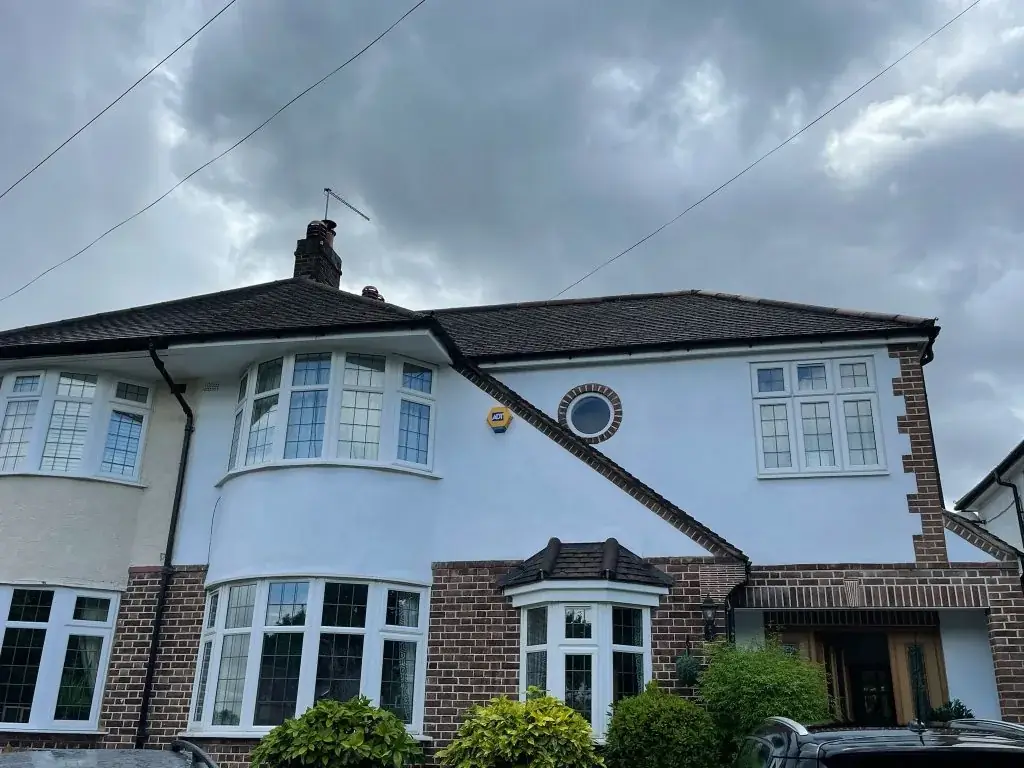
The condition of the background is the starting point. Render needs a suitable surface, and the approach changes if the existing finish is sound, cracked or failing. If the old render is coming away, the scope may need removal or repair before a new system can be applied correctly.
It is also important to think about compatibility, not just appearance. A new render system should suit the construction it is covering and the way the wall is exposed. If the wrong approach is chosen, the finish may look acceptable at first but struggle with movement or weathering later on.
Barbican local checks for external render work
The City of London’s conservation-area resources, including the Barbican and Golden Lane documents, may be relevant where external appearance is changing, but they do not by themselves define what is allowed at a particular address. Because render affects the outside of the building, the exact property should be checked and any wider external consent issues confirmed before work is finalised.
Design decisions
Check the junctions before the main coat goes on
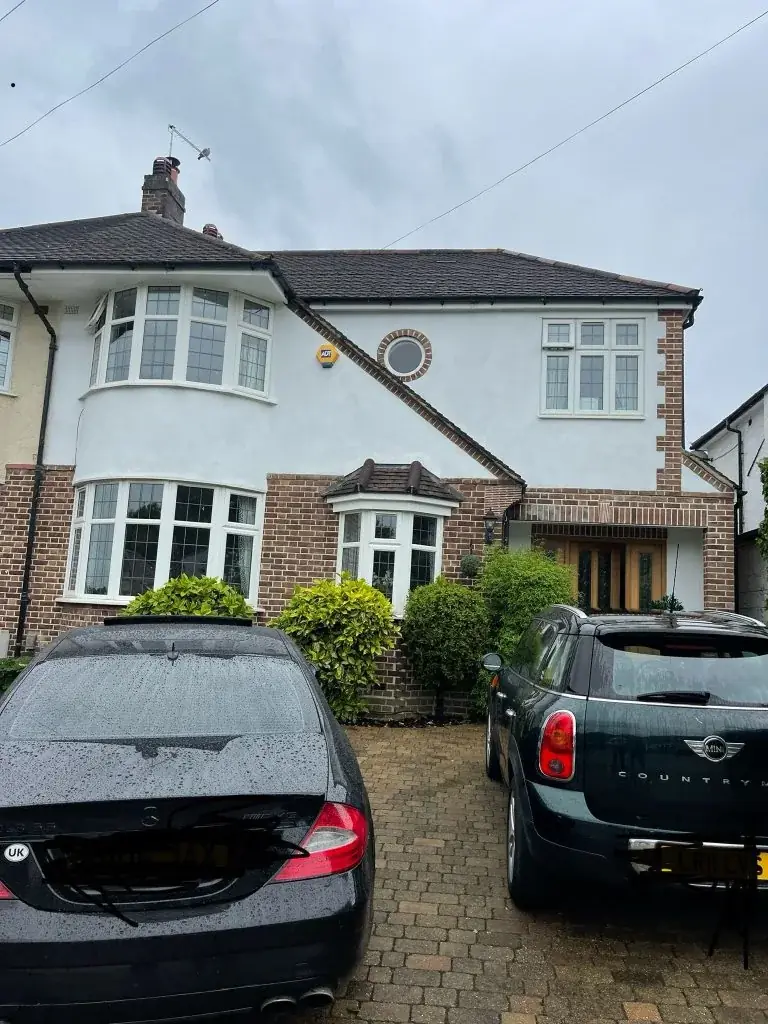
Openings, roof edges and adjoining materials are where problems often show first. Those junctions need careful planning because they affect water shedding, neatness and durability. If they are overlooked, the render can fail at the weakest points even if the main wall area is fine.
For a smaller alternative, a possible brief might involve render repairs to specific affected sections rather than a full wall treatment. That can be sensible where the damage is localised and the rest of the finish remains sound. The decision should be based on survey findings, not on a preference for the smallest visible repair.
Design checks
Four things we confirm before drawing external rendering.
- 01Assess the wall background and any failed render before choosing a system.
- 02Decide whether repairs or full removal are needed.
- 03Check junctions around openings, roof edges and adjacent materials.
- 04Confirm whether the work is localised repair or a full external treatment.
Why does render fail around edges and openings first?
Those areas deal with movement and water more than the main wall face. If the detailing is weak there, the finish is more likely to crack or let water in, so the junctions need careful attention from the start.
Can render be repaired in sections?
Yes, if the damaged areas are genuinely localised and the remaining finish is sound. The important point is to confirm that a patch repair will blend properly and that the surrounding wall can support the new material.
Does a better-looking render always mean a better repair?
Not necessarily. The better repair is the one that suits the wall underneath, the existing finish and the exposure of the building. Appearance matters, but compatibility and preparation matter more over the long term.
Planning and project guidance
- Conservation areas - City of London
- GOV.UK · Planning permission
- GOV.UK · Building regulations approval
- GOV.UK · Party walls and building work
Check the current guidance for your address before relying on a planning route. This guide is not a planning decision or a verified local case study.
Other services in Barbican








