
Hounslow · West London
Doorsin Chiswick.
A door replacement seems straightforward until the opening, hardware and adjoining finishes are checked properly. The important decisions are whether the existing frame can stay, how the door will be used and what clearances or requirements affect the final installation.
- Service
- Doors
- Neighbourhood
- Chiswick
- Borough
- Hounslow
- Next step
- Discuss your project
Your project brief
Decide whether the frame stays or the whole set is changing
The first question is whether the existing frame, lining and architraves are serviceable. If they are sound and correctly sized, retaining them can reduce disruption. If they are out of square, damaged or unsuitable for the new door, the scope needs to allow for more than a simple swap.
The door itself should be chosen for its purpose, not only its appearance. Internal circulation, privacy, fire performance or external security can all affect the specification, so the brief should make clear what the door has to do in daily use.
Chiswick checks before door changes are ordered
For Chiswick homes, the exact address should be checked if a door project is part of a wider external alteration. Hounslow Council’s guidance says conservation-area controls can affect some exterior works and Article 4(2) Directions may restrict certain changes to single residential dwellings. Internal door replacement is different, but external doors or altered openings should be matched to the correct site-specific route rather than assumed from the neighbourhood name.
Design decisions
Plan the hardware and making-good as part of the job
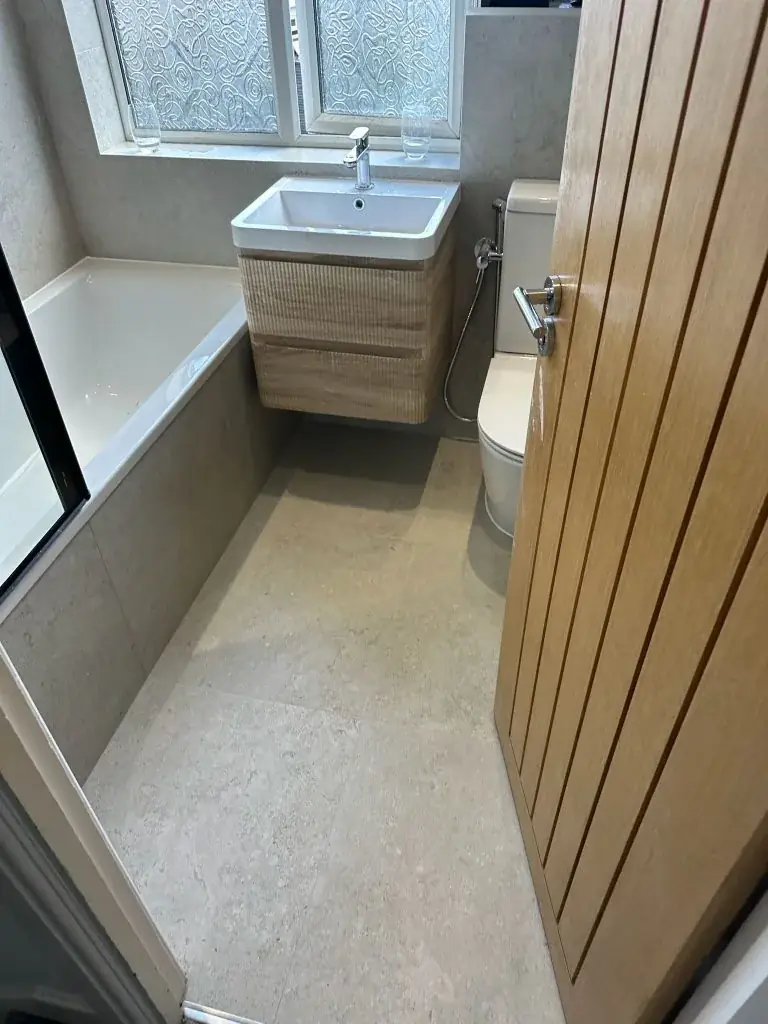
Handles, hinges, latches and other ironmongery need to match the door and the way it will be used. If that detail is left until the last moment, the final fit can be awkward or the appearance can feel improvised rather than finished.
Making good around the opening should also be part of the decision. New doors can reveal old damage, gaps or uneven edges, and those areas should be allowed for so the finished opening is neat rather than patched in separately afterwards.
Design checks
Four things we confirm before drawing door installation.
- 01Internal door replacement and fitting within an agreed joinery scope.
- 02Frames, linings, architraves and associated making-good where specified.
- 03Handles, hinges, latches and other hardware matched to the door’s intended use.
- 04External door or altered-opening enquiries assessed with the relevant installation requirements.

When can an existing frame be kept for a new door?
When it is sound, reasonably square and suitable for the new door size and function. If it is damaged or poorly aligned, keeping it may compromise the fit and finish, so replacement can be the better practical choice.
What should be decided before ordering a door?
The opening size, the door’s purpose, the finish and the hardware all need to be settled. That avoids ending up with a door that looks right but does not suit the space or the way it needs to work.
Why is making-good part of the door scope?
Because the opening often needs adjustment once the old door is removed. If those edges, gaps or trims are not included in the plan, the final result can look unfinished even if the door itself is fitted correctly.
Planning and project guidance
- Conservation areas FAQ | Design and conservation | London Borough of Hounslow
- GOV.UK · Planning permission
- GOV.UK · Building regulations approval
- GOV.UK · Party walls and building work
Check the current guidance for your address before relying on a planning route. This guide is not a planning decision or a verified local case study.
Other services in Chiswick








