
Hounslow · West London
Roofingin Chiswick.
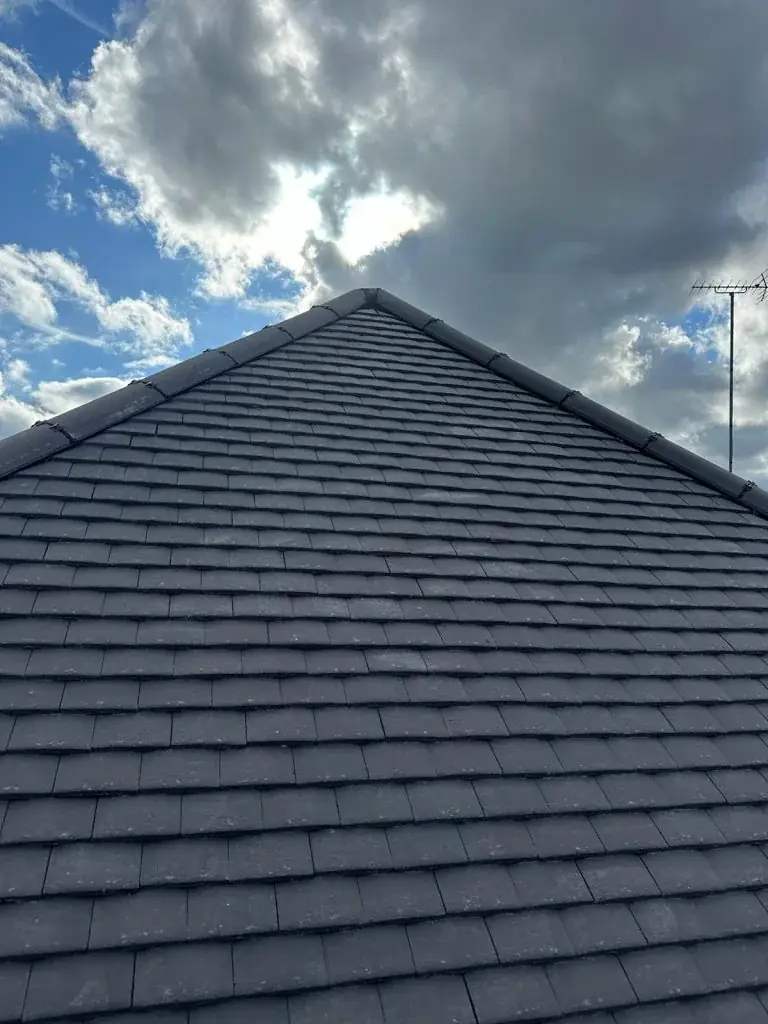
A roof issue is not always caused by the part you can see from the ground. A sensible roofing decision checks the covering, the junctions and the route water takes so the repair responds to the cause, not just the symptom.
- Service
- Roofing
- Neighbourhood
- Chiswick
- Borough
- Hounslow
- Next step
- Discuss your project
Your project brief
Investigate the fault before committing to repair or replacement
A visible damp patch does not automatically mean the tile above it is the problem. The scope should look at accessible defects, the roof covering, ridges and any areas where water may be entering through joints or failed details. That makes the repair more targeted and useful.
If the roof work is linked to a loft conversion or another alteration, the roof decisions need to be coordinated with the wider structural plan. Roof changes can affect height, openings and the way the interior space is formed, so they should not be treated as an isolated task.
Chiswick checks before roof work goes ahead
For a Chiswick property, any roof alteration should be checked against the exact address in Hounslow Council’s planning guidance before assumptions are made. The council says some exterior works in conservation areas need planning permission and Article 4(2) Directions can restrict certain exterior changes to single residential dwellings. Roofing repair is not the same as a roof alteration, but if the project changes the building’s appearance or form, the site-specific route must be confirmed.
Design decisions
Treat flashing and abutments as part of the roof system
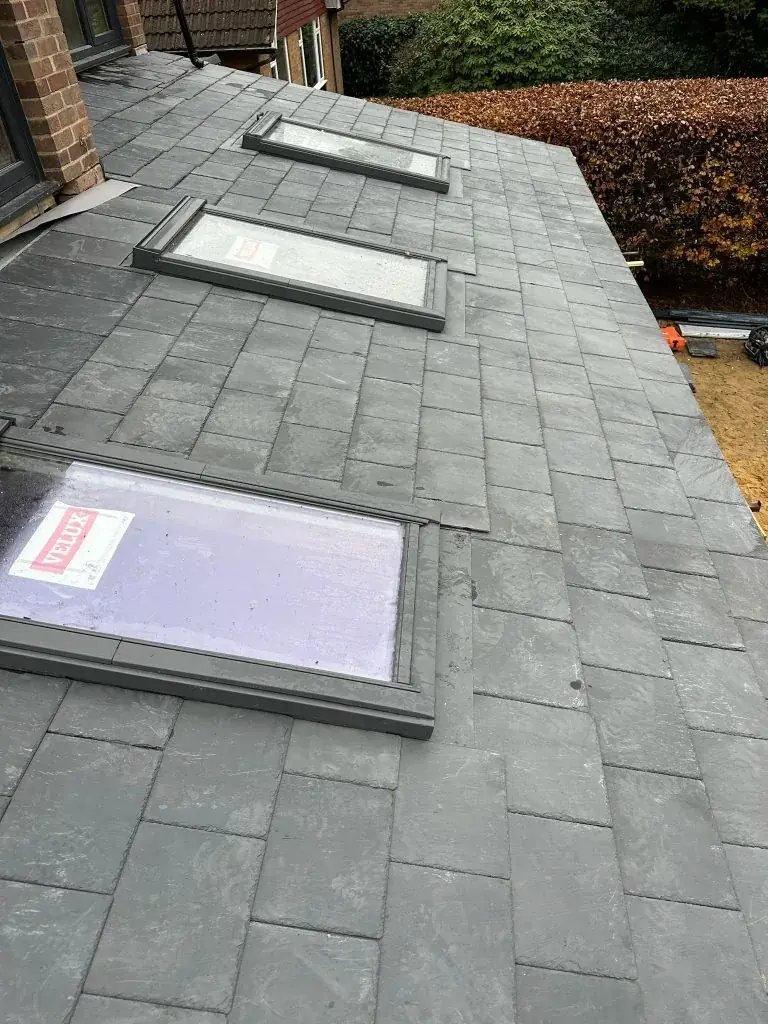
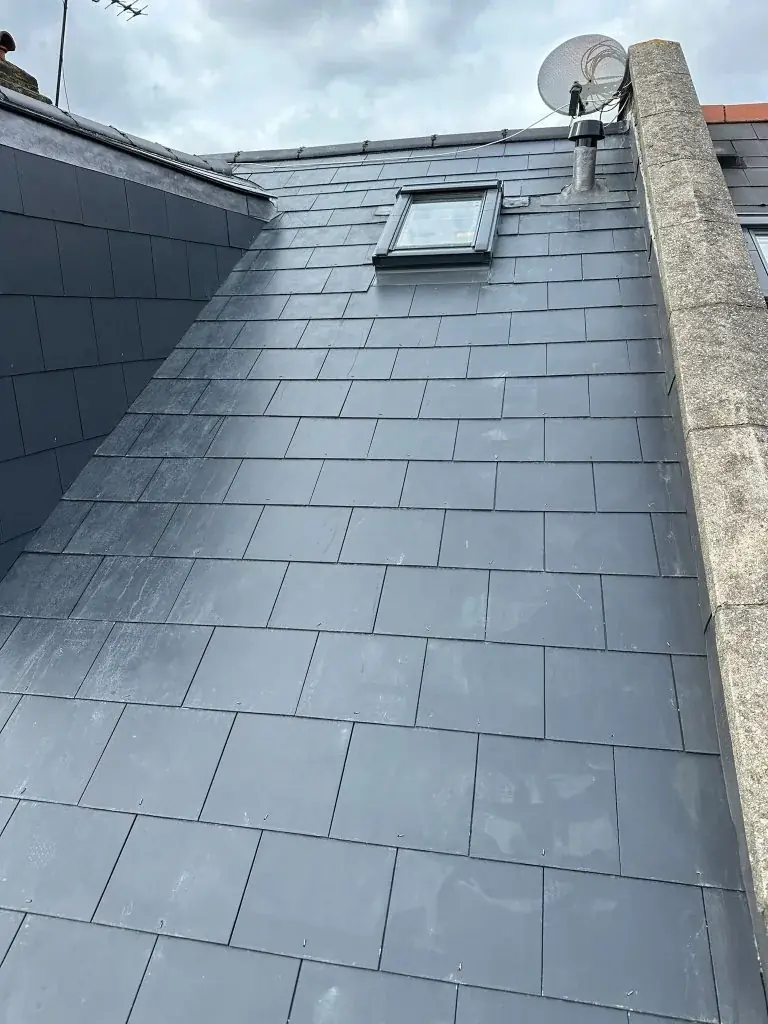
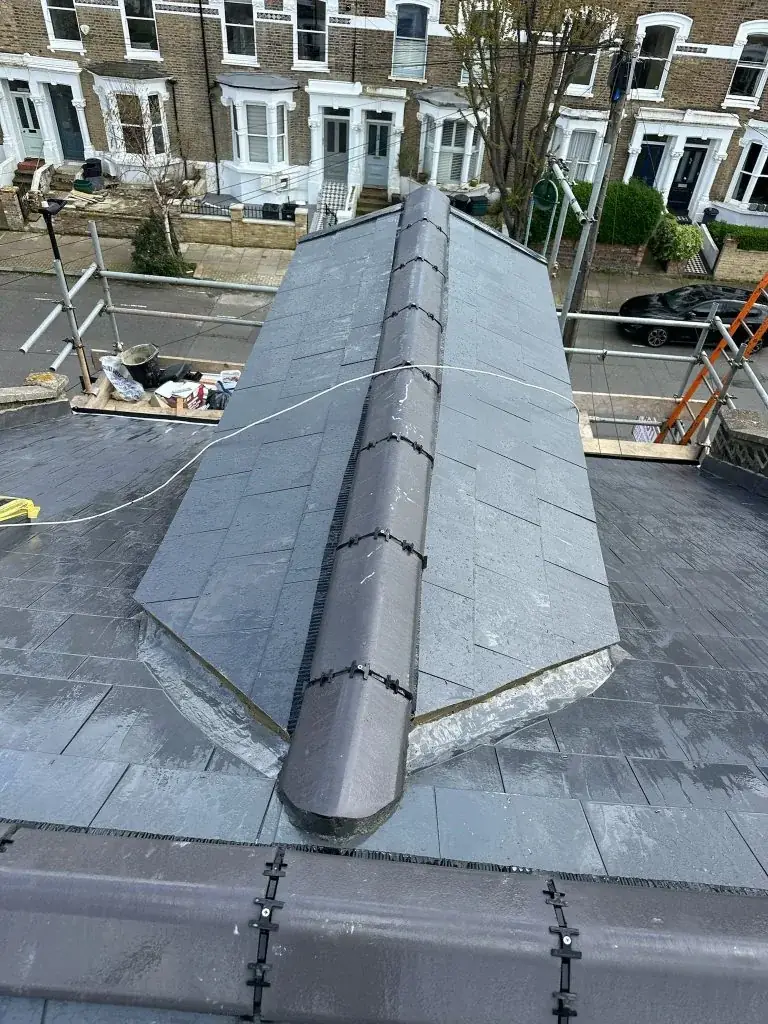
Flashing, abutments and rainwater junctions often decide whether a roof performs properly. They need to be checked alongside the covering because the failure may sit at the meeting point rather than on the main roof surface.
The written scope should also distinguish repair from alteration. A local patch, a more involved section of replacement and a roof change associated with a conversion are different jobs, and they should not be described as though they were the same.
Design checks
Four things we confirm before drawing roofing work.
- 01Investigation of accessible roof defects and an agreed repair scope.
- 02Work to suitable roof coverings, ridges and associated details where specified.
- 03Flashing, abutments and rainwater junctions considered alongside the covering.
- 04Roof alterations coordinated with loft-conversion design and structural requirements.
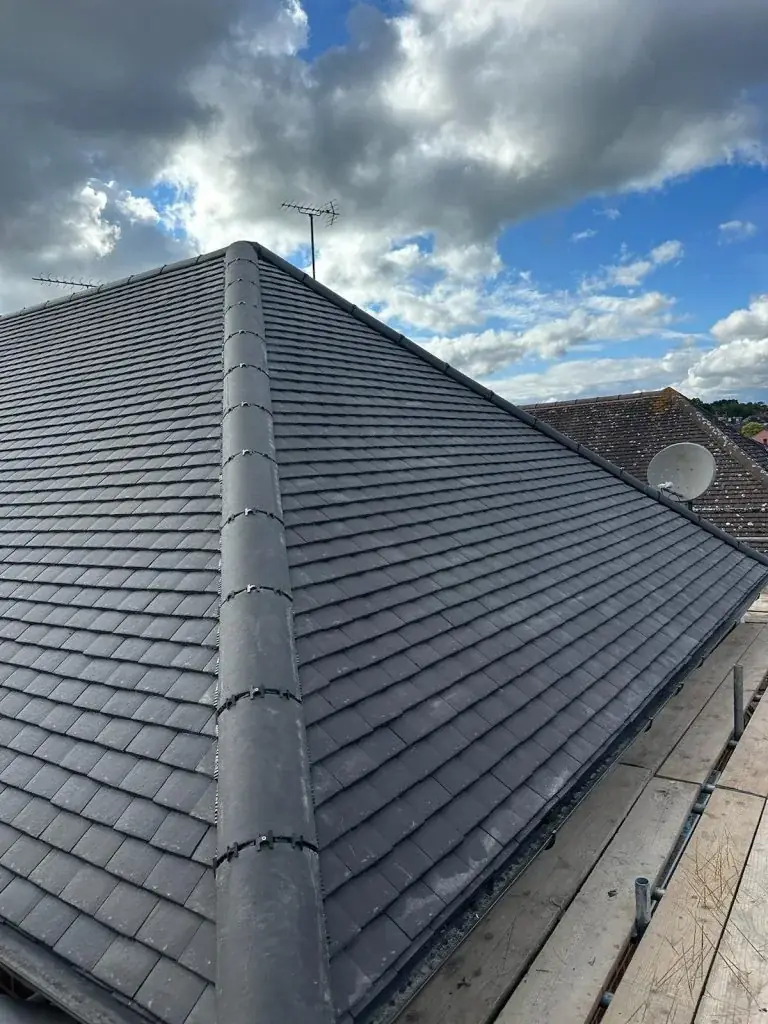
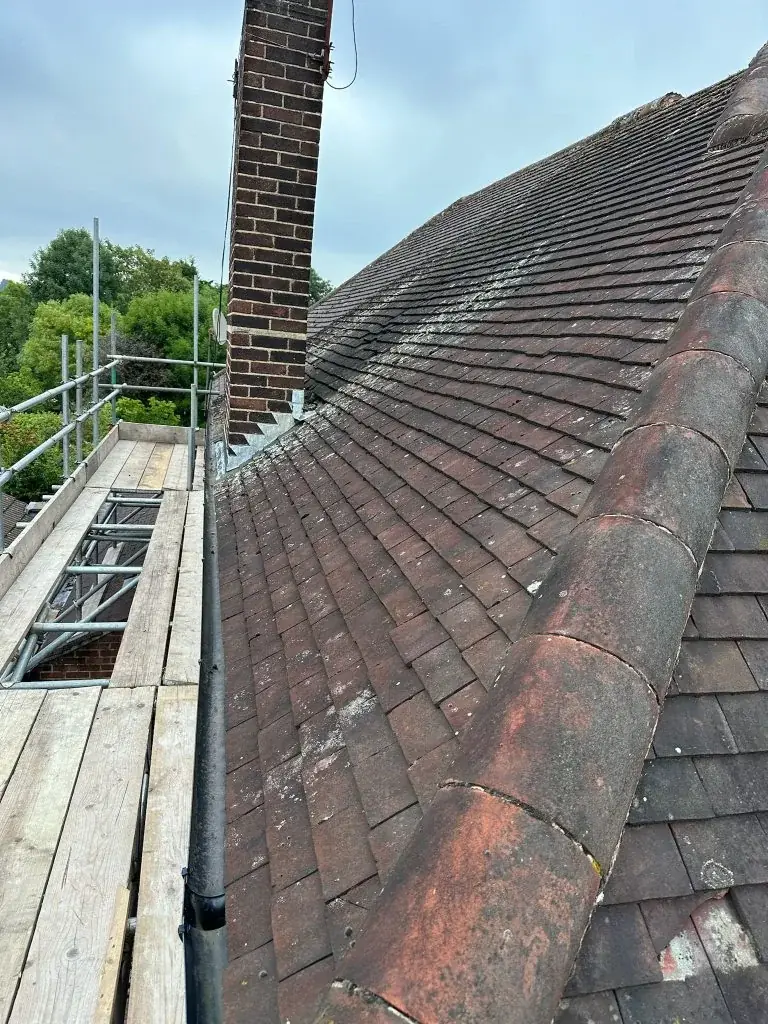
How is roof repair different from roof replacement in practical terms?
Repair deals with the faulty area or detail identified in the investigation, while replacement addresses a broader part of the roof covering or system. The right choice depends on condition, extent and whether the problem is local or more widespread.
Why do flashing and abutments matter so much?
They are the points where different materials meet and where water can find a path inside. If those details are not checked, a repair may miss the actual source of the leak even though the visible symptom is treated.
What should be agreed if roofing is linked to a loft conversion?
The structural implications, the roof form and the openings or alterations needed for the conversion should all be coordinated. That avoids later changes where a roof repair and a conversion design end up conflicting with each other.
Planning and project guidance
- Conservation areas FAQ | Design and conservation | London Borough of Hounslow
- GOV.UK · Planning permission
- GOV.UK · Building regulations approval
- GOV.UK · Party walls and building work
Check the current guidance for your address before relying on a planning route. This guide is not a planning decision or a verified local case study.
Other services in Chiswick








