
Hounslow · West London
Renderingin Chiswick.
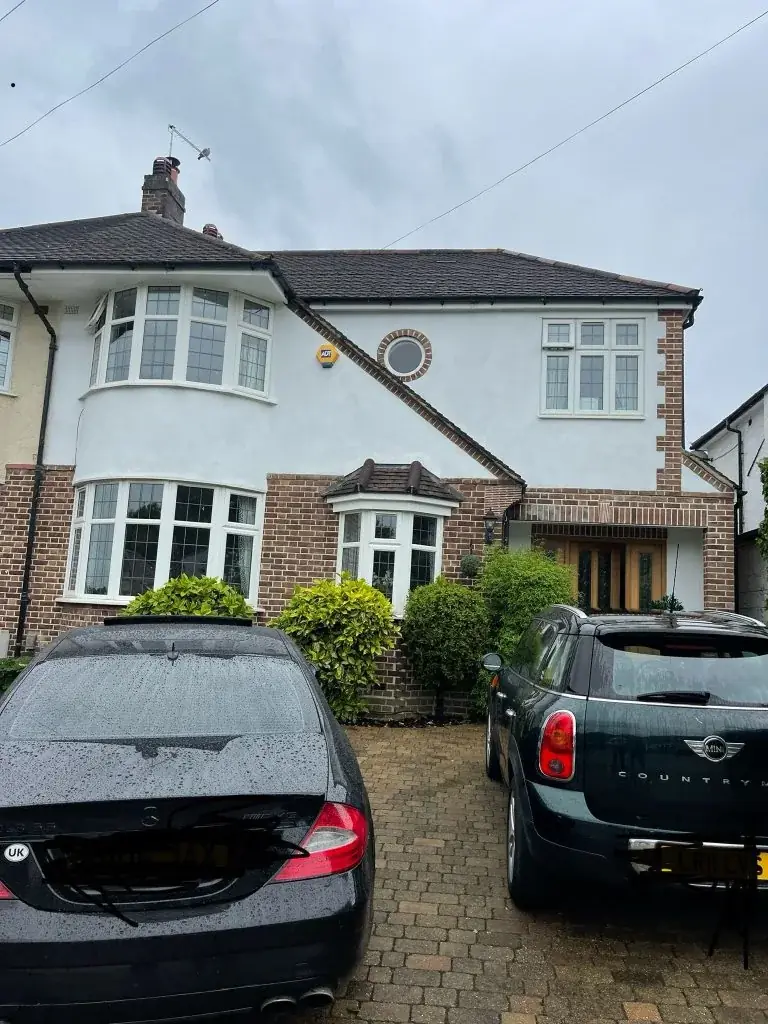
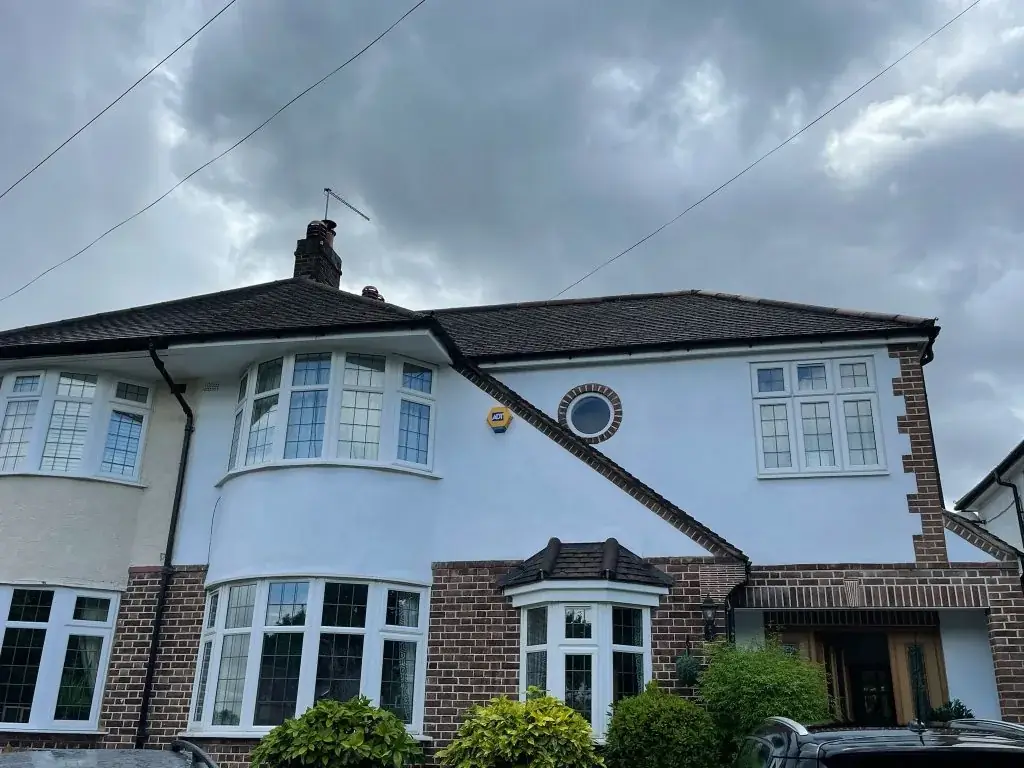
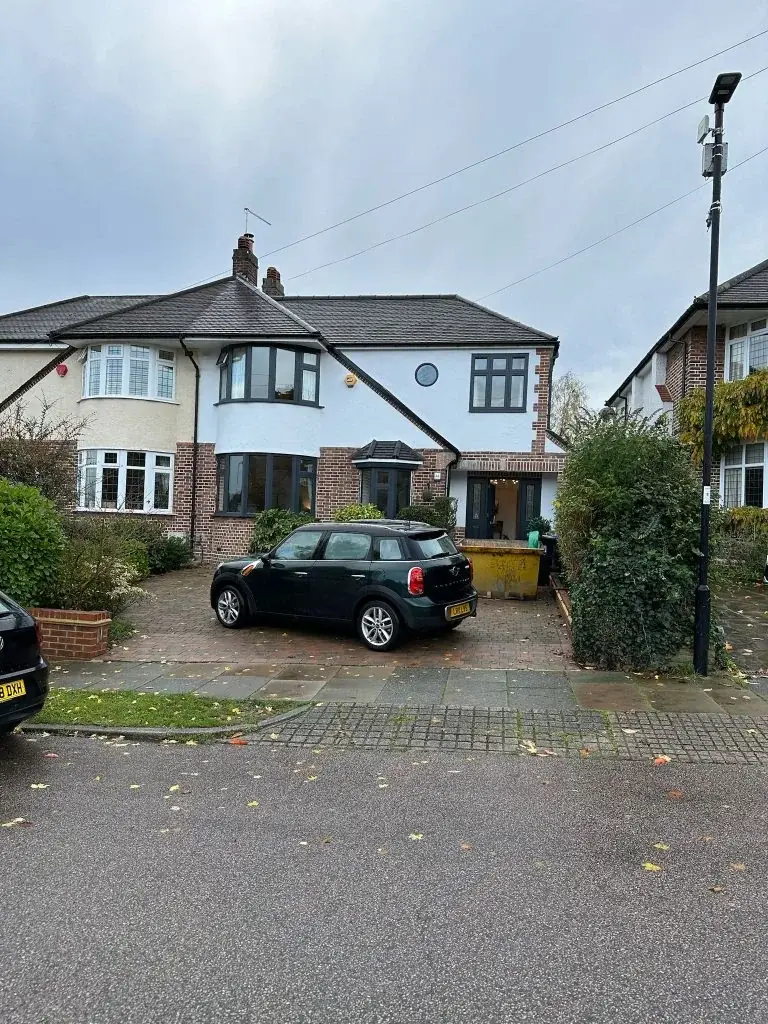
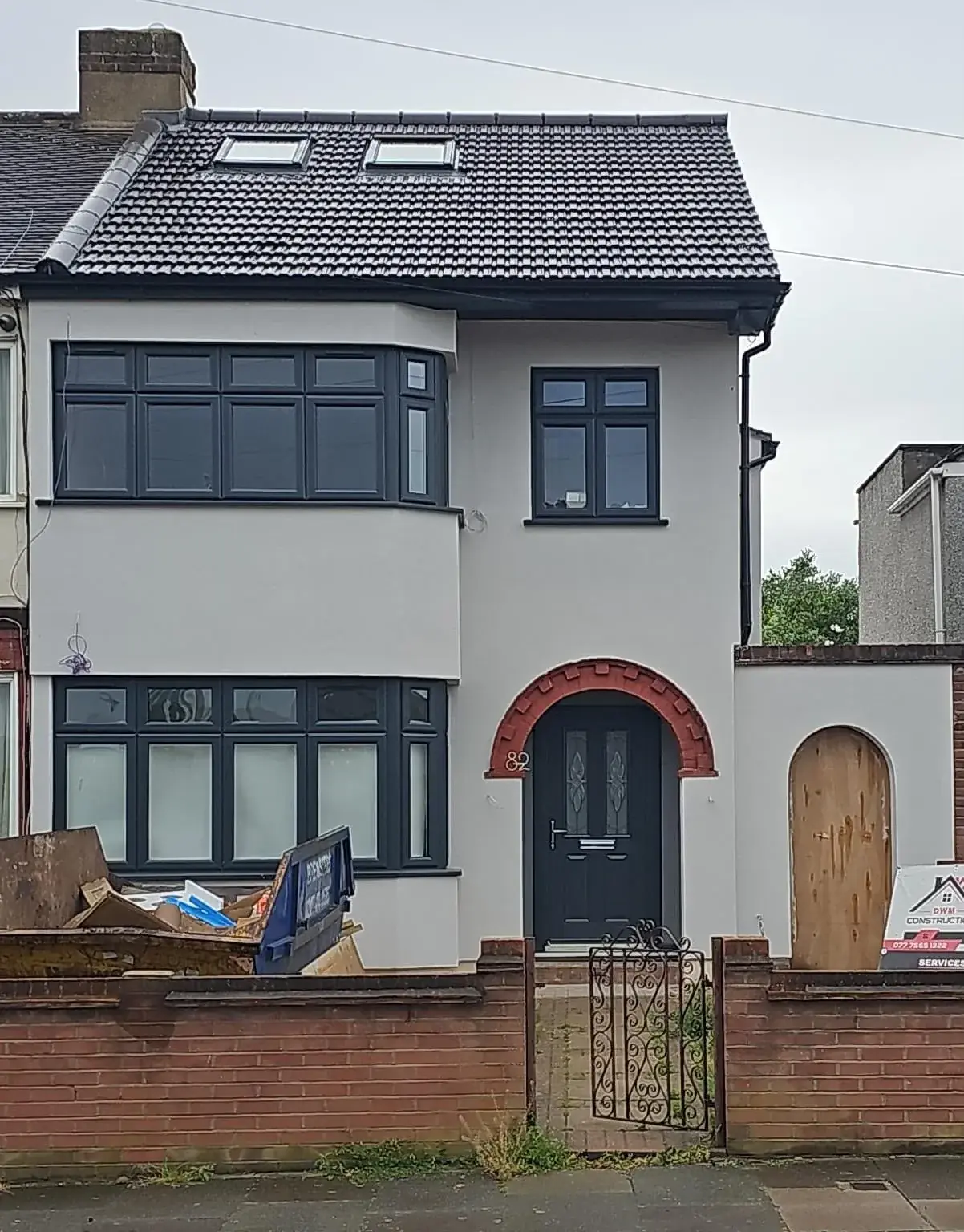
Rendering changes an exterior wall visibly, so the background, the existing finish and the junction details all matter. The right choice depends on the wall construction, any failed material and how the new surface will meet windows, roof edges and adjoining finishes.
- Service
- Rendering
- Neighbourhood
- Chiswick
- Borough
- Hounslow
- Next step
- Discuss your project
Your project brief
Check the wall before choosing the render system
The condition of the substrate should guide the work, because render is only as reliable as the wall behind it. If the existing surface is weak, damaged or incompatible with the proposed finish, the job may need preparation or removal before a new render system can be applied.
That assessment is especially important if the work is part of a wider exterior improvement. A render change can alter the look of the building significantly, so the materials and detail should be chosen for the existing wall rather than assumed to suit every surface.
Chiswick checks before any external render work
For a Chiswick address, the exact site should be checked against Hounslow Council’s planning position before exterior render work is treated as routine. The council’s guidance says conservation-area controls can affect external works, and Article 4(2) Directions may restrict certain exterior changes to single residential dwellings. Because rendering changes appearance, the site-specific route matters, and any listed-building character issue needs separate attention.
Design decisions
Pay attention to joints, edges and openings
Junctions around windows, doors, roof lines and adjoining materials are often where render problems begin. Those edges need to be considered in the scope because the finish has to move with the building without cracking or leaving awkward transitions.
If failed render is present, the decision is not always simply to patch it. Some areas may need removal and repair so the new work sits on a sound base. That is why the extent of preparation should be clear before the finish is chosen.
Design checks
Four things we confirm before drawing external rendering.
- 01Assessment and preparation of suitable external wall backgrounds.
- 02Removal or repair of failed render where the agreed approach requires it.
- 03Application of a specified render system with compatible details and finishes.
- 04Junctions around openings, roof edges and adjoining materials considered within the scope.
What should be checked before deciding to re-render a wall?
The wall’s condition, the existing finish and the junction details should all be checked. If the substrate is unstable or the present render has failed badly, the solution may need more preparation than a simple new coat.
Why do junctions matter so much in rendering?
Because edges around openings and roof lines are where water and movement often show first. If those details are not planned carefully, even a good-looking finish can fail earlier than expected.
Can render just be used to improve appearance?
Appearance is part of it, but the wall’s condition underneath still has to support the work. A render system should be selected for the background and the exterior exposure, not just for the visual effect.
Planning and project guidance
- Conservation areas FAQ | Design and conservation | London Borough of Hounslow
- GOV.UK · Planning permission
- GOV.UK · Building regulations approval
- GOV.UK · Party walls and building work
Check the current guidance for your address before relying on a planning route. This guide is not a planning decision or a verified local case study.
Other services in Chiswick








