
Hounslow · West London
Gardensin Chiswick.
A garden improvement works best when it is planned as part of the home, not as a separate afterthought. The practical decisions are about levels, movement, water and boundaries, because those are what make the space usable once the building work is complete.
- Service
- Gardens
- Neighbourhood
- Chiswick
- Borough
- Hounslow
- Next step
- Discuss your project
Your project brief
Start with levels, access and water movement
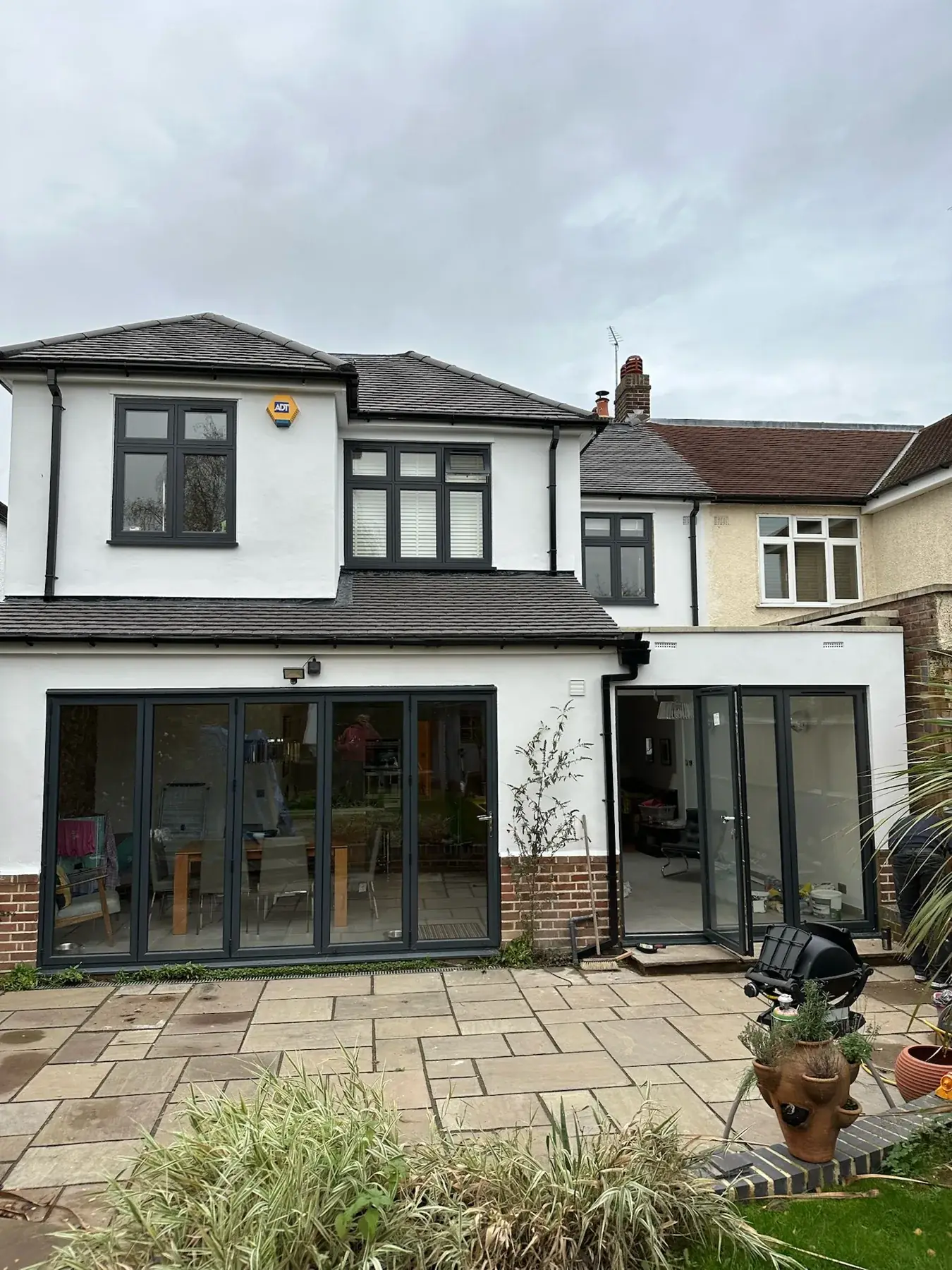
If the garden sits alongside a refurbishment, the outside work should be considered while the house layout is still being set. That helps with thresholds, paths and how the space drains away from the building. A tidy finish will not perform well if water is left to collect where people walk.
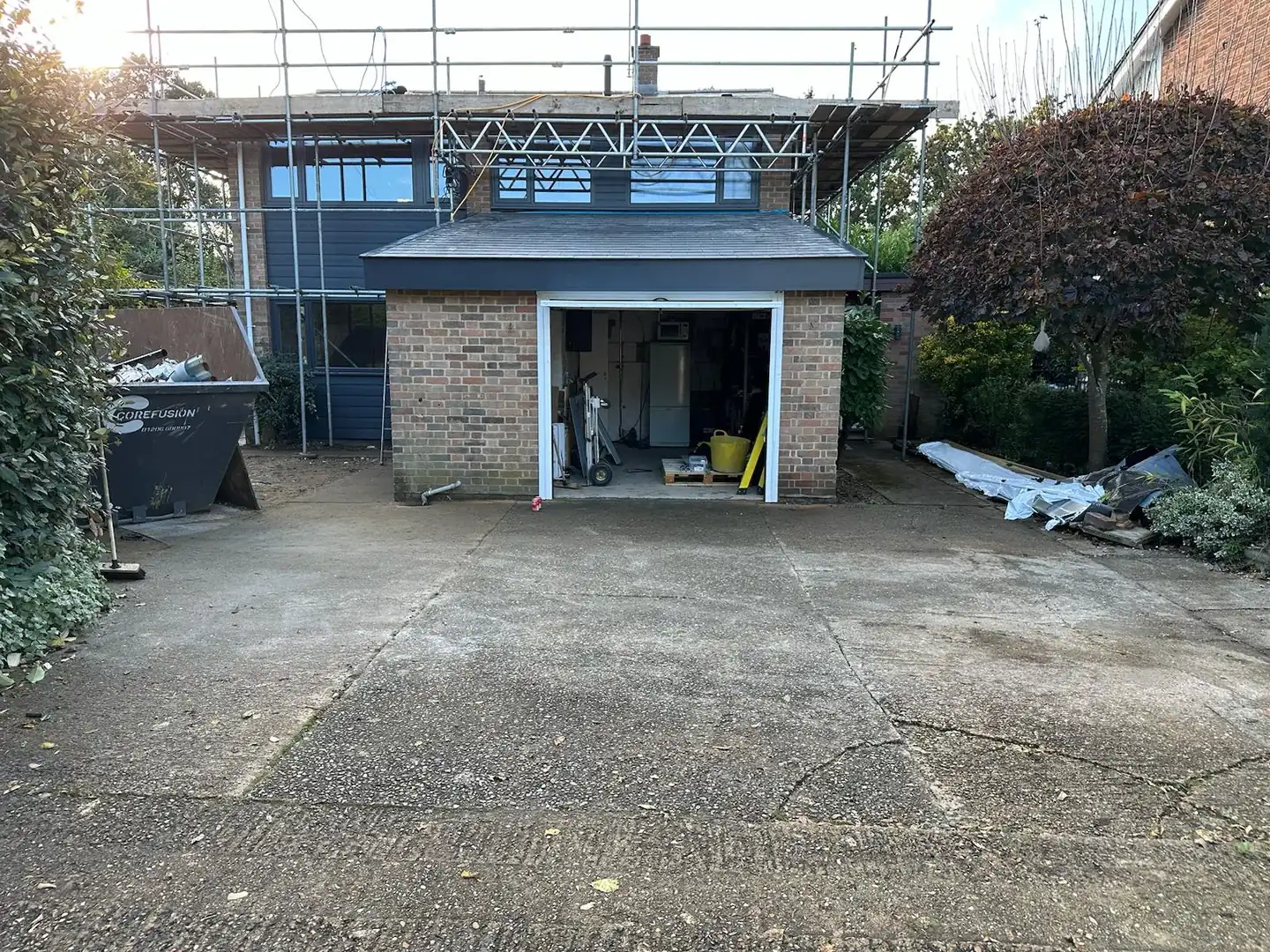
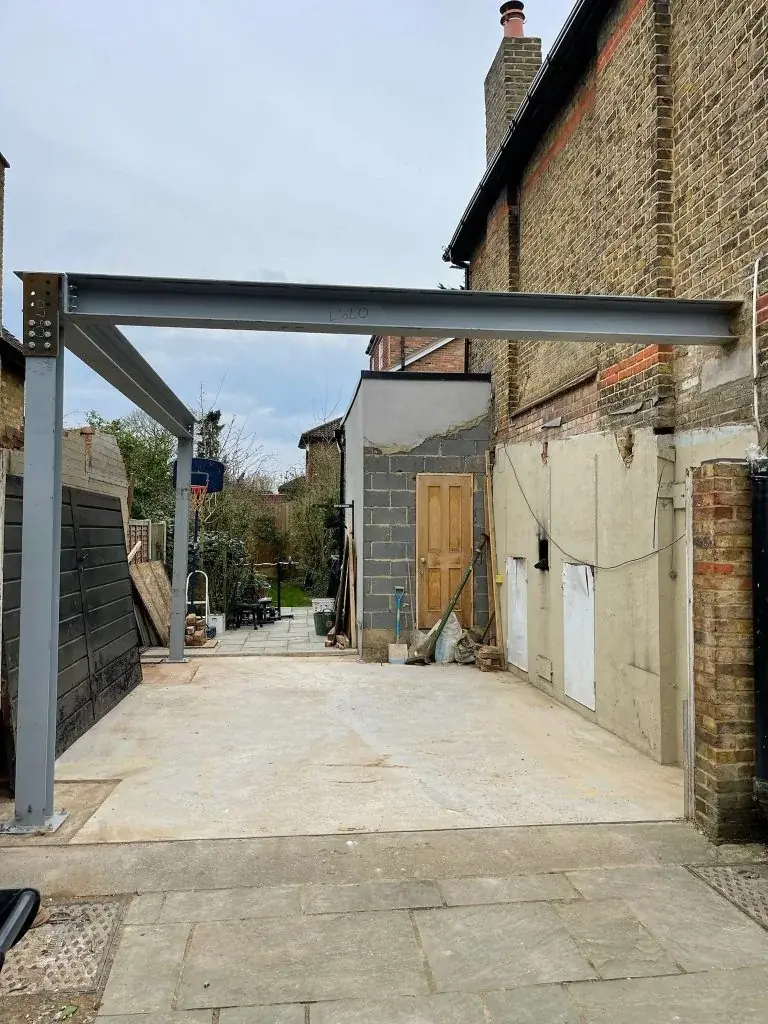
Access also matters. Materials, waste and any machinery need a route that does not damage the house or the neighbouring property. The design should reflect how the work will actually be carried out, not only how the finished garden will look.
Chiswick address checks for garden alterations
For a Chiswick property, Hounslow Council’s guidance means the exact address should be checked before any external alteration is treated as routine. The council says conservation-area controls can affect exterior works, and Article 4(2) Directions may restrict certain changes to single residential dwellings. Trees can also be subject to separate controls in conservation areas or by TPO, so planting, pruning and hard landscaping should be checked against the site itself rather than assumed from the neighbourhood name.
Design decisions
Match the garden to the way the home will be used
A possible brief might focus on a paved sitting area, safer movement to the rear of the house and a clearer boundary treatment. Another might prioritise planting, storage or a simple lawn. The point is to choose the work based on use, maintenance and the house it serves.
Where boundary features are involved, ownership and the line of responsibility should be established before anything is built or replaced. That keeps awkward disputes out of the works programme and avoids installing features that later need to be moved.
Design checks
Four things we confirm before drawing garden improvements.
- 01Patios, paths and areas of hard landscaping within an agreed design.
- 02Garden levels and surface-water arrangements assessed alongside the house.
- 03Boundary features, fencing and gates where access and ownership are established.
- 04Ground preparation, lawn or planting areas and making good after building work.
What garden decisions should be made before the first ground is opened?
Levels, drainage, access routes and boundary lines should all be clear first. Those are the elements that most affect how the work proceeds and whether the finished garden will behave well in wet weather and everyday use.
How should a garden relate to a house renovation?
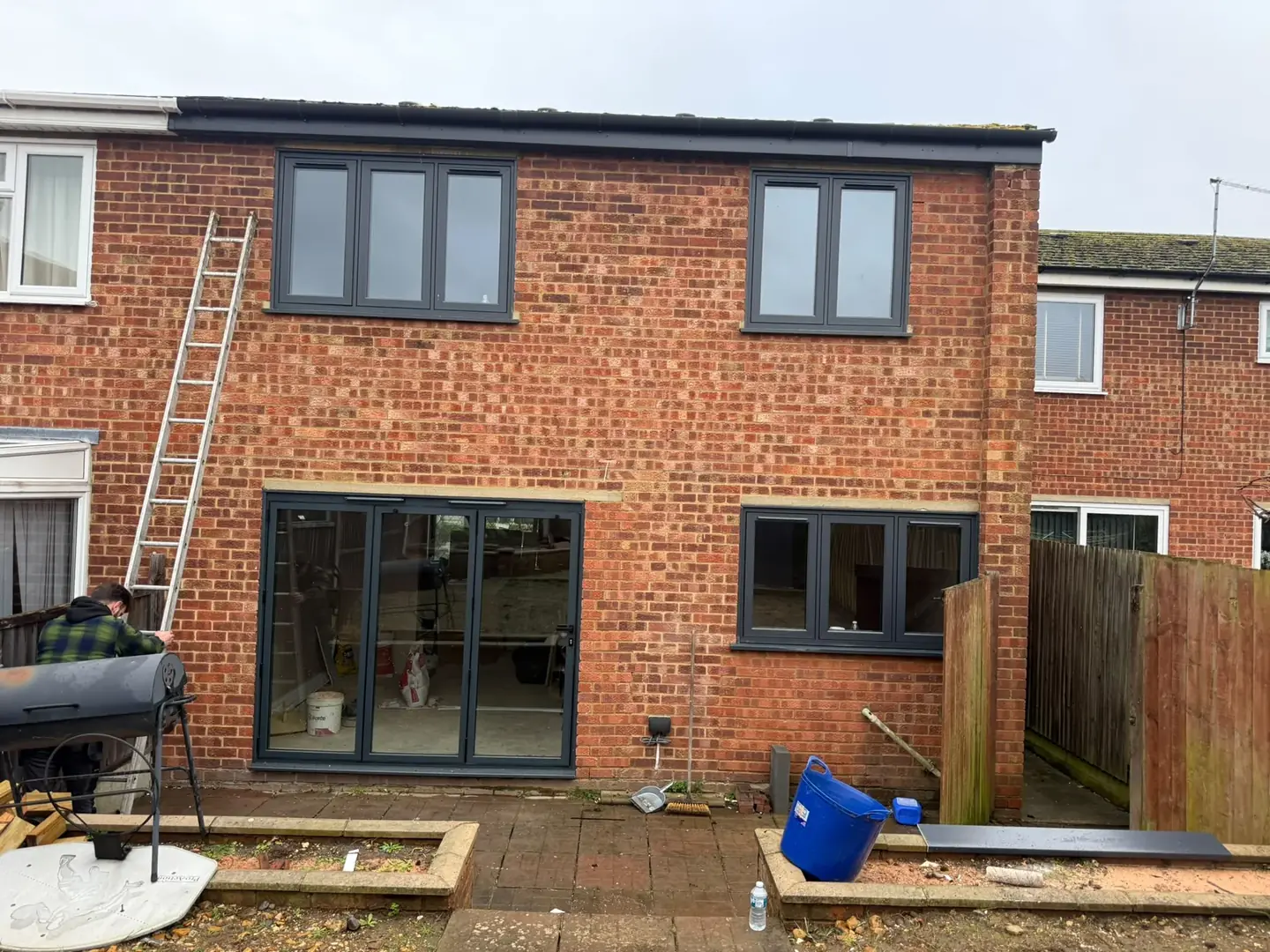
The external space should support how the home is used, especially if doors, thresholds or rear circulation are changing. If the house is being upgraded, the garden should be timed and detailed so it complements the building work rather than competing with it.
Why does ownership matter for fencing and gates?
Because boundary features sit on or near a line of responsibility. If that line is not established first, the job can create disputes or require reworking. It is better to confirm the position before any structure is ordered or fixed in place.
Planning and project guidance
- Conservation areas FAQ | Design and conservation | London Borough of Hounslow
- GOV.UK · Planning permission
- GOV.UK · Building regulations approval
- GOV.UK · Party walls and building work
Check the current guidance for your address before relying on a planning route. This guide is not a planning decision or a verified local case study.
Other services in Chiswick








