
Hackney · East London
Gardensin Clapton.
A garden works best when it complements the house rather than becoming an isolated afterthought. In Clapton, the key decisions are usually about access, levels and how the space will actually be used, whether that means a simple hard-landscaped area or a more settled outdoor room.
- Service
- Gardens
- Neighbourhood
- Clapton
- Borough
- Hackney
- Next step
- Discuss your project
Your project brief
Start with how the garden connects to the home
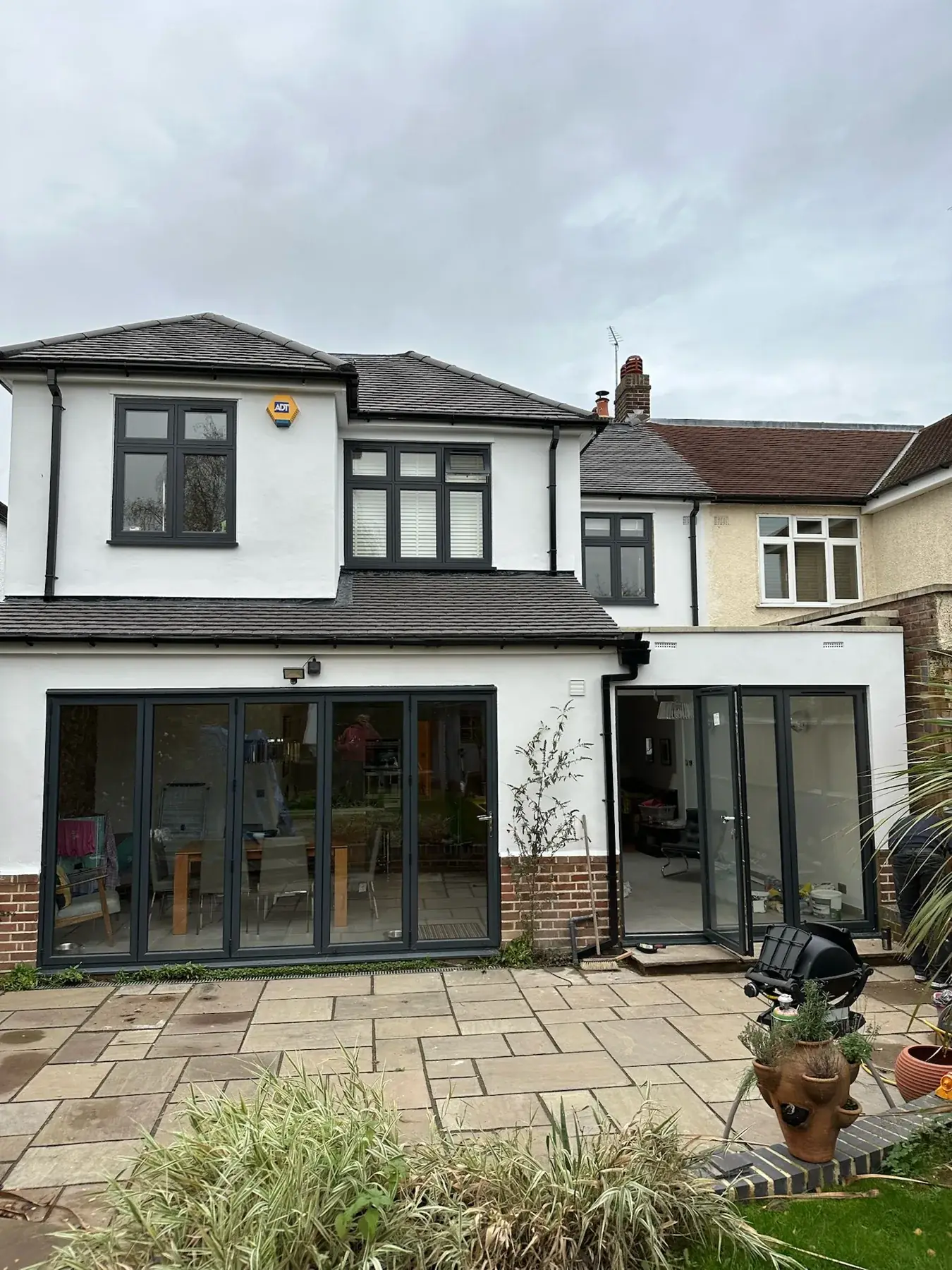
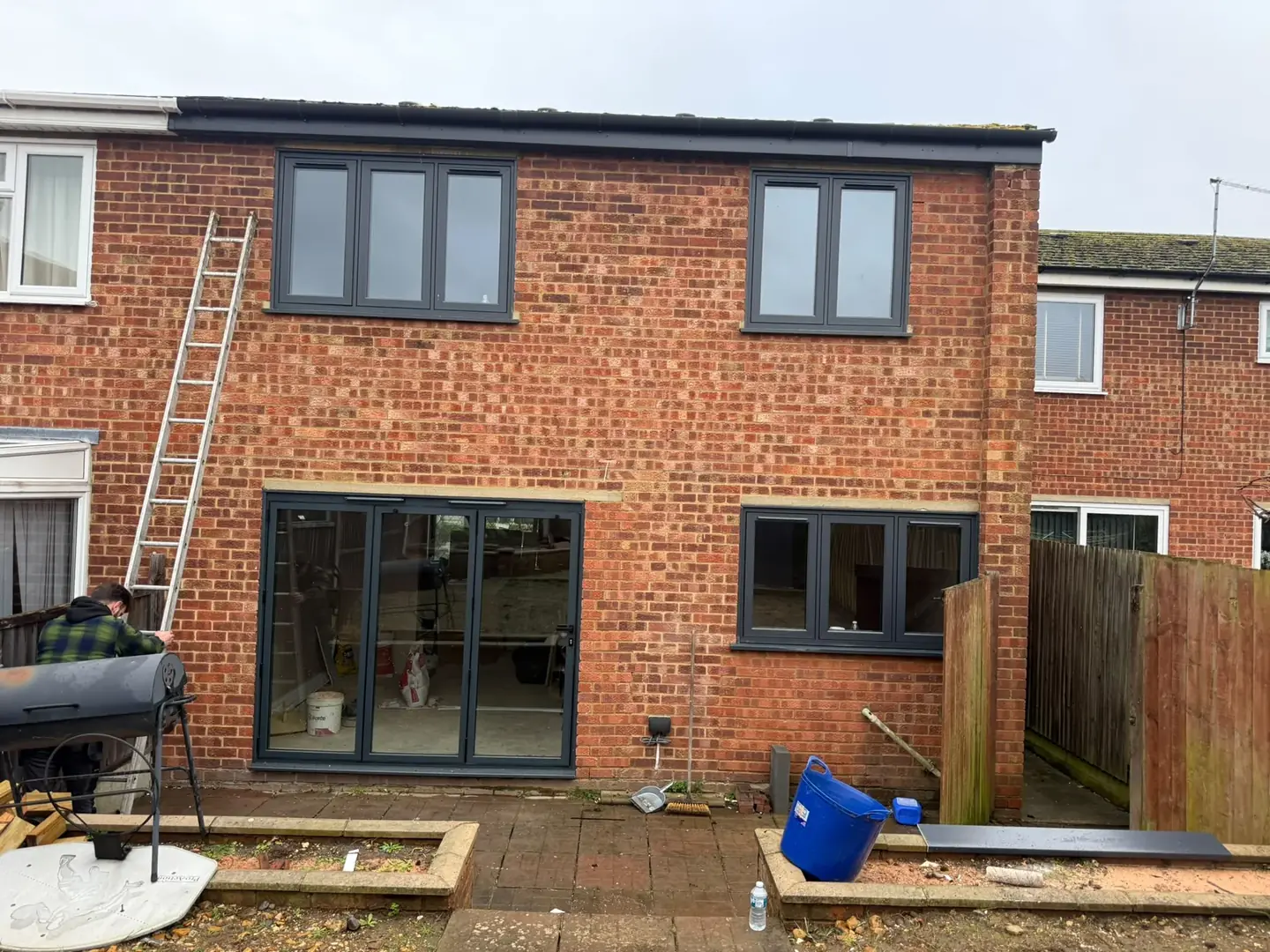
If the garden opens directly from a kitchen or living space, the transition matters. A change in level, a poor path route or awkward door access can make the outdoor area feel harder to use than it should. Planning the connection first helps the whole rear of the property work better.
The design should also reflect what the garden needs to do. A family space may need robust surfaces and easy movement, while a quieter garden may benefit from simpler paths and less visual clutter. The right choice is the one that supports use without overcomplicating the site.
Local address and conservation checks
Hackney Council provides conservation area maps and appraisals, including Clapton Common, Clapton Pond and Clapton Square. Those are useful when checking whether external changes to a particular property may need extra care, but they do not prove the status of every garden or every address in Clapton. The exact site must be checked before assuming any planning or heritage constraint.
Design decisions
Check drainage, boundaries and ground preparation
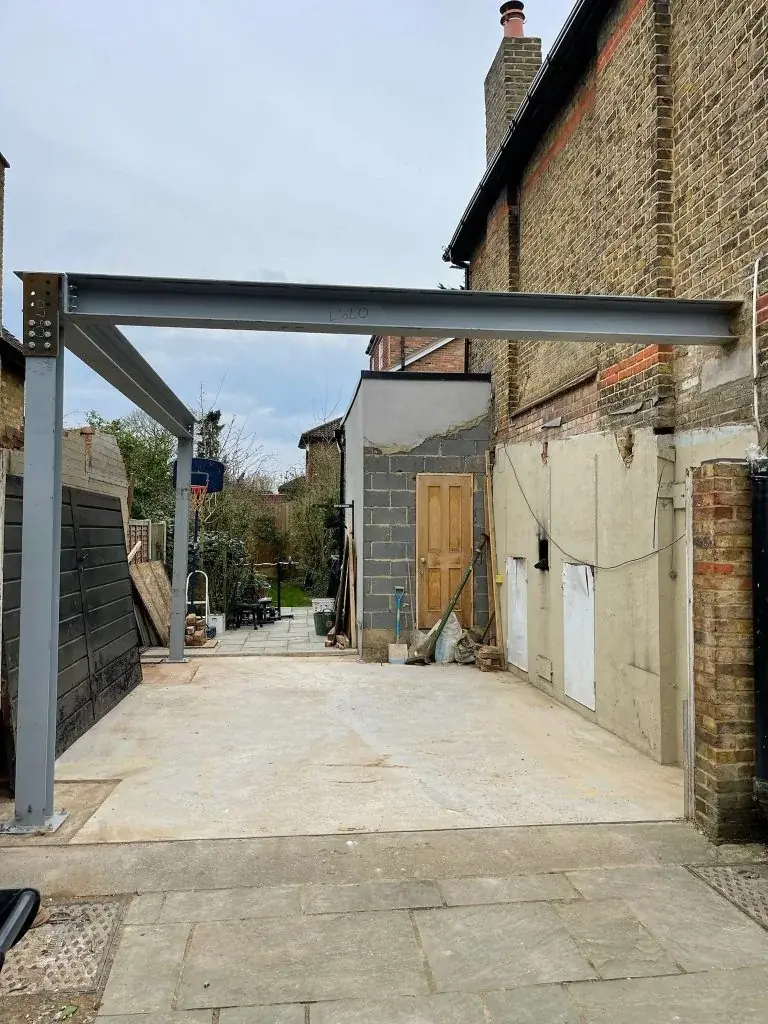
Outdoor works need more than a surface finish. Drainage and levels affect whether patios, paths and planted areas will stay serviceable, while boundary features and gates depend on clear ownership and access. Those points should be established before materials are set or excavation begins.
Ground preparation matters too, because a poor base can undermine even a good-looking scheme. If the garden is part of a larger renovation, it is often sensible to coordinate it with the house works so the final arrangement feels complete rather than patched together at the end.
Design checks
Four things we confirm before drawing garden improvements.
- 01Confirm how the garden connects to the house and where access is needed.
- 02Check levels, drainage and surface-water handling before choosing finishes.
- 03Establish boundary responsibility before adding fences or gates.
- 04Prepare the ground properly so the final surface has a stable base.
How do I decide whether a garden should be hard landscaped or kept simpler?
That depends on how the space will be used and how much maintenance you want to accept. A practical brief should start with the daily use of the garden, then match the surface and planting to that pattern.
Do garden improvements need to be planned with the house works?
Often they should be, especially if doors, levels or rear access are changing. Coordinating the two helps the outside space feel connected to the home rather than left as a separate afterthought.
What is the main risk if drainage is overlooked?
You can end up with standing water, awkward slopes or surfaces that do not wear well. Good drainage and correct levels are part of the build quality, not just a technical extra.
Planning and project guidance
- Conservation areas | Hackney Council
- GOV.UK · Planning permission
- GOV.UK · Building regulations approval
- GOV.UK · Party walls and building work
Check the current guidance for your address before relying on a planning route. This guide is not a planning decision or a verified local case study.
Other services in Clapton








