
Hackney · East London
Plumbingin Clapton.
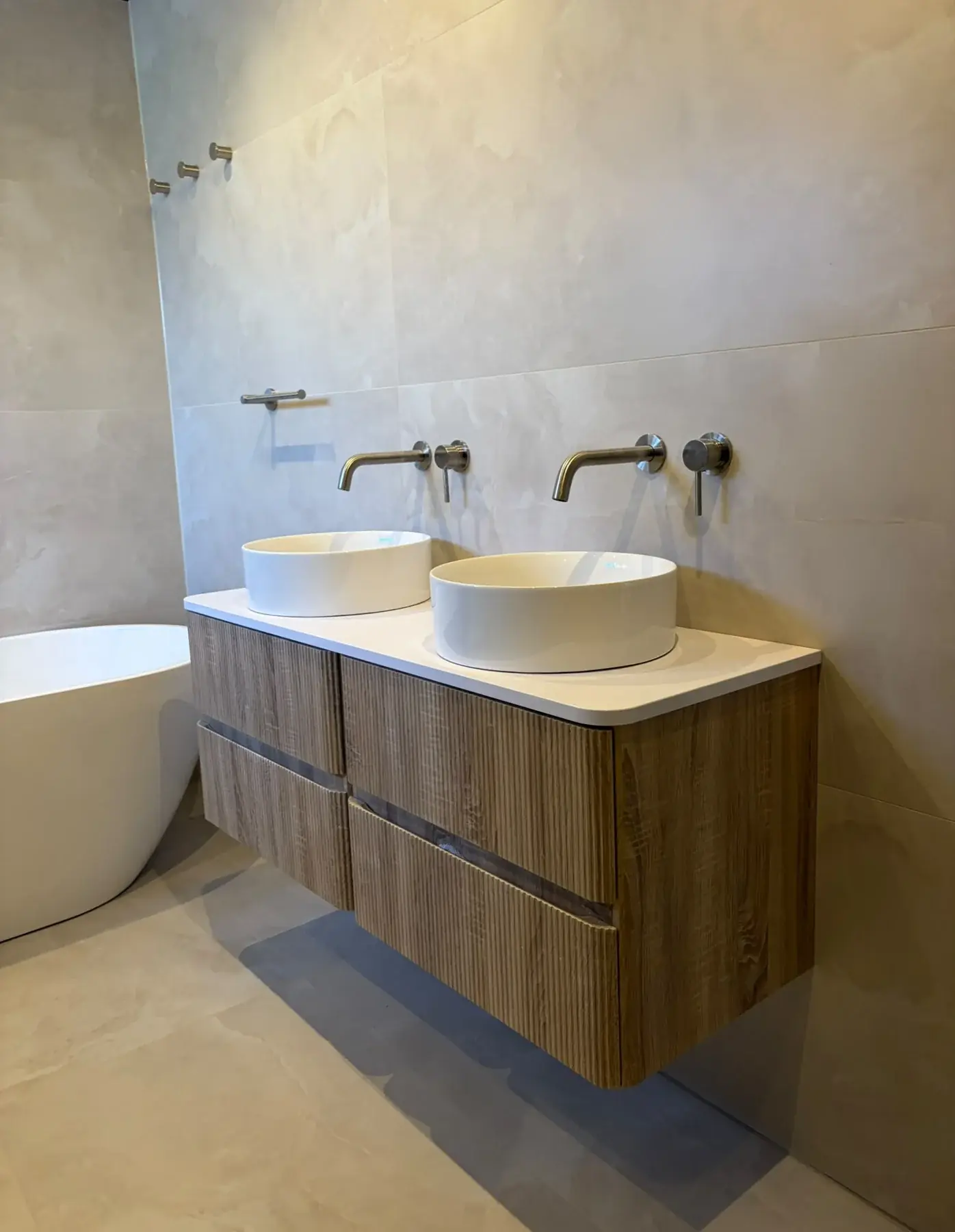
Plumbing decisions shape more than where the sink or bath ends up. They affect how pipework runs, how much of the room must be opened and how the rest of the renovation is sequenced. In Clapton, that makes planning essential before walls are closed and finishes go in.
- Service
- Plumbing
- Neighbourhood
- Clapton
- Borough
- Hackney
- Next step
- Discuss your project
Your project brief
Treat the pipework as part of the layout
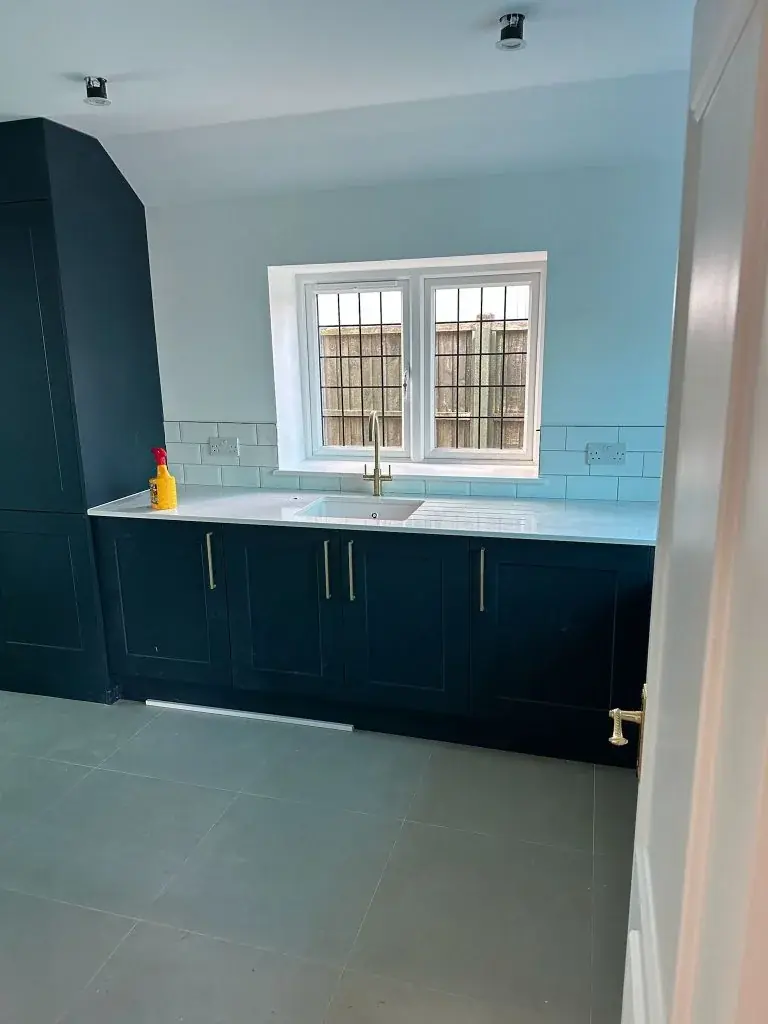
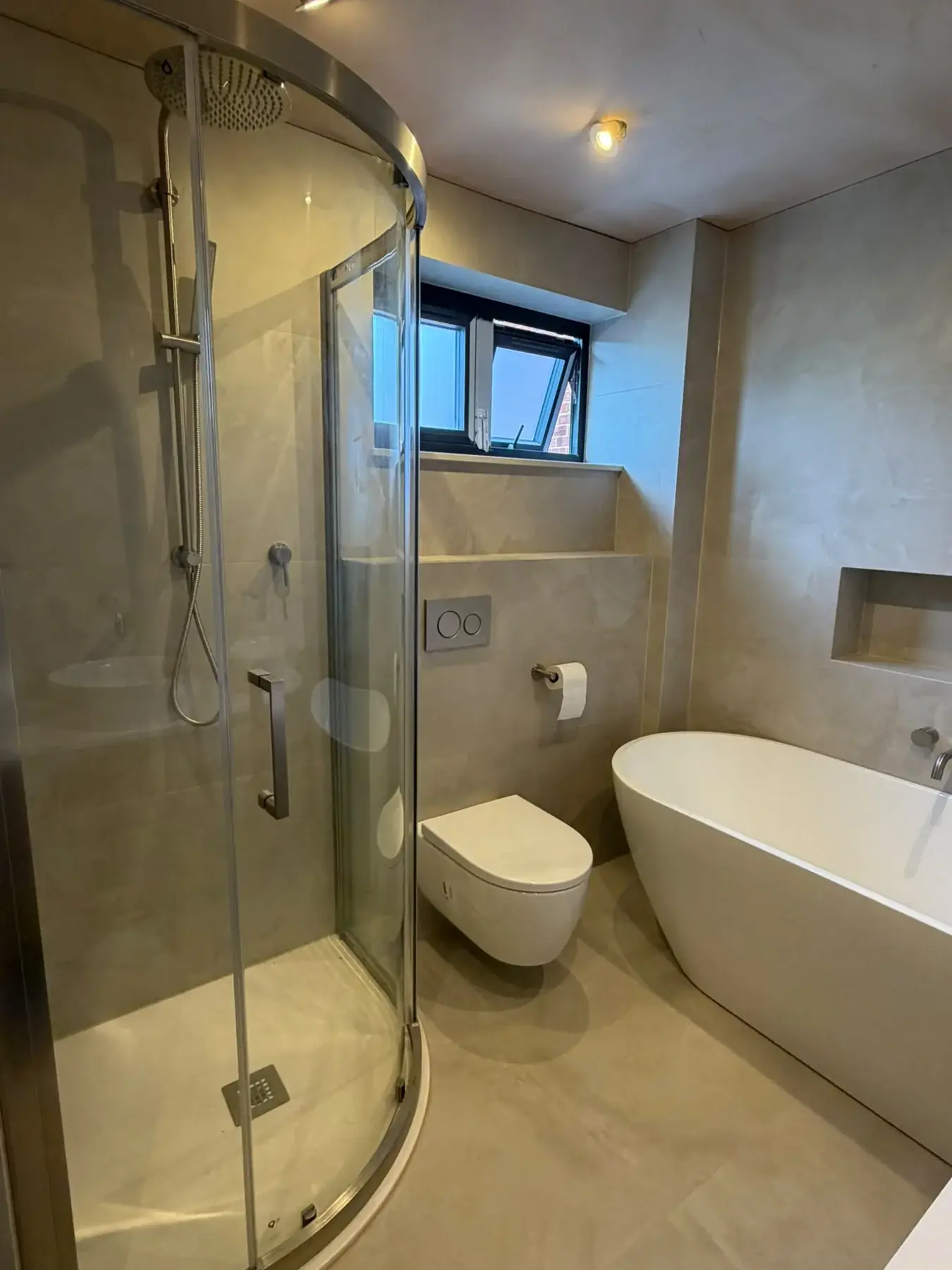
Moving a sink, changing a bathroom or reorganising a kitchen is really a layout question as much as a plumbing one. Water supplies and waste routes have to work in the real building, not just on paper. That is why the arrangement of fittings should be considered alongside access and the condition of the existing pipework.
If the new layout reduces pipe length or avoids awkward crossings, it can make the room easier to build and service later. If it creates unnecessary complication, the visible change may not justify the hidden work. The right answer depends on the full route, not only on the position of the tap or appliance.
Use the local planning context as a check, not an assumption
Hackney Council’s conservation pages list several Clapton-related areas, including Clapton Common, Clapton Pond and Clapton Square. Those entries are useful background, but they do not mean every property in Clapton has the same status. The exact address should be checked before assuming whether external changes, or work affecting a listed building’s character, need extra consent.
Design decisions
Plan first-fix and second-fix around the wider job
Plumbing often sits between the structural and finishing stages. First-fix work needs space before plastering, tiling or flooring. Second-fix comes later, when the room is ready for the fittings and visible connections. Coordinating those stages avoids reopening finished surfaces or leaving gaps in the programme.
If issues are suspected in accessible pipework, they should be investigated within the agreed scope rather than guessed at. That keeps the job focused and helps avoid unwanted surprises once work has started.
Design checks
Four things we confirm before drawing plumbing work.
- 01Map water supply and waste routes against the proposed layout.
- 02Agree what pipework is visible, hidden or to be replaced.
- 03Sequence first-fix work before closing walls and floors.
- 04Include access for testing, maintenance and any agreed investigation.
Can plumbing be changed after the room layout is chosen?
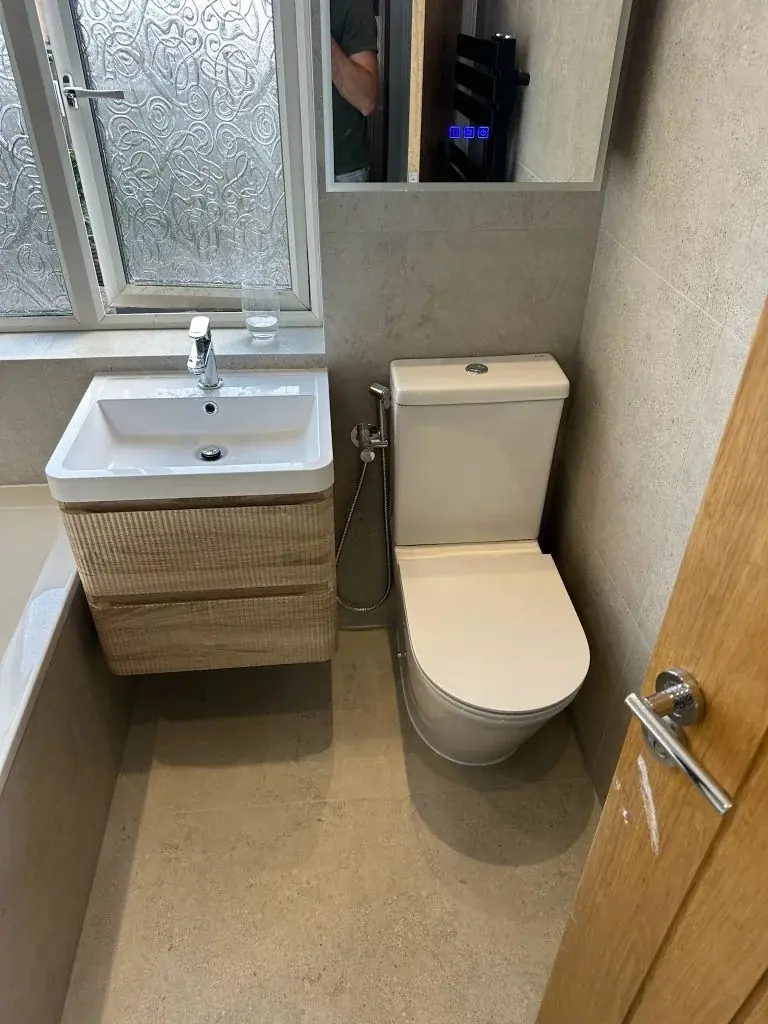
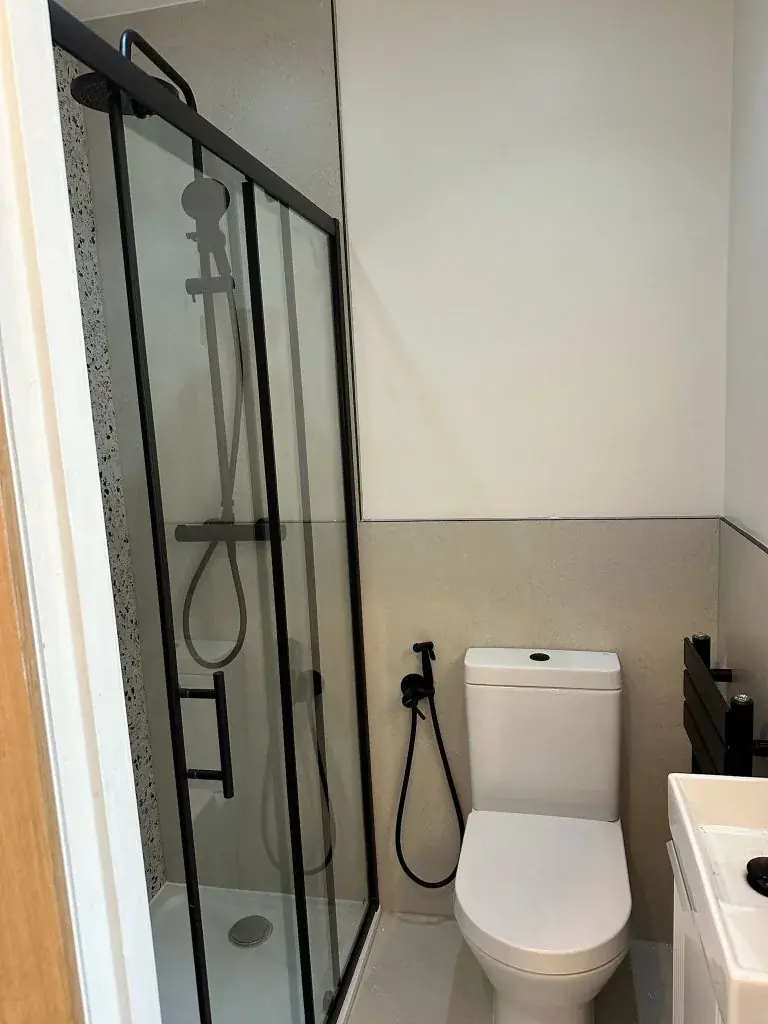
Sometimes, but the best results come when plumbing is considered at the same time as the layout. That way the position of fixtures, the route of the pipes and the construction sequence can be aligned before the room is closed up.
Why does existing pipe condition matter so much?
Because old or awkward pipework can affect both performance and access. If it needs replacement or alteration, that work may need to be built into the refurbishment rather than treated as a minor add-on.
What should be clear before plumbing work begins?
The scope should say what is being altered, what connections are included and how the work fits with other trades. That reduces confusion when the room reaches the making-good and finishing stages.
Planning and project guidance
- Conservation areas | Hackney Council
- GOV.UK · Planning permission
- GOV.UK · Building regulations approval
- GOV.UK · Party walls and building work
Check the current guidance for your address before relying on a planning route. This guide is not a planning decision or a verified local case study.
Other services in Clapton








