
Hackney · East London
Renderingin Clapton.
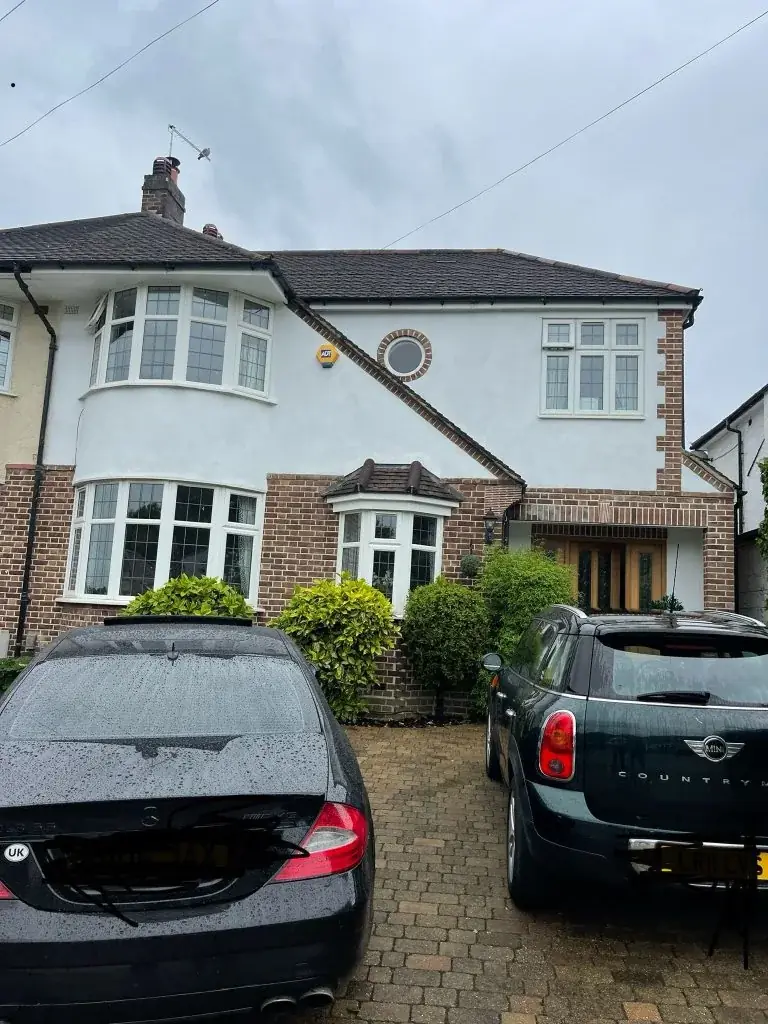
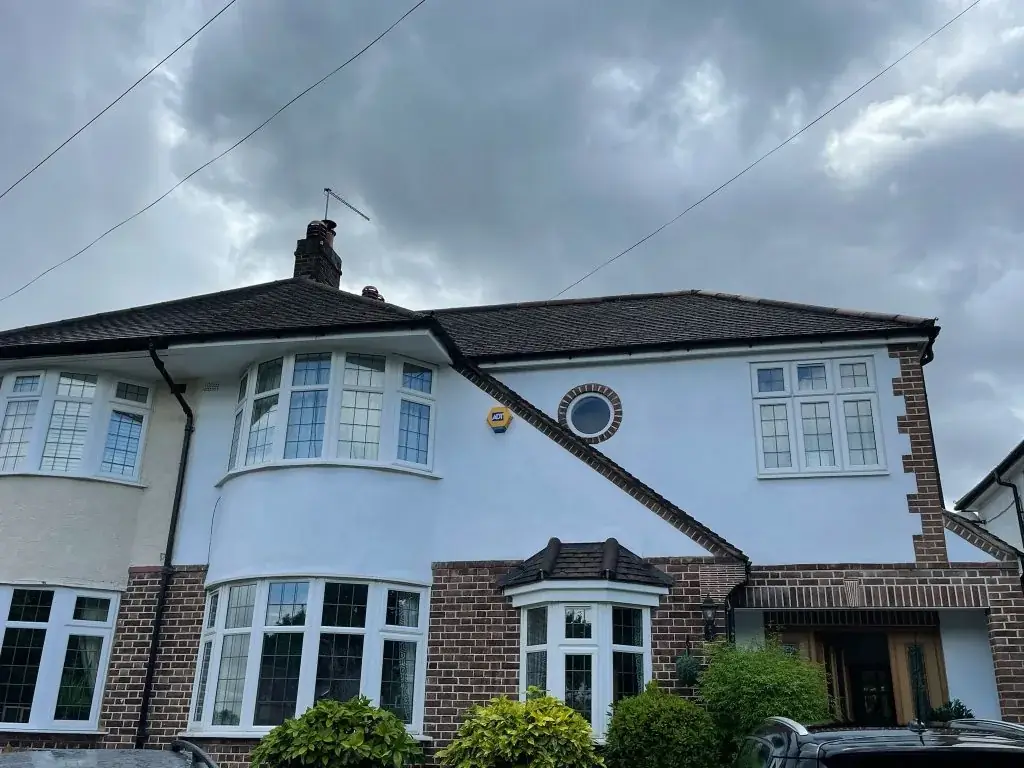
Rendering changes the way a home reads from the outside, but the finish only performs well if it suits the wall beneath it. In Clapton, that means checking the existing surface, any repairs needed and the details around openings and junctions before choosing a system.
- Service
- Rendering
- Neighbourhood
- Clapton
- Borough
- Hackney
- Next step
- Discuss your project
Your project brief
Match the render to the wall condition
Rendering is not just a cosmetic coat. The underlying wall, previous finish and any failed areas all affect what system is appropriate. If the background is unstable or incompatible with the proposed finish, the work needs to address that first rather than simply covering it over.
A sensible brief therefore starts with inspection and preparation. That may include local repair, removal of failed sections or adjustments to the detail around edges and openings so the new render can sit properly and last as intended.
Clapton heritage checks before external work
Hackney Council’s conservation pages list several Clapton-related areas, including Clapton Common, Clapton Pond and Clapton Square. That information is helpful when checking whether a particular property may need extra care for external changes, but it does not prove the status of every address. The exact site must be checked before assuming a restriction, and listed buildings may need separate consent if the work affects character.
Design decisions
Check the external details that control performance
The visible wall is only part of the story. Junctions with roofs, windows and adjoining materials are often where problems begin, so those edges need to be included in the scope. If they are left vague, moisture or cracking can reappear even when the main field of the wall looks fine.
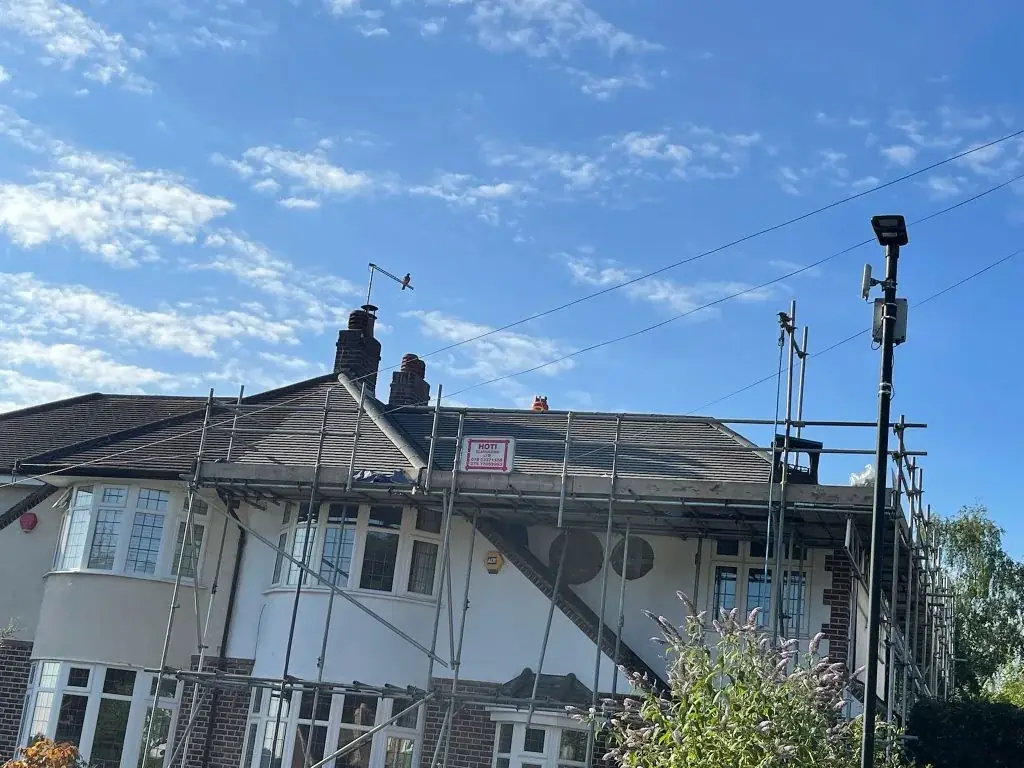
A render job should also be sized to the building’s access and exposure. Some elevations are more open to weather than others, so the choice of materials and making-good strategy should reflect the conditions the wall actually faces.
Design checks
Four things we confirm before drawing external rendering.
- 01Assess the wall background before choosing a render system.
- 02Include failed sections, repairs and preparation in the scope.
- 03Check junctions around openings, roof edges and adjoining materials.
- 04Confirm access and exposure for each external elevation.
Can render just be applied over the existing finish?
Only if the existing surface and system are suitable. The condition of the wall and the compatibility of the materials matter, so the background needs checking before any new finish is chosen.
Why are junctions so important on an external wall?
Because many defects start where materials meet. Openings, roof edges and adjoining surfaces all need careful detailing if the render is to perform well and not fail at the edges.
Does an external render job need the same checks everywhere on the house?
Not necessarily, because exposure and access can vary by elevation. The scope should identify which walls are included and what each one needs, rather than treating the whole exterior as one uniform surface.
Planning and project guidance
- Conservation areas | Hackney Council
- GOV.UK · Planning permission
- GOV.UK · Building regulations approval
- GOV.UK · Party walls and building work
Check the current guidance for your address before relying on a planning route. This guide is not a planning decision or a verified local case study.
Other services in Clapton








