
Hackney · East London
Roofingin Clapton.
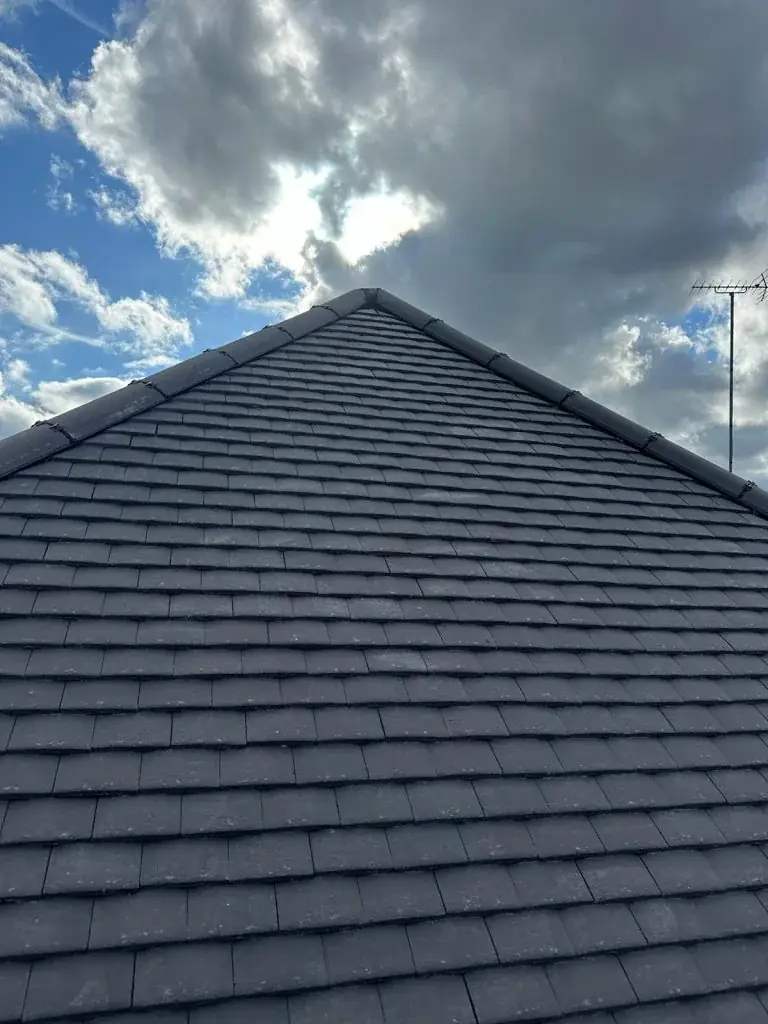
A roof leak is not always solved by changing the obvious broken part. In Clapton, good roofing decisions start with the cause, not just the visible symptom, because coverings, junctions, flashing and drainage can all play a part in how water gets in.
- Service
- Roofing
- Neighbourhood
- Clapton
- Borough
- Hackney
- Next step
- Discuss your project
Your project brief
Investigate the route of the problem first
Roofing work should begin with what can be seen safely and what is known about the defect. A damp patch inside may relate to a tile, but it may also come from flashing, an abutment or a rainwater junction. Identifying the likely route of water is the key to choosing the right repair scope.
That is why it helps to separate an isolated repair from a larger roof replacement or alteration. If the problem is local, a targeted fix may be enough. If the covering or underlying condition is more widespread, a broader scope may be more sensible than repeated patching.
Local checks for Clapton roof work
Hackney Council’s conservation area information includes Clapton Common, Clapton Pond and Clapton Square, which may be relevant if roof changes are visible from the street or affect a listed building’s character. Those references do not prove the status of any individual house, so the exact address must be checked before assuming a planning or heritage requirement.
Design decisions
Keep roof work distinct from a loft conversion
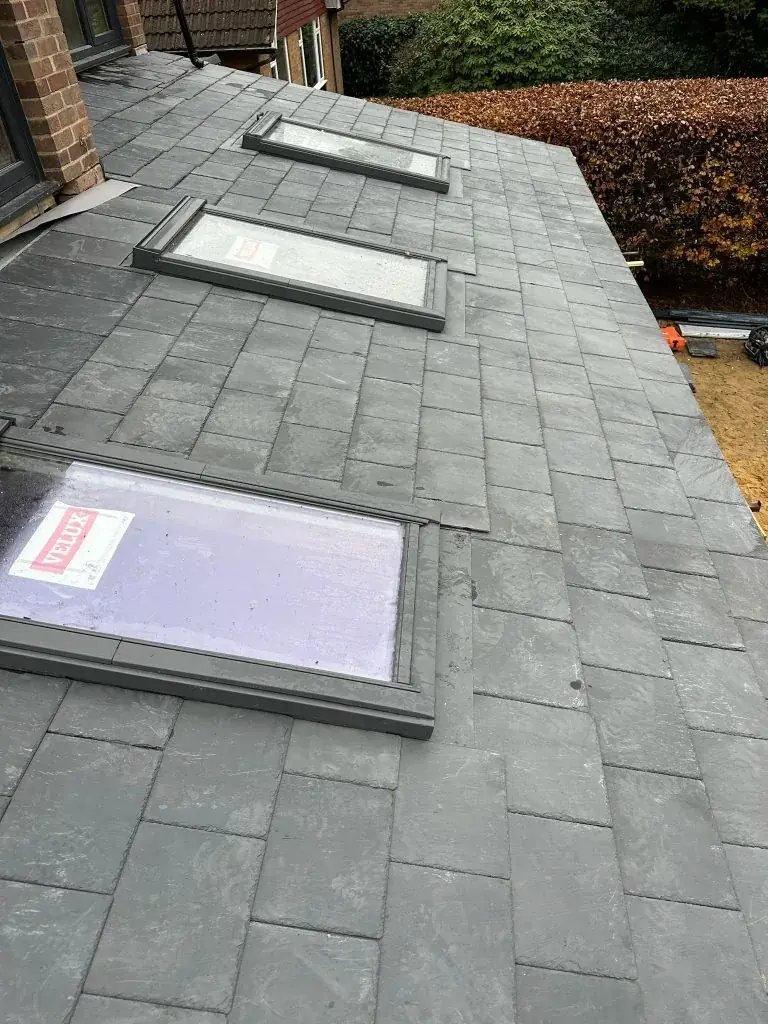
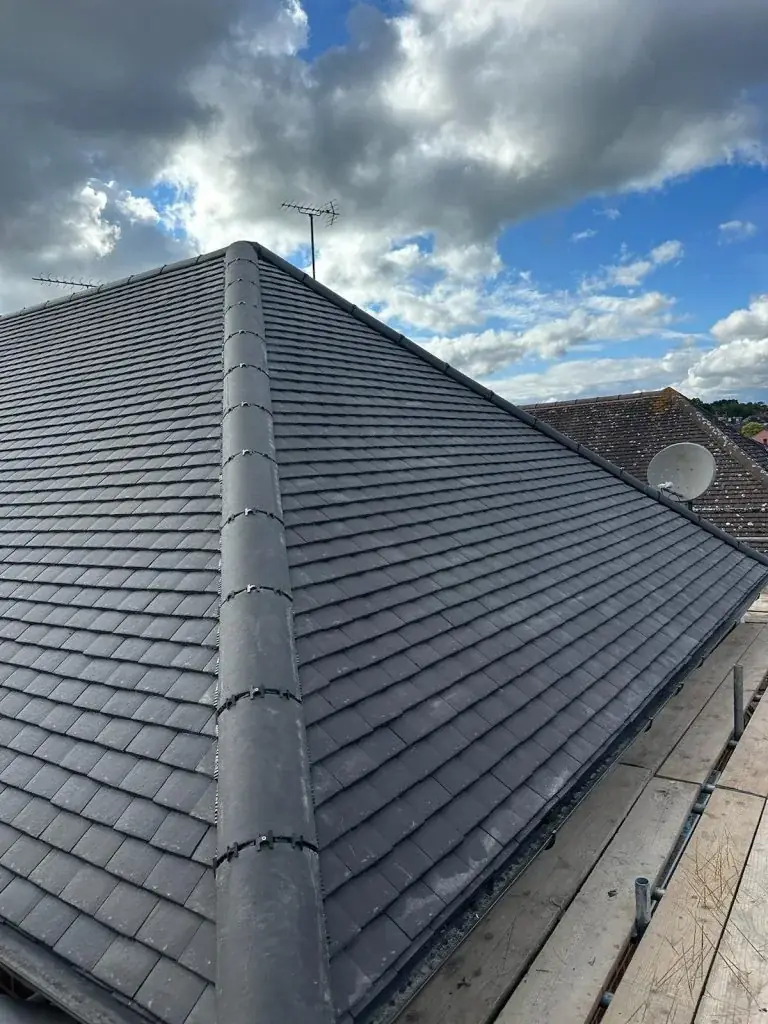
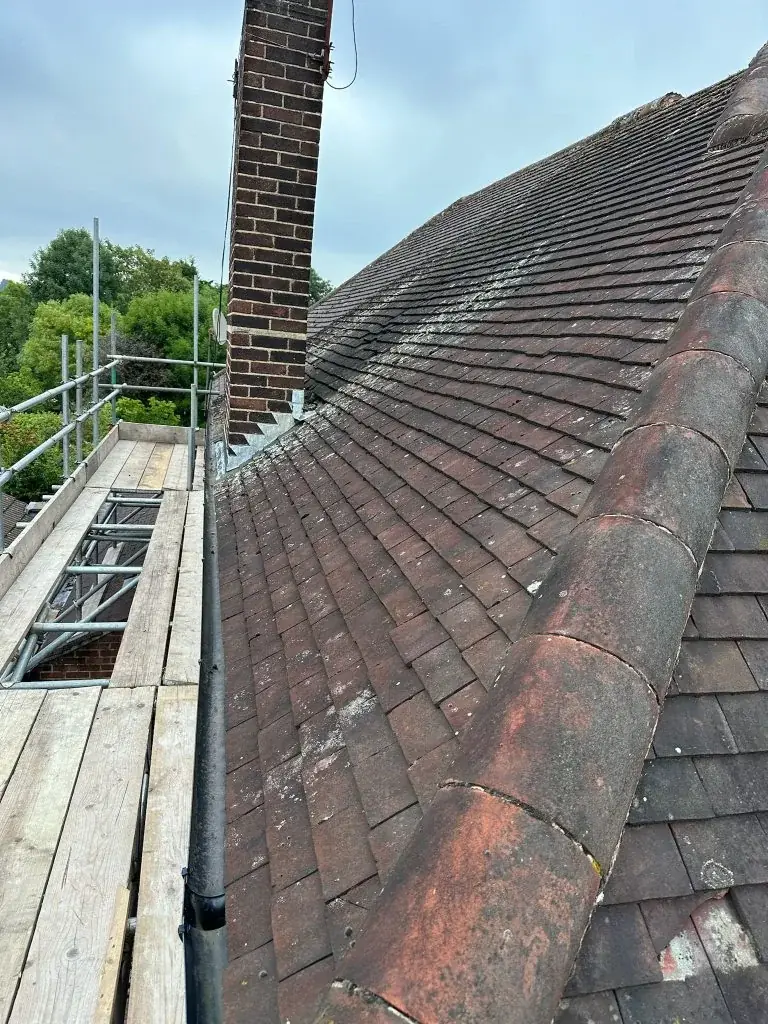
Roofing repair, roof replacement and loft conversion are different scopes, even though they can overlap. A loft conversion may change the structure or openings of the roof, while a repair may only address a limited defect. The design and structural requirements should therefore be identified before the job is priced or scheduled.
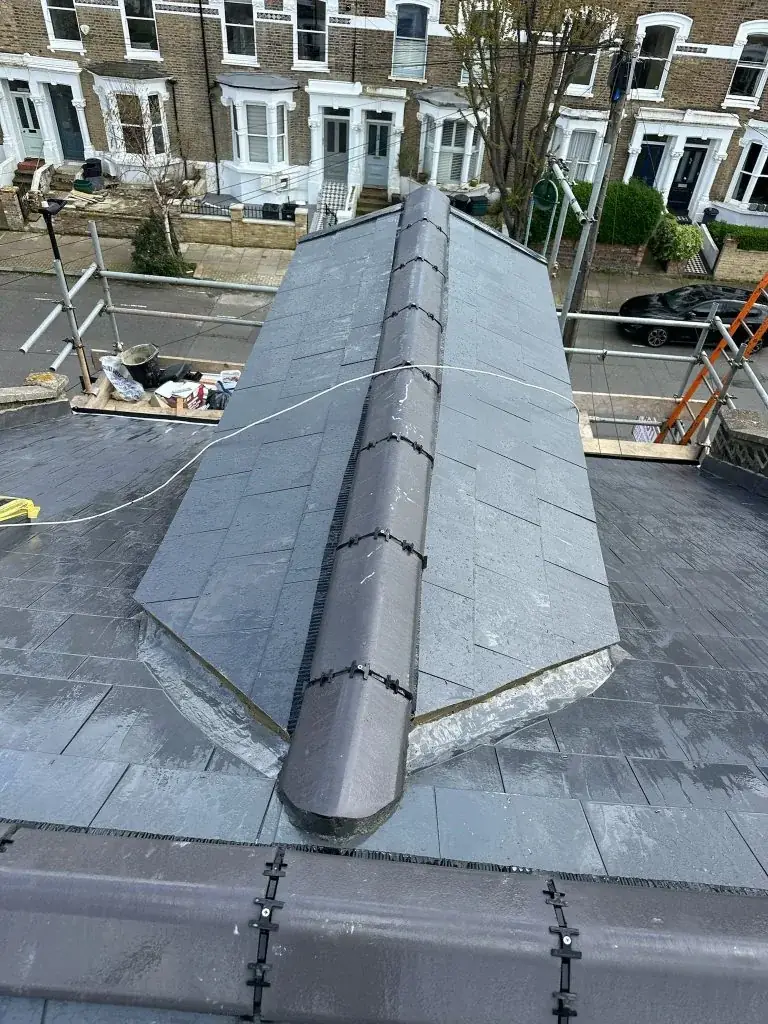
If roof access is difficult, that also affects how the work is approached. Safe access, the condition of the existing covering and any associated details should all be considered together so the repair or replacement is practical as well as effective.
Design checks
Four things we confirm before drawing roofing work.
- 01Identify the likely source of water ingress before deciding the repair.
- 02Separate repair work from replacement or loft-conversion scope.
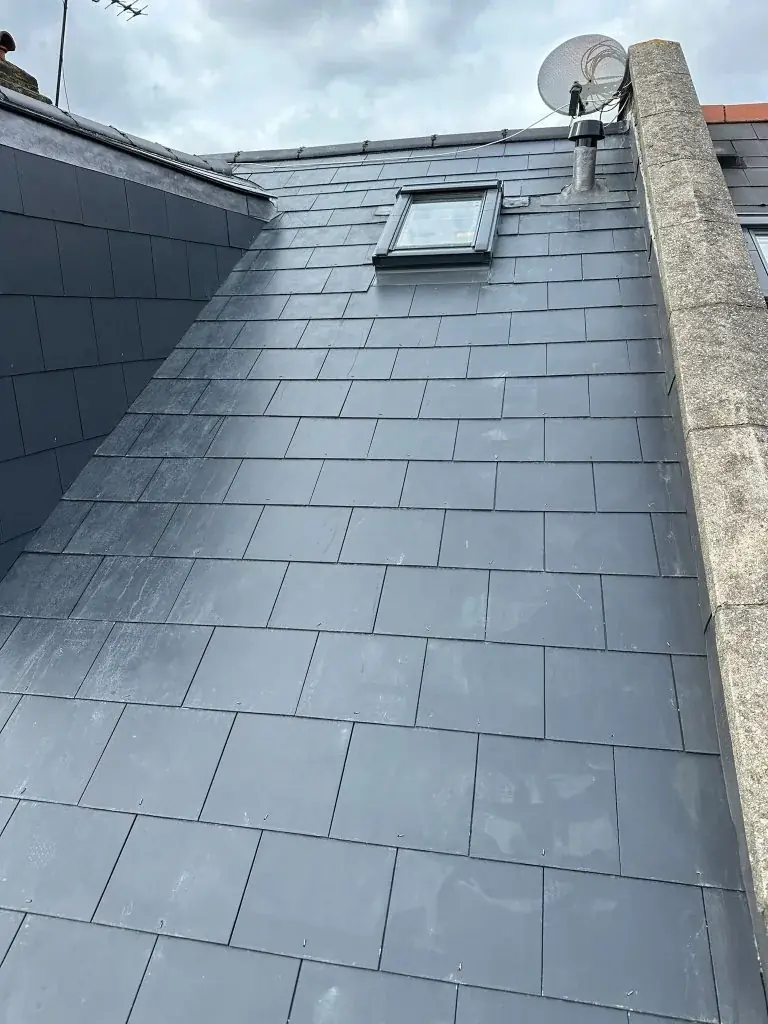
- 03Check flashing, abutments and rainwater junctions as well as the covering.
- 04Confirm access and any structural implications before work starts.
Is every roof leak a tile problem?
No. Water can enter through several different details, so the visible symptom is not always the true cause. A proper inspection should consider the covering, junctions and drainage together.
When does roof repair become a roof replacement?
When the condition or extent of the defect makes repeated local repairs poor value or unreliable. The right answer depends on the roof’s overall state, not just the one damaged spot.
How does a loft conversion affect roofing decisions?
It can change the roof structure, openings and detailing, so it must be coordinated with the roof work. The conversion should not be treated as a simple add-on to a separate repair without checking the technical consequences.
Planning and project guidance
- Conservation areas | Hackney Council
- GOV.UK · Planning permission
- GOV.UK · Building regulations approval
- GOV.UK · Party walls and building work
Check the current guidance for your address before relying on a planning route. This guide is not a planning decision or a verified local case study.
Other services in Clapton








