
Hammersmith and Fulham · West London
Doorsin Hammersmith.
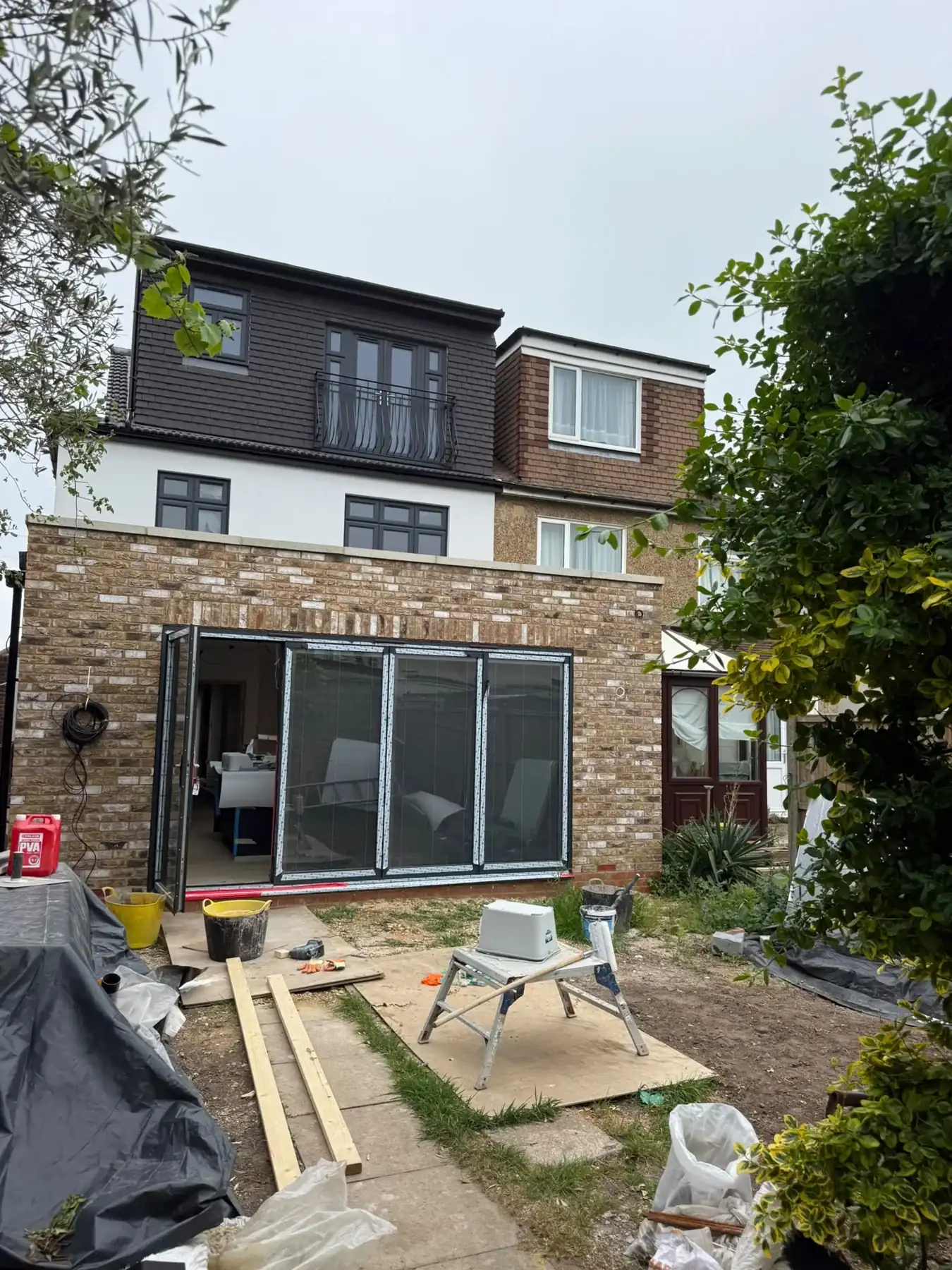
A door seems simple until the opening, frame and surrounding finishes are checked properly. The practical decisions are whether the existing frame can stay, how much adjustment the opening needs and what the door has to do once it is fitted.
- Service
- Doors
- Neighbourhood
- Hammersmith
- Borough
- Hammersmith and Fulham
- Next step
- Discuss your project
Your project brief
Decide whether the existing frame can be retained
The first question is often not the door itself but the frame and opening. If the frame is sound and the dimensions suit the new leaf, retaining it may be sensible; if not, the scope should make clear what needs to be replaced or altered.
That helps avoid ordering a door before the opening is properly understood. Clearances, hinge positions, latches and how the door meets the surrounding finishes all need to be known before fitting begins.
Hammersmith and Fulham: address checks if the door change sits in a wider application
In Hammersmith and Fulham, use the planning search to check the exact address if the door work is part of a broader alteration that may need consent. The council guidance points to flood risk information and, in some listed or conservation-area cases, to extra application requirements. Door replacement itself is not automatically a planning issue, but listed-building character, external alterations or shared-wall matters may need separate attention.
Design decisions
Match hardware and function to the room
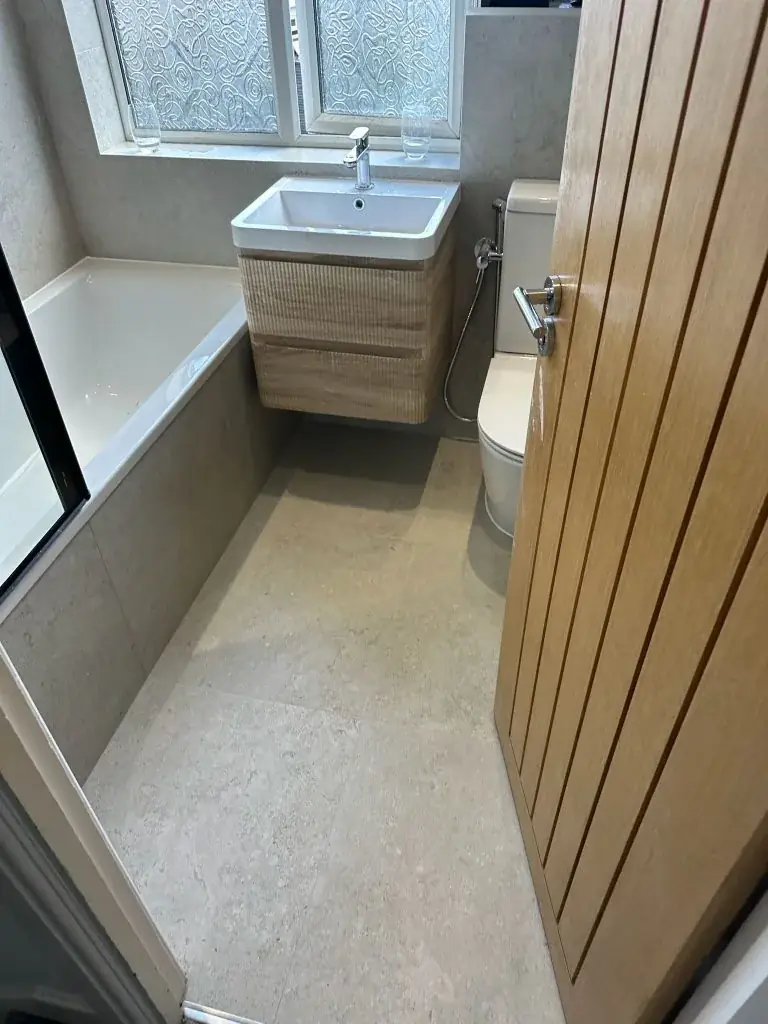
Hardware should follow the door’s purpose. A room door, cupboard door or external door all need different decisions around handles, hinges, closing action and any required performance features, so the scope should not treat them as interchangeable.
If the opening is being altered, the surrounding making good should also be included. That keeps the joinery work and the finish work aligned rather than leaving gaps for another trade to solve later.
Design checks
Four things we confirm before drawing door installation.
- 01Check whether the existing frame can stay or needs replacement.
- 02Confirm the opening size, clearances and hinge positions.
- 03Choose hardware for the door’s actual use.
- 04Include making good around altered openings in the scope.

What should be decided before ordering a replacement door?
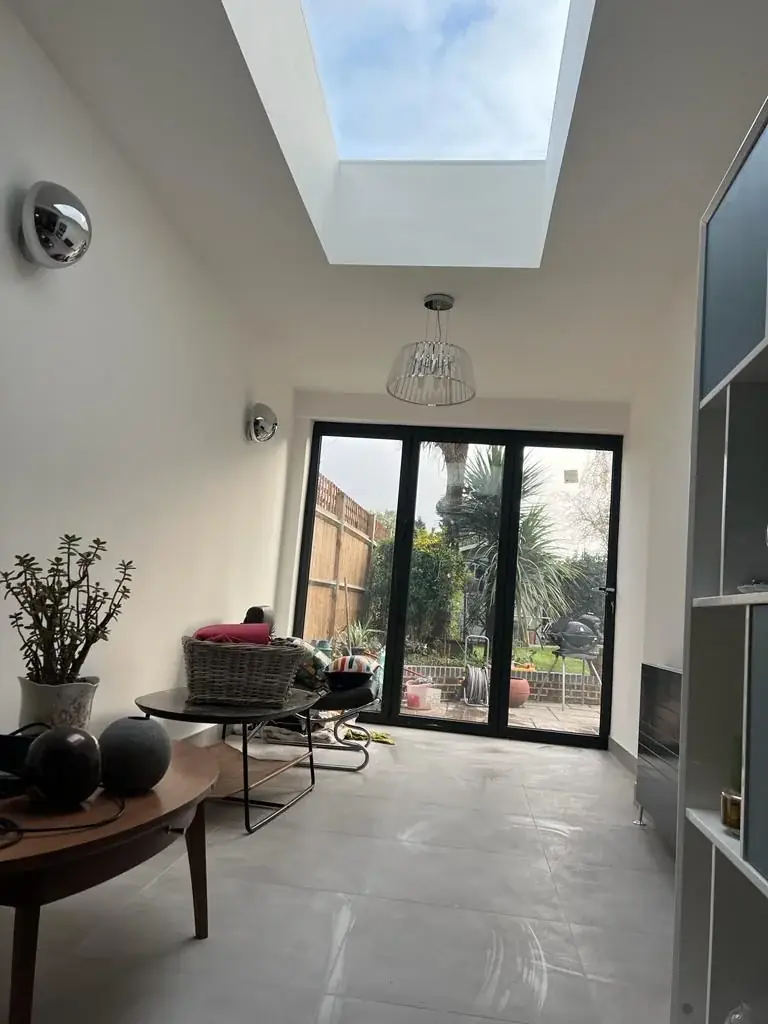
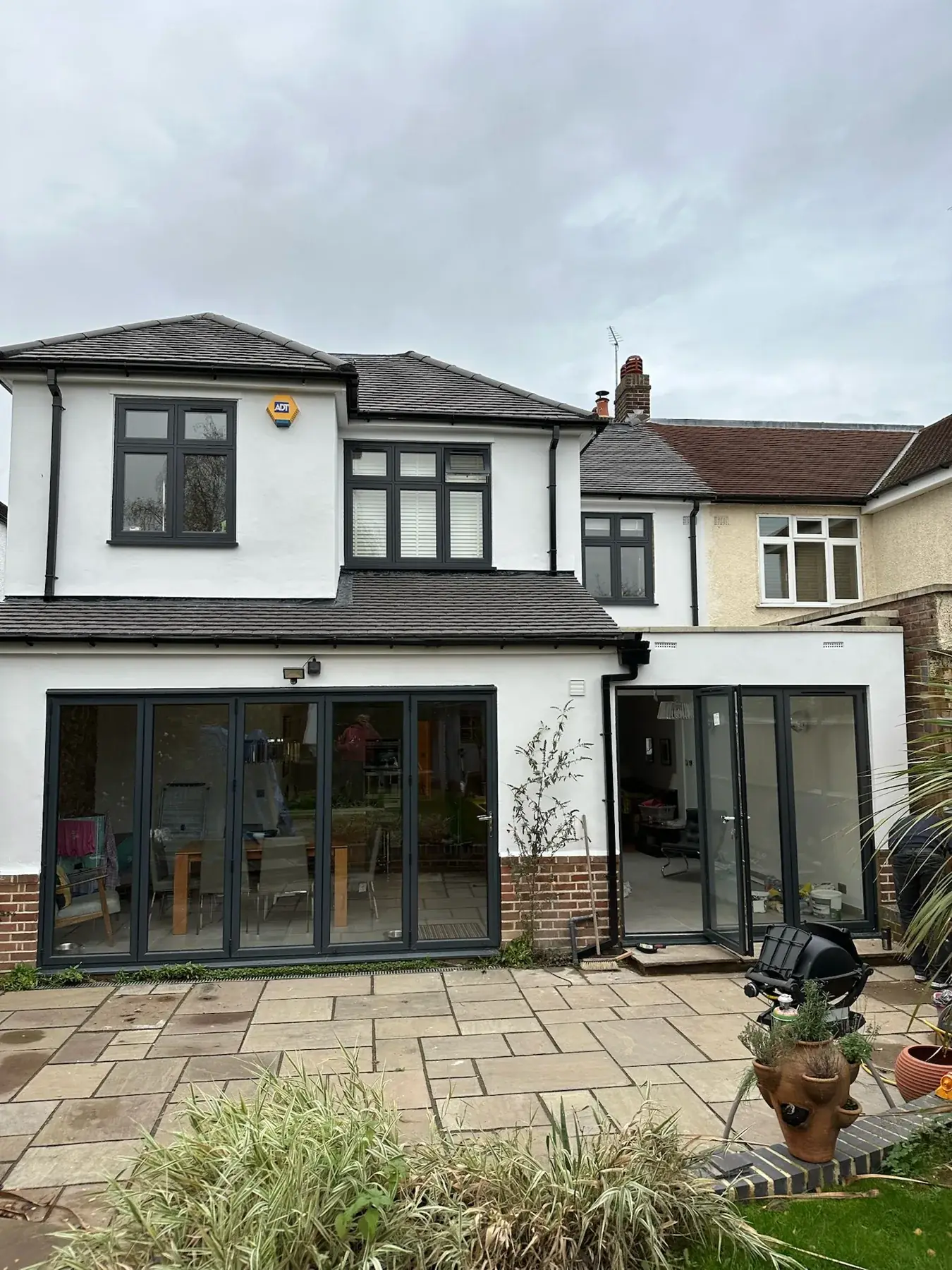
The opening size, frame condition, clearances and intended use should all be known first. That prevents a door being ordered on guesswork and reduces the risk of later trimming or rework.
How do I know if hardware needs special attention?
It depends on how the door will be used. Internal room doors, cupboards and external doors all need different levels of robustness, closing action and finish, so the intended function should guide the choice.
Why include making good in a door job?
Because changing a frame or opening often affects the surrounding plaster, trim or paintwork. Making good should be named in advance so the finished opening looks intentional rather than patched.
Planning and project guidance
- Planning guidance | London Borough of Hammersmith & Fulham
- GOV.UK · Planning permission
- GOV.UK · Building regulations approval
- GOV.UK · Party walls and building work
Check the current guidance for your address before relying on a planning route. This guide is not a planning decision or a verified local case study.
Other services in Hammersmith








