
Waltham Forest · East London
Doorsin Leyton.
A door is more than a panel that swings shut. It has to suit the opening, the surrounding finishes and the way the room is used. The practical decisions are about whether the existing frame can stay, what hardware is needed and how the door will perform in the space.
- Service
- Doors
- Neighbourhood
- Leyton
- Borough
- Waltham Forest
- Next step
- Discuss your project
Your project brief
Decide whether the opening can stay as it is
The first question is whether the existing frame and linings are worth keeping. If the opening is sound, retaining it can reduce making good and help the new door sit neatly with the rest of the room. If the opening is out of square or unsuitable, the frame may need replacing or adjusting before the door is fitted.
That decision also affects the surrounding finishes. Architraves, skirting lines and adjacent surfaces may need careful making good, especially when a replacement door changes the clearances or the look of the opening. The goal is not just to hang a leaf, but to make the whole doorway work properly within the room.
Leyton doorway and external-change checks
Waltham Forest’s guidance on conservation areas, listed buildings and Article 4 directions shows that some external changes can need extra checking in the borough. Door work is often internal, but external doors or altered openings should be checked against the exact address so the correct route is followed where planning or consent may apply.
Design decisions
Match the hardware and requirements to the use
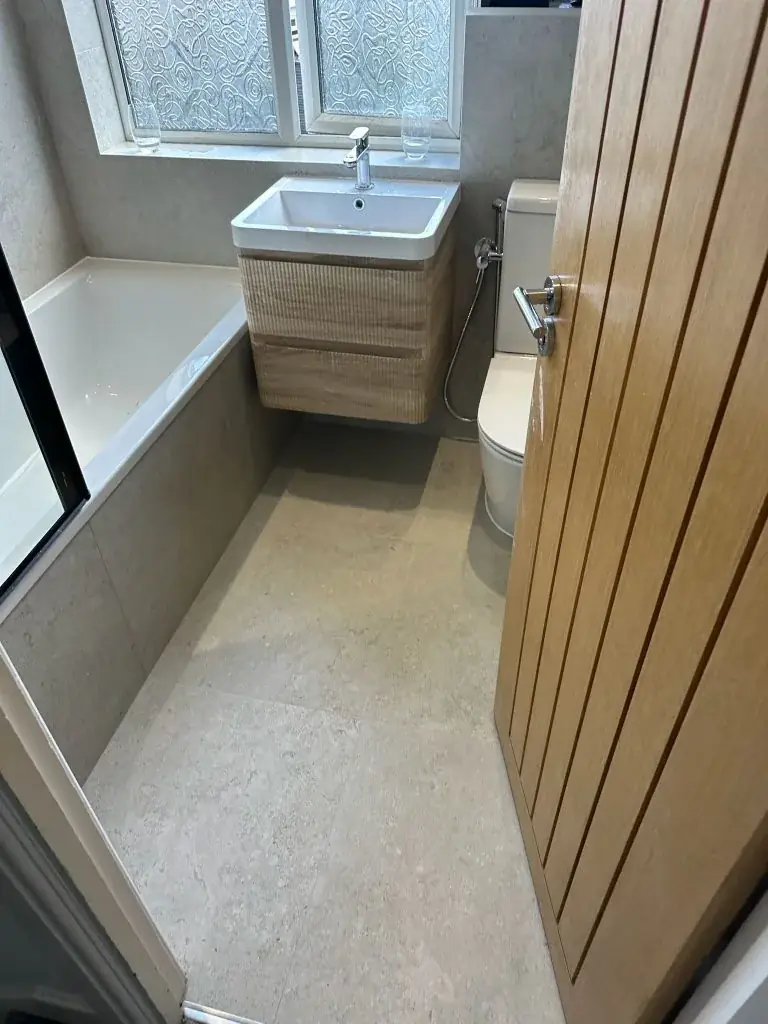
Handles, hinges and latches should suit how the door will be used. A bedroom, bathroom or circulation door may need a different feel and level of privacy from an external or altered opening. The hardware choice is part of the installation, not an afterthought, because it affects operation, security and durability.
If the work involves an external door or a changed opening, the scope should include the relevant installation requirements rather than assuming it is the same as an internal replacement. That helps avoid confusion about clearances, threshold details and any wider checks that may be needed before the door is ordered.
Design checks
Four things we confirm before drawing door installation.
- 01Check whether the existing frame can be retained before ordering the door.
- 02Agree any making-good to linings, architraves and surrounding finishes.
- 03Match hardware to the door’s intended use and level of privacy or security.
- 04Treat external doors and altered openings as a separate installation scope.

What is the main decision before replacing a door?
Whether the existing opening and frame can be kept. That affects cost, making good and how neatly the new door will sit with the surrounding finishes.
Why does hardware need to be included in the scope?
Because hinges, handles and latches affect how the door works every day. They are part of the installation, not just decorative extras.
When does door work become more than a simple internal joinery job?
When it involves an external door, an altered opening or any wider installation requirement. At that point, the exact site and the surrounding building conditions matter more.
Planning and project guidance
- Conservation areas and listed buildings | London Borough of Waltham Forest
- GOV.UK · Planning permission
- GOV.UK · Building regulations approval
- GOV.UK · Party walls and building work
Check the current guidance for your address before relying on a planning route. This guide is not a planning decision or a verified local case study.
Other services in Leyton








