
Waltham Forest · East London
Plasteringin Leyton.
Plastering is not just about the finish you can see at the end. The wall or ceiling underneath, the amount of repair needed and how the edges meet doors, windows and adjoining surfaces all affect the result. A good scope starts with the background, not the topcoat.

- Service
- Plastering
- Neighbourhood
- Leyton
- Borough
- Waltham Forest
- Next step
- Discuss your project
Your project brief
Match the system to the background
A thin finish works well only when the surface underneath is sound enough to receive it. If the background is uneven, damaged or weak, the better choice may be repair, reboarding or a fuller plaster system rather than trying to force a neat finish over a poor base. The right decision depends on what is actually there.
This matters after structural alterations, rewiring or pipework changes, because the wall may need more than cosmetic touching-up. Loose material, deep cracks or patchy previous repairs should be assessed before the decorative stage is planned. Otherwise, the final surface can look acceptable at first and fail early once the room starts being used again.
Leyton background checks before plastering starts
The council’s planning guidance for Waltham Forest highlights conservation areas and listed buildings where external changes can bring extra rules, but plastering is usually an internal finishing decision. Even so, if the work is part of a larger alteration in a protected property, the exact address should be checked so the wider project follows the right route.
Design decisions
Plan the junctions as carefully as the field of the wall
The quality of plasterwork is often decided at the edges: around openings, on reveals, and where new work meets old. If those details are not planned, a room can end up with visible ridges, awkward shadows or finishes that are hard to decorate neatly. Good junctions make later painting or decorating much easier.
If a room is being refurbished after building work, the brief should say whether the task is a local repair, a plasterboard installation or a wider levelling job. That avoids confusion between surface preparation and structural making-good. It also helps determine whether adjacent trims or skirtings need temporary removal or careful protection.
Design checks
Four things we confirm before drawing plastering work.
- 01Assess whether the wall or ceiling background is sound enough for a finish coat.
- 02Identify loose material, uneven areas and old repairs before work starts.
- 03Separate local patch repairs from reboarding or full levelling in the scope.
- 04Agree how the edges, reveals and adjoining finishes will be made good.




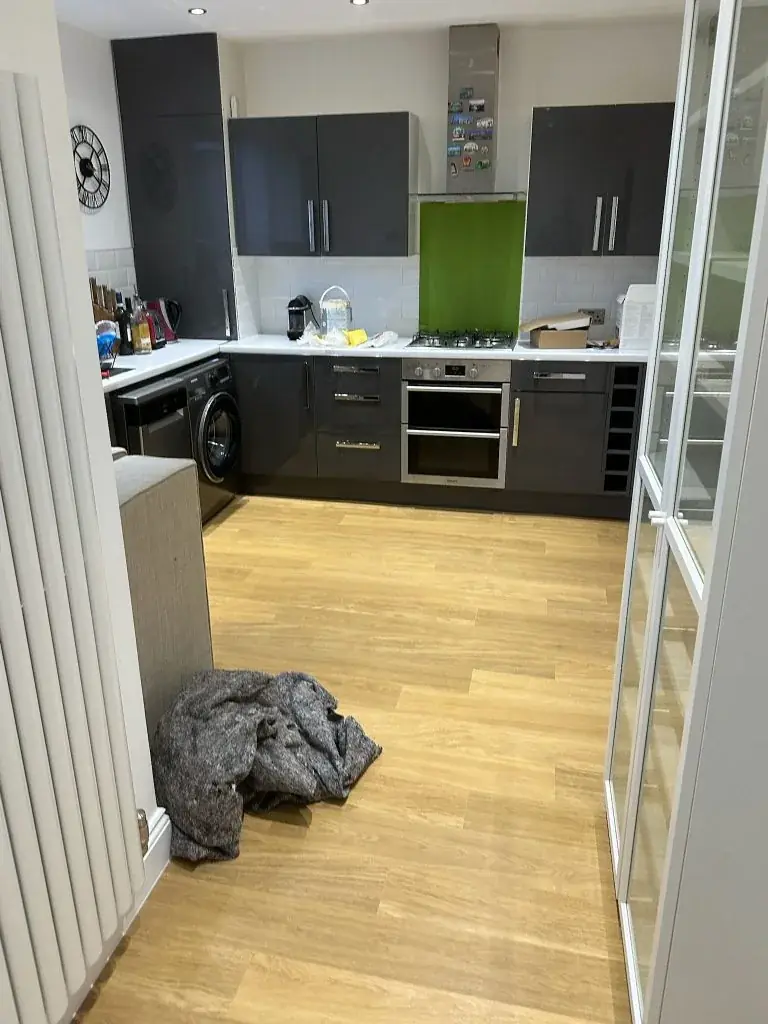
When is plasterboard better than patching old plaster?
When the existing background is too uneven, weak or disrupted to give a reliable finish. Boarded surfaces can create a more consistent base, especially after alterations or services have been changed behind the wall.
Why do junctions need special attention in plastering?
Because the eye notices edges first. Clean junctions around doors, windows and adjoining surfaces help the room feel finished and make later decorating much simpler and tidier.
Should plastering and decorating be treated as one job?
They should be coordinated, but they are not the same thing. Plastering creates the surface; decorating finishes it. The scope should say where making good ends and where the decorative stage begins.
Planning and project guidance
- Conservation areas and listed buildings | London Borough of Waltham Forest
- GOV.UK · Planning permission
- GOV.UK · Building regulations approval
- GOV.UK · Party walls and building work
Check the current guidance for your address before relying on a planning route. This guide is not a planning decision or a verified local case study.
Other services in Leyton








