
Waltham Forest · East London
Renderingin Leyton.
Rendering is an exterior decision as much as a visual one. The finish needs to suit the wall beneath it, the junctions around openings and edges, and the way the building is exposed to weather. A good render brief starts with the substrate and details, not just the appearance.
- Service
- Rendering
- Neighbourhood
- Leyton
- Borough
- Waltham Forest
- Next step
- Discuss your project
Your project brief
Check the wall before choosing the render system
The right render depends on the condition and type of the wall underneath. If the background is weak, uneven or already failing, the first task may be to remove or repair the old finish rather than apply a new coat over the top. That decision affects both durability and appearance.
Where render is part of a wider exterior improvement, the scope should say which areas are being treated and whether any preparatory work is needed. This is not only about weather resistance; it is also about how the new surface will sit alongside doors, windows, roof edges and adjoining materials without creating awkward transitions.
Leyton external-change checks before rendering
Waltham Forest’s guidance on conservation areas, listed buildings and Article 4 directions means some external work in the borough may need extra checking. Rendering is not automatically restricted everywhere, but the exact address must be checked where the property sits in a sensitive area or forms part of a larger external alteration.
Design decisions
Treat the junctions as part of the design
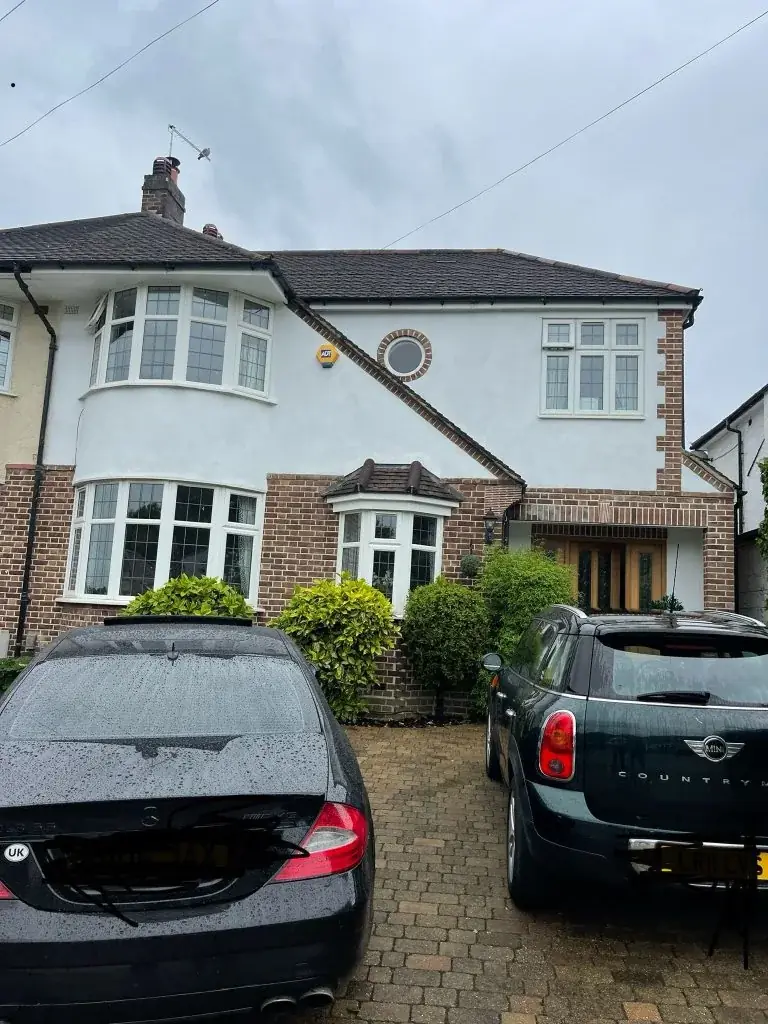
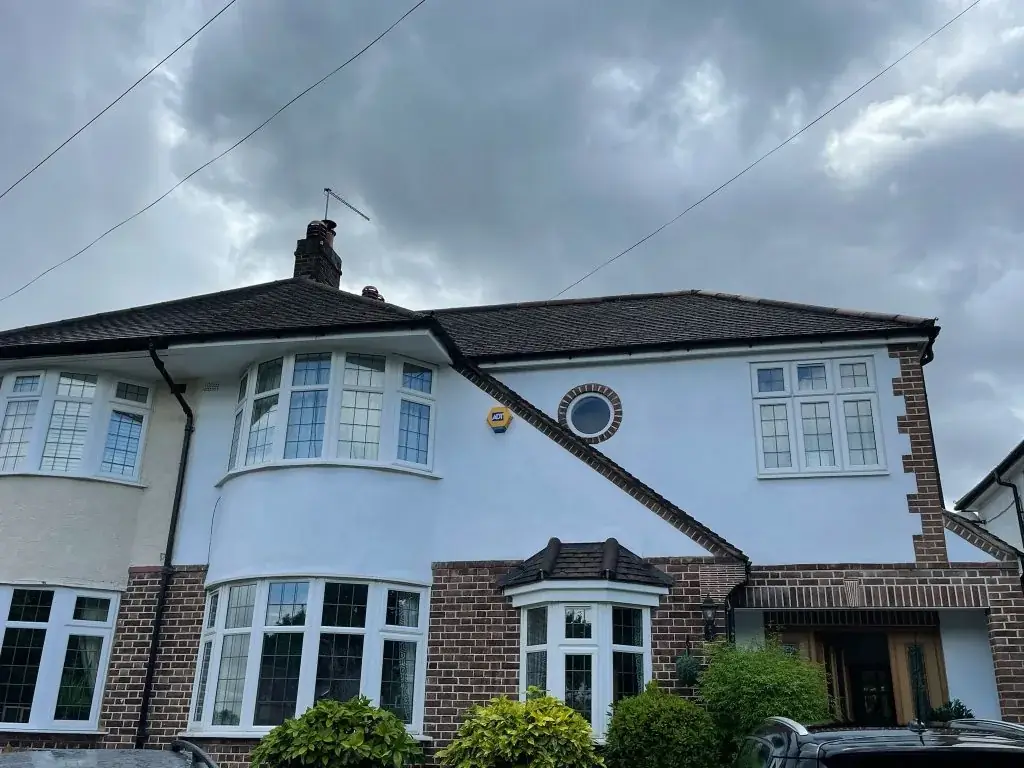
External render is rarely just a flat wall treatment. Openings, abutments and changes in material all need careful detailing so the finish does not crack, trap water or look untidy. The junctions around the render matter as much as the main field because they are where movement and weather usually show first.
A render scope should also explain access and the extent of any repairs. If failed render is being removed, the replacement work should be planned so compatible details are used throughout. That helps the new surface look consistent and reduces the chance of patchwork repairs that stand out after completion.
Design checks
Four things we confirm before drawing external rendering.
- 01Assess the wall background and existing finish before choosing the render system.
- 02Identify any failed render that needs removal or repair.
- 03Plan junctions around openings, roof edges and adjoining materials.
- 04Confirm access and preparation needs for the full external scope.
Why does the wall background matter so much in rendering?
Because render only performs well when it bonds to a suitable surface. If the wall underneath is unsound or incompatible, the new finish may fail or crack prematurely.
Should render repairs always match the existing finish exactly?
They should be compatible and visually consistent, but the right repair method depends on the wall and the extent of damage. The aim is durability as well as appearance.
What usually causes problems at render junctions?
Movement, weather exposure and poor detailing. Openings, edges and material changes need careful treatment so water does not get in and the finish remains neat.
Planning and project guidance
- Conservation areas and listed buildings | London Borough of Waltham Forest
- GOV.UK · Planning permission
- GOV.UK · Building regulations approval
- GOV.UK · Party walls and building work
Check the current guidance for your address before relying on a planning route. This guide is not a planning decision or a verified local case study.
Other services in Leyton








