
Waltham Forest · East London
Roofingin Leyton.
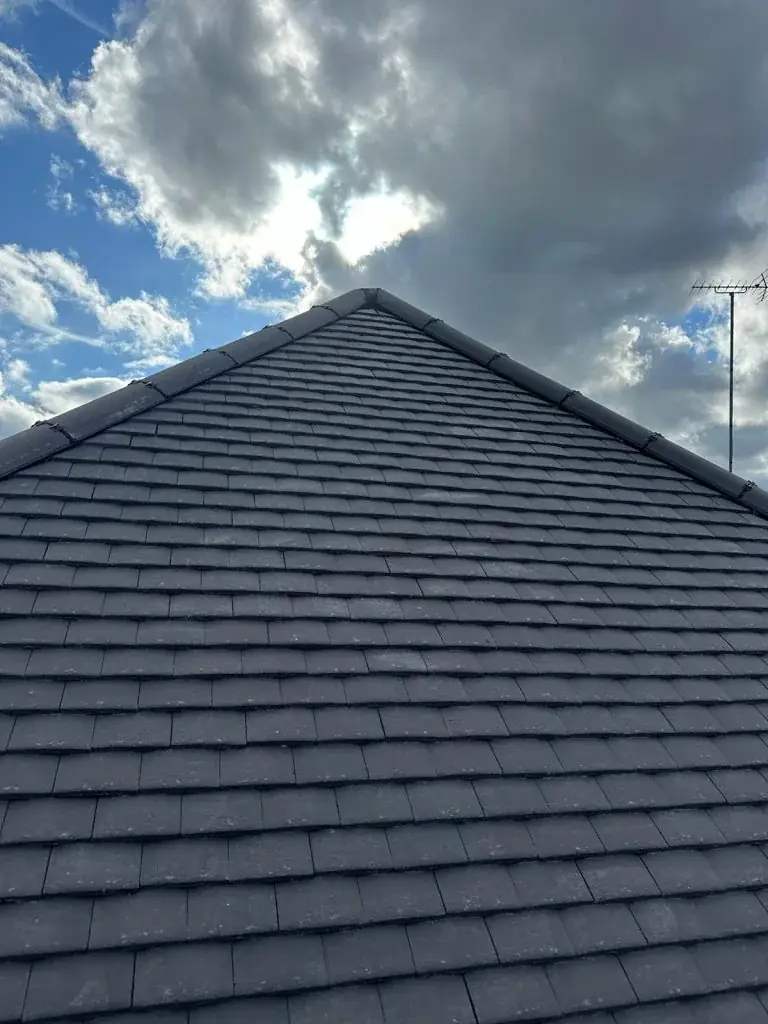
A roof issue is not always solved by replacing the obvious damaged piece. The real cause may be in the junctions, flashing, drainage or underlying condition. Good roofing work starts with investigation, so the repair addresses the problem rather than only the symptom.
- Service
- Roofing
- Neighbourhood
- Leyton
- Borough
- Waltham Forest
- Next step
- Discuss your project
Your project brief
Find the cause before choosing the repair
A leak or damaged area can be misleading if the problem starts elsewhere on the roof. Tiles, ridges, flashings and abutments all need to be considered together, because water often travels before it shows up inside the building. A sensible brief begins with an accessible investigation and a defined repair scope.
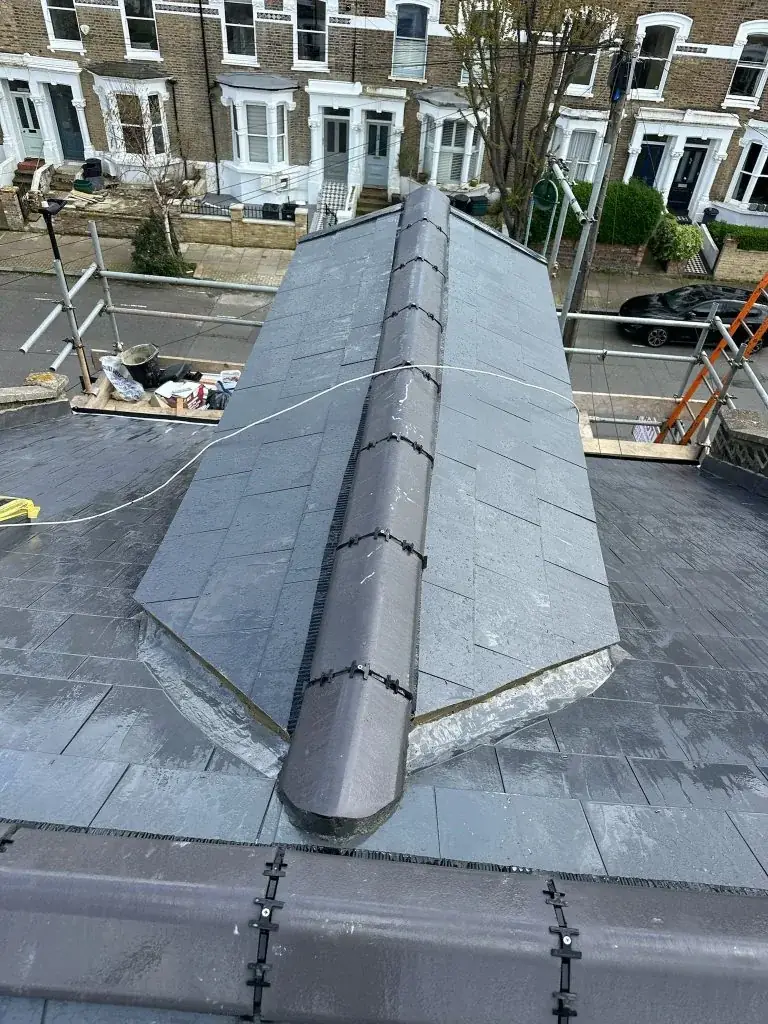
That is especially important when roofing work is linked to a loft conversion or wider refurbishment. The covering may only be one part of the job, with structural changes and new details around it. The roof scope should therefore separate accessible repairs from larger alterations so the right trade and approval route can be used.
Leyton roof checks against borough planning evidence
Waltham Forest’s planning pages show that some external changes in conservation areas or to listed buildings may need extra checking, and solar or roof-related alterations can have different rules depending on the exact property. Leyton appears in the council’s conservation-area information, but the specific address must be checked before any planning assumption is made.
Design decisions
Pay attention to the weathering points
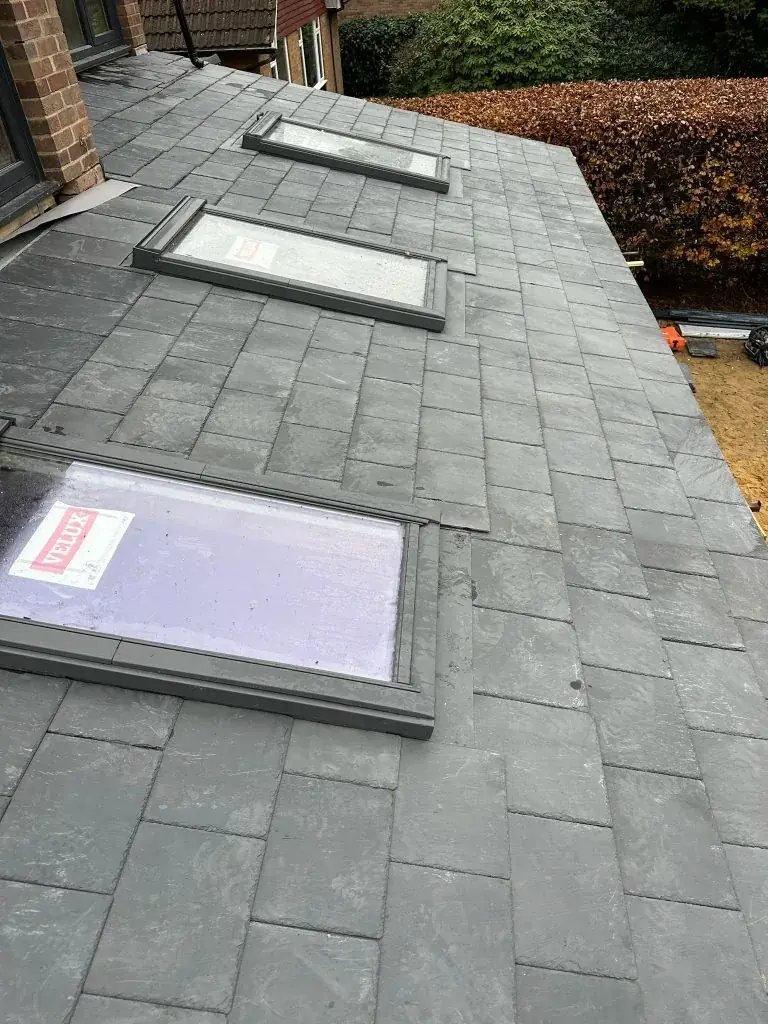
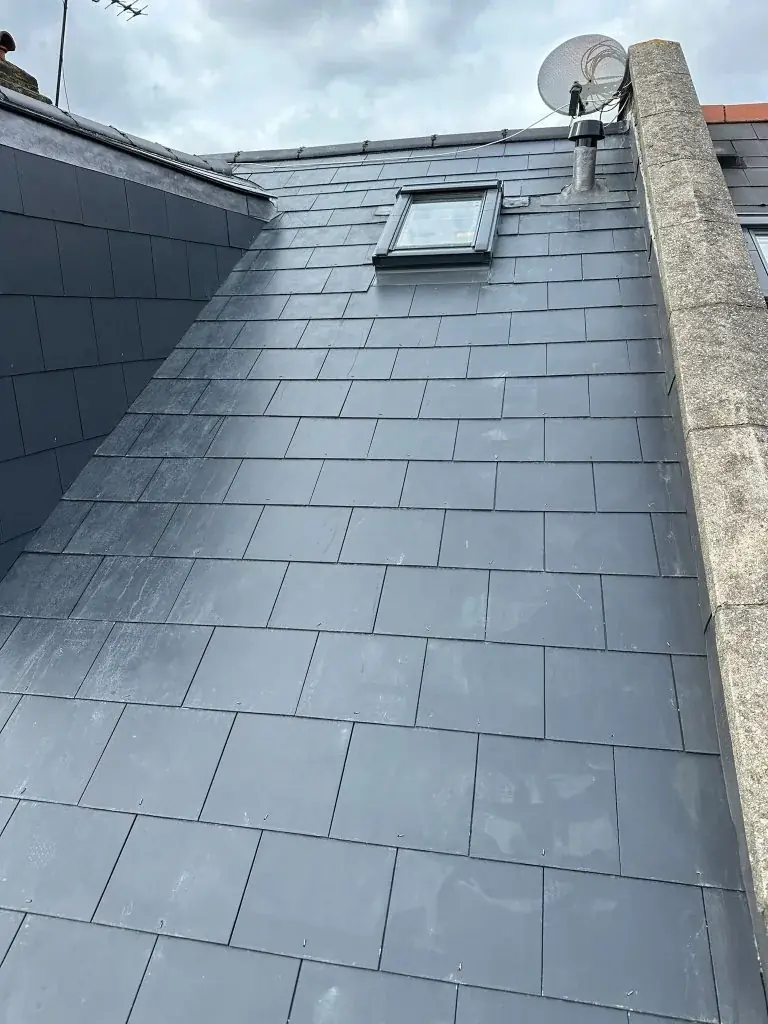
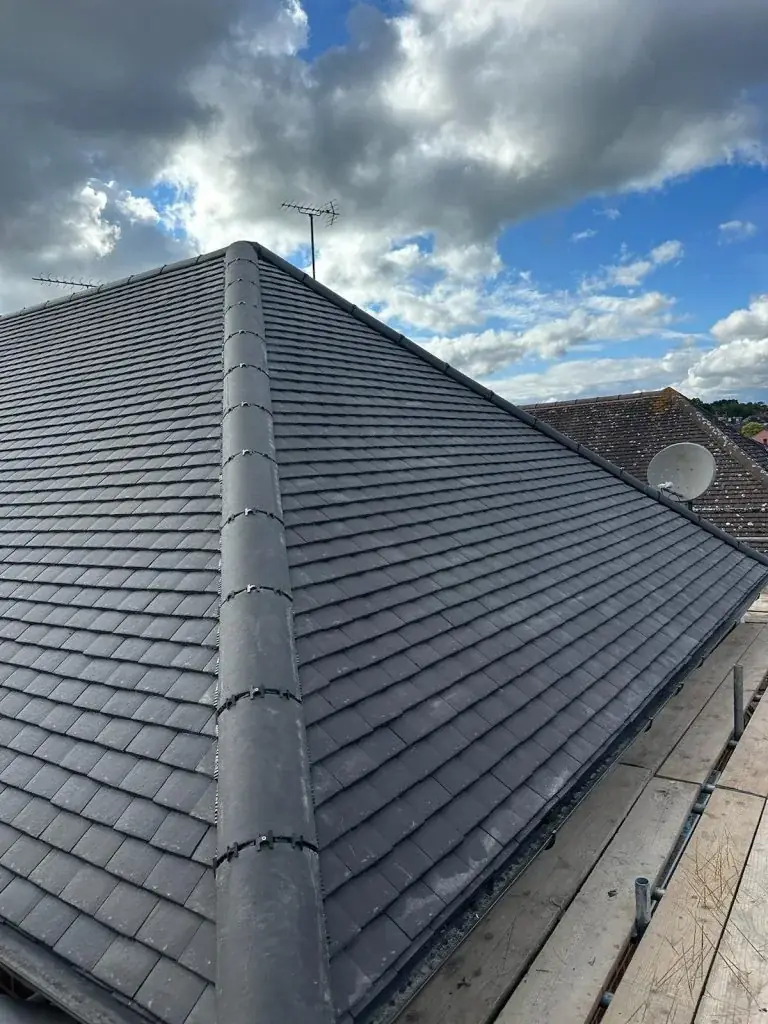
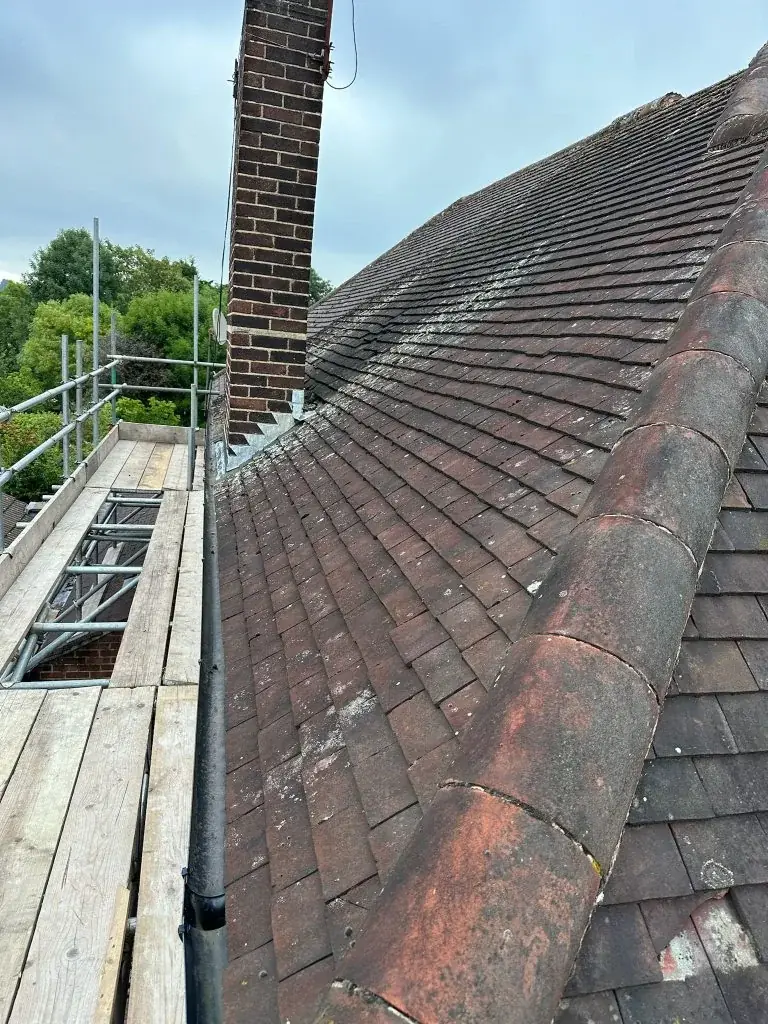
The parts of a roof that meet another surface are often where faults appear first. Flashings, rainwater junctions and abutments need as much attention as the visible covering because they manage water at the edges and transitions. If those areas are ignored, a surface-level repair may not last.
A roofing brief should also say whether the work is repair, replacement or part of a conversion. Those are different scopes with different needs. Repair addresses defects, replacement renews more of the covering, and a conversion brings structural and design requirements that should be planned before the roof is opened up.
Design checks
Four things we confirm before drawing roofing work.
- 01Inspect accessible roof defects and agree the repair scope before work starts.
- 02Check flashings, abutments and drainage details as well as the covering.
- 03Separate a repair from a replacement or conversion in the brief.
- 04Coordinate any roof alterations with structural and design requirements.
Why should roofing work look beyond the damaged tile or slate?
Because the visible damage may only be the end result. Water can enter at flashings, junctions or drainage points and show up somewhere else inside the house.
How is roof repair different from roof replacement?
Repair targets specific defects, while replacement renews more of the roof covering and related details. The scope should make that difference clear so the right amount of work is agreed.
What should be checked if the roof work is part of a loft conversion?
The roof covering, structure, junctions and the design needs of the conversion all need to be coordinated. That avoids discovering too late that the roof detail and the new room do not align.
Planning and project guidance
- Conservation areas and listed buildings | London Borough of Waltham Forest
- GOV.UK · Planning permission
- GOV.UK · Building regulations approval
- GOV.UK · Party walls and building work
Check the current guidance for your address before relying on a planning route. This guide is not a planning decision or a verified local case study.
Other services in Leyton








