
Waltham Forest · East London
Gardensin Leyton.
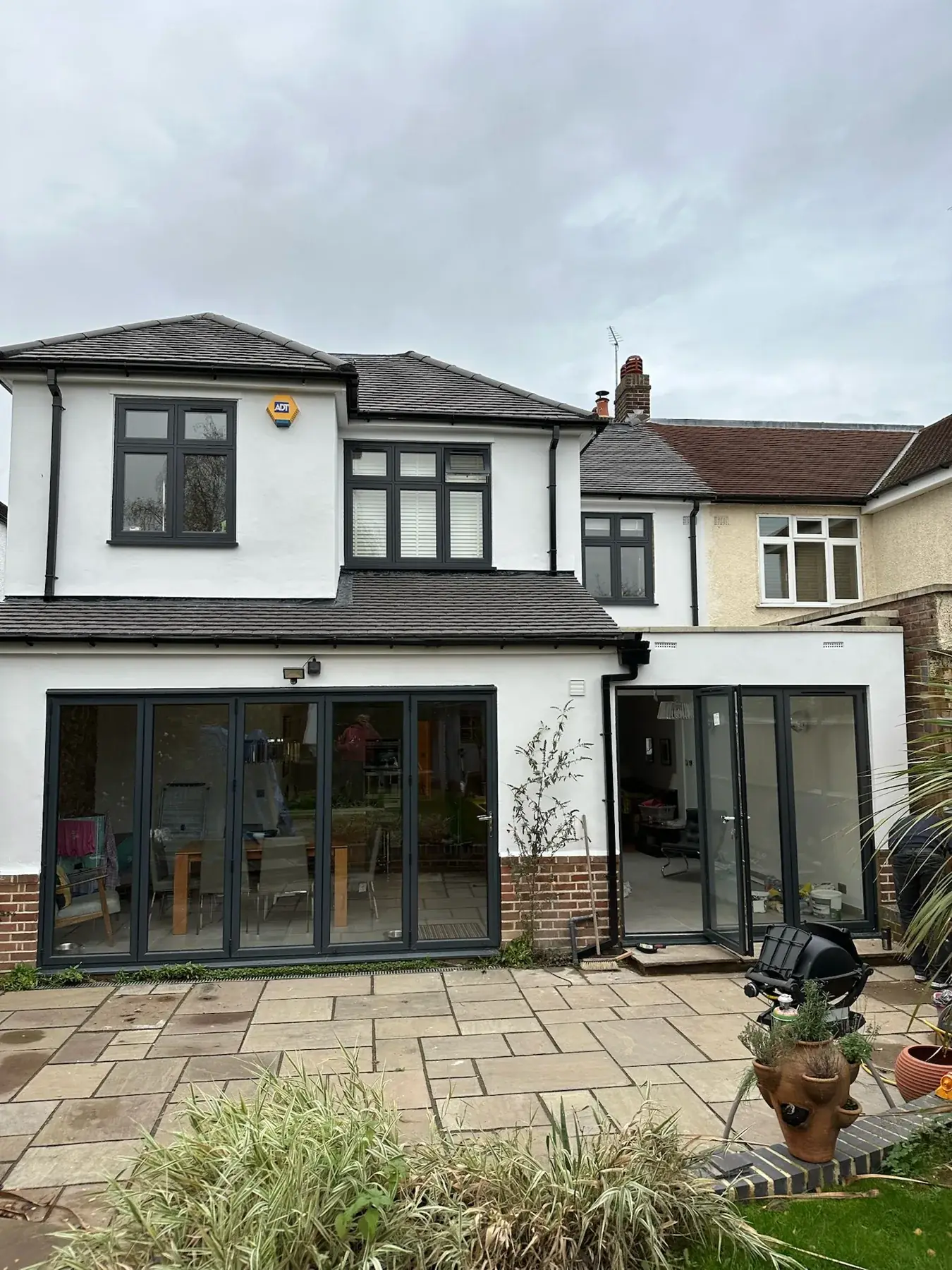
A garden works better when it is planned as part of the home rather than treated as leftover space. The most useful decisions are about levels, drainage, access and how the outside area connects to the rooms that open onto it.
- Service
- Gardens
- Neighbourhood
- Leyton
- Borough
- Waltham Forest
- Next step
- Discuss your project
Your project brief
Start with levels and water movement
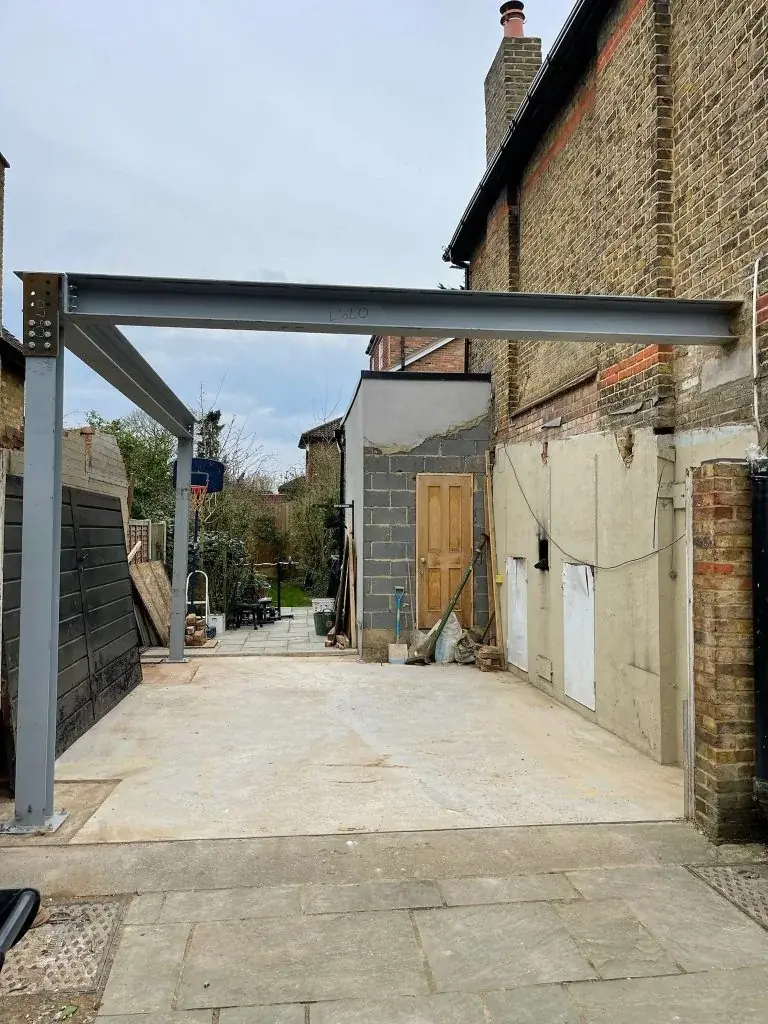
Before choosing paving or planting, it helps to understand how the ground falls and where rainwater is likely to go. If levels are awkward, a patio can collect water or create step changes that make the garden harder to use. Good outdoor work begins with the site conditions, not the decorative finish.
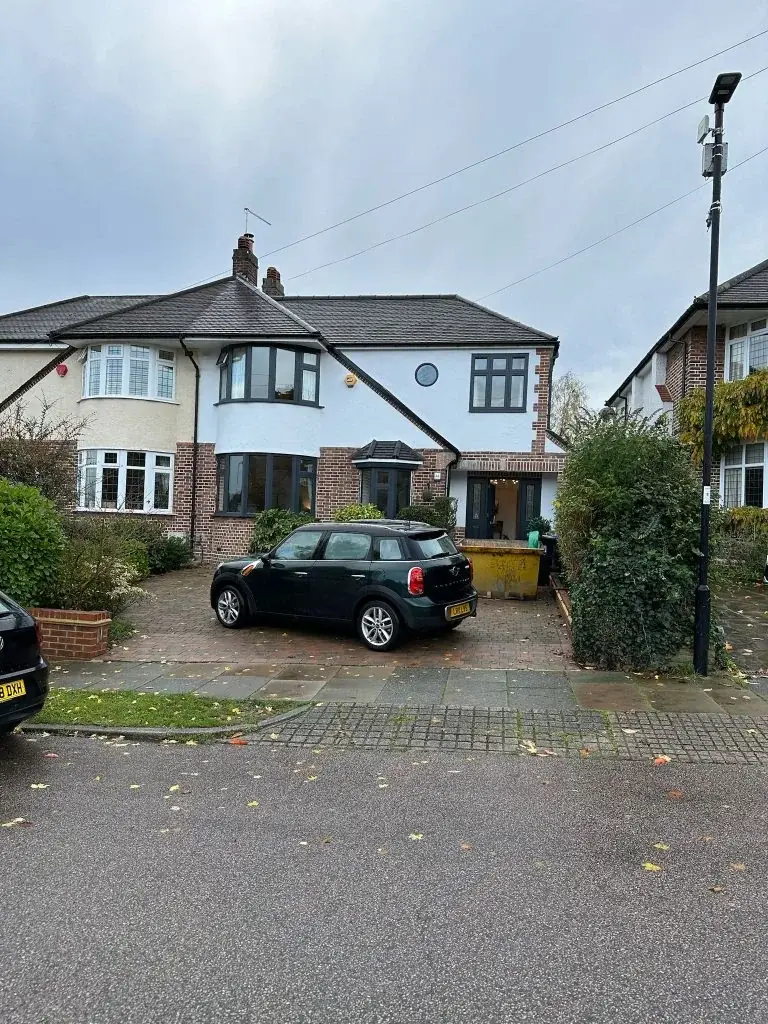
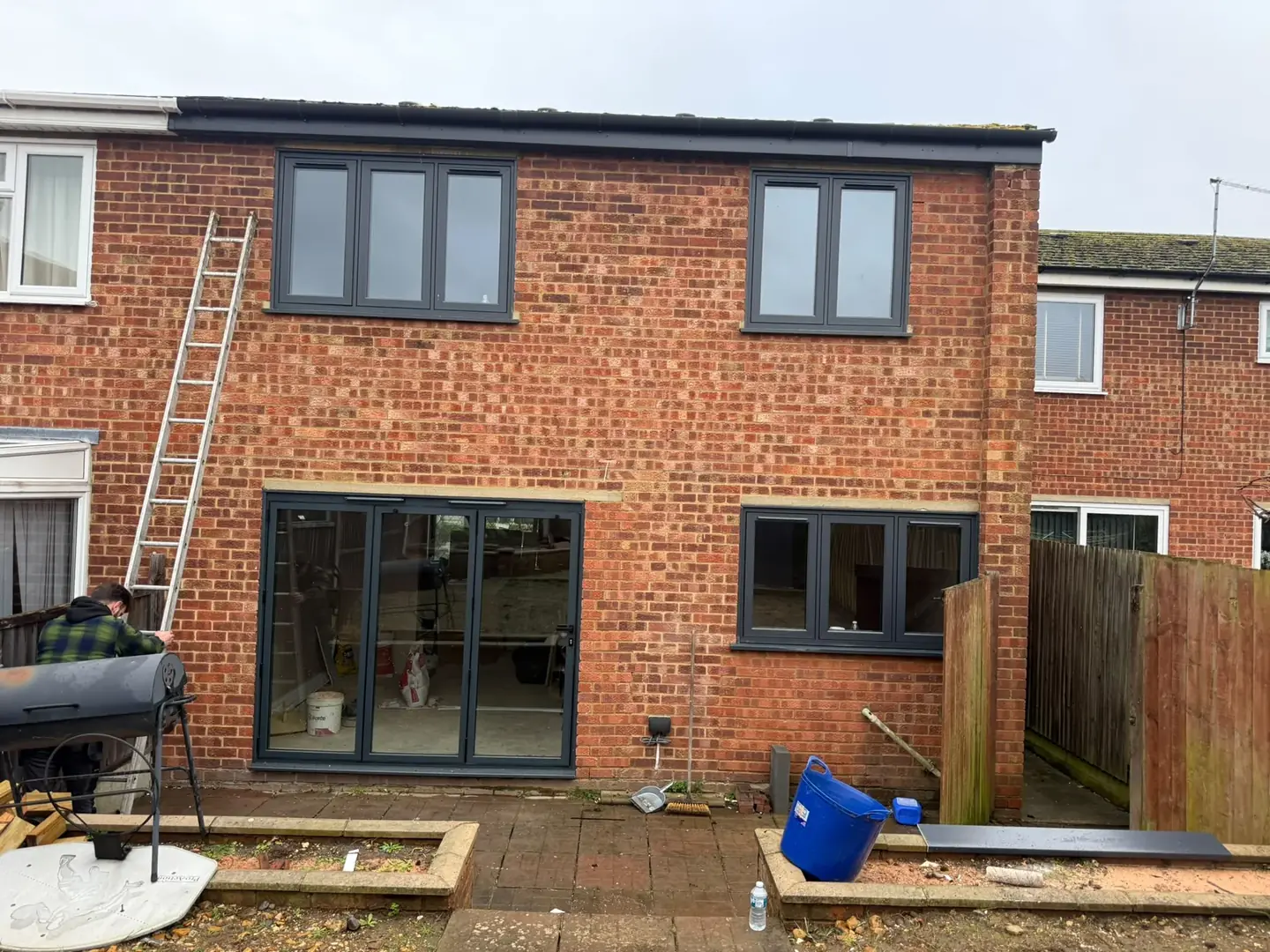
That is especially important when the garden is being improved alongside home alterations. The outside space may need to tie in with new thresholds, paths or doors, so the design should consider how people move between house and garden and whether the surface will stay practical in wet weather.
Leyton external-work checks before garden changes
Waltham Forest’s council guidance shows that some borough areas have extra planning sensitivity for external changes, and listed buildings or conservation areas may need additional checks. A garden project is usually outside that core issue, but the exact address still matters where boundaries, access or wider external works could intersect with planning controls.
Design decisions
Clarify edges, access and ownership
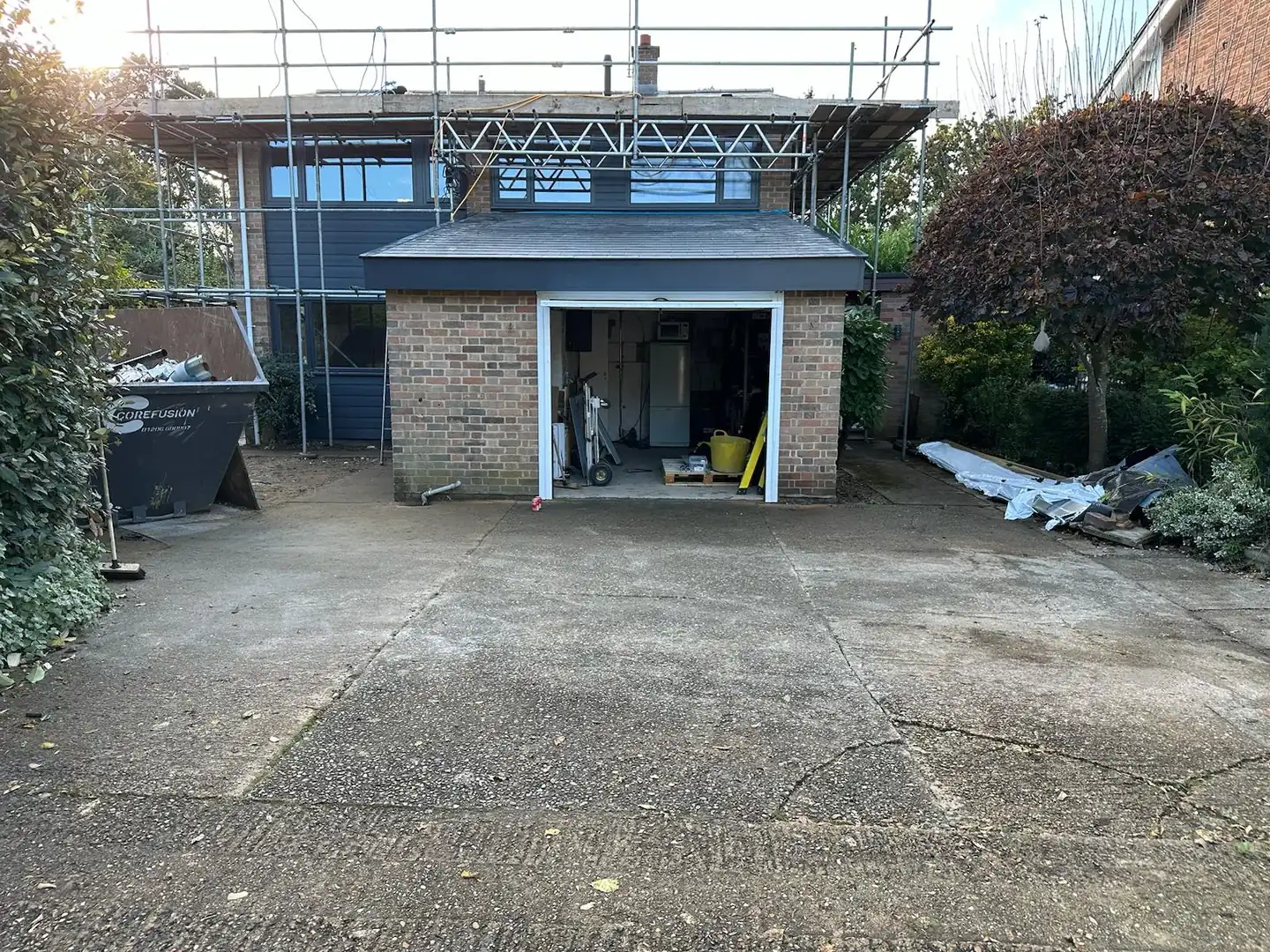
Boundaries, fences and gates should be dealt with only when access and ownership are clear. Otherwise, the job can stall over details that ought to have been settled at the outset. The same is true for hard landscaping near neighbour-facing edges, where a neat finish is not enough if the practical position is unclear.
A garden brief should also distinguish between work that changes the usable layout and work that simply refreshes the space. For example, a possible brief might include a new path, improved levels and a defined planting area. Those tasks are different from cosmetic tidying and need different decisions about preparation and drainage.
Design checks
Four things we confirm before drawing garden improvements.
- 01Check the ground levels and drainage pattern before choosing surfaces.
- 02Confirm boundary positions, access and ownership before arranging fencing or gates.
- 03Allow for the way paths, patios and thresholds will connect to the house.
- 04Separate planting and soft landscaping from any hard landscaping in the scope.
Why does drainage matter on a garden project?
Because the surface needs to remain usable after rain. If water has nowhere sensible to go, patios and paths can become slippery, ponding-prone or difficult to maintain.
Can garden work be planned without thinking about the house?
Not really. The rooms, doors and thresholds that open onto the garden affect how the space will be used, so the outside area should connect properly to the home’s layout.
What should be settled before fencing or gates are installed?
Ownership, access and the precise boundary position. If those are not clear first, a neat-looking boundary feature can still create a practical or neighbour issue later.
Planning and project guidance
- Conservation areas and listed buildings | London Borough of Waltham Forest
- GOV.UK · Planning permission
- GOV.UK · Building regulations approval
- GOV.UK · Party walls and building work
Check the current guidance for your address before relying on a planning route. This guide is not a planning decision or a verified local case study.
Other services in Leyton








