
Merton · South London
House renovationin Morden.
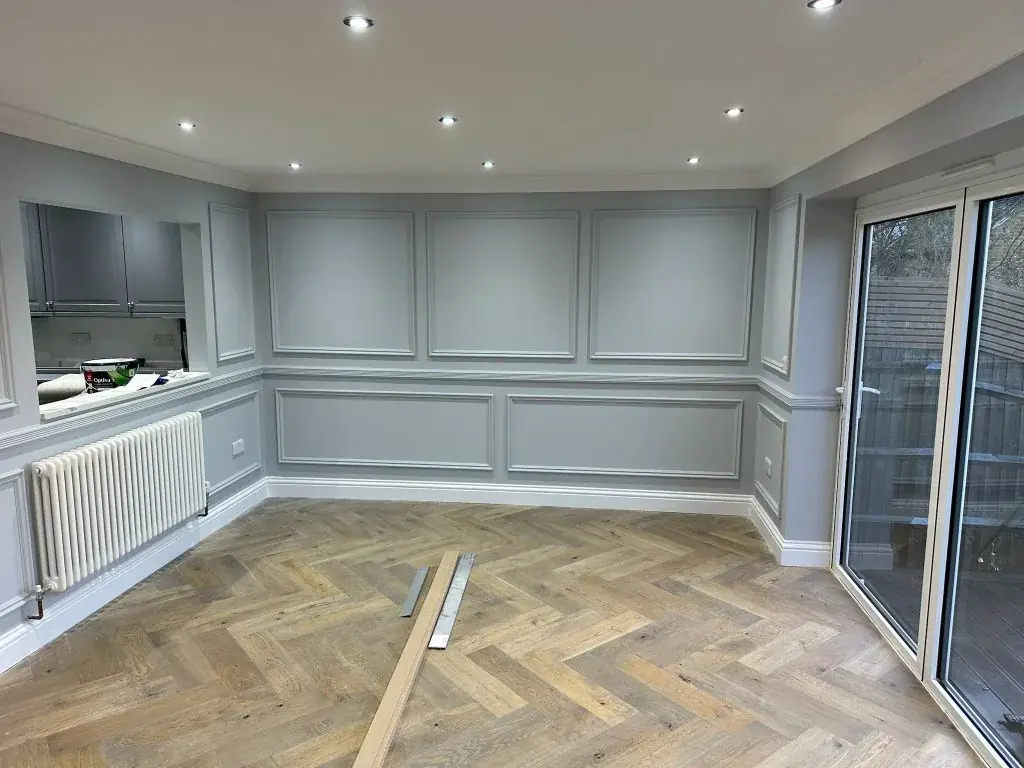
A good renovation is not just a better finish; it is a way of reshaping the home around how you actually live. In Morden, that means deciding what stays, what changes and how the work will be phased so the building remains usable where possible.

- Service
- House renovation
- Neighbourhood
- Morden
- Borough
- Merton
- Next step
- Discuss your project
Your project brief
Set the renovation around the building’s real condition
Before choosing colours or finishes, the important question is what the existing structure, services and previous alterations are telling you. A careful renovation scope records cracks, damp, uneven floors, outdated wiring routes, tired pipework and any changes made by earlier owners, so the work starts from facts rather than assumptions.
That review also helps separate tasks that are easy to confuse. Structural opening changes, service upgrades and decorative renewal may all happen in one programme, but they should be described separately so each trade knows its responsibility and hidden issues are not disguised as a simple refresh.
Morden checks before renovation work starts
Use Merton’s conservation-areas information only as a starting point for checking whether your exact address is affected. The council says conservation areas are places of special architectural or historic interest and that some locations have extra planning controls. It also says a small number of areas have Article 4 directions, so the home must be checked individually rather than assumed to be covered or exempt.
Design decisions
Plan for people, access and the order of work
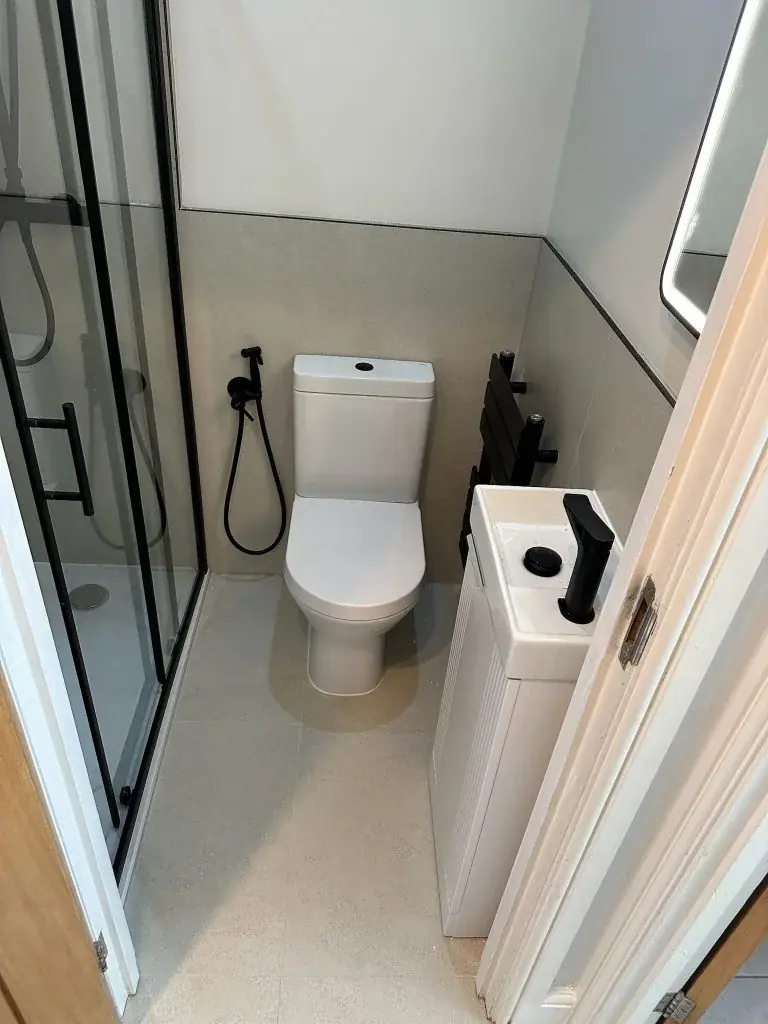
A renovation works best when day-to-day living is considered from the start. If part of the home stays occupied, the scope should cover safe access, dust control, temporary kitchen or bathroom arrangements and which services must remain live. That avoids last-minute changes that affect time and cost.
It also helps to agree investigation, approvals and exclusions before demolition begins. If a survey finds a load-bearing wall, a problematic service route or a repair beyond the original brief, the next step should be written into the scope, along with handover records so you know what has been completed and what remains.
Design checks
Four things we confirm before drawing a house renovation.
- 01Record existing defects and previous alterations.
- 02Separate structural changes, service upgrades and decorative work.
- 03Discuss occupancy, safe access and essential services during work.
- 04Agree investigation, approvals, exclusions and handover records in the written scope.


Questions
Before you call about Morden.
How should I decide which parts of a renovation to tackle first?
Start with the parts that affect safety, structure and services, then move to room layouts and finishes. If the home has multiple issues, a written sequence helps prevent decorative work being stripped out by later changes.
Why does the renovation scope need to separate different trades?
Because one trade’s work can affect another’s. For example, plumbing routes may change wall boxing, while structural work can alter electrical runs. Clear separation reduces overlap and makes responsibilities easier to track.
What records are useful at handover?
Ask for a clear list of completed works, agreed exclusions, product details where relevant and any outstanding items. That gives you a practical reference if you later add more work or need to query what was installed.
Planning and project guidance
- Conservation areas | Merton Council
- GOV.UK · Planning permission
- GOV.UK · Building regulations approval
- GOV.UK · Party walls and building work
Check the current guidance for your address before relying on a planning route. This guide is not a planning decision or a verified local case study.
Other services in Morden








