
Merton · South London
Plumbingin Morden.
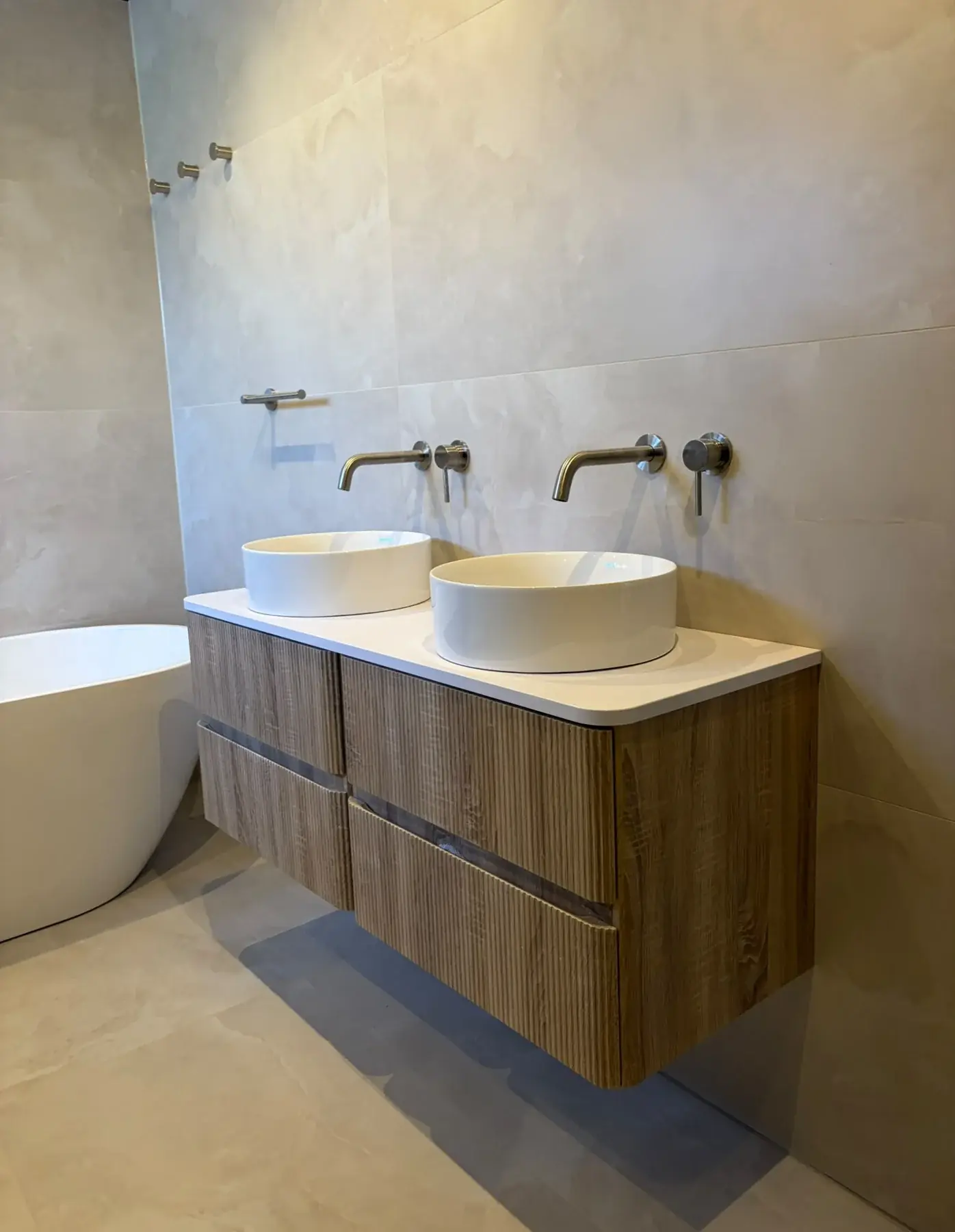
Plumbing changes are rarely just about moving a fitting on paper. The real questions are how water and waste can run, what can be accessed safely and whether the new room layout makes sense once the pipework is taken into account.
- Service
- Plumbing
- Neighbourhood
- Morden
- Borough
- Merton
- Next step
- Discuss your project
Your project brief
Design the room around the pipework, not the other way round
If a sink, shower or appliance is moving, the route for the supply and waste needs to be considered early. The position of walls, floors and cabinets affects how much hidden work is needed, so a layout that looks simple on a sketch may be more involved once the plumbing is traced properly.
That is especially important in kitchens and bathrooms where several services meet. The closer you get to the final layout before checking the pipework, the greater the chance of changes later. A good scope should note which items are being altered and which existing pipes or waste routes are staying in place.
Morden checks for plumbing-linked alterations
In Merton, conservation status or Article 4 directions may matter if plumbing changes are tied to alterations that affect the external appearance or layout of the building. The council’s guidance makes clear that the exact address must be checked through its conservation information, not assumed from the borough name. For internal plumbing, the key issue is usually the linked building work, not the pipework alone.
Design decisions
Separate first-fix, second-fix and problem-solving work
Plumbing often happens in stages. First-fix work sets up the concealed routes, while second-fix work connects the visible fittings once the surfaces and furniture are ready. Keeping those stages distinct helps the wider refurbishment run in the right order and makes it easier to see what has been installed at each step.
It is also wise to define how much investigation is included. If there is an accessible issue with an existing pipe, the brief should say whether the job includes tracing and identifying the fault or only carrying out the agreed alteration. That avoids confusion where old plumbing defects are found during a planned upgrade.
Design checks
Four things we confirm before drawing plumbing work.
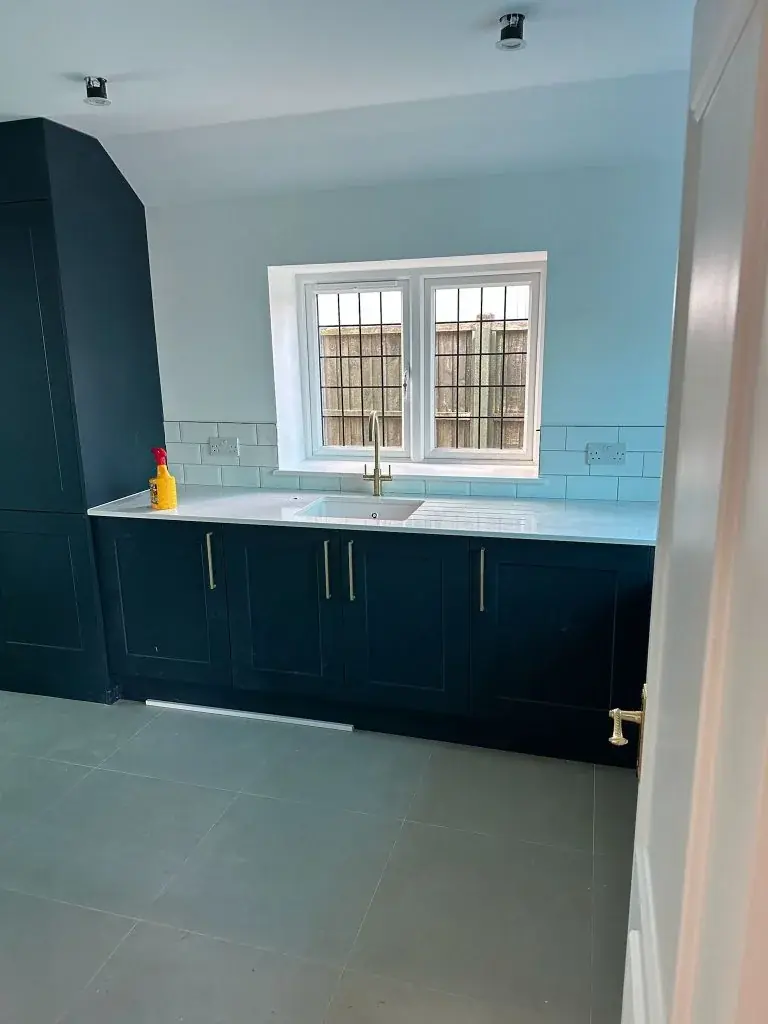
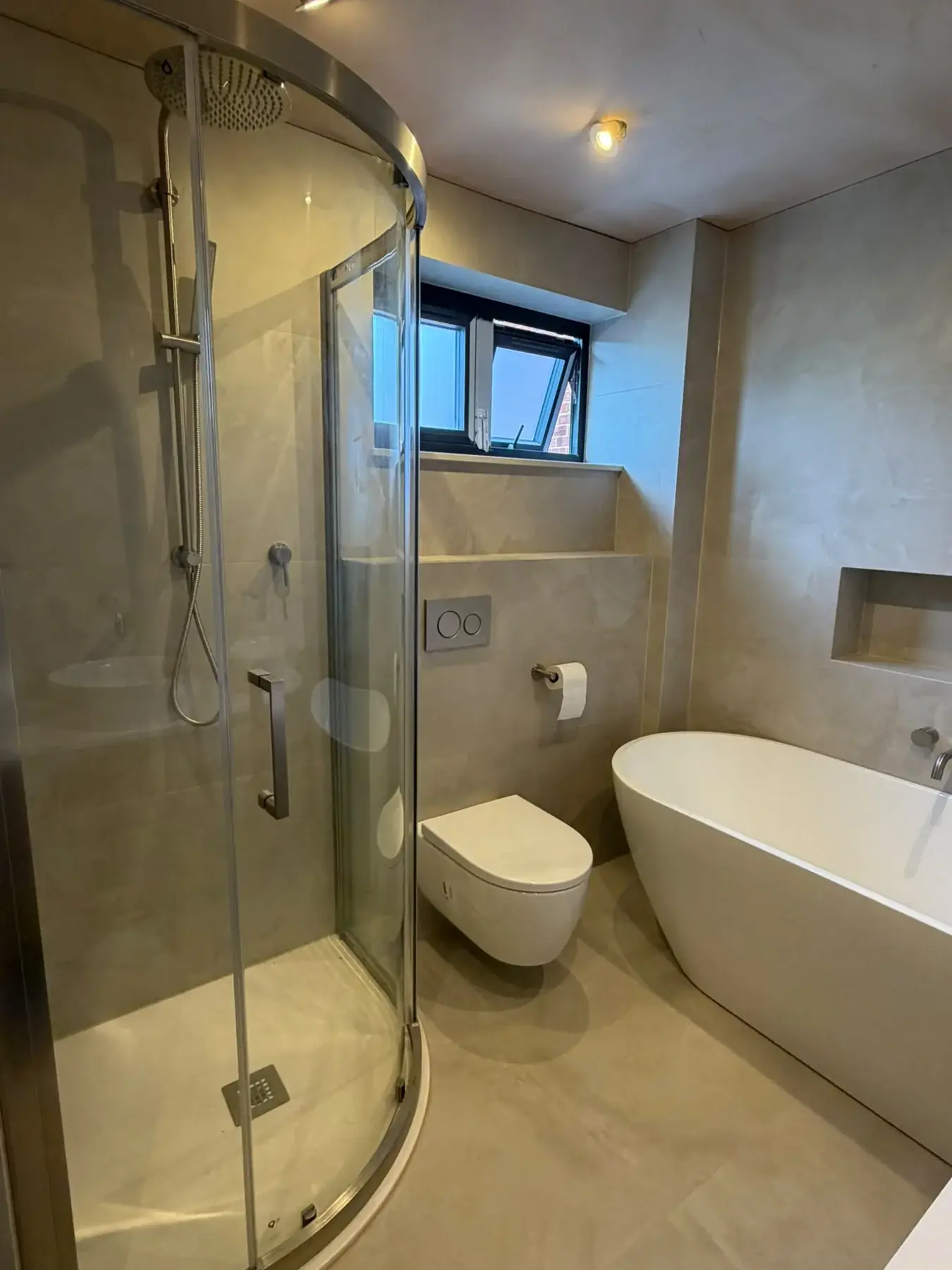
- 01Water supply and waste pipe alterations for agreed kitchen and bathroom layouts.
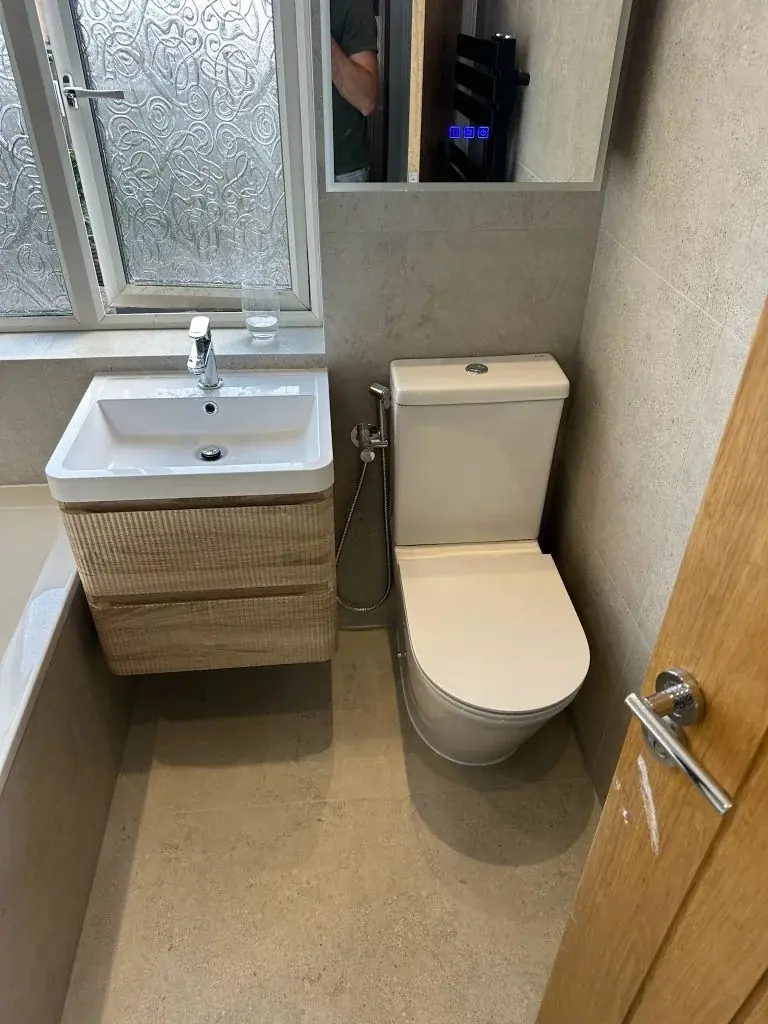
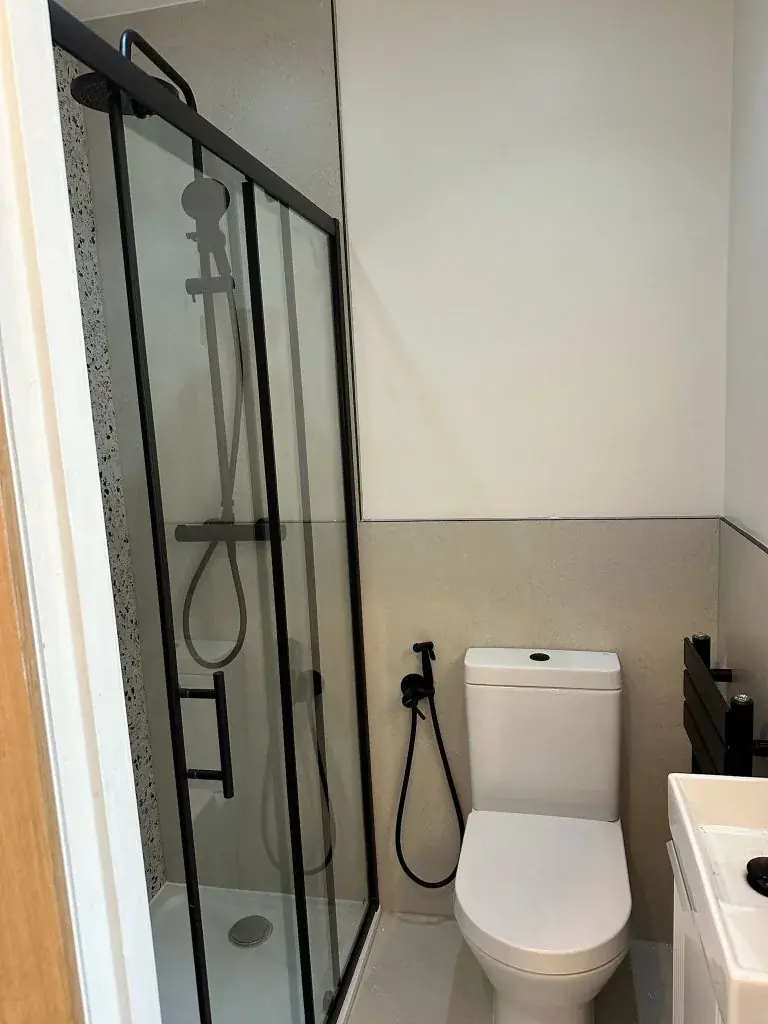
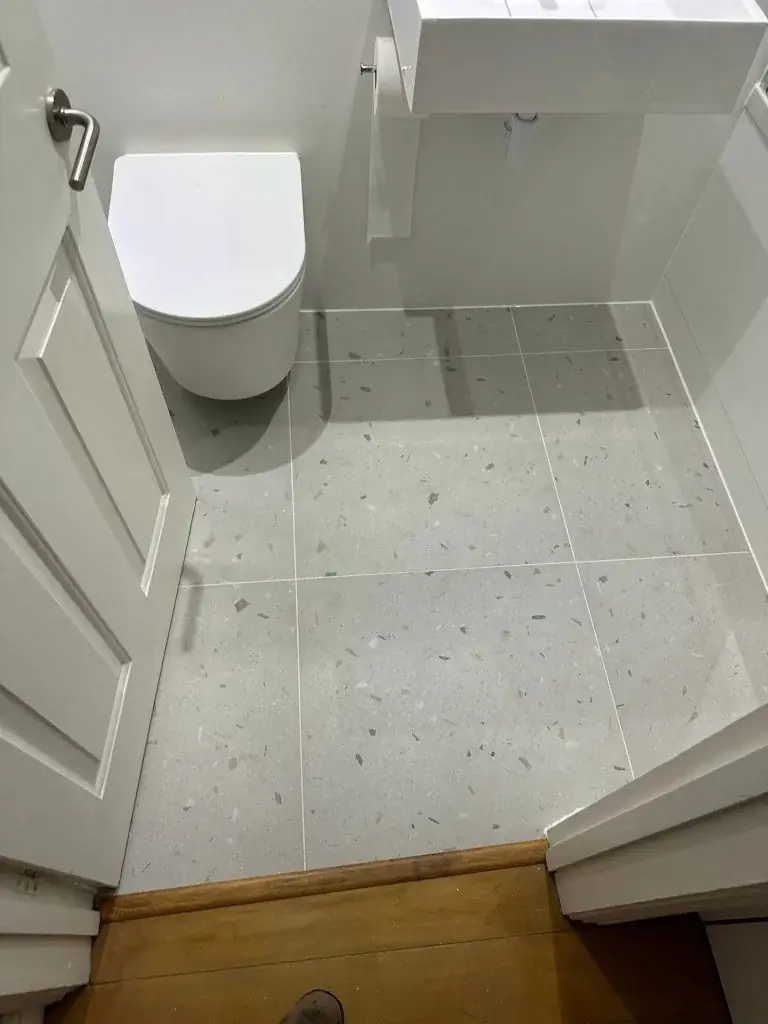
- 02Installation or replacement of sanitaryware, taps and associated connections.
- 03Plumbing first-fix and second-fix work coordinated with the surrounding building project.
- 04Assessment of accessible pipework and investigation of issues within an agreed scope.
Why does changing the room layout affect plumbing so much?
Because the fittings have to connect to supplies and drainage that are already there or newly created. Moving things across the room can mean more hidden work, more finishes to disturb and a different sequence for the whole job.
What is the difference between first-fix and second-fix plumbing?
First-fix prepares the concealed pipe routes. Second-fix connects the visible items after the building surfaces are ready. Separating them keeps the wider project organised and reduces the risk of damaging finished work.
Should an old leak be included in a planned plumbing brief?
Yes, if the issue is accessible and part of the same area of work. The scope should state whether the job is an alteration, an investigation or both, so the response matches the actual problem.
Planning and project guidance
- Conservation areas | Merton Council
- GOV.UK · Planning permission
- GOV.UK · Building regulations approval
- GOV.UK · Party walls and building work
Check the current guidance for your address before relying on a planning route. This guide is not a planning decision or a verified local case study.
Other services in Morden








