
Merton · South London
Renderingin Morden.
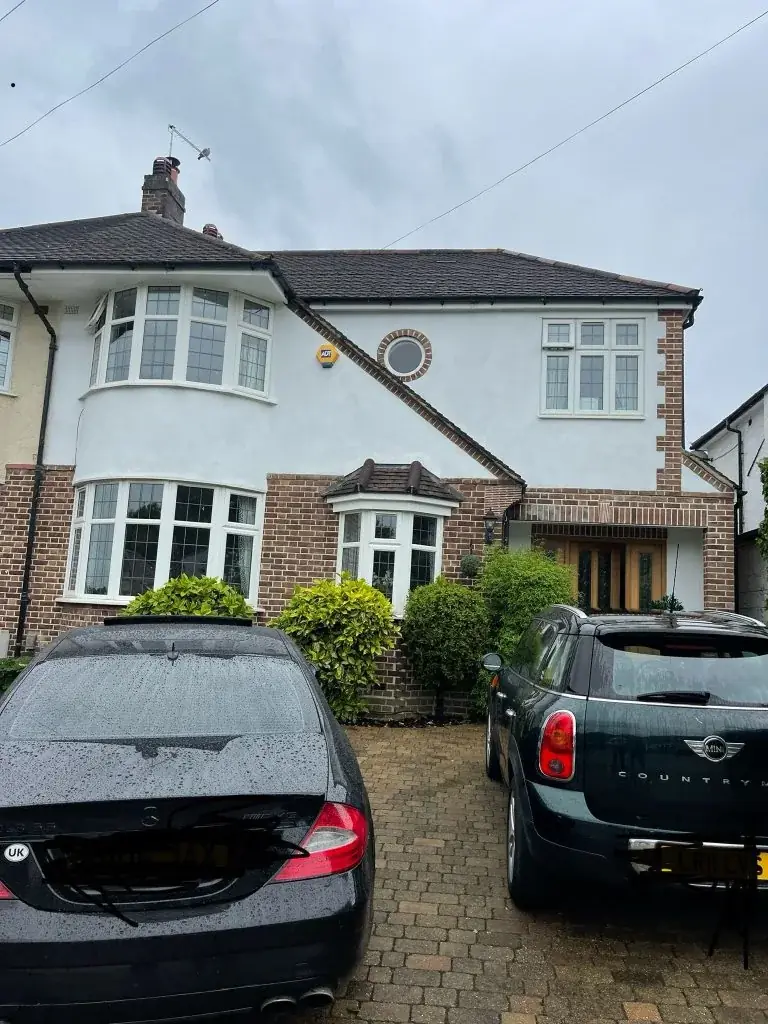
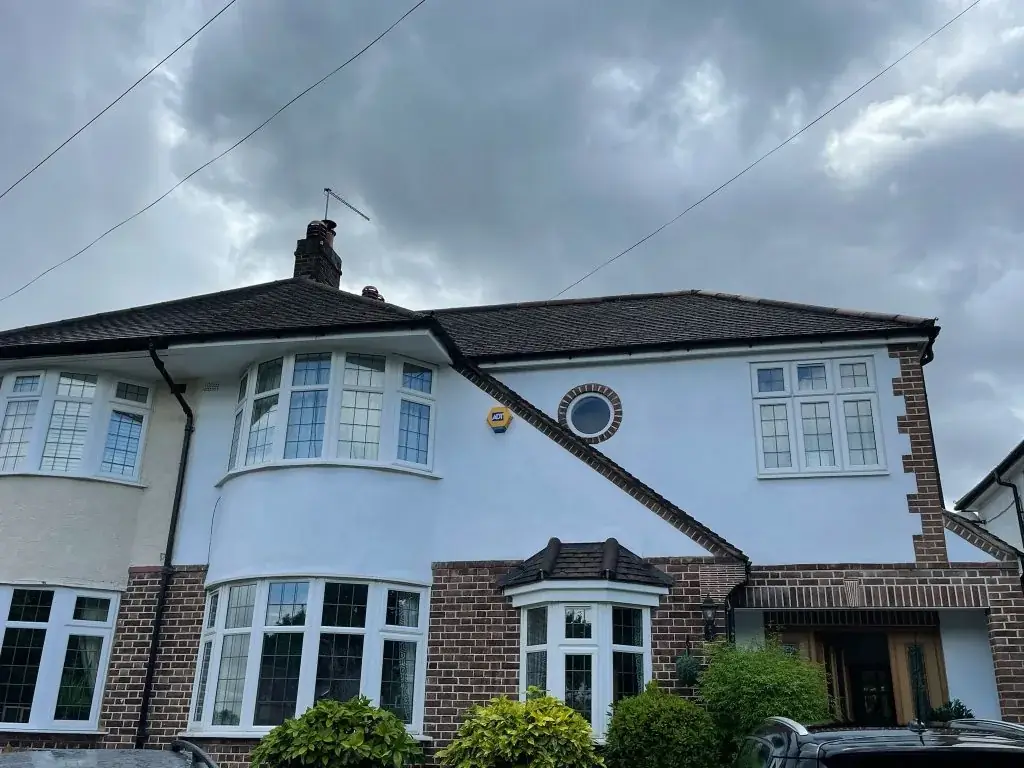
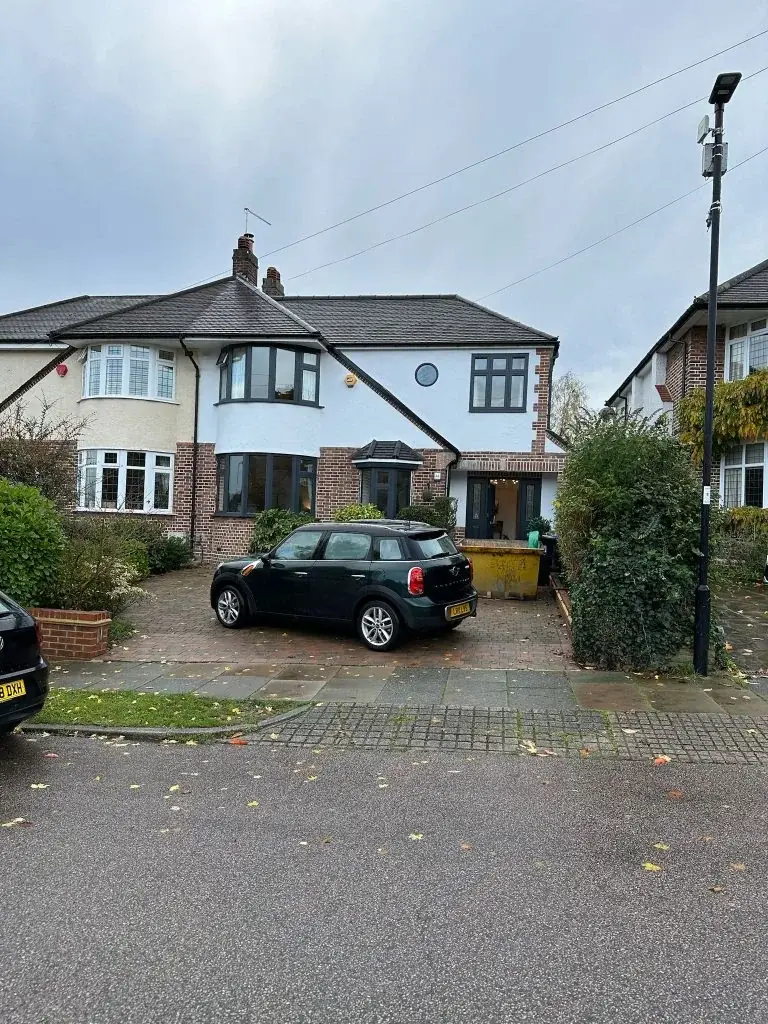
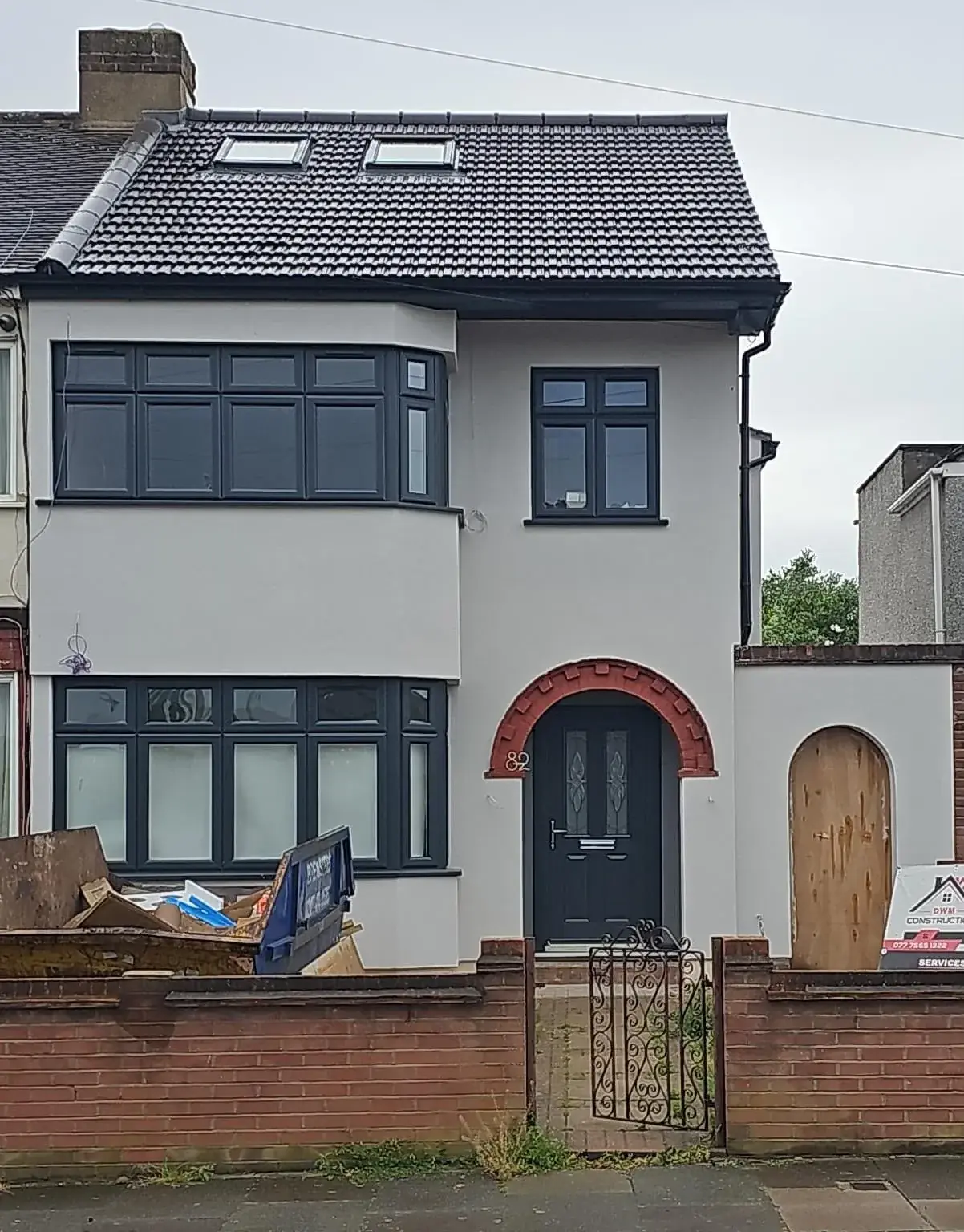
Rendering changes the look of an external wall, but the finish only works if it suits the construction underneath. The key choice is how the render will behave on that specific wall, around its openings and where it meets adjoining materials.
- Service
- Rendering
- Neighbourhood
- Morden
- Borough
- Merton
- Next step
- Discuss your project
Your project brief
Assess the wall before choosing the render system
A render should be matched to the condition and type of the wall beneath it. Failed render, patch repairs, moisture issues and weak backgrounds can all influence whether local repairs are enough or whether a fuller treatment is needed. The finish should not be treated as a cosmetic layer alone.
That is why inspection matters before the work is agreed. If the existing wall has cracked or degraded areas, the brief should say whether the old render is being repaired, removed or overlaid. The wrong choice can lead to poor adhesion or early failure, especially where the background has already moved or weathered.
Morden checks for external render changes
Merton’s conservation guidance should be checked against the exact address if the rendering work alters the outside appearance. The council says conservation areas may have extra controls and that some places are covered by Article 4 directions. That does not mean every home in the borough is restricted; the site itself has to be checked before the scope is fixed.
Design decisions
Pay attention to junctions and weather exposure
External walls are exposed to rain, wind and temperature changes, so the edges of the render are crucial. Openings, roof edges and neighbouring materials all need compatible details so water does not find weak points. A neat field of render is not enough if the junctions are badly thought through.
The external appearance also needs to be proportionate to the rest of the building. If a finish is being changed as part of a renovation, the specification should note the intended result and any associated making-good around trims, cills or adjoining surfaces. That keeps the render work focused on the wall, not unrelated decoration.
Design checks
Four things we confirm before drawing external rendering.
- 01Assessment and preparation of suitable external wall backgrounds.
- 02Removal or repair of failed render where the agreed approach requires it.
- 03Application of a specified render system with compatible details and finishes.
- 04Junctions around openings, roof edges and adjoining materials considered within the scope.
Why does the wall condition matter so much before rendering?
Because render depends on the background holding it properly. If the wall is weak, damp or poorly repaired, the finish may fail even if the surface looks tidy at first.
What role do junctions play in render performance?
They are the places where water can get in if the details are poor. Openings, roof edges and joins with other materials need careful thought so the finish remains weather-resistant.
Should render be chosen only for appearance?
No, it also needs to suit the wall beneath it and the exposure the wall faces. A good-looking finish that is wrong for the substrate can create problems later.
Planning and project guidance
- Conservation areas | Merton Council
- GOV.UK · Planning permission
- GOV.UK · Building regulations approval
- GOV.UK · Party walls and building work
Check the current guidance for your address before relying on a planning route. This guide is not a planning decision or a verified local case study.
Other services in Morden








