
Merton · South London
Roofingin Morden.
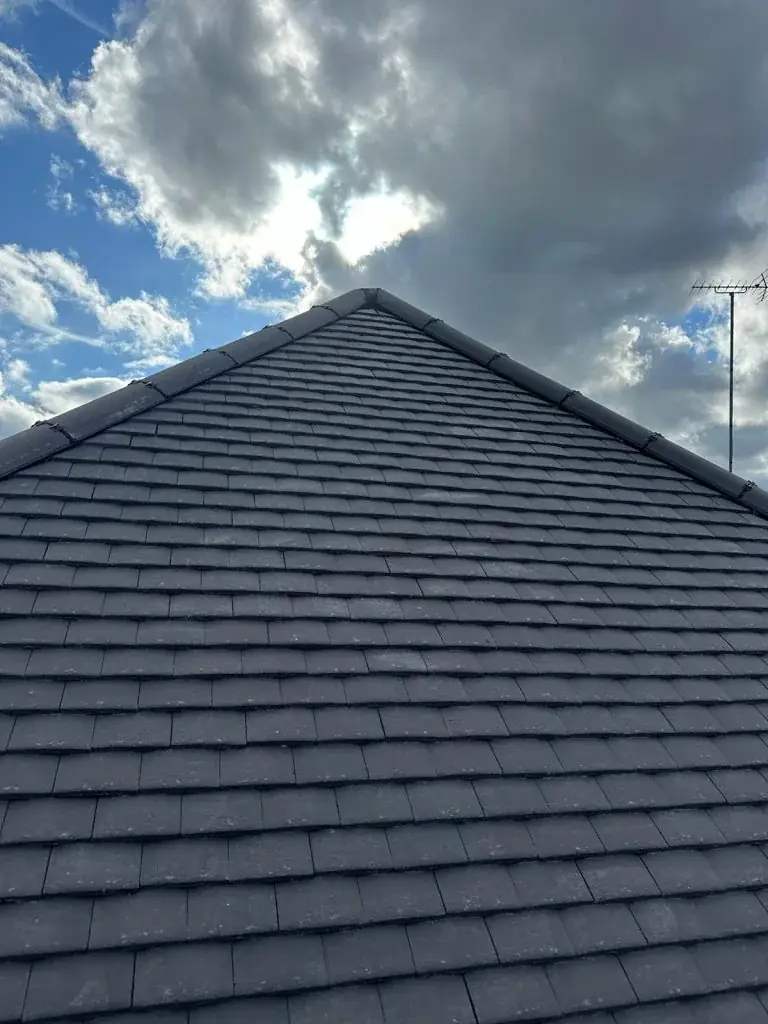
A roof repair needs to answer what is causing the problem, not only where the damp is showing inside. The right approach looks at the covering, the junctions and the underlying condition so the repair can be matched to the actual fault.
- Service
- Roofing
- Neighbourhood
- Morden
- Borough
- Merton
- Next step
- Discuss your project
Your project brief
Trace the cause before deciding the repair
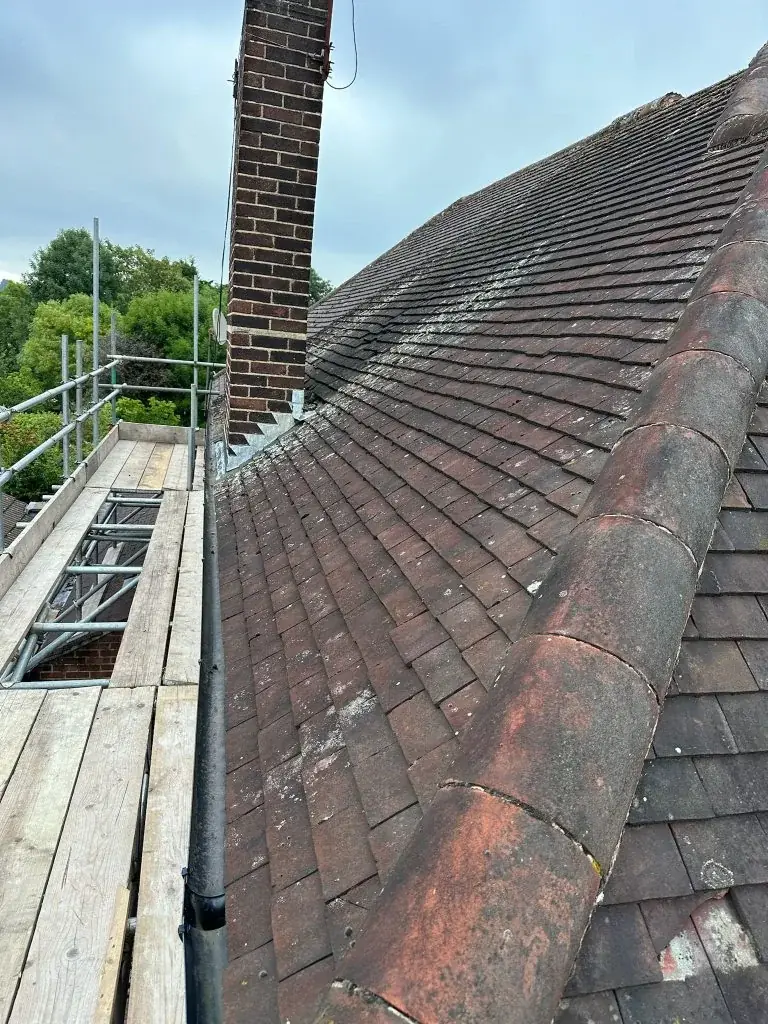
A roof issue may appear as a stain or a missing tile, but the real cause can be elsewhere. The covering, ridges, flashings, abutments and drainage points should all be considered, because water often travels from the original defect before showing up inside. That makes a visual patch alone risky.
It is also important to agree what is accessible and what is not. A planned roofing brief should identify the area to be inspected, the likely repair scope and whether further work is needed if the investigation reveals hidden deterioration. That keeps the job focused on the cause rather than an assumption.
Morden checks before roofing changes
Merton’s conservation guidance should be checked if the roof work changes the external appearance or forms part of a wider alteration to the property. The council notes that some areas have extra planning controls and that Article 4 directions exist in specific places. The exact address matters, so the borough name alone is not enough to confirm the planning position.
Design decisions
Keep roof repairs distinct from loft work
Roof repair and roof replacement are not the same, and they should not be blurred with loft conversion work. A straightforward repair may only involve localised interventions, while conversion-related roofing work can include structural requirements and design changes. The scope needs to say which route applies so the right specialists and records are in place.
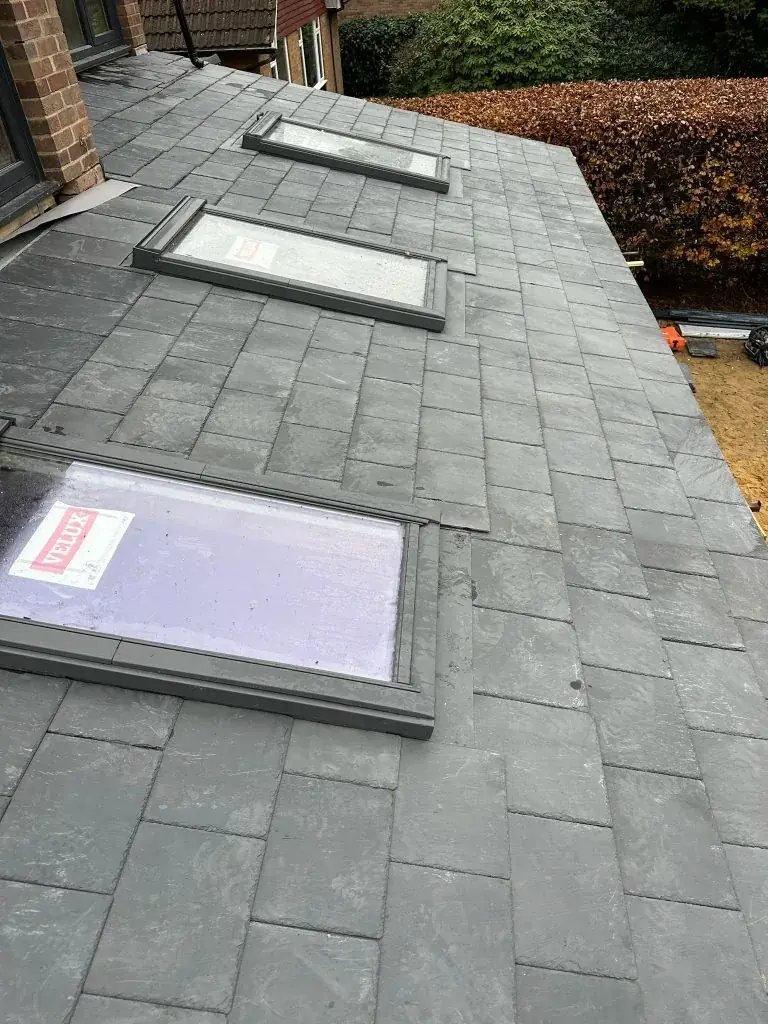
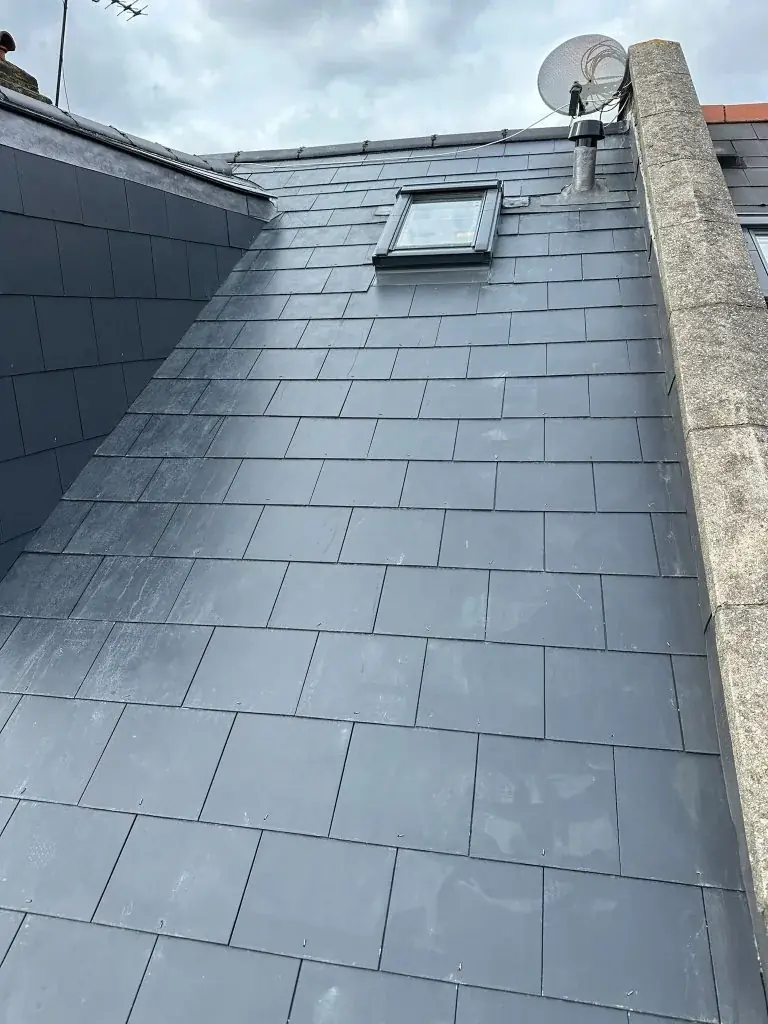
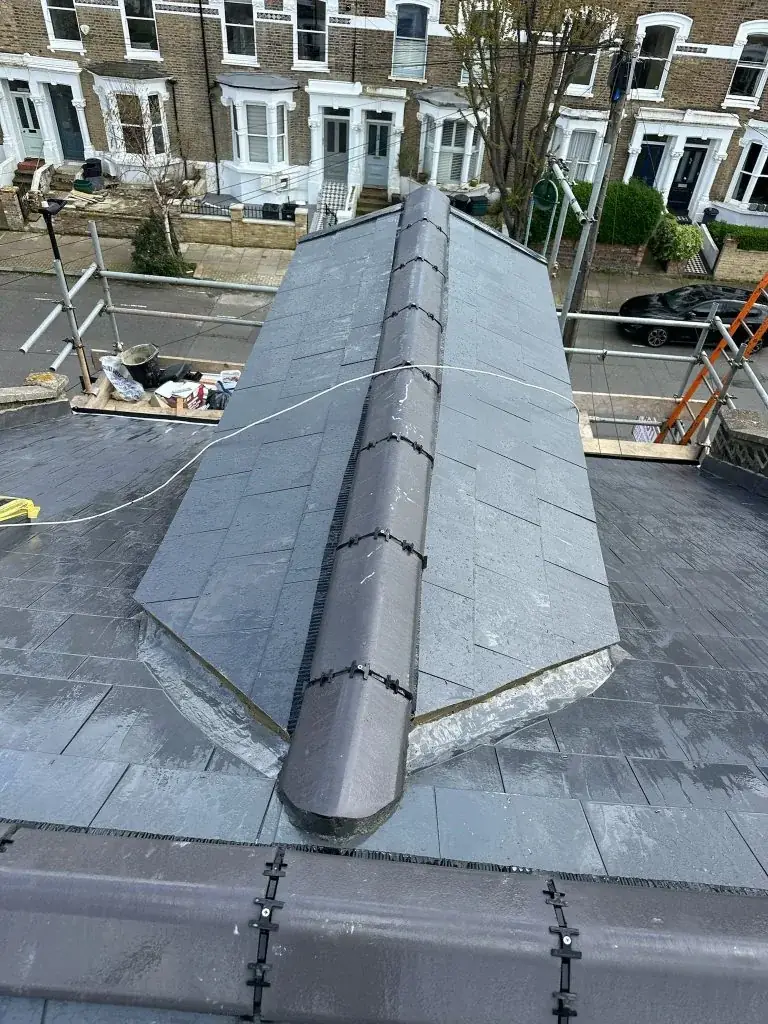
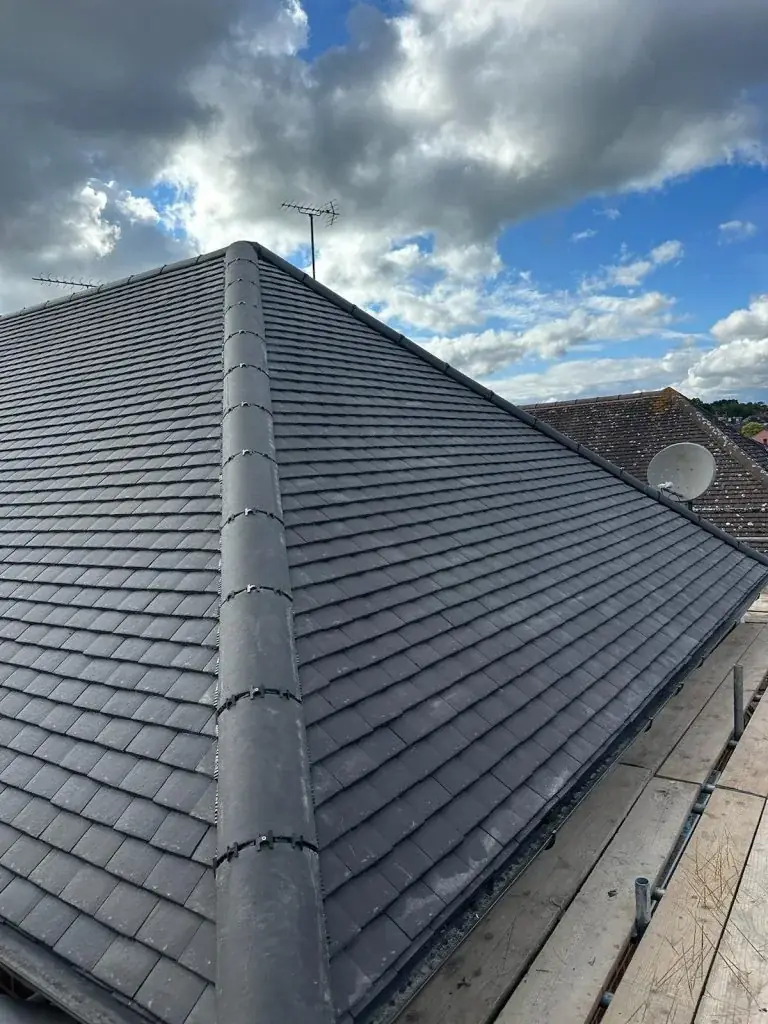
Junctions matter especially where the roof meets walls or other materials. Flashings and abutments are common weak points, and they need to be considered with the covering itself. A watertight result depends on the whole system, not just the visible surface tile or membrane.
Design checks
Four things we confirm before drawing roofing work.
- 01Investigation of accessible roof defects and an agreed repair scope.
- 02Work to suitable roof coverings, ridges and associated details where specified.
- 03Flashing, abutments and rainwater junctions considered alongside the covering.
- 04Roof alterations coordinated with loft-conversion design and structural requirements.
Why is a roof leak not always fixed by replacing the visible damaged part?
Because water can enter at one point and show itself elsewhere. The repair should look at the whole route the water may have taken, including flashings, ridges and junctions.
How is roof repair different from roof replacement?
Repair is localised and targeted at a defect. Replacement is a broader change to the covering and often involves more extensive work to the roof structure and associated details.
When does roofing work need to consider loft conversion design?
When the roof changes are linked to creating habitable space. At that point the roof work may need to align with structural and layout requirements rather than just patching a defect.
Planning and project guidance
- Conservation areas | Merton Council
- GOV.UK · Planning permission
- GOV.UK · Building regulations approval
- GOV.UK · Party walls and building work
Check the current guidance for your address before relying on a planning route. This guide is not a planning decision or a verified local case study.
Other services in Morden








