How to Choose the Right Builder for Your House Extension
The short answer
Choosing the right house extension builder is about checking risk, not chasing the lowest quote. Look for a builder with suitable insurance, comparable references, clear day-to-day supervision, an itemised tender and a proper contract. You should also understand staged payments, how variations are approved and what evidence the builder can provide from similar projects. That due diligence helps you compare like with like before you commit.
Contents of this guide
- What to check before you compare quotes
- Insurance and risk cover should be specific, not vague
- Comparable references are more useful than general testimonials
- Named supervision matters more than company branding
- An itemised tender lets you compare like with like
- Contracts protect both sides when the scope changes
- Staged payments should follow progress, not optimism
- Change control is where many extension budgets go wrong
- Practical checks before you appoint anyone
- Questions homeowners ask
- Sources
What to check before you compare quotes
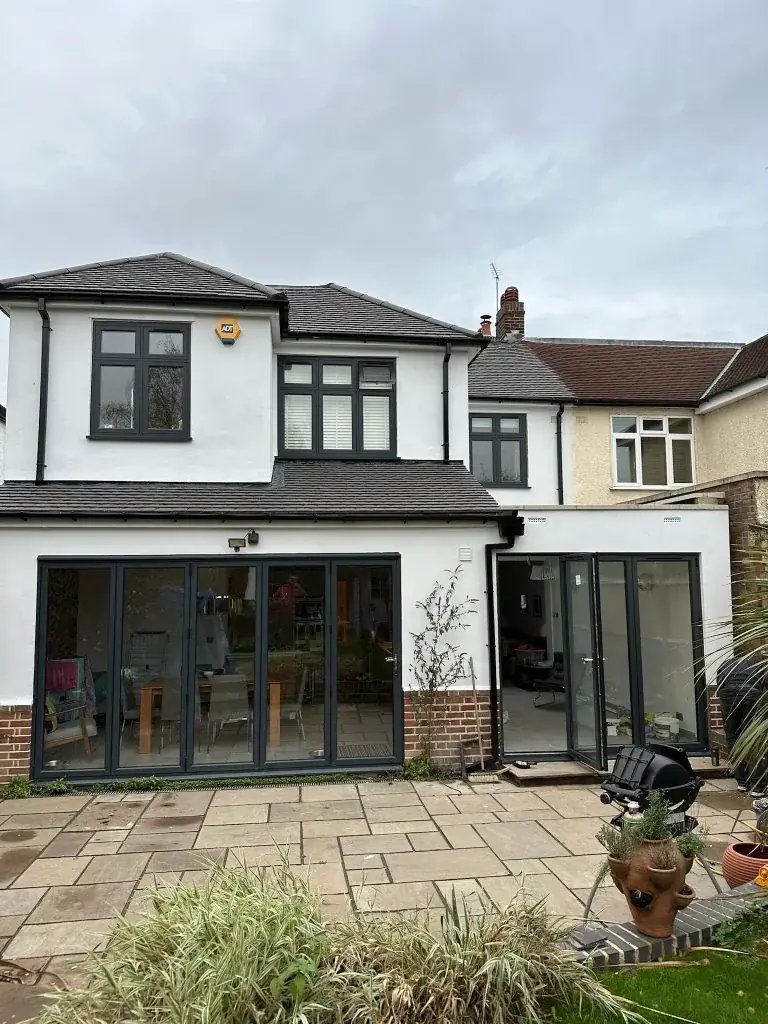
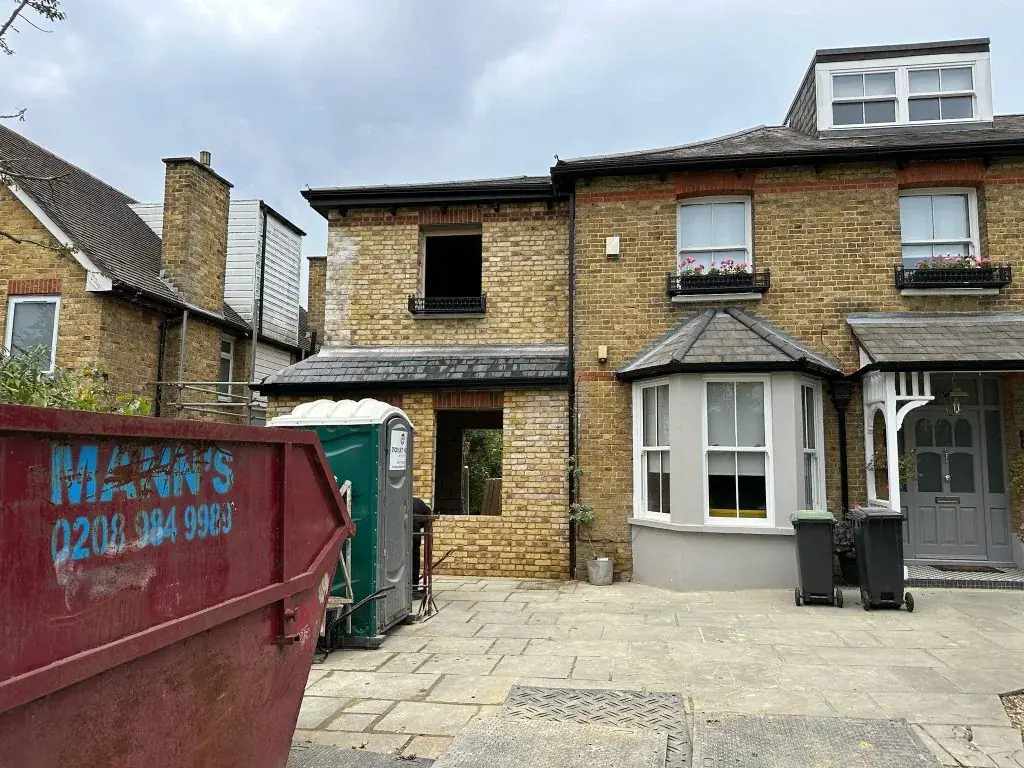
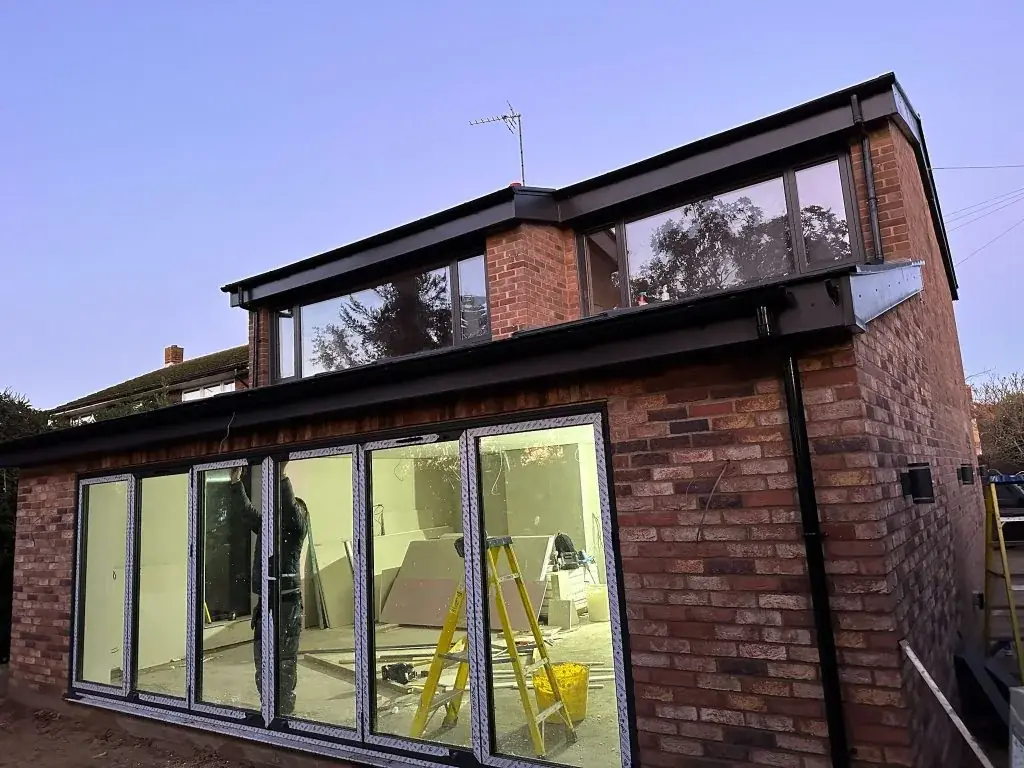
The first job is to narrow the field to builders who actually do the kind of work you need. A house extension builder should be comfortable with extensions rather than only new builds or cosmetic refurbishments, because extension work brings different coordination problems, existing-structure surprises and neighbour-facing issues. If your project is a single rear addition, a single-storey extensions specialist may be a better fit than a general builder who mostly handles interiors. For a larger or more complex scheme, a firm that regularly undertakes wraparound extensions may be more relevant.
It also helps to start with your project type, not just the postcode. Homes in London, Surrey, Kent, Essex, Hertfordshire, Buckinghamshire and Berkshire can present different access constraints, party-wall interfaces and planning considerations, but the key point is still the same: the builder must show experience with work of similar scale and complexity. If you want a sense of the company’s broader portfolio, browse recent projects and use that as a prompt for questions, not as an endorsement. You are checking whether the team’s track record matches the shape of your scheme, not whether the photographs look appealing.
Insurance and risk cover should be specific, not vague
Insurance is one of the clearest early checks because it protects against financial gaps if something goes wrong. Ask for evidence of employers’ liability insurance, public liability insurance and any other cover relevant to the job. If the builder uses subcontractors, ask how their insurance is arranged and whether it aligns with the main contract. A serious house extension builder should not be offended by this request; they should expect it. Make sure the documents are current and cover the project period, rather than relying on a verbal assurance.
Do not stop at seeing a certificate. Check the name of the insured entity, the policy dates and whether the cover level is appropriate for the works being proposed. If the builder is coordinating structural work, excavations, roof changes or services alterations, you need someone who treats risk as a managed part of the job rather than an afterthought. Insurance does not replace good workmanship or proper design, but it is a basic sign that the business is organised enough to take your project seriously.
Comparable references are more useful than general testimonials
References are most helpful when they are comparable. Ask for recent clients whose projects are similar in type, scale and complexity to yours, such as another rear extension, side-return scheme or open-plan remodel with structural changes. A builder who has only completed small decorating jobs may still be capable, but that experience is not directly comparable. The best references will help you understand how the company handled planning constraints, site access, variations, communication and finishing standards on an extension rather than on unrelated work.
When you speak to references, ask practical questions: who was the day-to-day contact, how were changes priced, how tidy was the site, and how were delays or design questions handled? If possible, ask whether the final account closely followed the agreed scope or whether it changed substantially as the job progressed. References should inform your judgment, not replace it. You are looking for patterns that suggest the builder manages extension work in a controlled, transparent way.
Named supervision matters more than company branding
One of the most important due-diligence points is who will actually run the job on site. Some builders are strong at winning work but delegate supervision to whoever is available. For a house extension, you need to know the named person responsible for day-to-day coordination, quality control and communication. Ask whether that person will be on site regularly, how often they attend, and who your main contact will be if they are away. This avoids the common problem of a polished sales process followed by weak site management.
You should also understand how the builder coordinates subcontractors and design information. Extension work often involves structural engineers, building control input, joiners, plumbers, electricians and finish trades working in sequence. If nobody clearly owns that coordination, the project can drift. A good builder should be able to explain their supervision structure in plain language: who checks deliveries, who signs off stages, who handles variations and who escalates issues when drawings or site conditions do not match.
An itemised tender lets you compare like with like
A proper tender is more than a single total at the bottom of a page. It should be itemised enough for you to see what is included, what is assumed and what is excluded. That means breaking down preliminaries, demolition, structural work, roofing, windows, insulation, first fix, second fix, finishes and external works where relevant. Without that detail, two quotes may look similar but cover very different scopes. An itemised tender makes it much easier to identify omissions before they become expensive misunderstandings.
Be wary of quotes that are too brief, too neat or packed with vague allowances. Extension projects often need provisional sums or assumptions where design information is not yet complete, but those allowances should be explained clearly. If something is not included, it should be stated plainly. If the builder has allowed for a particular finish or specification, that should be shown. This is where due diligence pays off: you are not hunting for the cheapest number, you are testing whether the builder has priced the same job you think you are buying.
Contracts protect both sides when the scope changes
A written contract is essential because extension projects rarely stay exactly as first imagined. The contract should set out the scope, payment stages, what happens if the design changes, how defects are handled and how disputes are managed. It should also identify the party responsible for planning any agreed extras, so there is no confusion later about whether an instruction was verbal, implied or genuinely authorised. If a builder is reluctant to work from a proper contract, treat that as a serious warning sign.
You do not need to understand every legal detail yourself, but you do need a contract that reflects the actual project. For example, if your scheme is moving from concept to construction while details are still being refined, the contract should say how those refinements will be handled and priced. In England, planning permission and building regulations approval are separate matters, and the builder’s paperwork should not blur that distinction. A clear contract helps everyone track what has been agreed, what still needs design input and what counts as a change.
Staged payments should follow progress, not optimism
Staged payments are normal on an extension, but the structure matters. A sensible payment schedule links each instalment to a real stage of progress or a defined milestone, rather than a vague calendar date. That way, you are paying for work that has actually been completed or independently confirmed, not simply for time passing. Ask the builder to explain why each stage exists and what evidence supports it before payment is requested. This is especially important where structural work, roofing or first fix are involved.
Avoid paying large sums upfront unless the arrangement is clearly justified and documented. Ask what deposit is required, how materials are handled, and what happens if a stage is delayed because of design, supply or weather issues. The aim is not to pressure the builder, but to keep cash flow, quality checks and project progress aligned. If the payment structure feels one-sided or rushed, compare it with other tenders and ask for it to be made more specific before you sign.
Change control is where many extension budgets go wrong
Even with good drawings, extension projects often uncover site conditions that were not obvious at the outset. That is why change control is so important. You need a clear process for pricing, approving and recording any variation, whether it is a design revision, an unforeseen structural issue or a requested finish upgrade. Without that process, small changes can accumulate into a much larger final bill than the original quote suggested.
Ask the builder how variations are authorised and whether you will receive written confirmation before the work proceeds. Good practice is to keep a written trail of instructions, costs and implications for time and finish. This protects both sides: you know what you have approved, and the builder knows what has been instructed. If the builder says they “sort it as they go”, press for a more disciplined approach. A well-run project needs flexibility, but it also needs documentary control.
Practical checks before you appoint anyone
Before you choose, do a final round of checks. Confirm the business name on the quote matches the company name on the insurance documents and contract. Check that the scope includes the same drawings or schedule you used for tendering. Make sure you know who will supervise the work, what payment stages are proposed and how any changes will be handled. If the builder has supplied references, use them to test how they dealt with similar extension issues rather than asking generic “were they good?” questions. If you want to see how a team presents completed work, use recent projects as a conversation starter, then return to the paperwork. If you are ready to move forward, the quote page is the place to begin a proper enquiry.
It can also help to compare at least two or three quotations on the same basis. That does not mean choosing by price alone; it means testing how each builder interpreted the brief. One quote may include proper preliminaries and supervision, while another appears cheaper because it has omitted scaffolding, waste removal, finishes or coordination. For homeowners planning a single-storey extensions project or a more complex wraparound extensions scheme, the safest choice is usually the builder who is most transparent, not the one who is merely the cheapest.
Questions homeowners ask
What is the most important thing to check in a house extension builder?
The most important thing is whether the builder can demonstrate suitable experience, proper insurance and clear supervision for extension work. After that, compare itemised tenders, not just totals. A strong builder should also be willing to work from a written contract and a clear variation process so the project stays controlled if the scope changes.
Should I choose the lowest quote for my extension?
Not automatically. A low quote can mean the builder has missed items, made optimistic assumptions or priced only part of the work. Compare what is actually included, who will supervise the site and how changes will be priced. The best value is usually the most transparent tender, not the cheapest headline figure.
What references should I ask a builder for?
Ask for recent references from projects similar to yours in scale and type, such as another rear, side or wraparound extension. Comparable references are more useful than general testimonials because they show how the builder handled communication, site organisation, changes and finishing standards on a similar job. Ask practical questions rather than broad opinions.
Why does named supervision matter?
Named supervision tells you who is responsible for daily coordination, quality control and communication on site. Without it, responsibility can become unclear once work starts. Knowing the supervising person helps you understand how issues are handled, how subcontractors are managed and who will be accountable for keeping the build moving.
What should be in the contract before work starts?
The contract should clearly set out the scope, payment stages, what counts as a variation, how defects are handled and how disputes are managed. It should match the drawings and tender documents you agreed on. If any part of the project is still being developed, the contract should say how those changes will be priced and approved.
Sources
- GOV.UK: Planning permission
- GOV.UK: Householder permitted development guidance (England)
- GOV.UK: Building regulations approval
- GOV.UK: Party walls and building work
General guidance for homeowners, not a substitute for advice on your specific property. Rules change; check the current position with your council or a qualified adviser.
Share this article
Talk it through with the people who build it.
Free consultation, honest advice and a fixed written price.