
Kensington and Chelsea · Central London
Doorsin Chelsea.
A good door is about fit as much as appearance. The opening, the frame, the swing, the clearances and the hardware all affect how it works day to day. The right decision is whether to retain the existing frame, alter the opening or replace the whole arrangement.
- Service
- Doors
- Neighbourhood
- Chelsea
- Borough
- Kensington and Chelsea
- Next step
- Discuss your project
Your project brief
Check the opening and frame before ordering
The first question is whether the existing frame and linings can be retained. That depends on condition, alignment and whether the door needs to sit neatly with the surrounding finishes. A survey should confirm the true measurements and reveal whether the opening is square enough for the chosen door.
Drawings can suggest a standard opening, but the real building may not match that. If the clearance is tight or the walls are not plumb, the finish and operation of the door will be affected. Measuring and checking on site avoids ordering a door that fits the drawing but not the opening.
Chelsea checks before changing a door opening
In Chelsea, any external door change or opening alteration should be checked against the exact property if the building has planning sensitivity. Kensington and Chelsea’s conservation-area guidance makes clear that protected status can influence how external changes are assessed, but that depends on the address. For an internal door, the main practical issue is fit, function and how the opening relates to the surrounding room.
Design decisions
Match the hardware to the door’s use
Hardware should follow the intended use of the door, not be left as an afterthought. Handles, hinges and latches all affect the feel and function of the installation, and any security or fire-performance requirements need to be considered before the order is finalised.
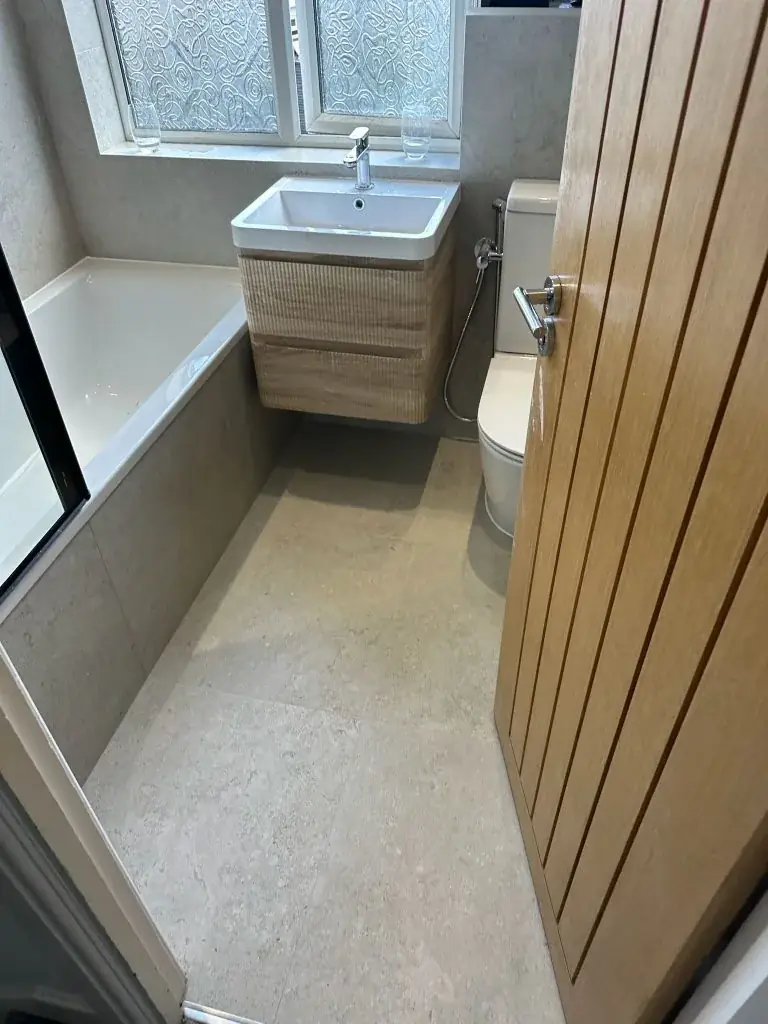
For internal doors, the scope can often focus on fitting, frame adjustments and making good around the architraves. If the work involves an external door or an altered opening, the installation requirements are different and the brief should say so clearly so the right checks are made.
Design checks
Four things we confirm before drawing door installation.
- 01Measure the opening on site before choosing the door.
- 02Confirm whether the frame, lining or architraves can stay.
- 03Match hardware to the door’s intended use and requirements.
- 04Record any external or altered-opening requirements separately.
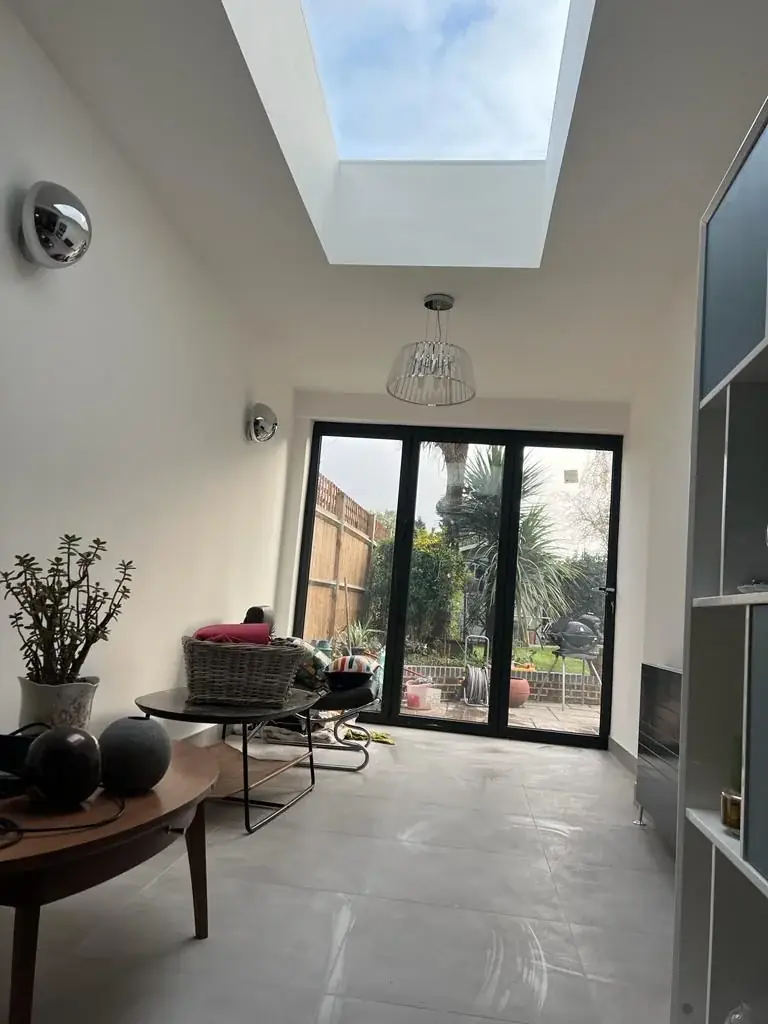
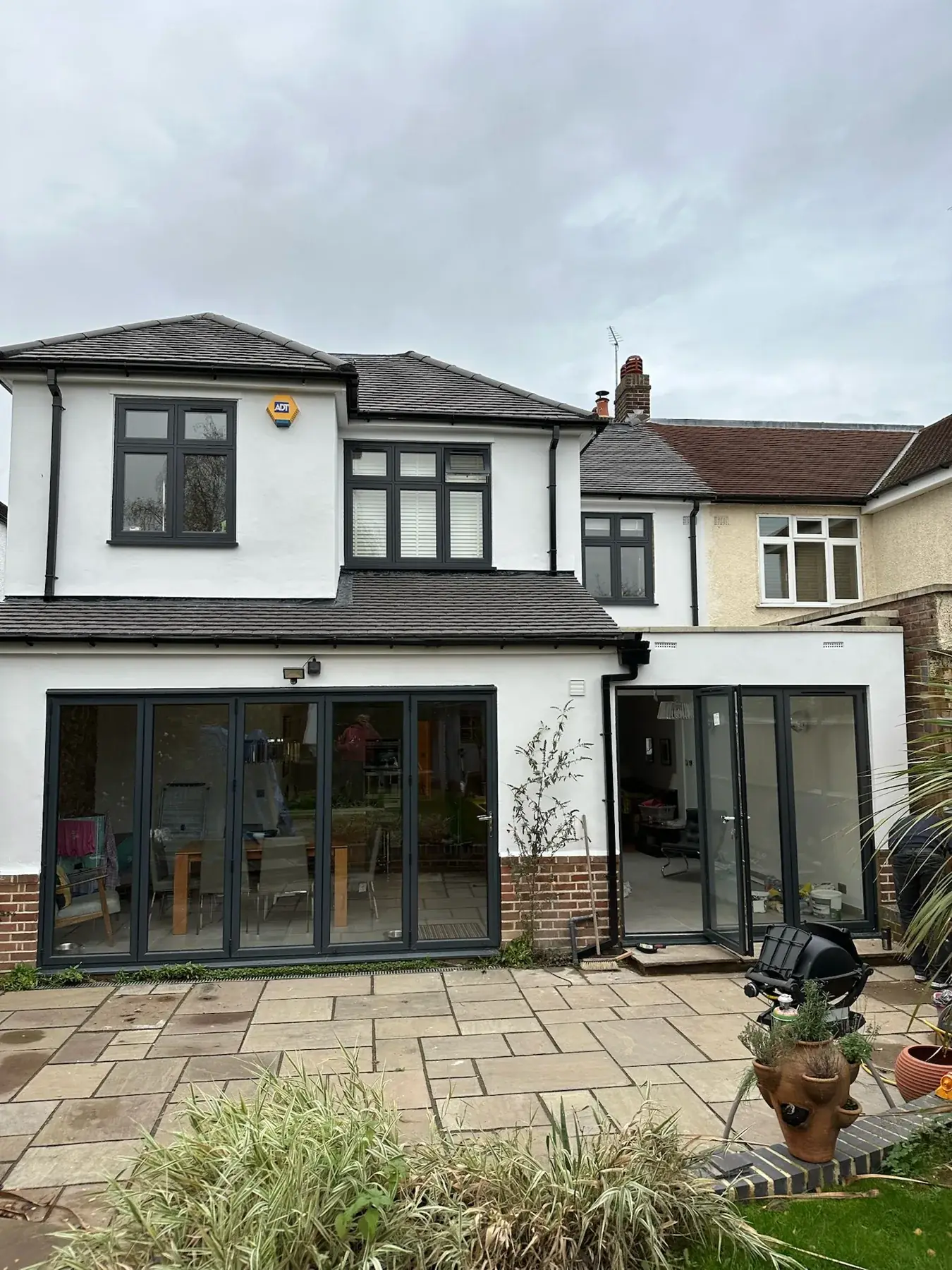

Why is the existing frame worth checking before replacement?
Because keeping the frame can save unnecessary work if it is straight and sound. But if it is out of plumb, damaged or the wrong size, replacing only the door will not give a proper result.
What should be considered besides the door leaf itself?
The frame, linings, clearances, hinges, latch or lock and the surrounding making-good. Those parts determine how the door looks, closes and lasts.
When does a door project become more than a joinery job?
When the opening is altered or the door has external, security or performance requirements. Then the scope needs to cover the wider installation conditions, not just the carpentry.
Planning and project guidance
- Conservation areas | Royal Borough of Kensington and Chelsea
- GOV.UK · Planning permission
- GOV.UK · Building regulations approval
- GOV.UK · Party walls and building work
Check the current guidance for your address before relying on a planning route. This guide is not a planning decision or a verified local case study.
Other services in Chelsea








