
Kensington and Chelsea · Central London
Plumbingin Chelsea.
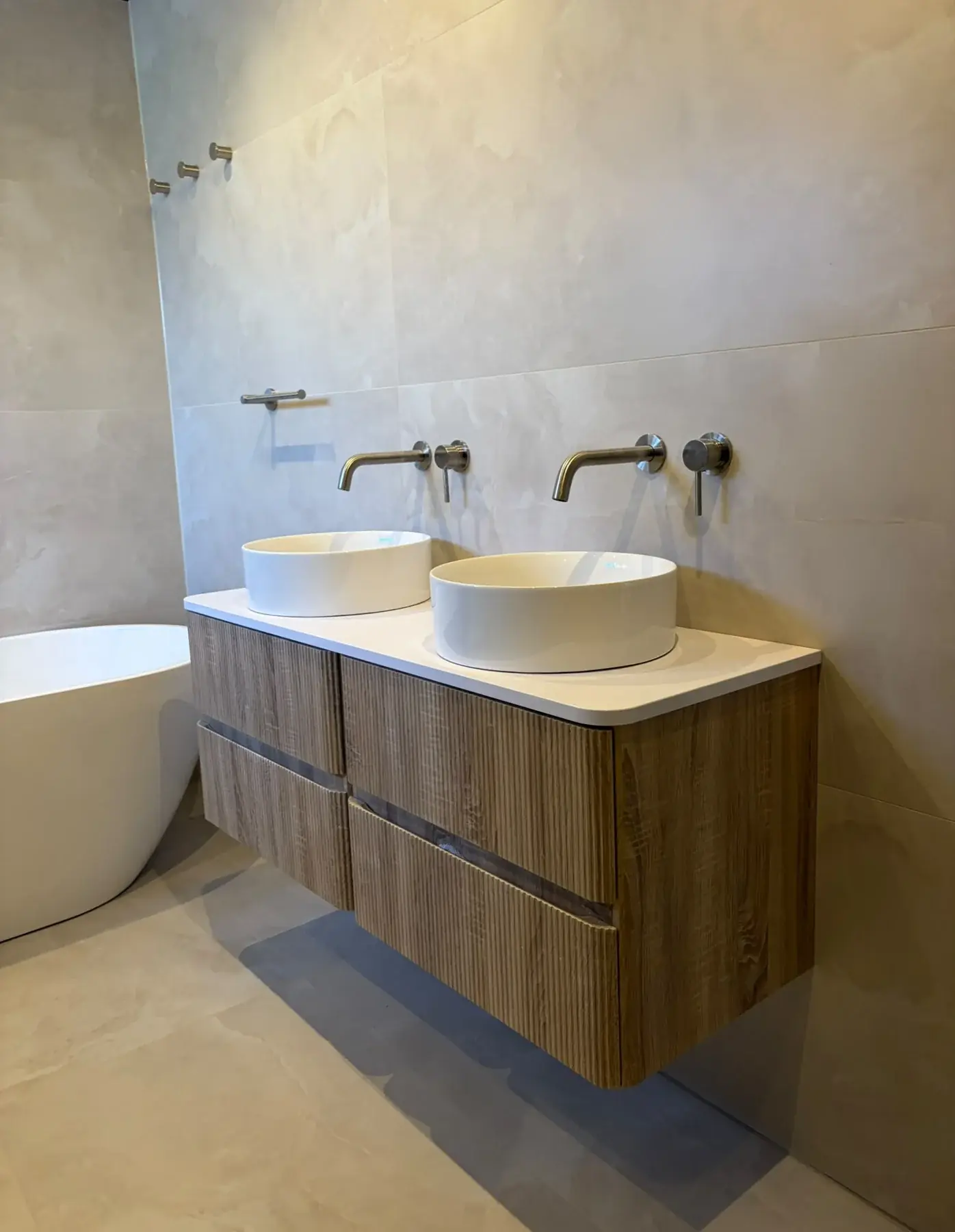
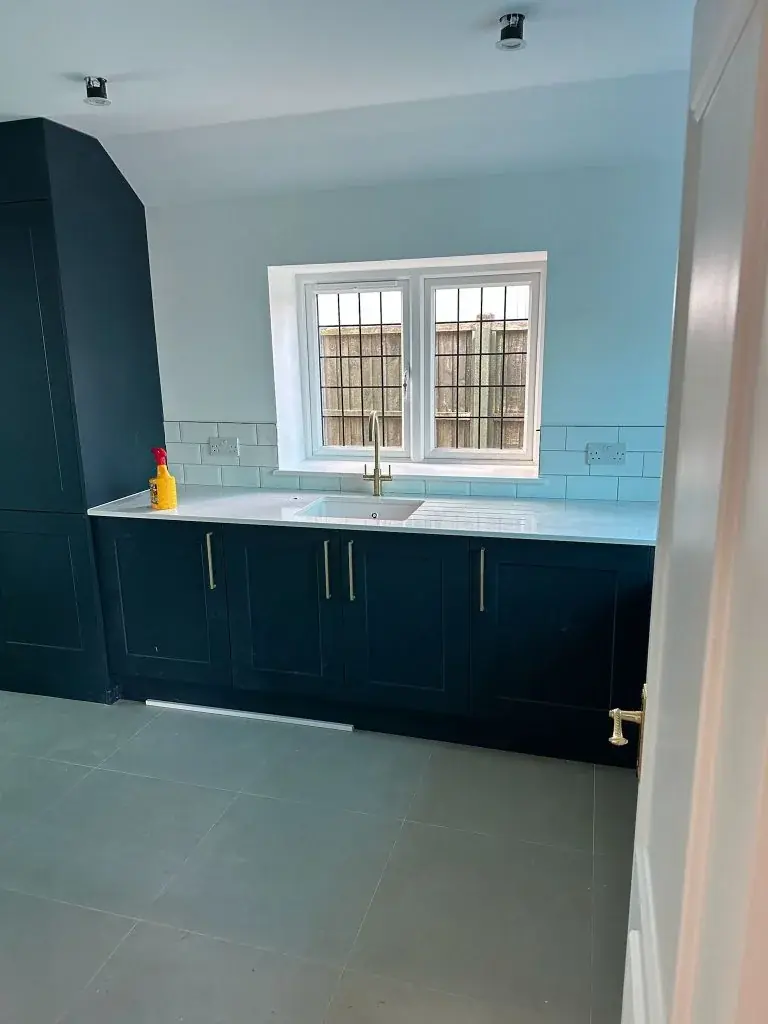
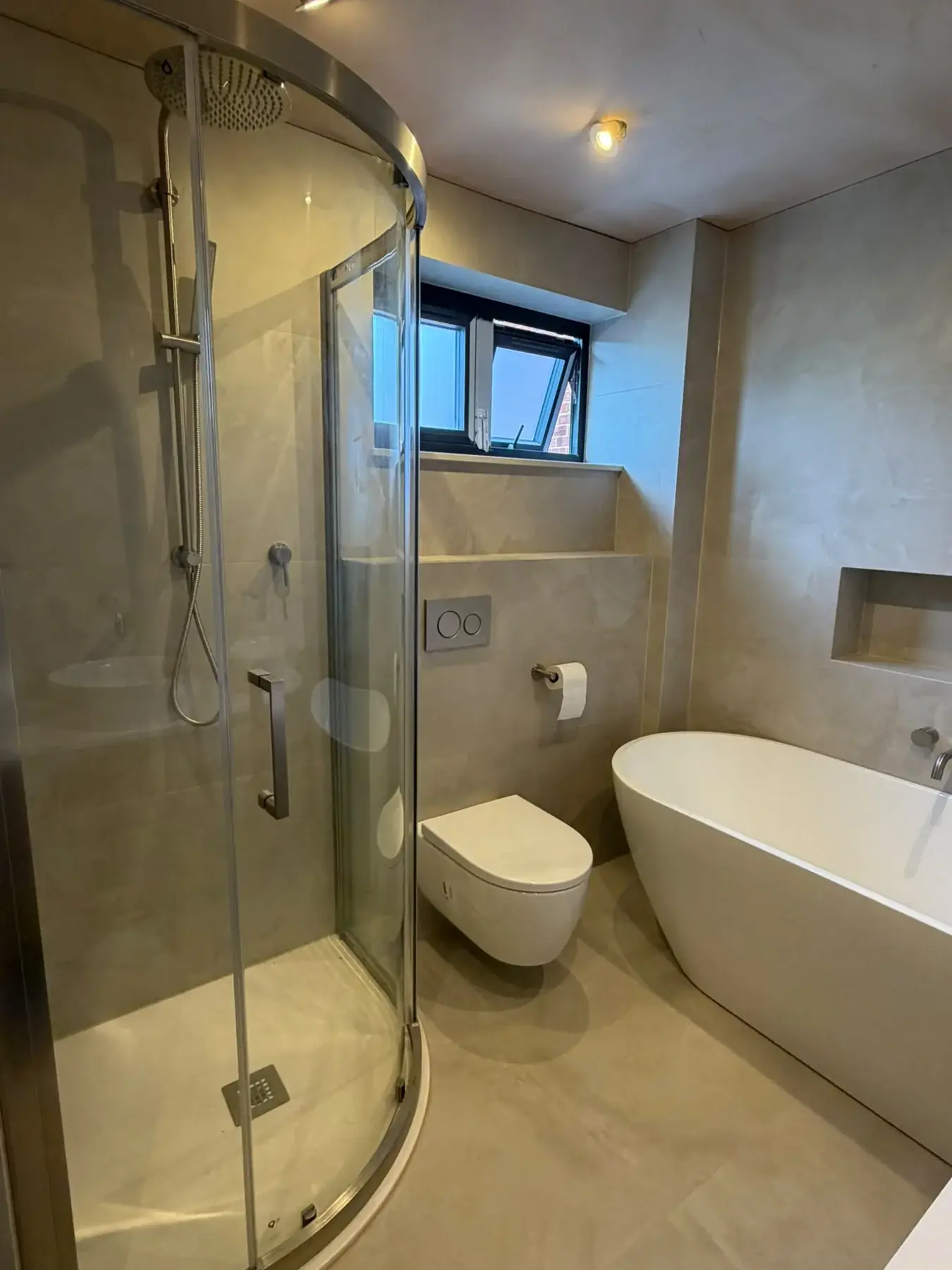
Plumbing decisions often start with where the sink, bathroom or appliance will sit, but the hidden parts matter just as much. Water supplies, waste routes and access to existing pipework can make a good layout straightforward or awkward. The aim is to agree the pipework plan before surfaces are sealed up.
- Service
- Plumbing
- Neighbourhood
- Chelsea
- Borough
- Kensington and Chelsea
- Next step
- Discuss your project
Your project brief
Check the route, not just the fitting position
A sink or bathroom move sounds simple until the route for the pipes is considered. The falls, bends, access points and condition of the existing pipework all influence whether the change is straightforward or needs redesign. A survey should confirm what can be connected neatly and what may need rerouting.
Drawings often show the finished layout but not the practical obstacles behind it. For example, a wall may conceal older pipework, or a floor build-up may limit waste falls. Those assumptions need to be checked before the scope is fixed, especially where the room is being remodelled at the same time.
Chelsea local checks for a plumbing change
In Chelsea, any planning sensitivity comes from the exact property, not from the word Chelsea on its own. Kensington and Chelsea’s planning information shows that conservation-area status and other controls must be checked by address where relevant. Plumbing inside the home is usually driven by building realities, but if the project also alters external walls, windows or layout, those local checks should be made before work starts.
Design decisions
Put responsibilities and records into the scope
Plumbing work in a renovation should be separated into first-fix and second-fix stages, with any associated building work, boxing-in or making good identified clearly. That avoids confusion over who is dealing with the chase, the connection point or the finish around the pipework.
The scope should also say what is being investigated rather than replaced. If there is an accessible leak, poor pressure or an awkward existing layout, the work may need opening-up before a final solution is chosen. Recording those assumptions protects both the client and the contractor from misunderstandings later.
Design checks
Four things we confirm before drawing plumbing work.
- 01Confirm where water supplies and waste routes will run.
- 02Separate first-fix plumbing from second-fix fittings and making good.
- 03Check the condition and accessibility of existing pipework.
- 04Record what is being investigated, replaced and left in place.
Why can moving a sink require more than a simple pipe extension?
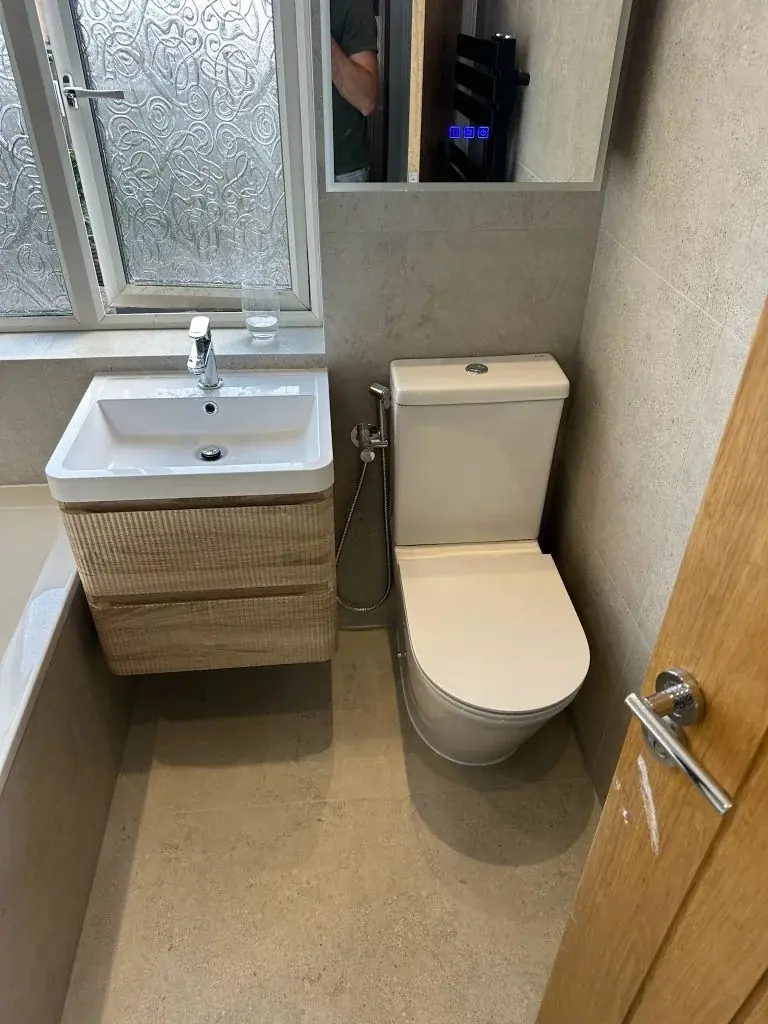
Because the waste needs a workable route and the water supplies must suit the new position. The existing pipework, access and falls can make a simple-looking change more complex than it first appears.
What should be checked before boxing in pipework?
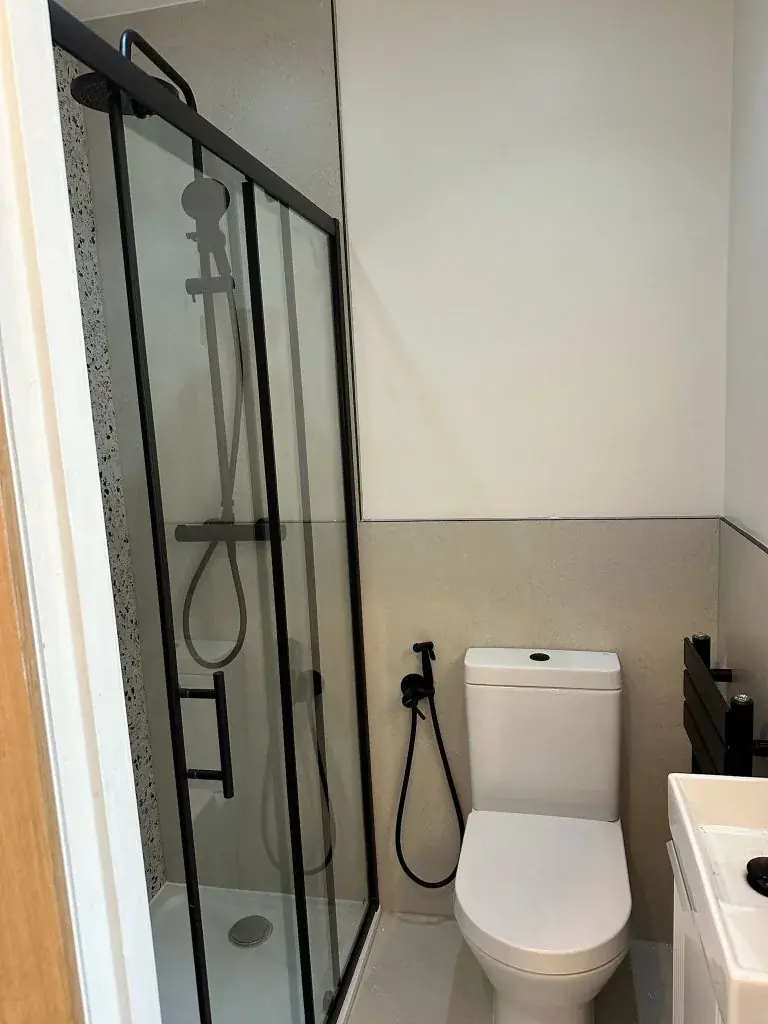
Make sure the route is agreed, access for future maintenance is considered and any tests or inspections are complete. Boxing in too early can hide problems that should have been dealt with first.
How do I avoid arguments over plumbing extras?
List the known works, the provisional items and the exclusions in writing. If an investigation is needed, say so clearly so there is no confusion about whether opening-up or rerouting was included.
Planning and project guidance
- Conservation areas | Royal Borough of Kensington and Chelsea
- GOV.UK · Planning permission
- GOV.UK · Building regulations approval
- GOV.UK · Party walls and building work
Check the current guidance for your address before relying on a planning route. This guide is not a planning decision or a verified local case study.
Other services in Chelsea








