
Kensington and Chelsea · Central London
Roofingin Chelsea.
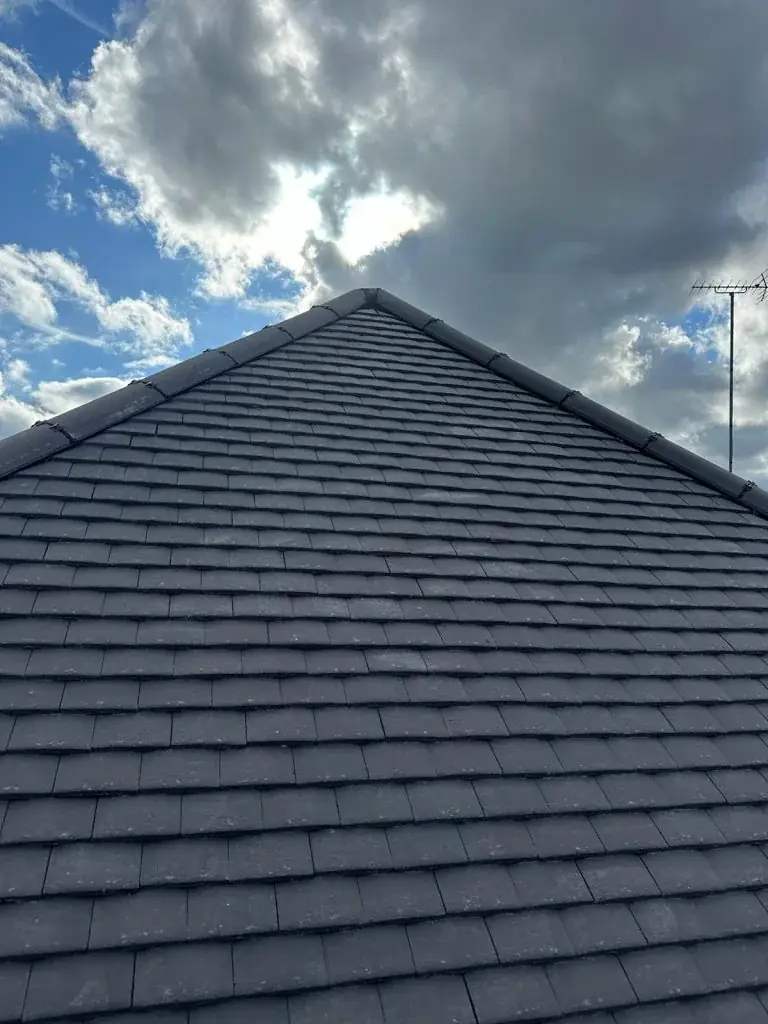
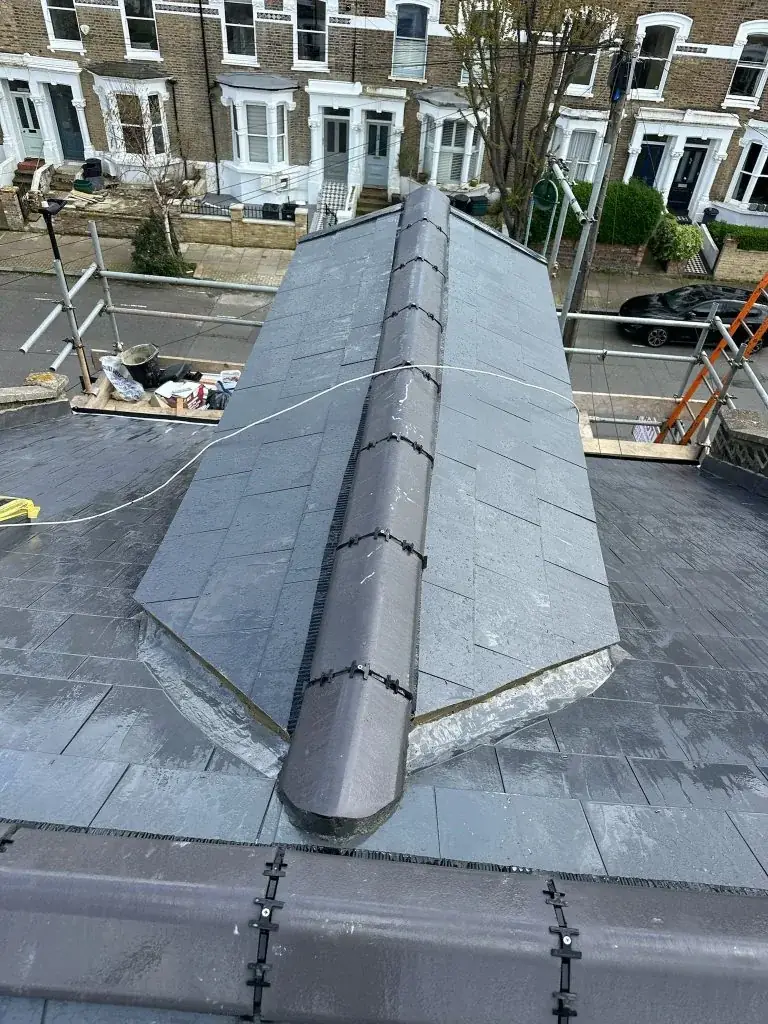
A roof problem is not always a problem with the tile or slate you can see. The real issue may be a junction, flashing, ridge detail or drainage point that is letting water in. Roofing decisions should therefore start with the cause, not just the visible stain inside the house.
- Service
- Roofing
- Neighbourhood
- Chelsea
- Borough
- Kensington and Chelsea
- Next step
- Discuss your project
Your project brief
Investigate the source before choosing the repair
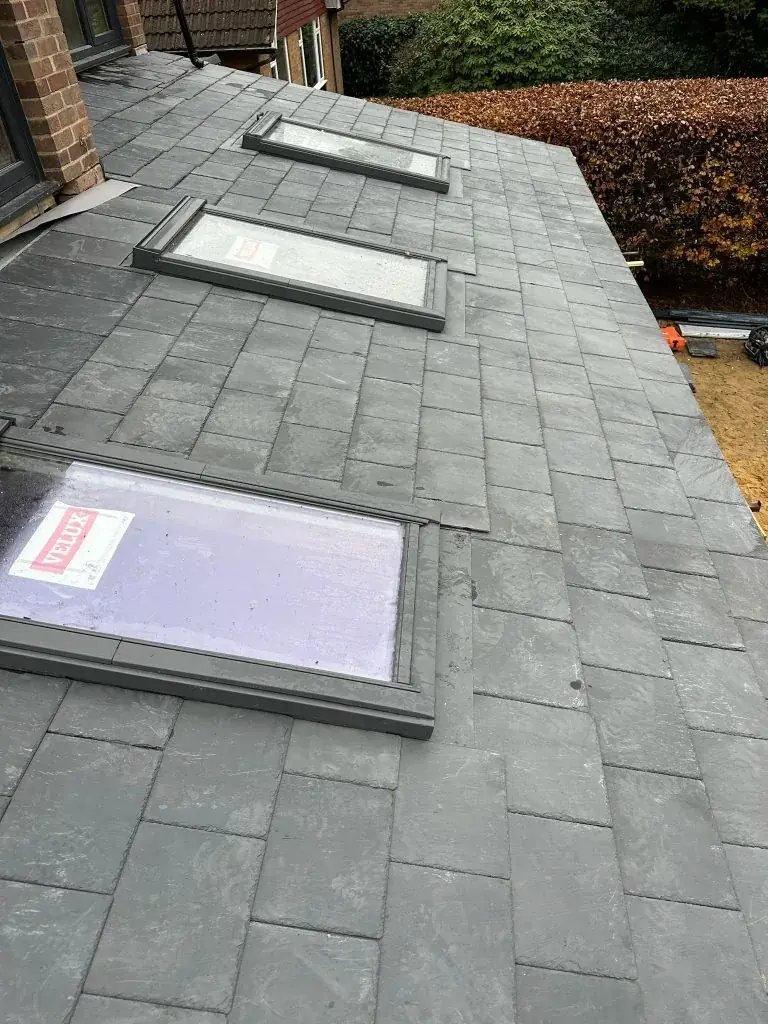
A sensible roofing brief begins with an inspection of the accessible defects and the surrounding details. A small leak can come from a larger issue at an abutment or along a rainwater junction, so the repair should be based on what is actually causing the water ingress rather than on guesswork.
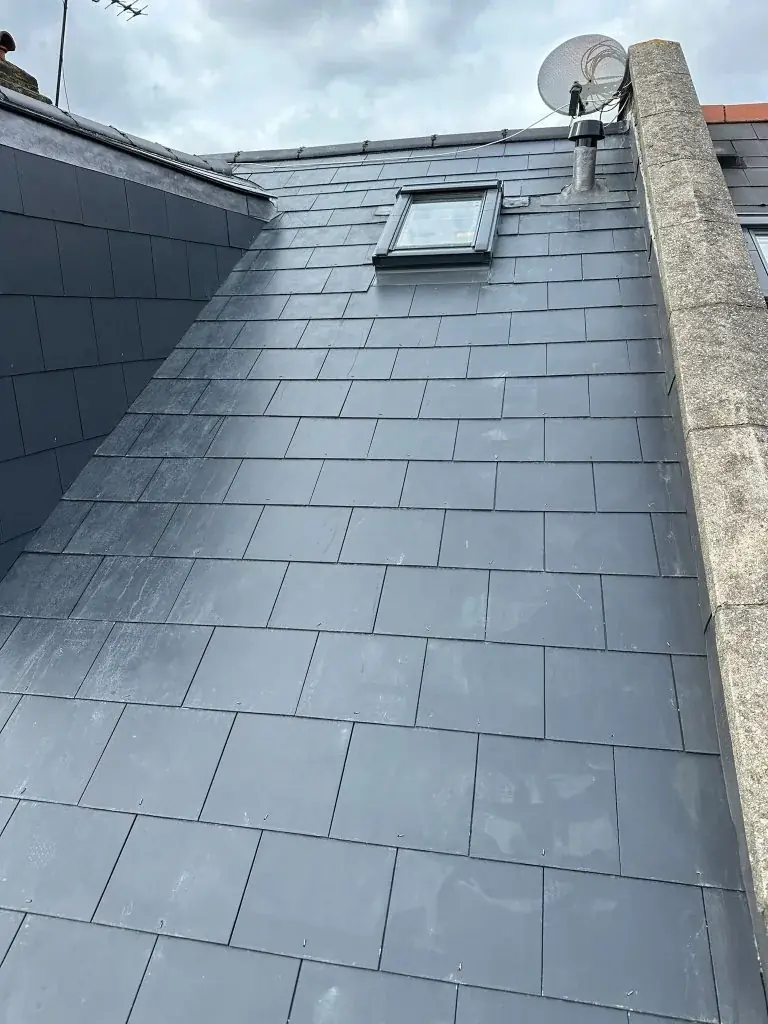
The survey can also reveal whether the problem sits within the covering itself or in the connecting details around it. Drawings will not show every condition on site, so the contractor needs to record assumptions clearly and flag any additional investigation before the scope is fixed.
Chelsea checks before roof work is agreed
For Chelsea properties, the exact address should be checked for any local planning sensitivity if the roof work changes the external appearance or affects a protected building. Kensington and Chelsea’s planning information notes that conservation-area status can matter for visible alterations, but the property must be checked individually. The practical roofing question remains the same: whether the proposed work is a repair, a replacement or part of something larger.
Design decisions
Distinguish repairs from wider roof alterations
Roof repair, roof replacement and loft conversion are different scopes and should be treated that way. A repair may be limited to a specific section, while a conversion brings structural and design decisions into the mix. The written brief should not blur those boundaries.
If the roof work is part of a loft conversion, for example, the roofing scope should make clear what is being altered for access, daylight or structure, and what remains a straightforward covering repair. That helps the client understand which decisions belong to the roof and which belong to the wider project.
Design checks
Four things we confirm before drawing roofing work.
- 01Inspect accessible defects and agree the repair scope from evidence.
- 02Check flashings, abutments and drainage alongside the covering.
- 03Separate repair work from loft-conversion or replacement work.
- 04Record any extra investigation needed before fixing the price.
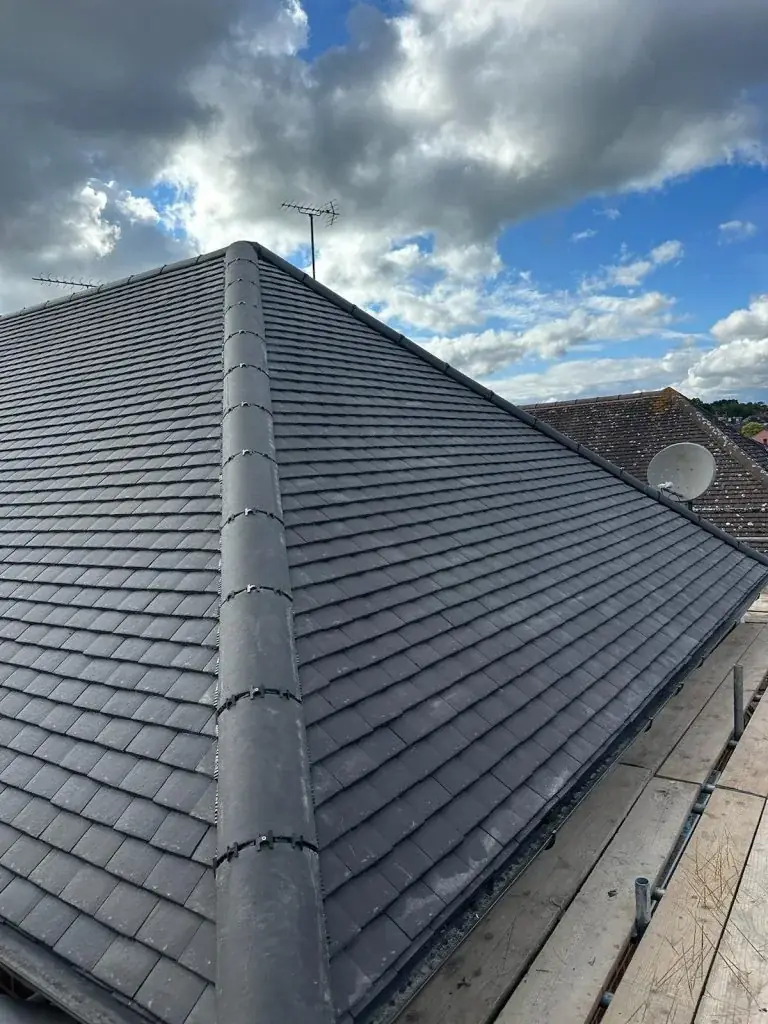
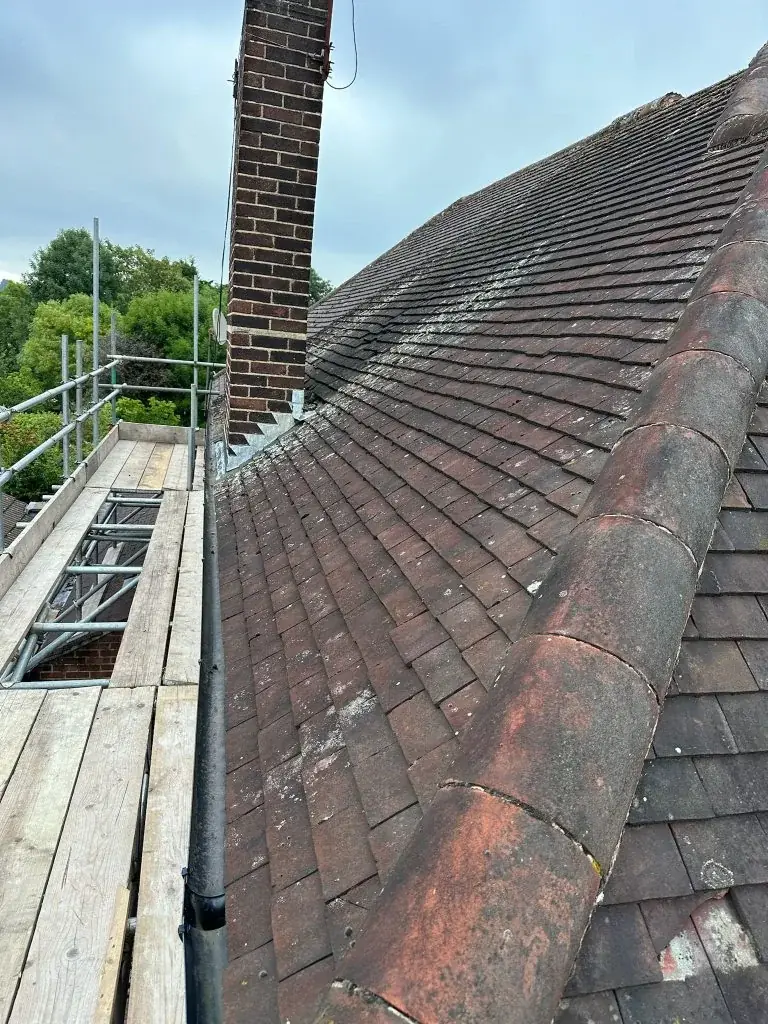
Why do roof leaks sometimes appear away from the actual defect?
Water can travel along timbers, membranes or finishes before it shows indoors. That is why the roof junctions and surrounding details need checking, not just the spot where the stain appears.
What makes a roofing repair different from a replacement?
A repair targets the defective part or detail, while a replacement addresses a broader section or the whole covering. The scope should say which level of work is intended so the response matches the problem.
Should loft conversion and roofing work be priced together?
They can be coordinated, but the scope should still distinguish the structural and design changes from the roofing repair element. That keeps responsibilities and costs clearer.
Planning and project guidance
- Conservation areas | Royal Borough of Kensington and Chelsea
- GOV.UK · Planning permission
- GOV.UK · Building regulations approval
- GOV.UK · Party walls and building work
Check the current guidance for your address before relying on a planning route. This guide is not a planning decision or a verified local case study.
Other services in Chelsea








