
Kensington and Chelsea · Central London
Doorsin Kensington.
A door only works well when it suits the opening around it and the way the room is used. In Kensington, the useful decision is whether the existing frame can be kept, what clearance is needed and how hardware, security or fire-related requirements shape the brief.
- Service
- Doors
- Neighbourhood
- Kensington
- Borough
- Kensington and Chelsea
- Next step
- Discuss your project
Your project brief
Decide whether the existing opening can stay
Before ordering a new door, it is worth checking the frame, lining and surrounding finishes. If the opening is sound, retaining parts of it can reduce disruption; if it is out of square or damaged, the scope should allow for more than a simple swap. The drawings alone may not show that.
A written brief should say what is assumed about the opening and what will happen if the survey reveals movement, poor previous alterations or a need for making-good. That avoids pricing an easy fit when the opening turns out to need more work.
Kensington checks before replacing a door
In Kensington, check the property address if the door work forms part of a wider external alteration. Kensington and Chelsea’s planning pages show extensive conservation area coverage across the borough, but that does not establish restrictions for every home. The exact site should be checked before assumptions are made about the need for consent or the sensitivity of the exterior appearance.
Design decisions
Match the hardware and requirements to the door’s purpose
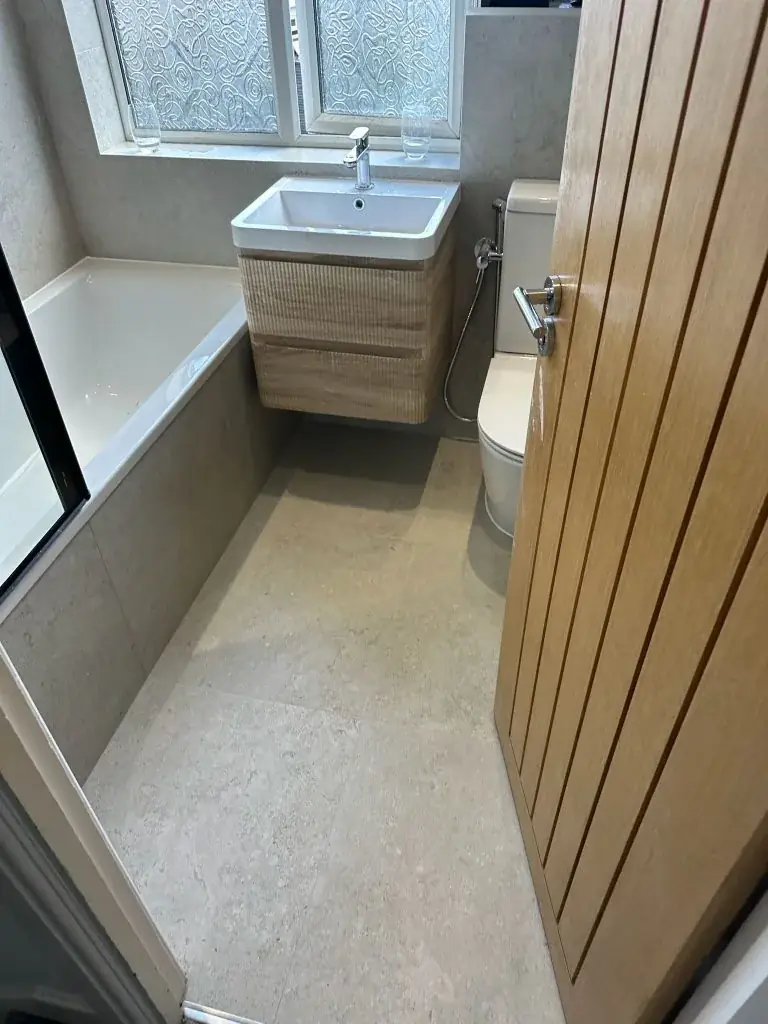
The right handles, hinges and latches depend on how the door is used, whether it is internal or external, and whether any special requirements apply. A door to a bedroom, bathroom or entrance does not need the same specification, so the brief should be explicit about use, finish and performance.
If an opening is being altered, the adjacent walls, architraves and trims may need repair as part of the same job. The scope should make clear what is included in making-good and whether any external door or altered opening needs a more detailed installation review before work goes ahead.
Design checks
Four things we confirm before drawing door installation.
- 01Check the frame, lining and surrounding finishes before ordering the door.
- 02Record whether the existing opening will be retained or altered.
- 03Match hardware and performance needs to the door’s intended use.
- 04Agree what making-good is included around trims, architraves and walls.

What can a door survey reveal that a quick measurement misses?
It can show whether the opening is true, whether the frame is sound and how much making-good may be needed around it. Those details affect the fit far more than the width and height alone.
Why does the door’s purpose matter so much?
Because internal rooms, bathrooms and entrances can have different demands for privacy, durability, security or performance. The right specification depends on how the door is meant to work every day.
Should door work be treated as joinery only?
Usually not. It often involves surrounding finishes, hardware choices and sometimes altered openings. The scope should reflect the whole installation rather than only the leaf itself.
Planning and project guidance
- Conservation areas | Royal Borough of Kensington and Chelsea
- GOV.UK · Planning permission
- GOV.UK · Building regulations approval
- GOV.UK · Party walls and building work
Check the current guidance for your address before relying on a planning route. This guide is not a planning decision or a verified local case study.
Other services in Kensington








