
Kensington and Chelsea · Central London
Roofingin Kensington.
Roofing work is only useful when it tackles the cause of the problem, not just the patch of damp inside. In Kensington, the important decision is whether the issue is localised repair, wider roof work or part of a larger change, with the rooms below kept in view throughout.
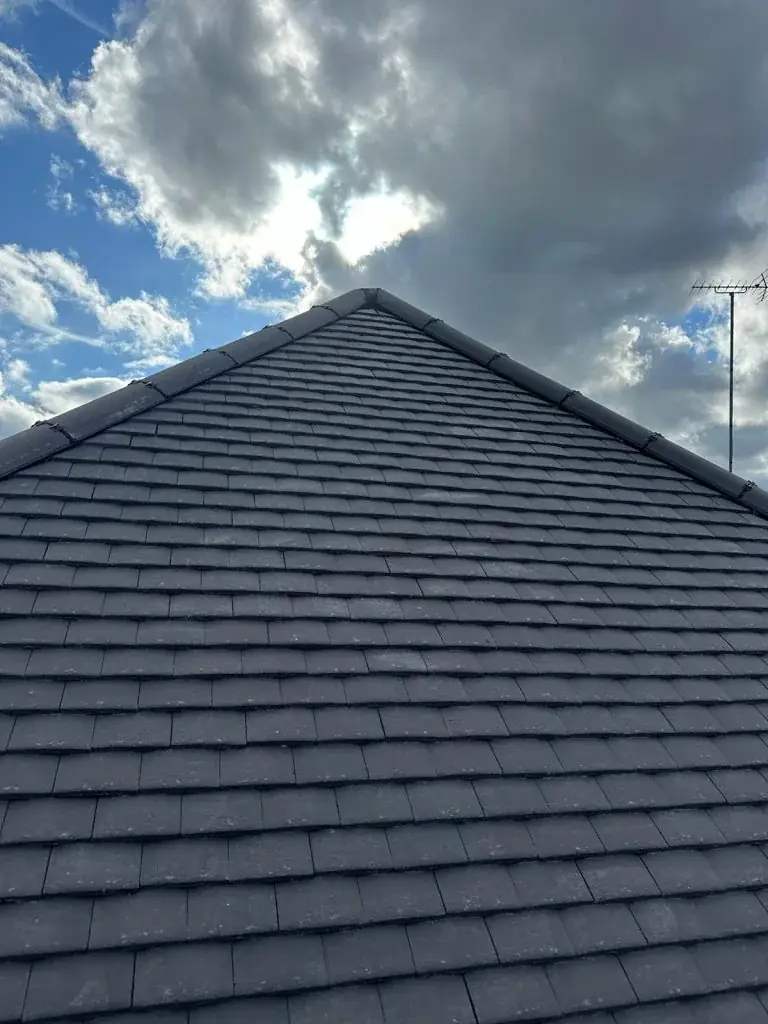
- Service
- Roofing
- Neighbourhood
- Kensington
- Borough
- Kensington and Chelsea
- Next step
- Discuss your project
Your project brief
Trace the defect back to its likely cause
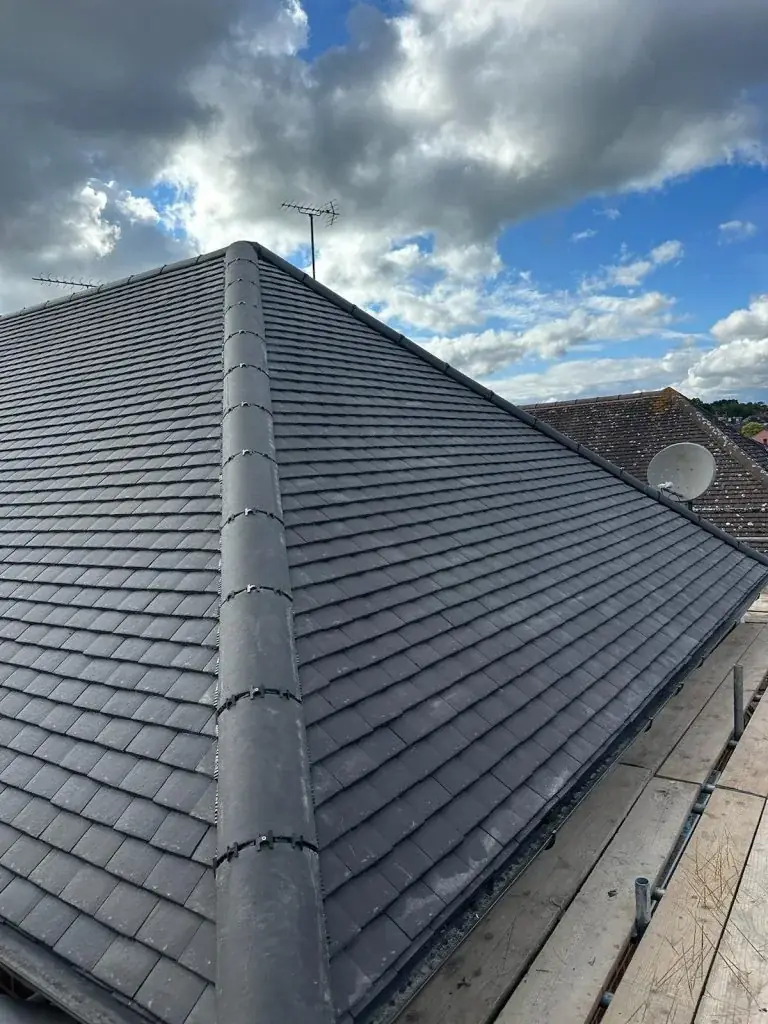
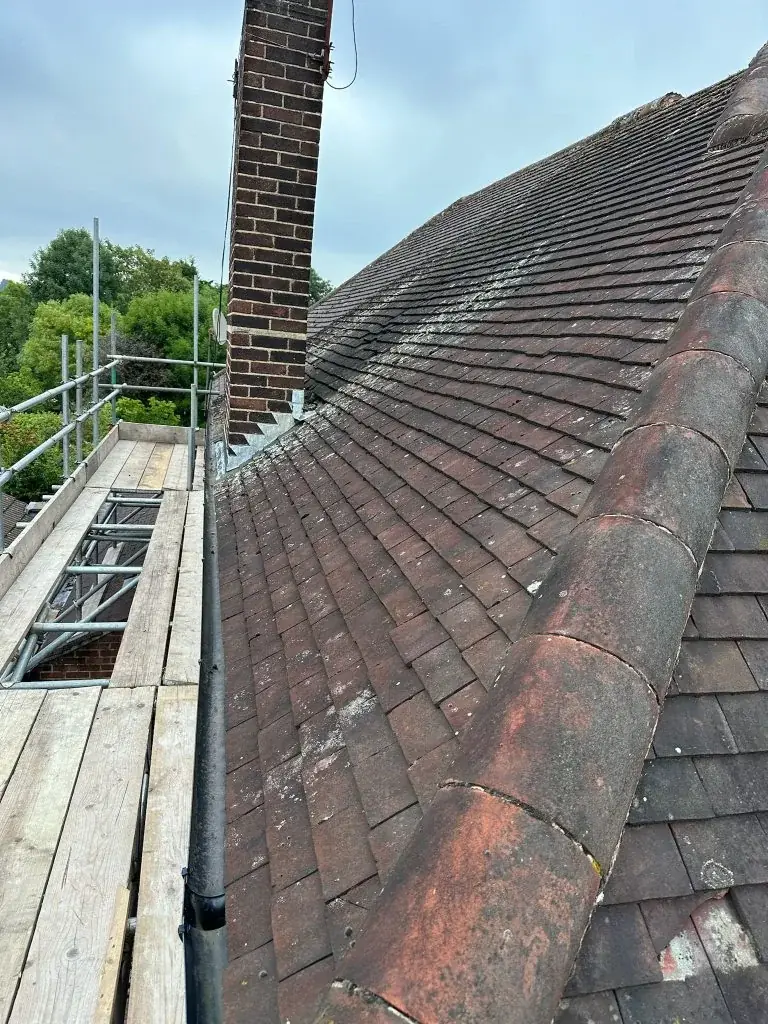
A visible stain inside a room does not always mean the tile above it is the problem. Roof coverings, ridges, flashings, abutments and rainwater junctions all need checking where accessible, because water can travel before it shows inside. That is why the survey should define what has actually been inspected.
The scope should separate inspection from repair and say what is being assumed about inaccessible areas. If, for example, the work is limited to a repair around a flashing, that should be clear from the start rather than presented later as a bigger roofing job.
Kensington local check before roof work begins
For Kensington, the local check is address-specific. Kensington and Chelsea’s planning pages note extensive conservation area coverage and provide maps and appraisal documents, but that borough fact alone does not tell you which restrictions or sensitivities apply to a particular roof. If the work changes visible roof form or forms part of a larger alteration, the exact property should be checked before the route is fixed.
Design decisions
Consider the rooms below and the rest of the house
Roofing can affect rooms below through dust, access, weather exposure during the works and any temporary opening in the covering. If the job is linked to a loft conversion or wider refurbishment, the structural and finishing sequence needs to reflect that connection rather than treating the roof as an isolated layer.
The scope should distinguish roof repair from roof replacement and from loft-conversion alterations. That distinction matters because each one has different design and coordination needs, and the effect on the spaces below can vary a great deal depending on the scale of work.
Design checks
Four things we confirm before drawing roofing work.
- 01Inspect accessible roof defects and define the repair scope clearly.
- 02Separate repair, replacement and conversion-related roof work.
- 03Check flashings, abutments and rainwater junctions as part of the review.
- 04Assess how rooms below may be affected by access, weather and sequencing.
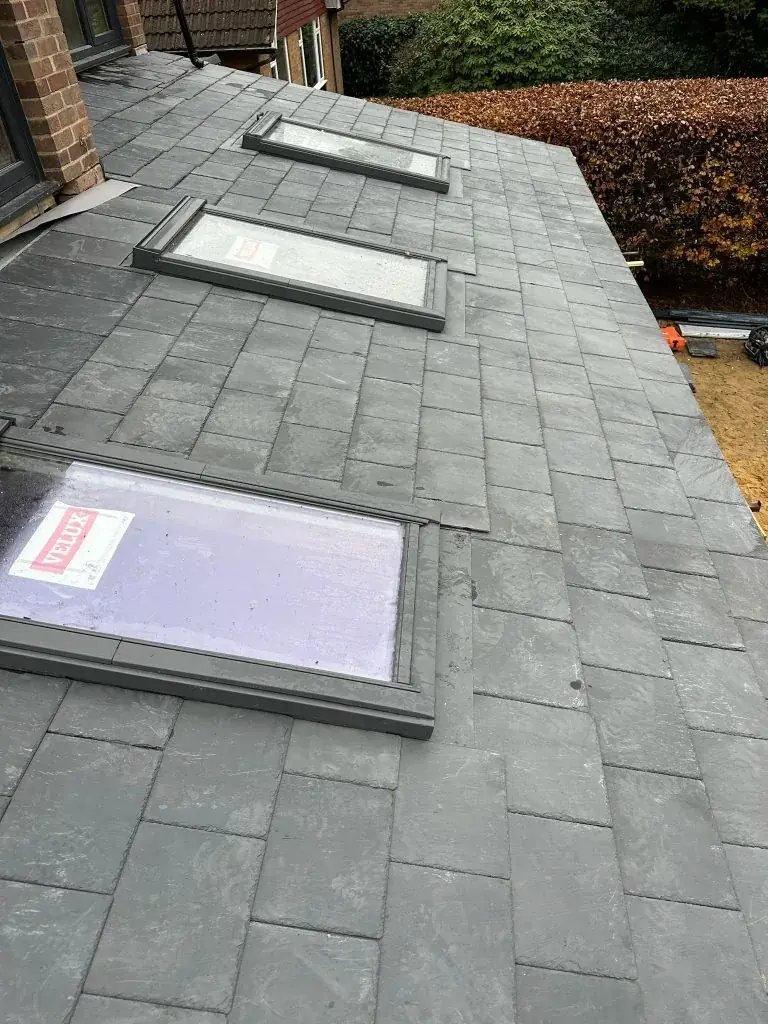
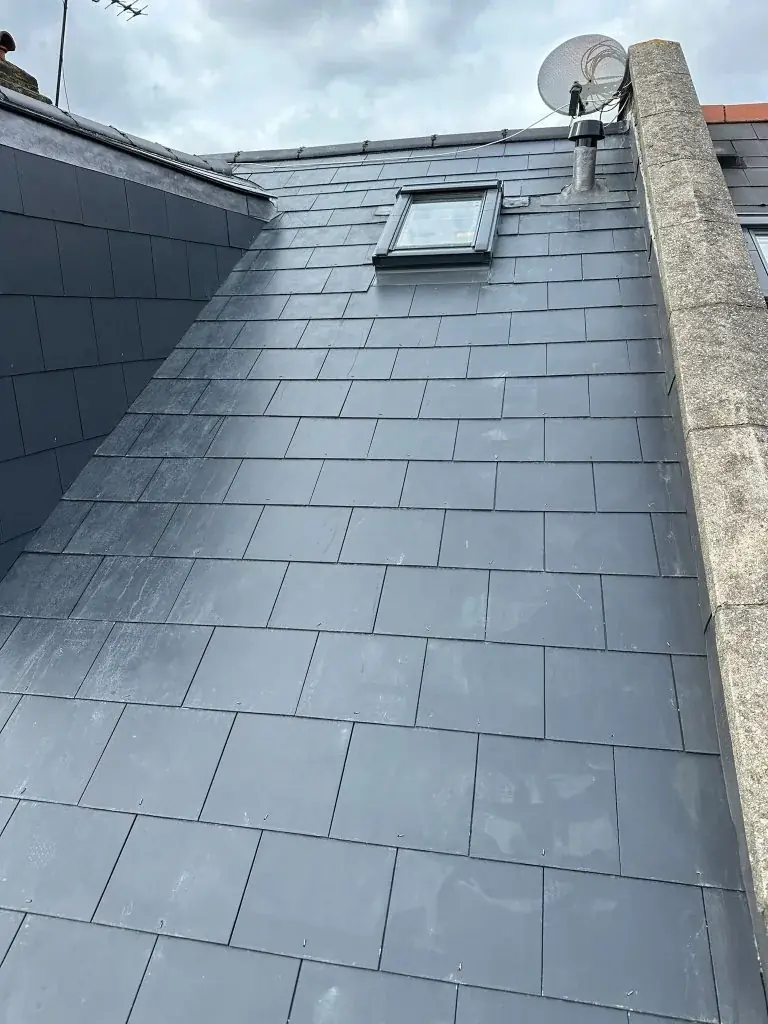
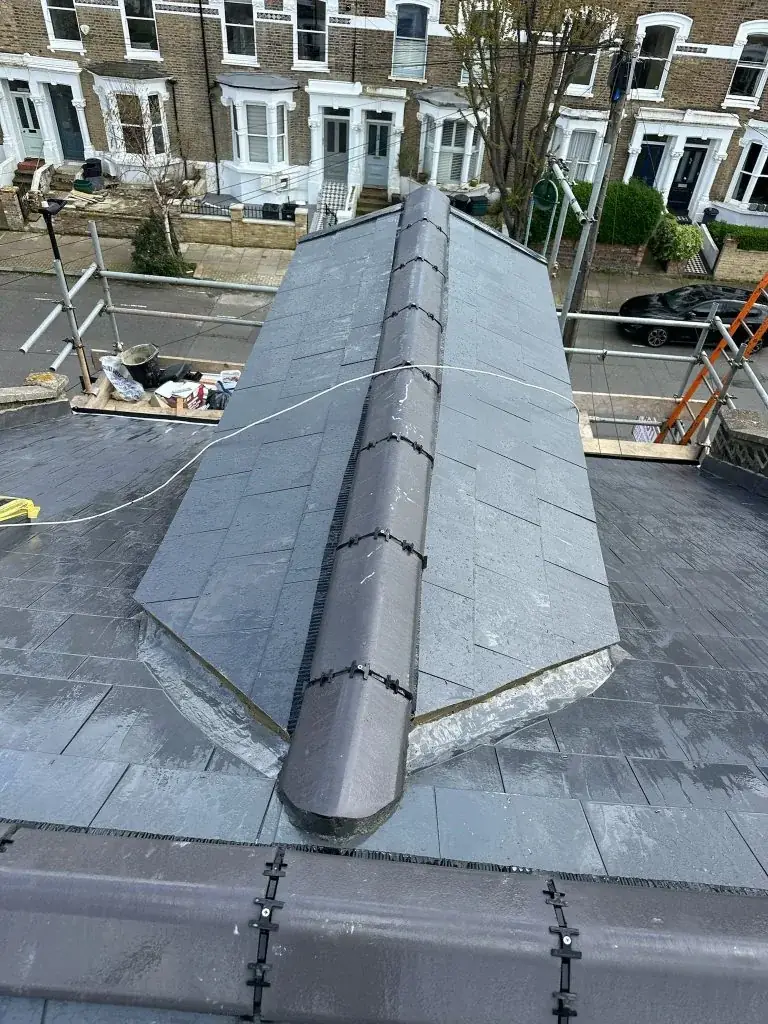
Why is a roof leak not always fixed by the obvious patch?
Because water can move away from the entry point before it shows up indoors. A proper survey looks at the roof details, junctions and drainage routes to find the likely cause rather than only the symptom.
What should be made clear in a roofing scope?
Whether the job is a repair, a replacement or part of a larger conversion. The scope should also note what has been inspected, what is inaccessible, and what assumptions are being carried forward.
How do roof works affect the rooms below?
They can create dust, access issues, temporary weather exposure and disruption to finishes or services. Planning that impact early helps protect the rooms and sets realistic expectations for the sequence.
Planning and project guidance
- Conservation areas | Royal Borough of Kensington and Chelsea
- GOV.UK · Planning permission
- GOV.UK · Building regulations approval
- GOV.UK · Party walls and building work
Check the current guidance for your address before relying on a planning route. This guide is not a planning decision or a verified local case study.
Other services in Kensington








