
Kensington and Chelsea · Central London
Renderingin Kensington.
Rendering changes how an exterior wall looks, but the finish has to suit the wall behind it. In Kensington, the practical choice is how to assess the existing surface, what render system fits it, and how the surrounding details will be handled cleanly.
- Service
- Rendering
- Neighbourhood
- Kensington
- Borough
- Kensington and Chelsea
- Next step
- Discuss your project
Your project brief
Match the render to the wall underneath
Render is not a one-size-fits-all coating. The wall’s condition, construction and existing finish all influence what is suitable, especially where there are signs of failure or previous patching. If, for example, the wall needs removal of loose material before new work, that should be built into the scope rather than treated as a surprise.
A survey should also record assumptions about the substrate. That might include whether the wall is sound enough to accept repair, whether more extensive preparation is required, and what areas are excluded until opening-up confirms the condition.
Kensington checks for external wall work
In Kensington, local checks must be made against the exact property address. Kensington and Chelsea’s planning pages show that the borough has many conservation areas and provide map-based checking, but that evidence does not apply identically to every house. If rendering is part of a change to the external appearance, the site-specific planning context matters. The address should be confirmed before any assumption is made about consent or character impact.
Design decisions
Get the edges and junctions right
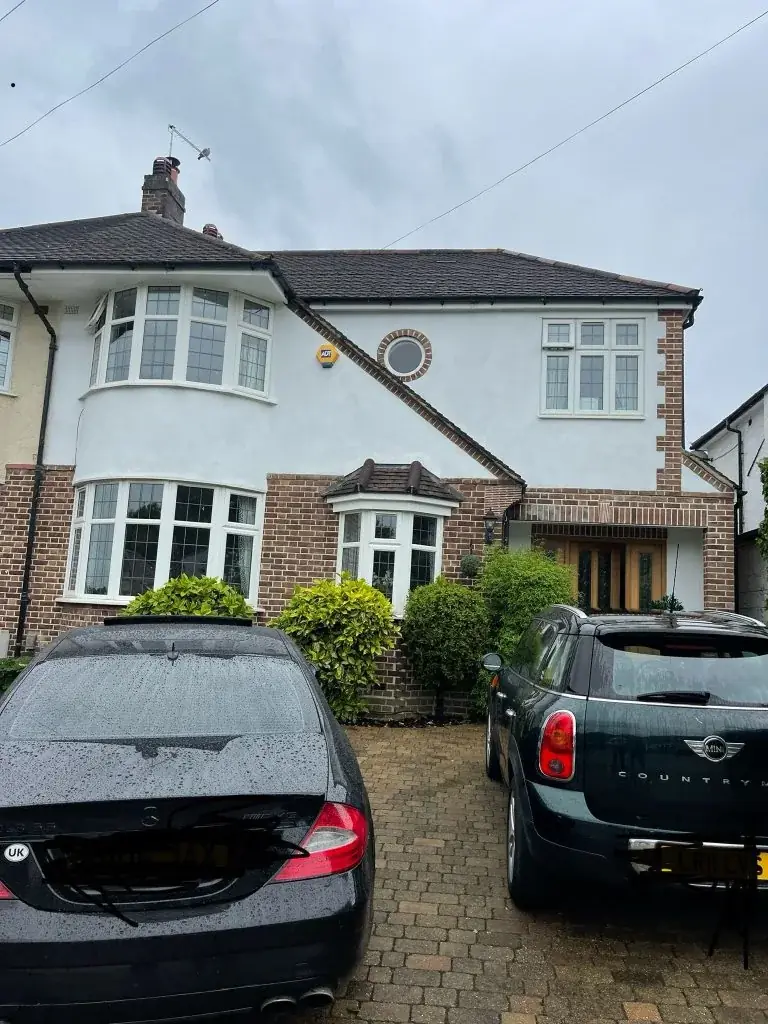
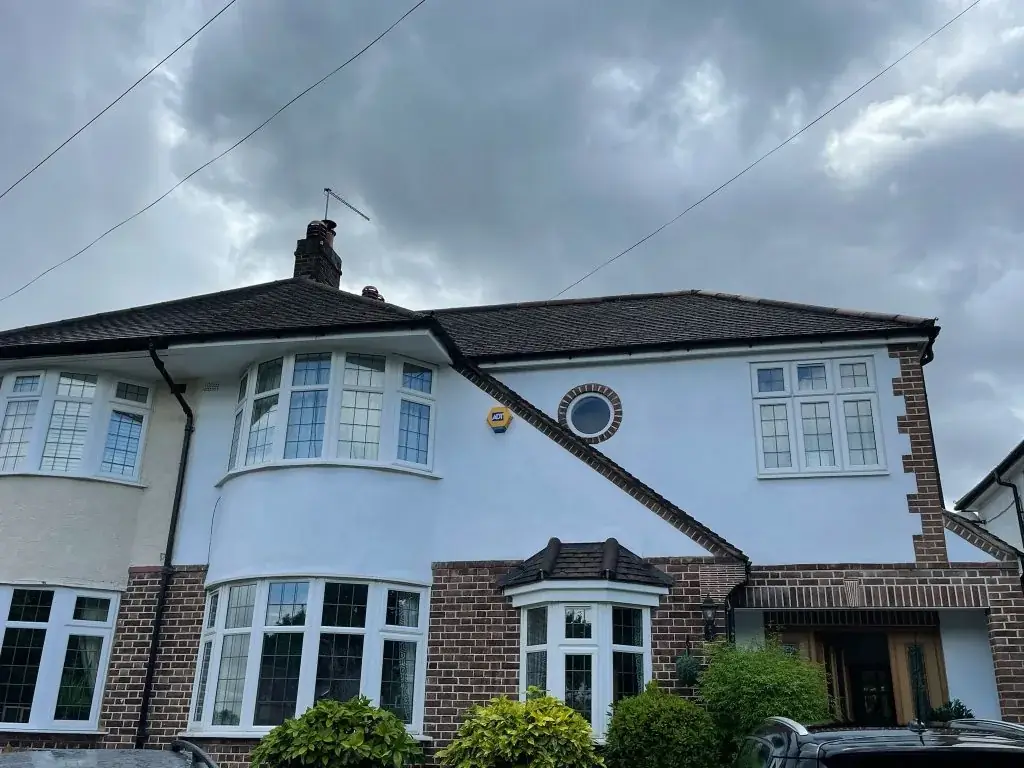
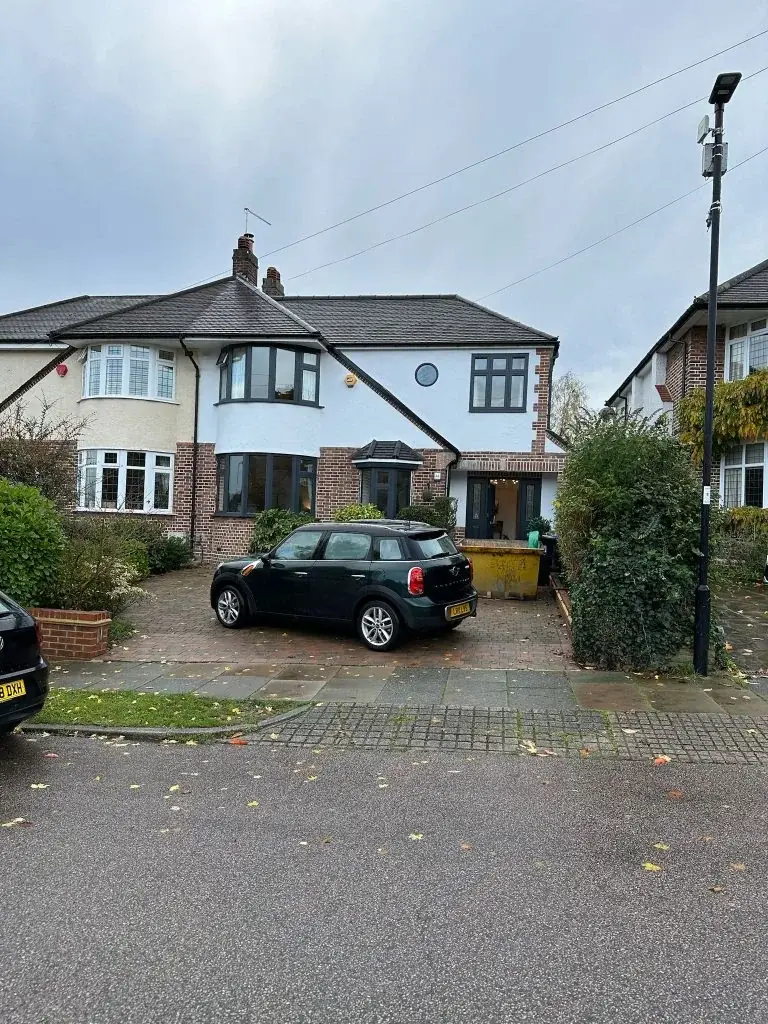
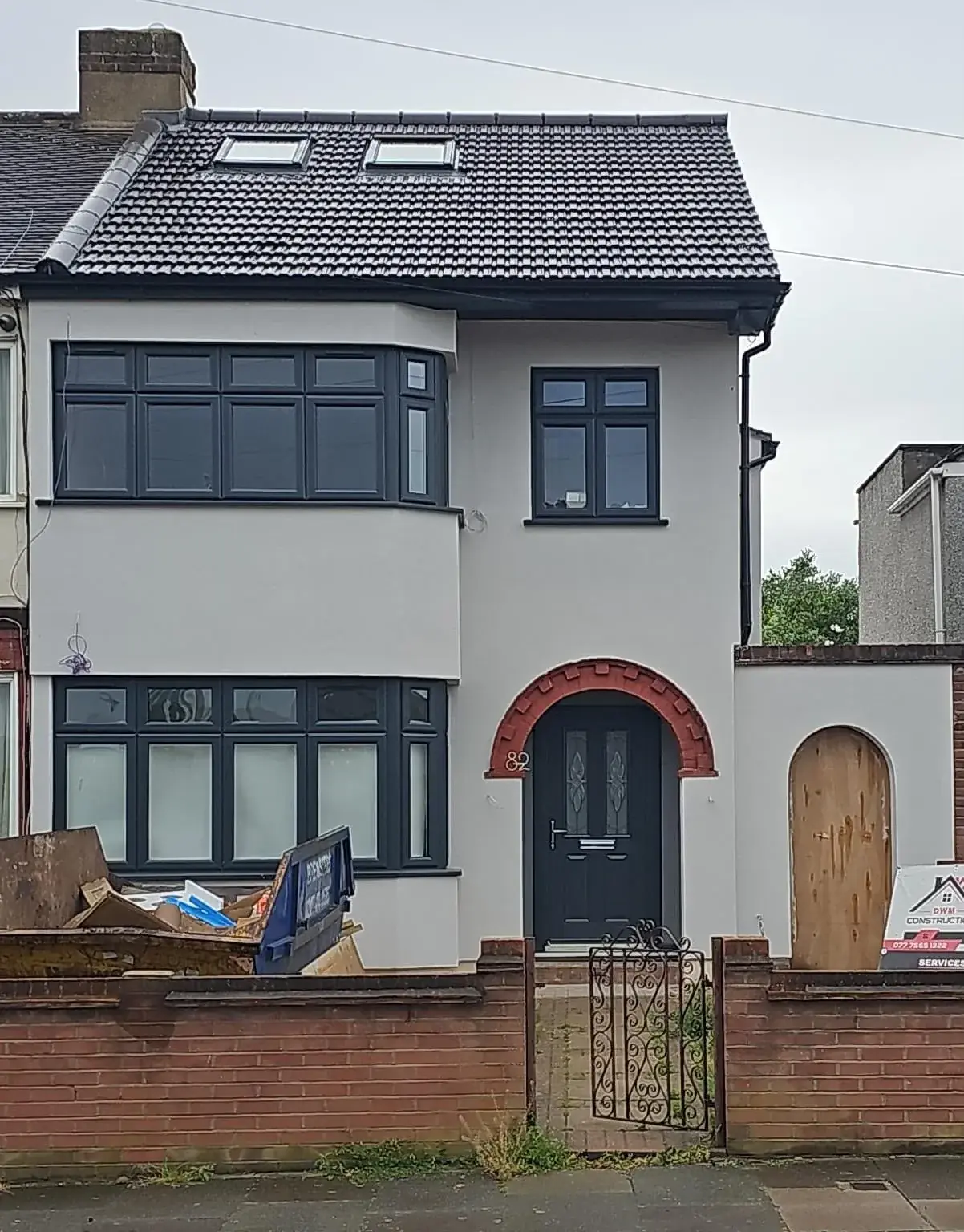
The weakest points in rendering are often where materials meet: around openings, roof edges and adjoining finishes. These details need to be agreed before work begins, because they affect appearance as well as weathering performance. The render should be coordinated with the rest of the façade rather than designed in isolation.
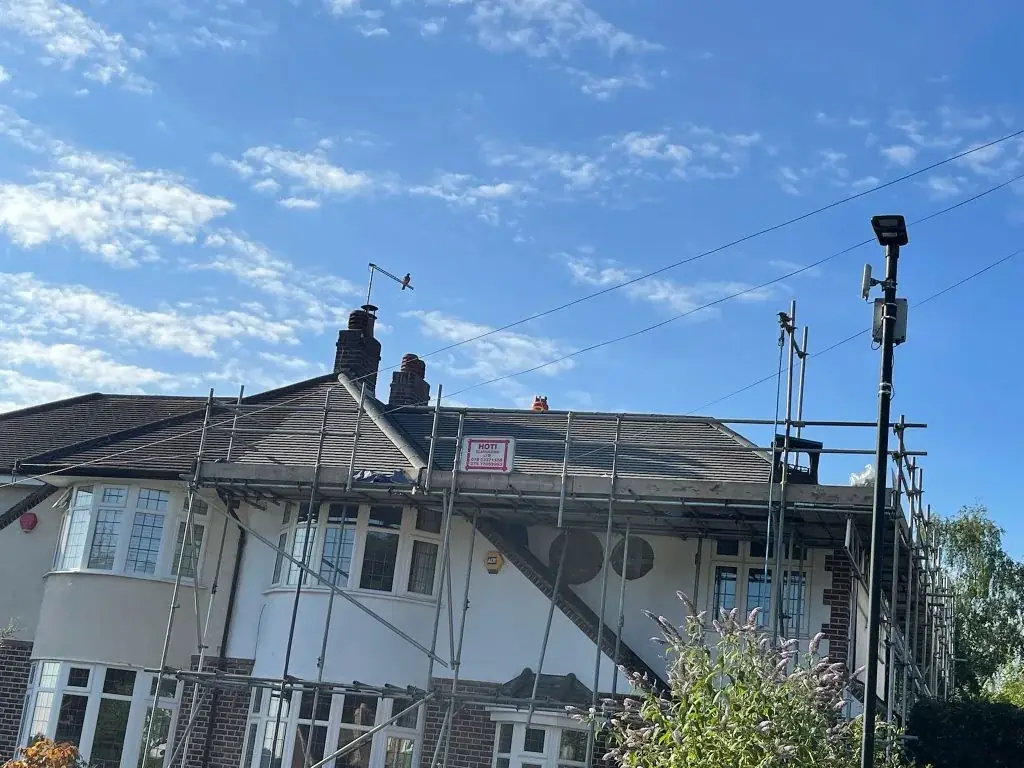
External work also needs to consider access and whether the home is part of a wider alteration scheme. The scope should say what preparation is included, what compatible details are expected, and who is responsible for any follow-on making-good once the render is complete.
Design checks
Four things we confirm before drawing external rendering.
- 01Check the wall condition before choosing the render system.
- 02Record any failed areas, prior patching or needed removals.
- 03Agree how openings, roof edges and adjoining materials will be handled.
- 04Confirm access and preparation responsibilities before work starts.
Questions
Before you call about Kensington.
What can a render survey tell you that the wall finish cannot?
It can show whether the substrate is sound, where old repairs have failed, and which edges or junctions need special attention. That is what makes the render choice practical rather than purely visual.
Why are junctions such an important part of rendering?
Because water and movement often show up there first. Clean junction details help the render last and reduce the risk of awkward cracking or leaks at the edges.
Do all external render jobs need the same level of checking?
No. The level of checking depends on the wall condition, the extent of the alteration and the property context. The scope should reflect the actual job rather than assume every exterior is the same.
Planning and project guidance
- Conservation areas | Royal Borough of Kensington and Chelsea
- GOV.UK · Planning permission
- GOV.UK · Building regulations approval
- GOV.UK · Party walls and building work
Check the current guidance for your address before relying on a planning route. This guide is not a planning decision or a verified local case study.
Other services in Kensington








