
Kensington and Chelsea · Central London
Plumbingin Kensington.
Plumbing decisions are rarely just about moving a fitting. In Kensington, the important choice is how the pipework, drainage and access will support the room you want, while the scope makes clear what is known, what is assumed and what needs checking on site.
- Service
- Plumbing
- Neighbourhood
- Kensington
- Borough
- Kensington and Chelsea
- Next step
- Discuss your project
Your project brief
Design the plumbing around the room’s real use
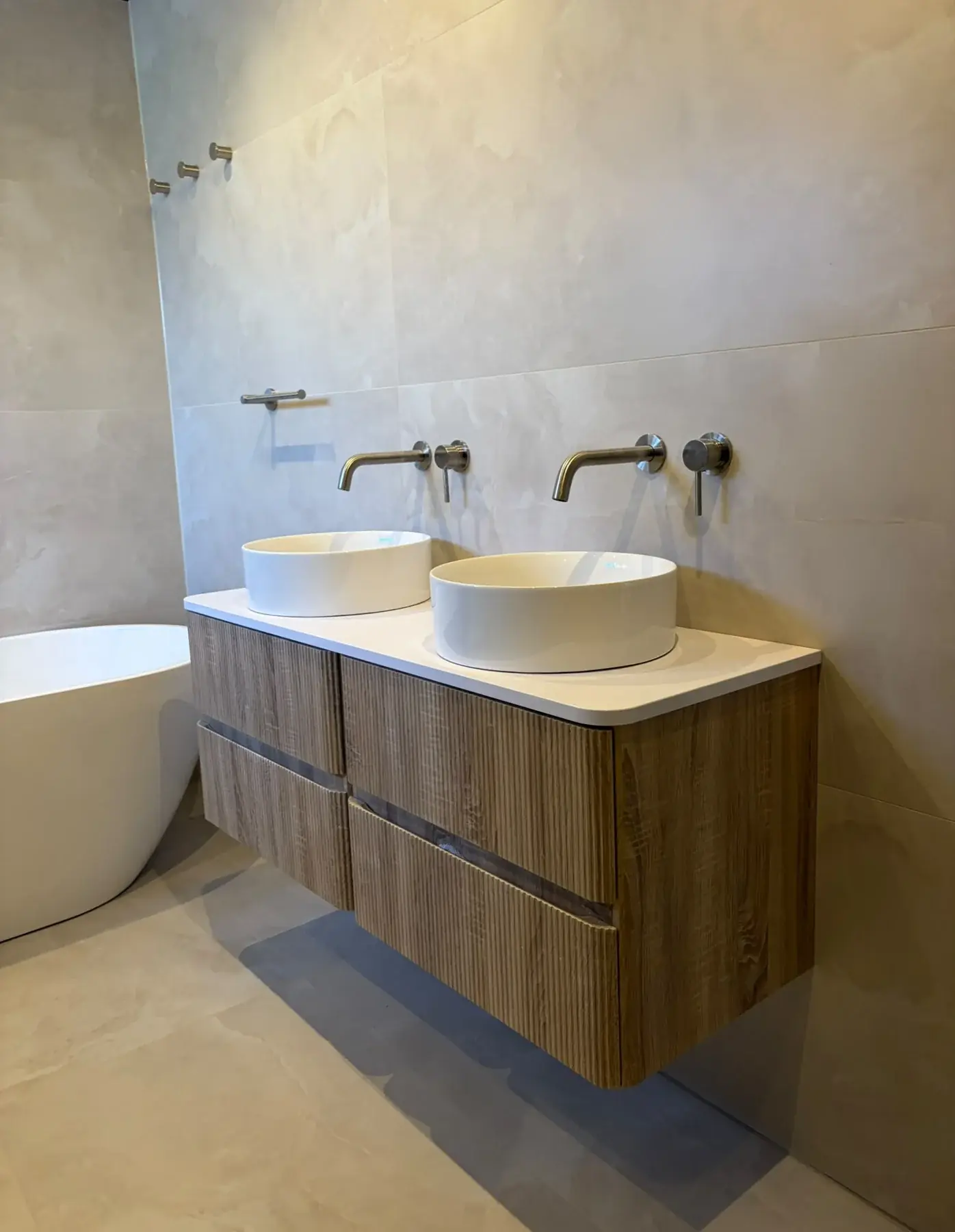
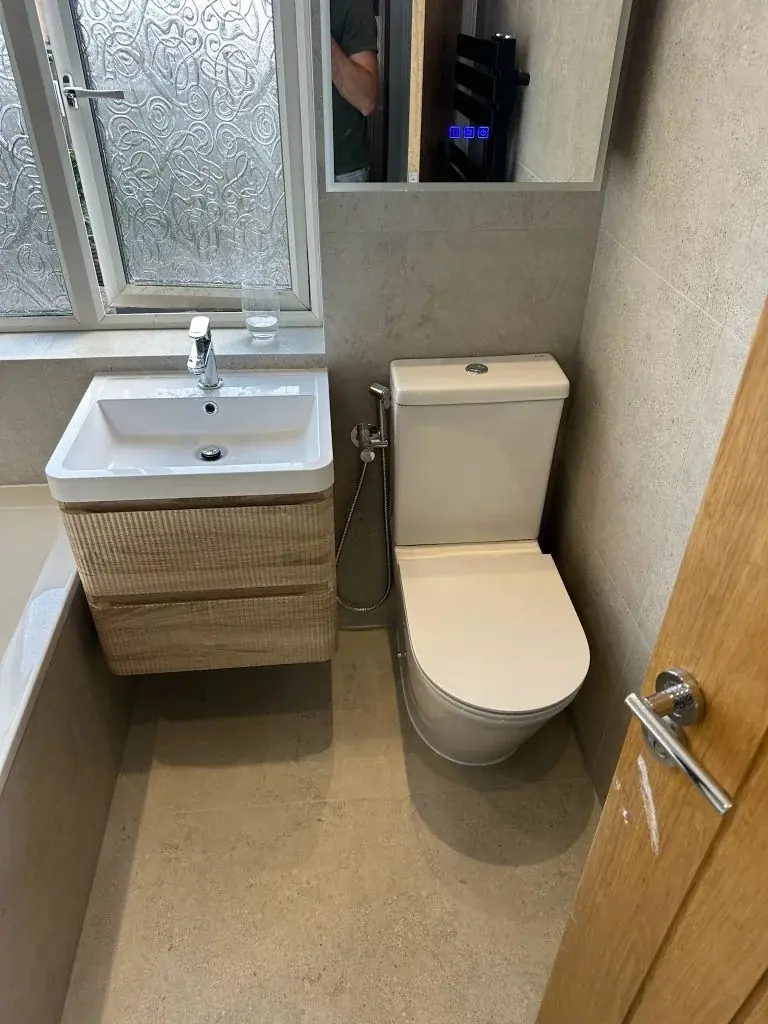
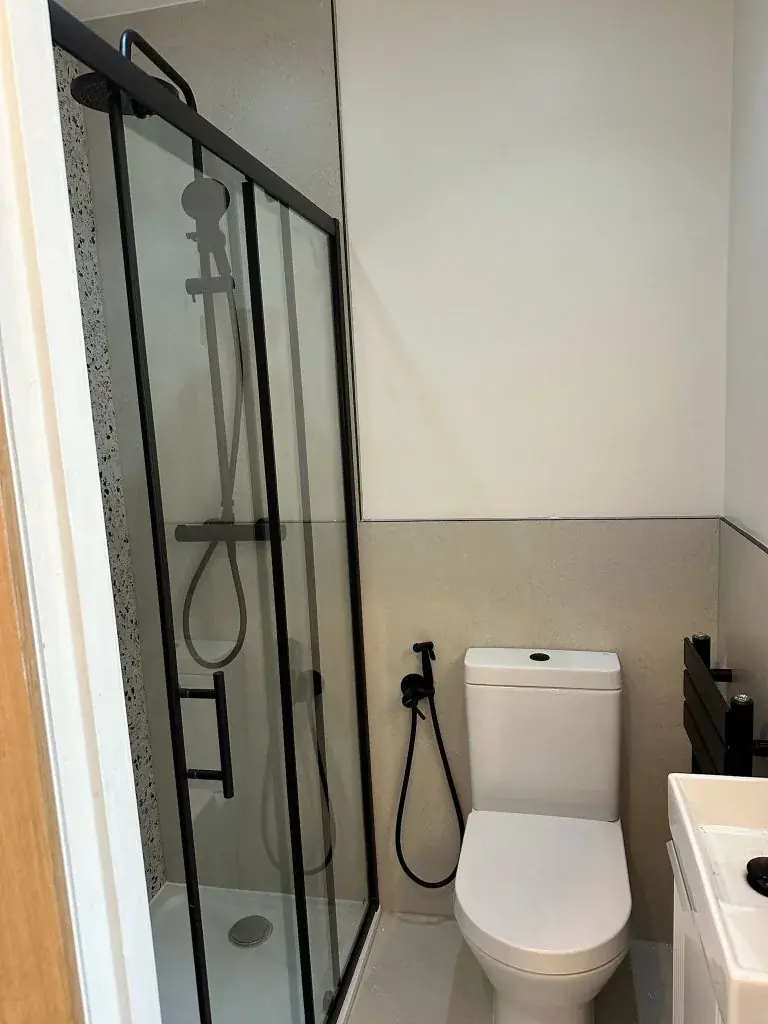
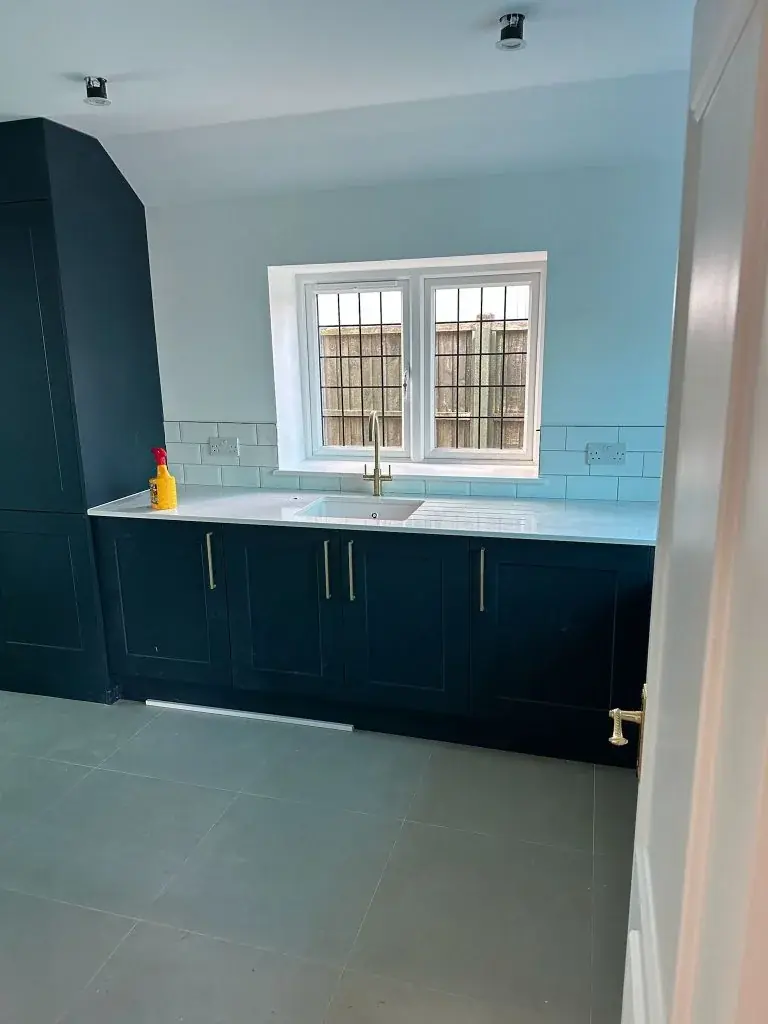
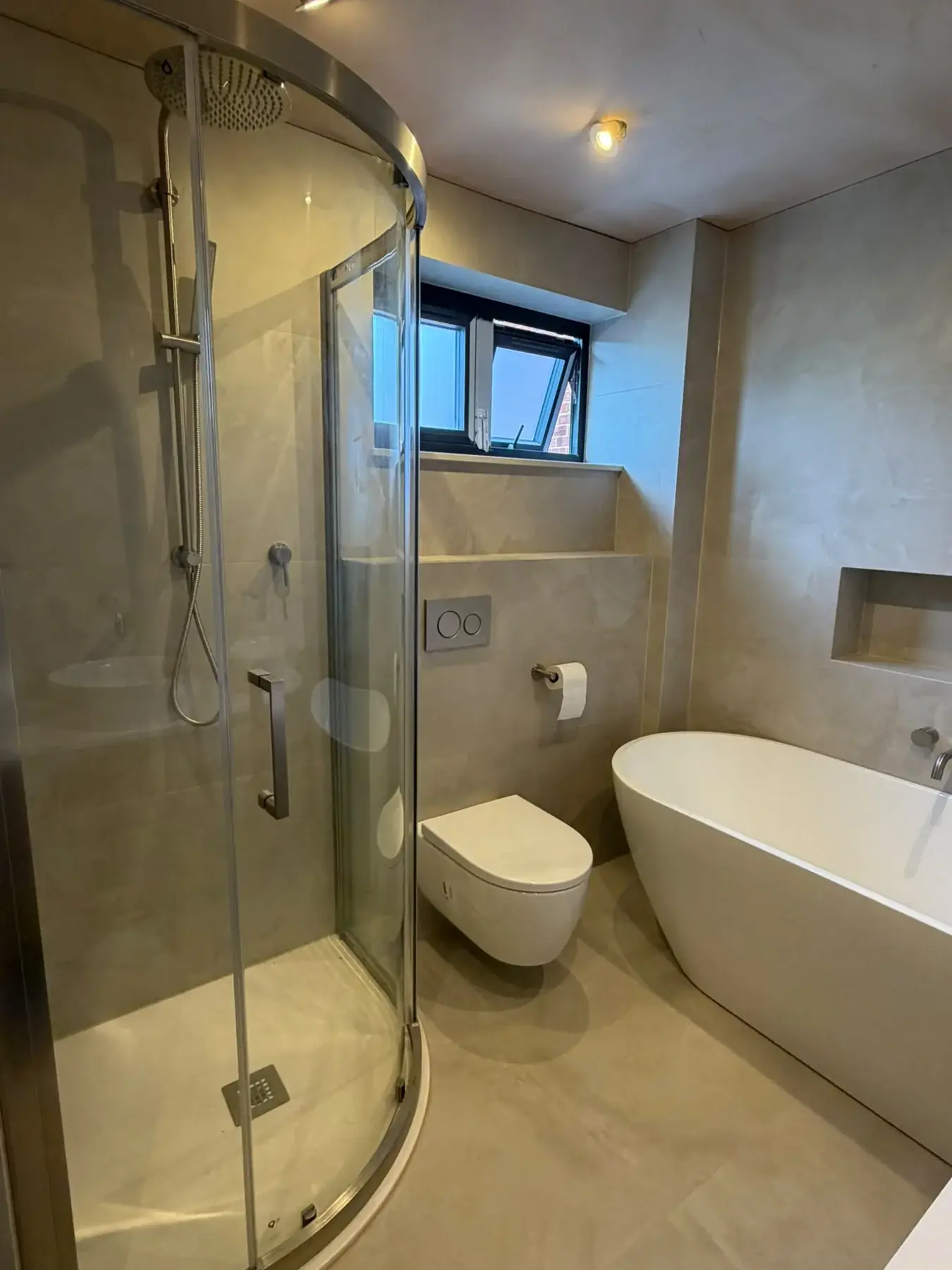
A sink, bath or shower change can alter waste routes, water pressure needs and the position of other trades. If, for example, a kitchen island or a revised bathroom layout is proposed, the plumbing should be coordinated with the structure and finishes before anything is closed in.
The survey should identify what can be seen and what remains hidden. Old pipework, awkward access and previous alterations can all affect the job, so the written scope should record assumptions about route, condition and whether any exposed work is being retained or replaced.
Kensington checks before altering pipework
For Kensington properties, the local check is always site-specific. Kensington and Chelsea provides planning information, including conservation area maps, but the borough-wide fact does not tell you which route applies to a particular address. If plumbing changes are tied to a larger renovation, the exact property context should be checked before assumptions are made about external alterations, service runs or any separate consent issue.
Design decisions
Sequence the work with the surrounding building trades
Plumbing first-fix and second-fix work should sit inside the wider programme rather than being squeezed in afterwards. That matters in rooms below or behind the work, where access may be needed for pipe routes or where moisture risk and protection have to be considered during installation.
The scope should also say who is responsible for related specialist input where needed, and what testing or completion records are expected. That makes it easier to manage the point at which walls can be closed and the room can move on to plastering, tiling or decoration.
Design checks
Four things we confirm before drawing plumbing work.
- 01Check the existing water and waste routes before agreeing the new layout.
- 02Record whether pipework is to be reused, altered or replaced.
- 03Confirm access, protection and testing within the programme.
- 04State what hidden conditions will be investigated and what remains provisional.
Questions
Before you call about Kensington.
What should a plumbing survey look for before work starts?
It should check visible pipe condition, likely service routes, access constraints and any signs of previous leaks or awkward past alterations. That helps decide whether the job is simple replacement or part of a wider refurbishment issue.
Why do adjacent rooms matter to a plumbing job?
Because pipe routes, access panels, temporary shut-offs and possible moisture issues often extend beyond the room being fitted out. Planning for those effects reduces disruption and avoids later surprises when finishes are already underway.
Should plumbing be separated from finishing work?
Yes, in the scope at least. Plumbing, making-good and decoration are different tasks, and separating them makes it clearer which trade is responsible for each stage and which fixes are included in the price.
Planning and project guidance
- Conservation areas | Royal Borough of Kensington and Chelsea
- GOV.UK · Planning permission
- GOV.UK · Building regulations approval
- GOV.UK · Party walls and building work
Check the current guidance for your address before relying on a planning route. This guide is not a planning decision or a verified local case study.
Other services in Kensington








