
Kensington and Chelsea · Central London
Gardensin Notting Hill.
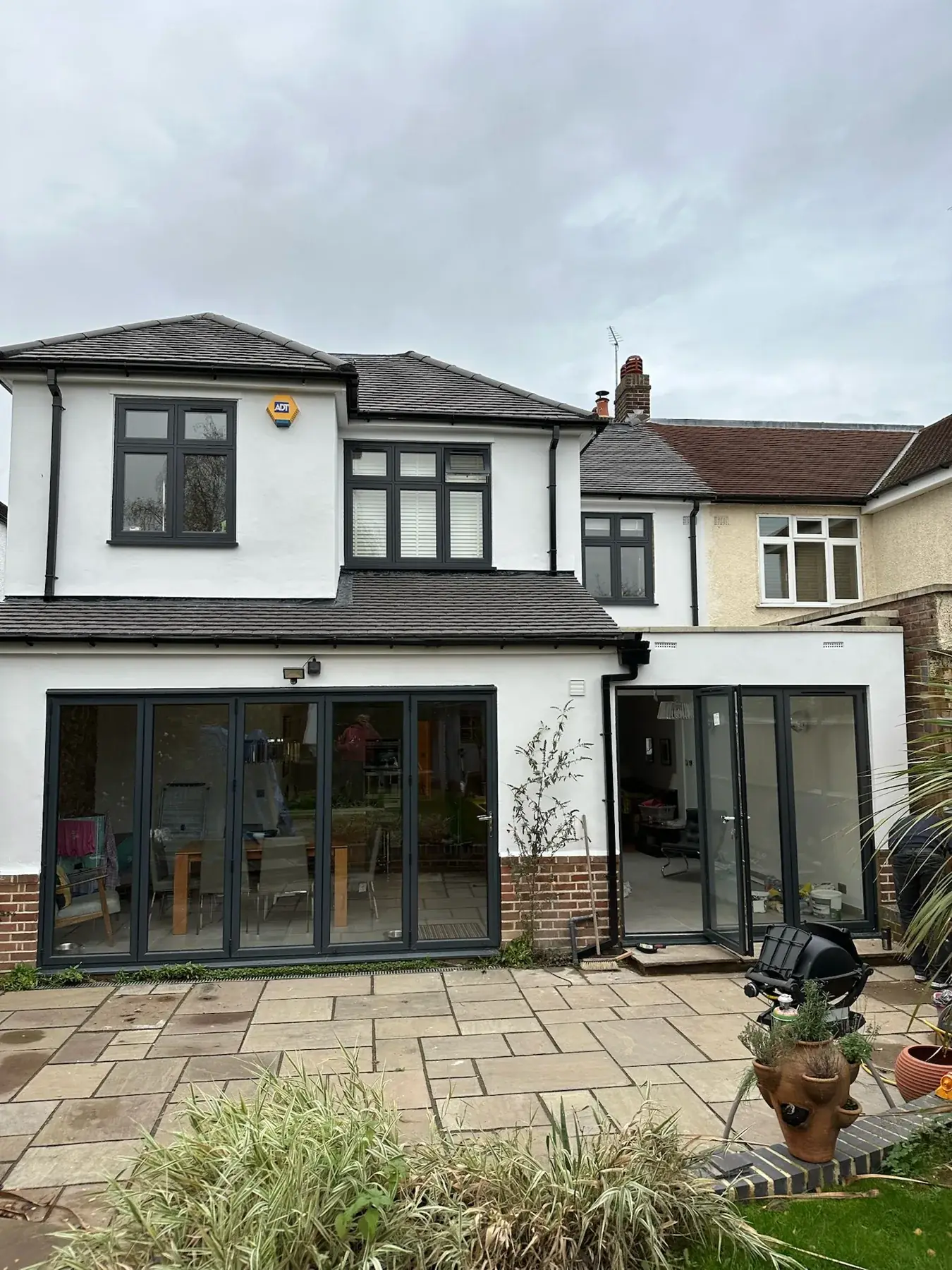
A garden works best when it supports the rooms that open onto it. Before choosing paving, planting or fencing, it is worth deciding how the space will be used, where water will go and how the ground levels affect movement between house and garden.
- Service
- Gardens
- Neighbourhood
- Notting Hill
- Borough
- Kensington and Chelsea
- Next step
- Discuss your project
Your project brief
Work out the practical use of the space
A garden can be for sitting, access, storage, planting or a mix of all four. The right design depends on that choice. If the main aim is everyday use, the layout should favour clear routes and sensible surfaces. If planting is the priority, the hard landscaping may need to take a lighter role.
The decision about levels matters too. A small change in height can affect steps, thresholds and drainage. A good garden brief should ask how the space connects to the house rather than treating the boundary as a separate design problem.
Local checks for garden work in Notting Hill
Kensington and Chelsea’s borough guidance is useful if your garden project is tied to a broader house alteration or if any external changes could be affected by conservation-area status. The borough says living in a conservation area does not stop changes, but the exact address still has to be checked. For garden work, the key question is whether the specific site triggers any extra controls.
Design decisions
Treat drainage and boundaries as part of the same job
Hard landscaping, fencing, gates and surface water should be considered together. A new patio may change how water reaches the rest of the plot, and boundary work may affect access for carrying materials or maintaining the space. These are practical issues, not just aesthetic ones.
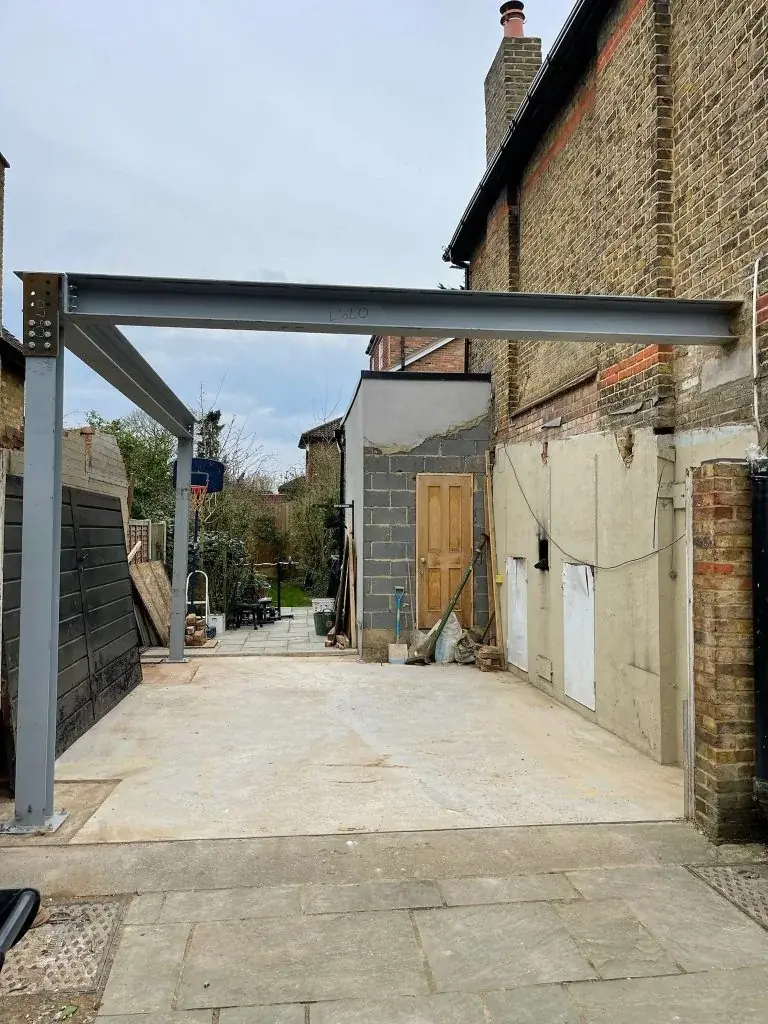
If a possible brief is to replace an old path and create a level seating area, the project should also cover ground preparation and any making good after other building work. That way the finished garden feels complete rather than patched together from unrelated tasks.
Design checks
Four things we confirm before drawing garden improvements.
- 01Check levels and access before deciding where hard landscaping should go.
- 02Plan surface-water handling alongside paving, paths and thresholds.
- 03Confirm boundary ownership and practical access before fencing or gates are agreed.
- 04Allow for ground preparation and making good after other building work.
Questions
Before you call about Notting Hill.
Why should drainage be considered with the garden layout?
Because paving, slopes and threshold levels all affect where water travels. If drainage is ignored, a neat surface can still cause problems around the house or in low points of the garden.
Can I design the garden before the house works are finished?
You can sketch ideas, but the final layout is usually better agreed once the house work is clear, especially if doors, levels or access points are changing. Those details often determine how the outdoor space will actually function.
What should be clarified about fencing or gates?
Ownership, access and the practical purpose of the boundary. A fence or gate is not just a visual feature; it affects movement, security and how the work can be installed and maintained.
Planning and project guidance
- Conservation areas | Royal Borough of Kensington and Chelsea
- GOV.UK · Planning permission
- GOV.UK · Building regulations approval
- GOV.UK · Party walls and building work
Check the current guidance for your address before relying on a planning route. This guide is not a planning decision or a verified local case study.
Other services in Notting Hill








