
Kensington and Chelsea · Central London
Renderingin Notting Hill.
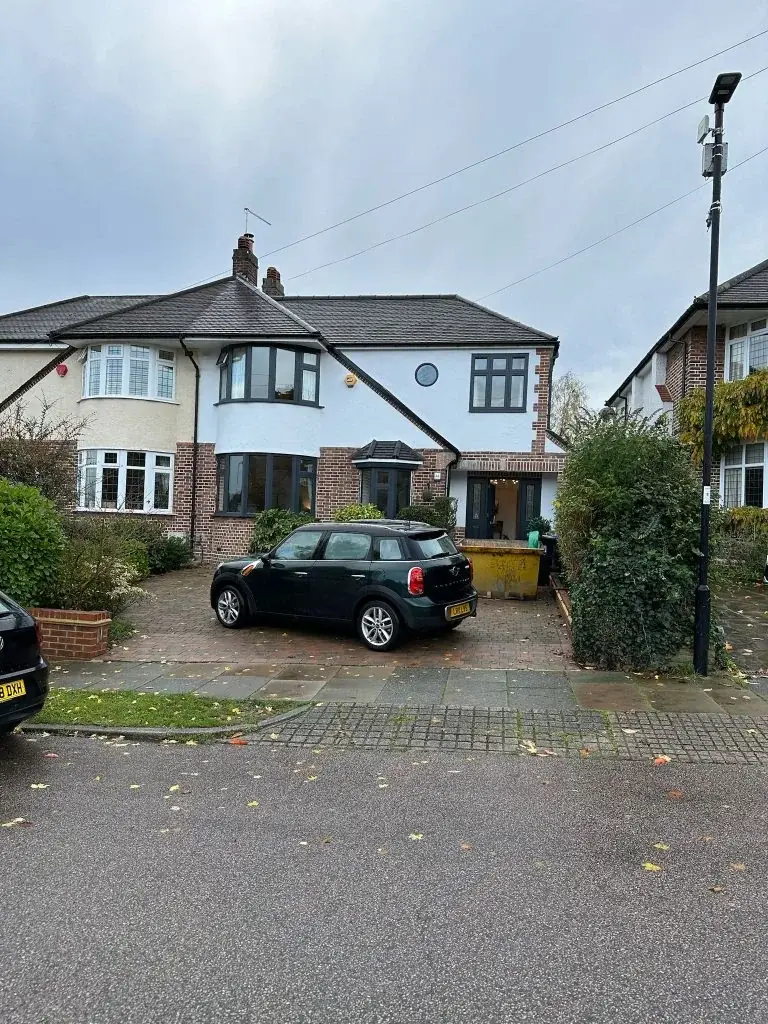
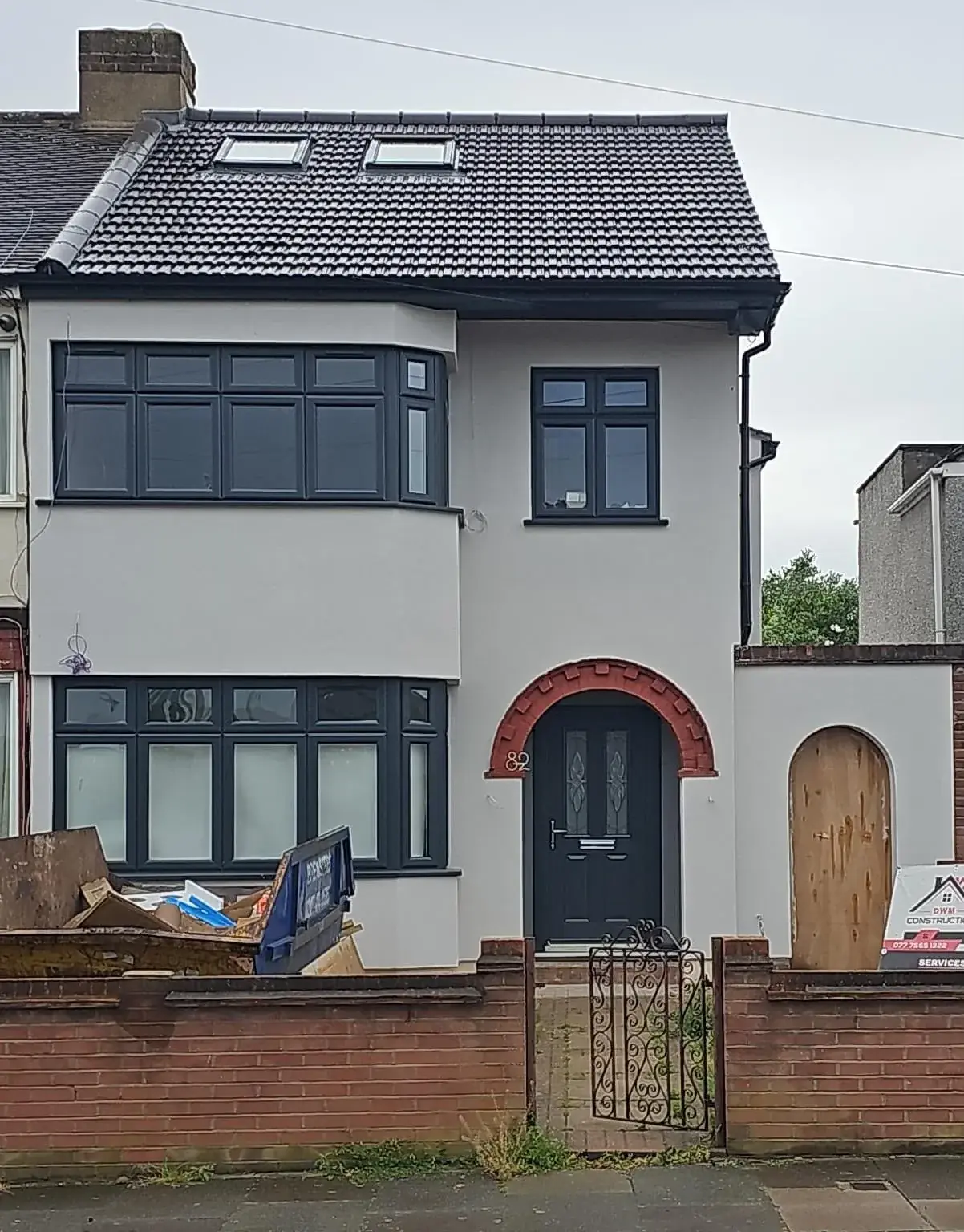
Rendering is an external finish, but the right choice depends on what is underneath. A sound wall with local defects needs a different approach from a wall where the existing render has failed more widely. The goal is to match the system to the wall, not the other way round.
- Service
- Rendering
- Neighbourhood
- Notting Hill
- Borough
- Kensington and Chelsea
- Next step
- Discuss your project
Your project brief
Assess the wall before choosing the finish
The existing background, previous coatings and signs of failure all affect the choice of render system. If the wall is broadly sound, local repairs may be enough. If the finish is loose or incompatible, a fuller replacement may be the safer option. The decision should be made from the wall condition, not from appearance alone.
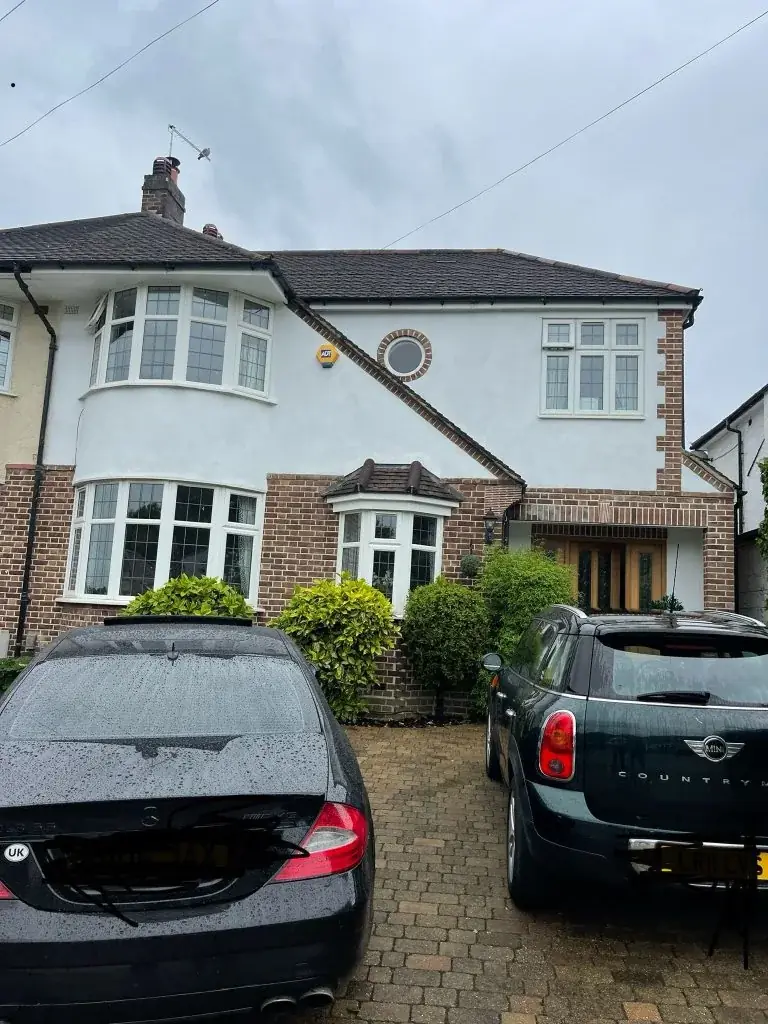
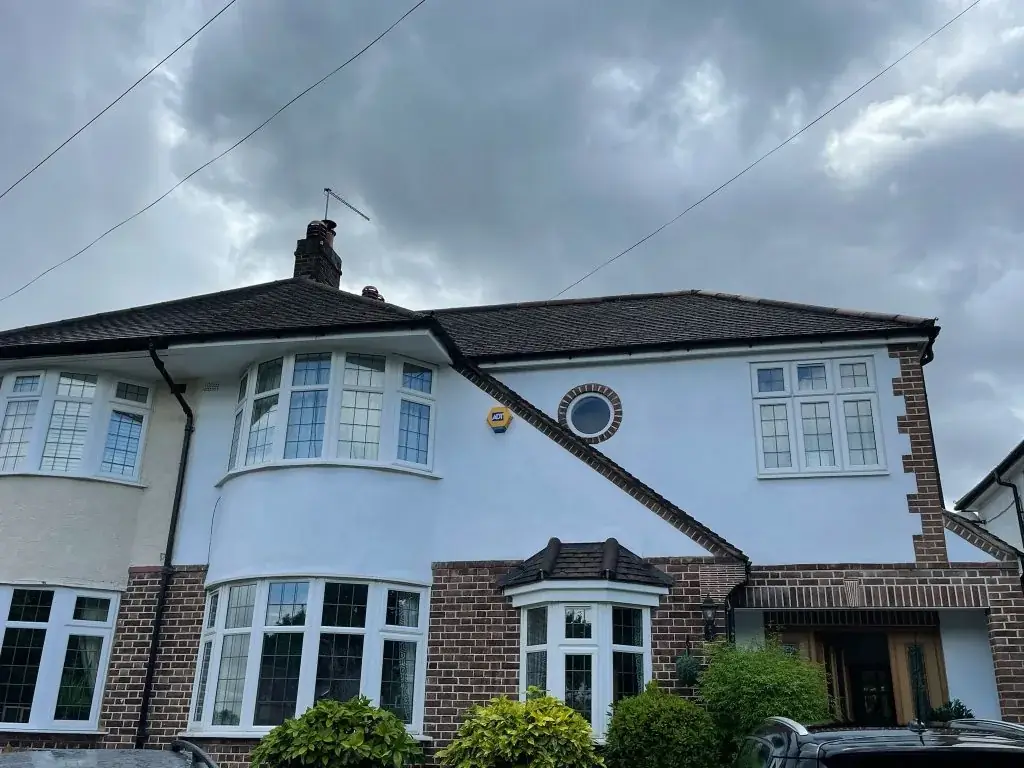
Junctions matter too. Openings, roof edges and adjoining materials can be the weak points where movement or water gets in. A good rendering scope should say how these areas are to be handled, because a neat plane of render is only as good as its edges and interfaces.
Local checks for rendering in Kensington and Chelsea
Kensington and Chelsea’s conservation-area guidance is relevant where render work affects the external character of a property. The borough says nearly three quarters of the area is protected by separate conservation areas, but that does not mean every property has the same controls. Check the exact address and any property-specific direction before assuming the route for external rendering.
Design decisions
Keep access and compatibility in the plan
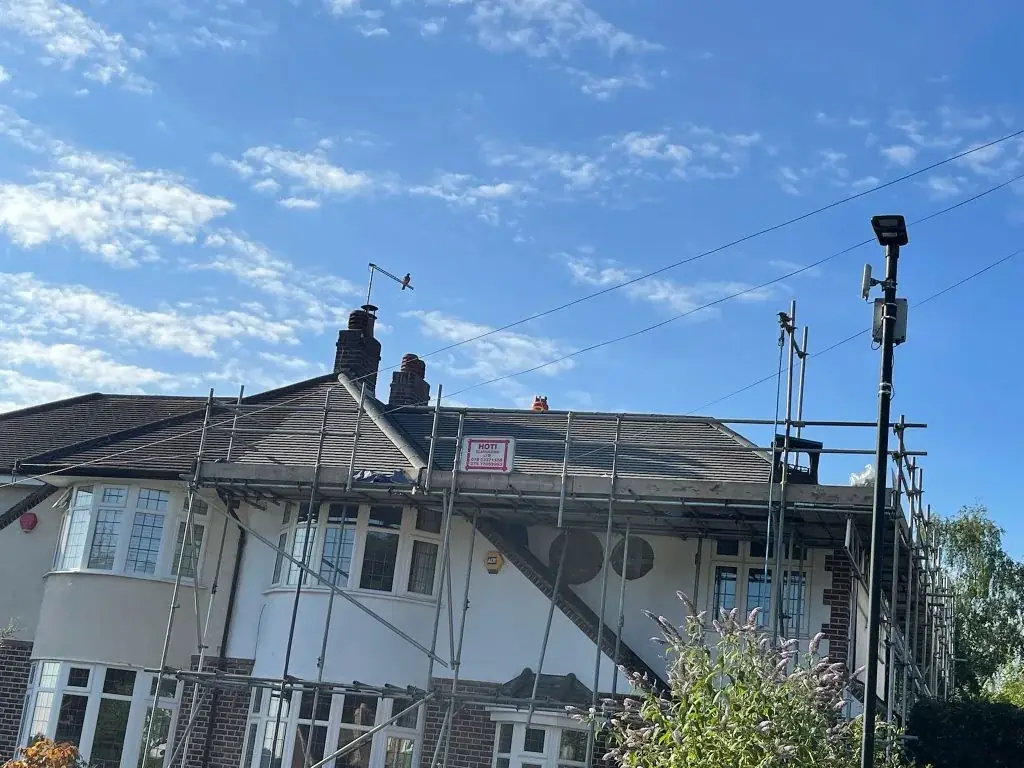
Rendering is an external job, so access and weather exposure influence the programme and the products used. The wall may need preparation before application, and the finish has to be compatible with the substrate. If those issues are left vague, the result may look fine initially but perform poorly later.
A practical brief should also separate render repair from other external improvements. For example, if there are windows, doors or roof junctions nearby, the scope should state what is included around them. That keeps the project from drifting into extra façade work without a clear decision.
Design checks
Four things we confirm before drawing external rendering.
- 01Inspect the wall background and any signs of failed render before choosing the system.
- 02Check junctions around openings, roof edges and adjoining materials.
- 03Confirm safe access and weather timing for the external work.
- 04Separate render repair from other façade changes in the quote.
Questions
Before you call about Notting Hill.
How do I know if render needs repair or replacement?
Look at the extent of failure, not just one damaged patch. If the render is generally sound with local faults, repair may be enough. If it is loose, widespread or incompatible with the wall, replacement may be the better route.
Why are junctions so important on a rendered wall?
Because most water and movement issues appear at edges, openings and changes of material. A smooth wall face can still fail if the details where it meets other parts of the building are not properly considered.
Does all external render work raise planning questions?
Not automatically. It depends on the exact property, any conservation-area status and the nature of the change. The first step is to check the site-specific position rather than assuming a blanket rule for the neighbourhood.
Planning and project guidance
- Conservation areas | Royal Borough of Kensington and Chelsea
- GOV.UK · Planning permission
- GOV.UK · Building regulations approval
- GOV.UK · Party walls and building work
Check the current guidance for your address before relying on a planning route. This guide is not a planning decision or a verified local case study.
Other services in Notting Hill








