
Kensington and Chelsea · Central London
Plumbingin Notting Hill.
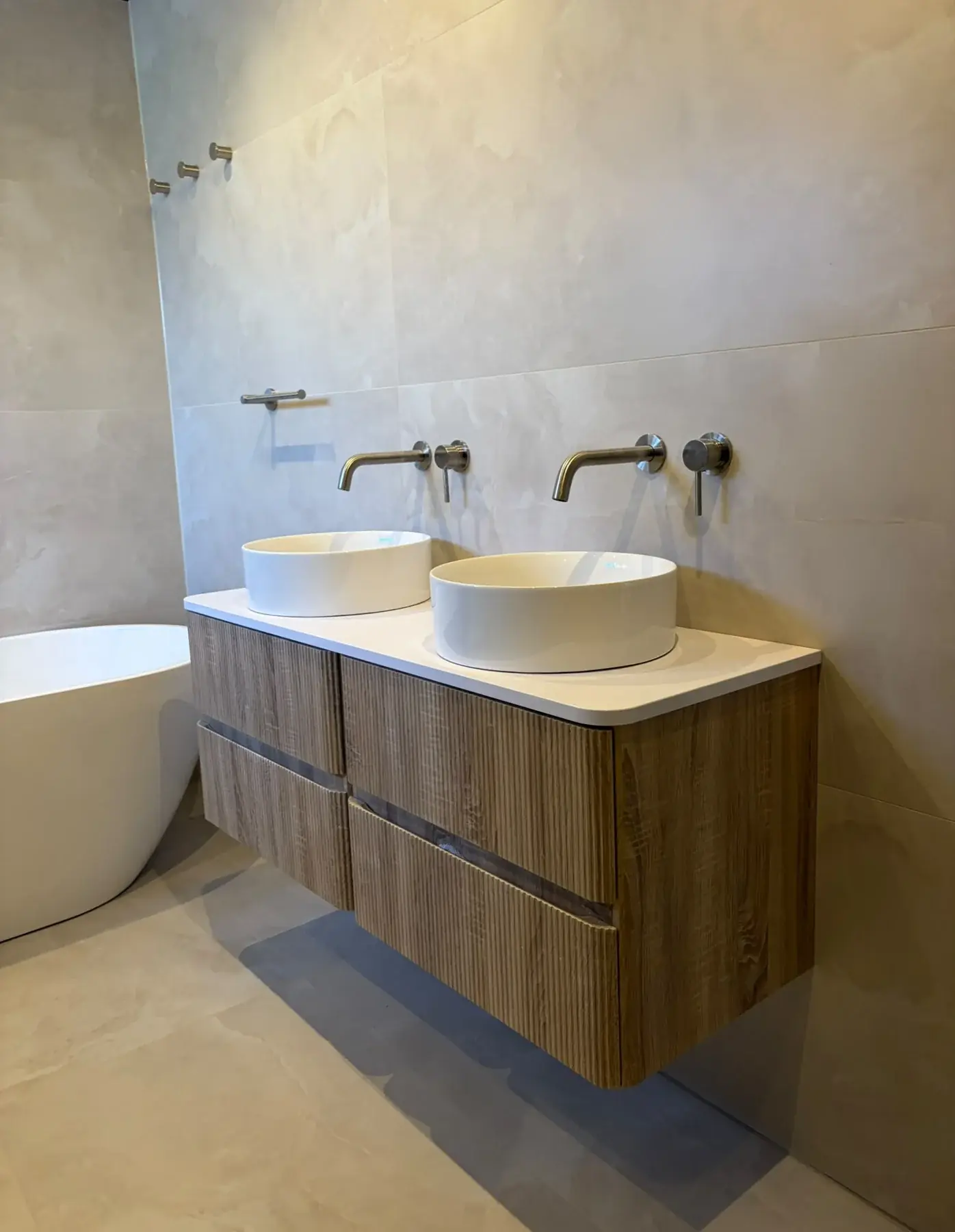
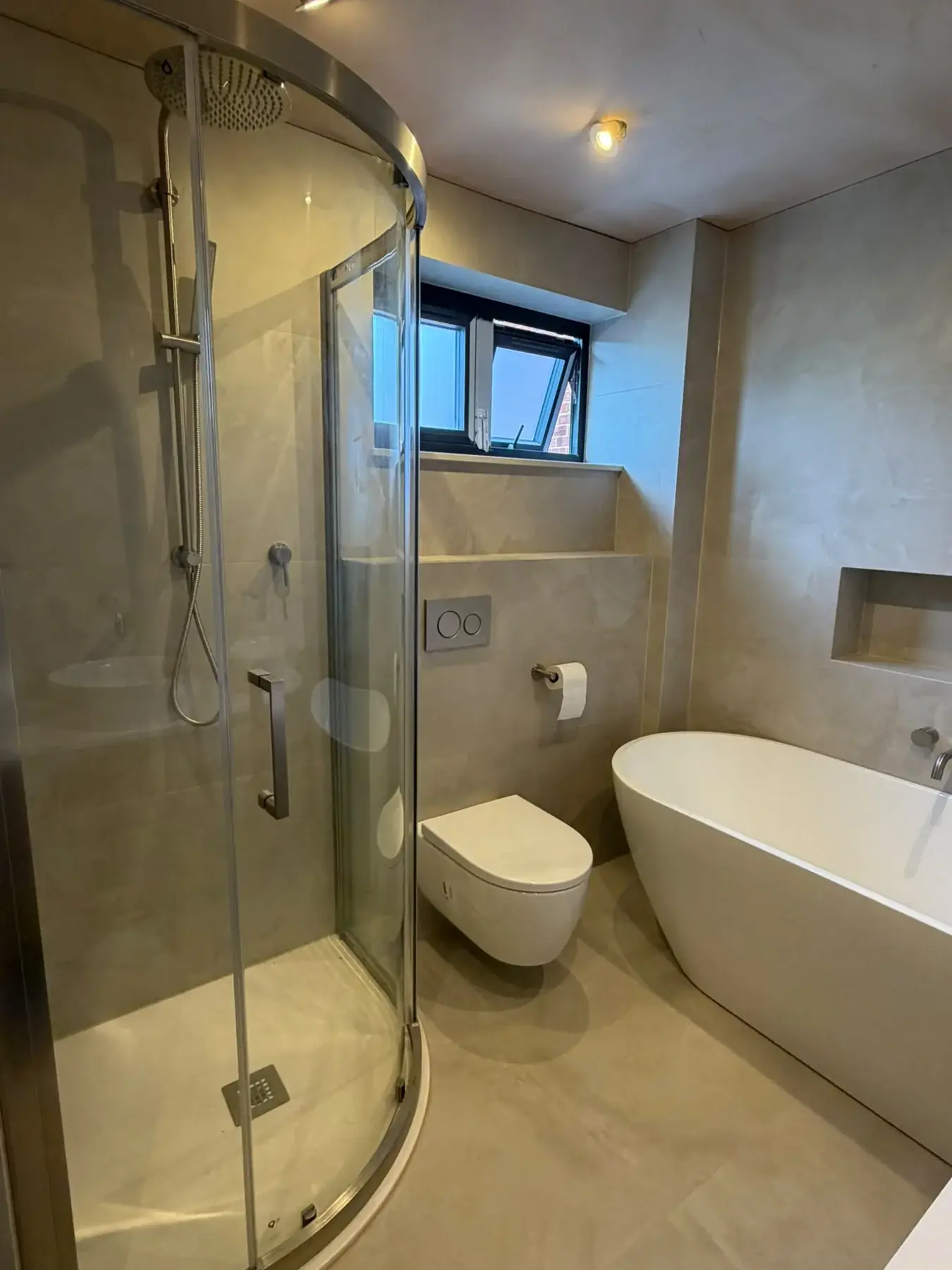
Plumbing changes are easiest to get right when the layout is settled before the walls are closed. Moving a sink, replacing a bathroom or altering pipe routes affects the building fabric as well as the fittings, so the scope needs to be thought through from the start.
- Service
- Plumbing
- Neighbourhood
- Notting Hill
- Borough
- Kensington and Chelsea
- Next step
- Discuss your project
Your project brief
Design the route, not just the fixture
A tap or basin position may look simple on paper, but the supply and waste routes behind it are what make the change feasible. If the new layout needs longer runs, altered falls or a different service zone, those details should be reviewed before the room is signed off.
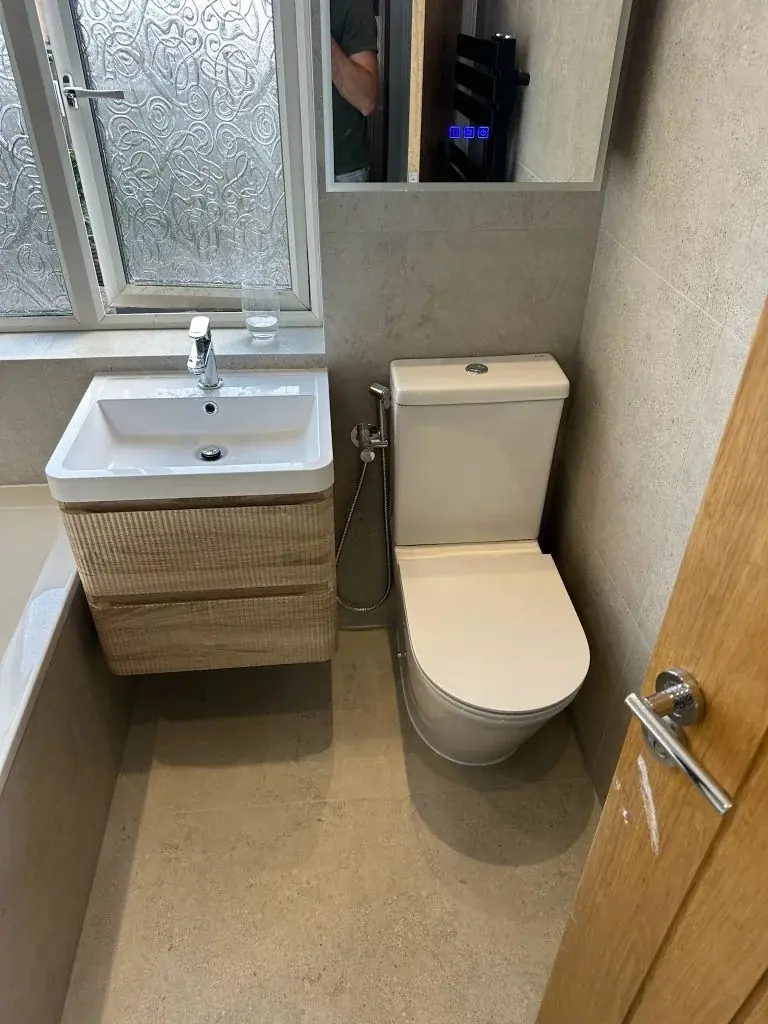
That is why plumbing work should be coordinated with the surrounding project. If walls are moving, cabinets are being fitted or floors are being altered, the plumbing first-fix needs a place in the sequence. Otherwise the finished room can look tidy but be built around awkward compromises.
Local checks for plumbing changes in Notting Hill
Kensington and Chelsea’s planning guidance should be checked where plumbing changes are part of a wider refurbishment affecting the building’s character or where external alterations are involved. The borough’s conservation-area information is address-specific, not a blanket rule for the whole neighbourhood. For internal plumbing changes, the main issue is usually coordination with the rest of the project rather than a generic local restriction.
Design decisions
Decide what is being replaced and what is being investigated
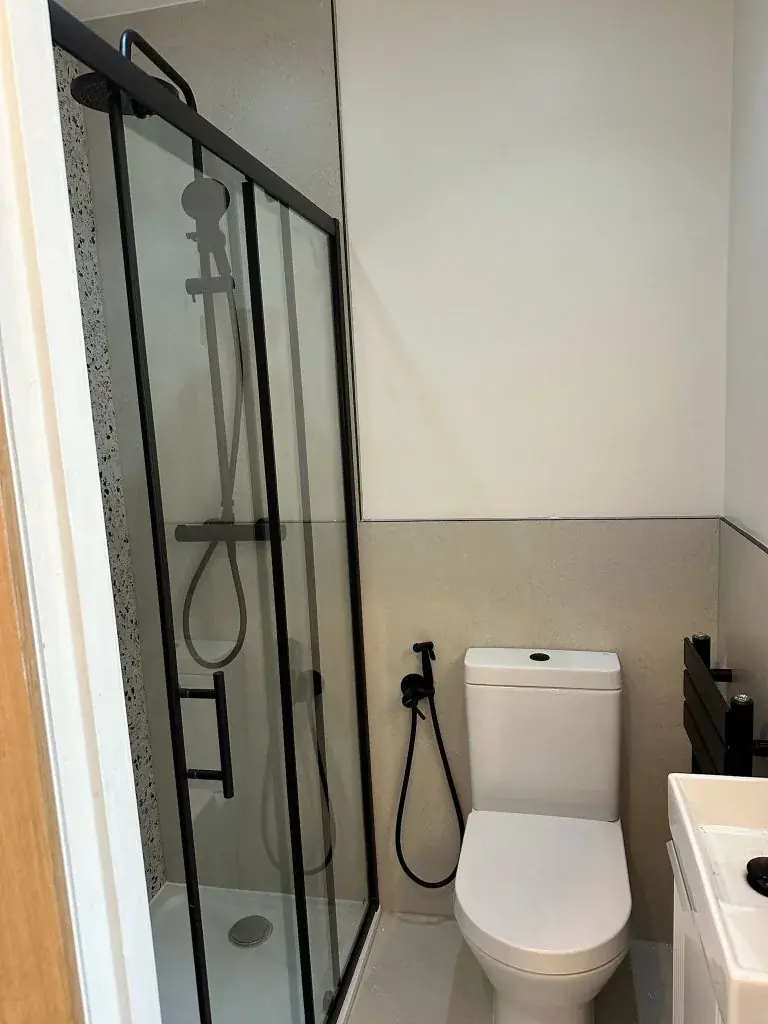
Plumbing briefs often mix new installation with fault-finding. Those are different tasks. Installing sanitaryware, taps and connections is one part of the job; assessing accessible pipework for issues is another. Separating them helps avoid assumptions about hidden conditions.
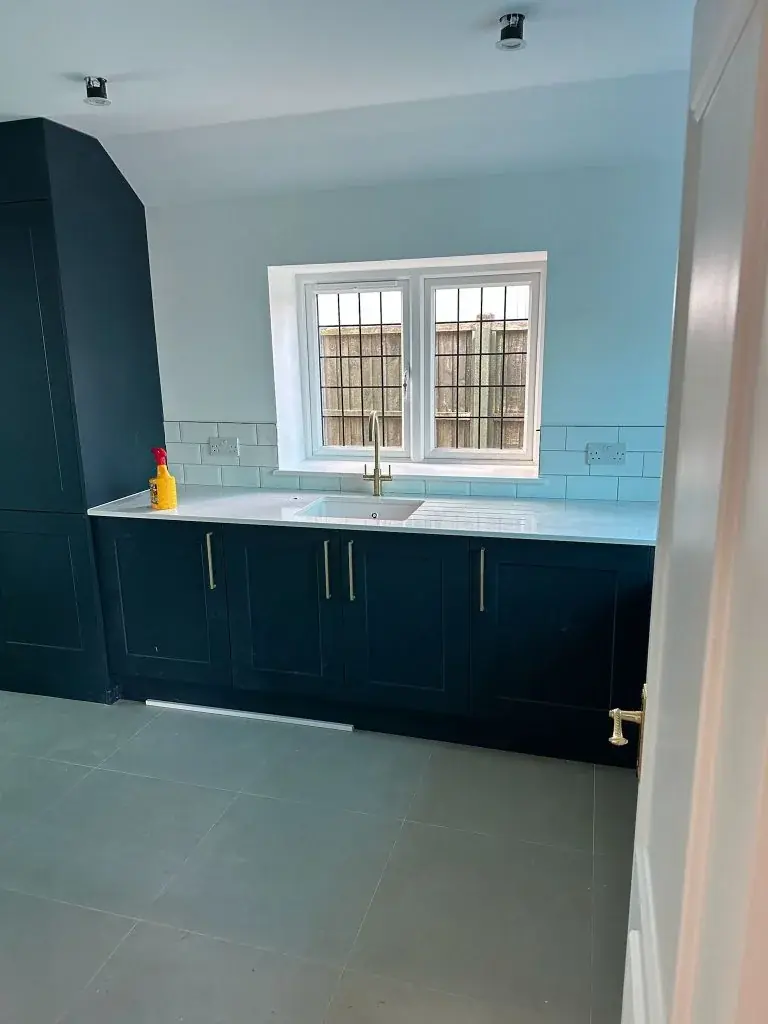
If a possible brief is to move a kitchen sink across the room, the scope should also say whether the existing pipework is to be reused, altered or replaced. That makes pricing and sequencing more reliable and reduces the chance of unfinished work behind the units.
Design checks
Four things we confirm before drawing plumbing work.
- 01Confirm the final layout before any pipe routes are fixed.
- 02Separate new installation from fault investigation in the scope.
- 03Check that access for maintenance will remain possible after finishes are fitted.
- 04Coordinate plumbing first-fix and second-fix with the rest of the renovation sequence.
Questions
Before you call about Notting Hill.
Why does plumbing need to be planned before finishes go in?
Because pipe routes, waste falls and access points are hidden once walls, floors and units are complete. If the layout changes later, the finished room may need reopening, which is more disruptive and usually more expensive to correct.
What is the difference between installation and investigation?
Installation is the agreed new work, such as fittings or altered pipework. Investigation is checking accessible pipework or tracing a problem. Keeping them separate avoids confusion about what is included and what depends on what is found on site.
Can plumbing changes be made without altering the whole room?
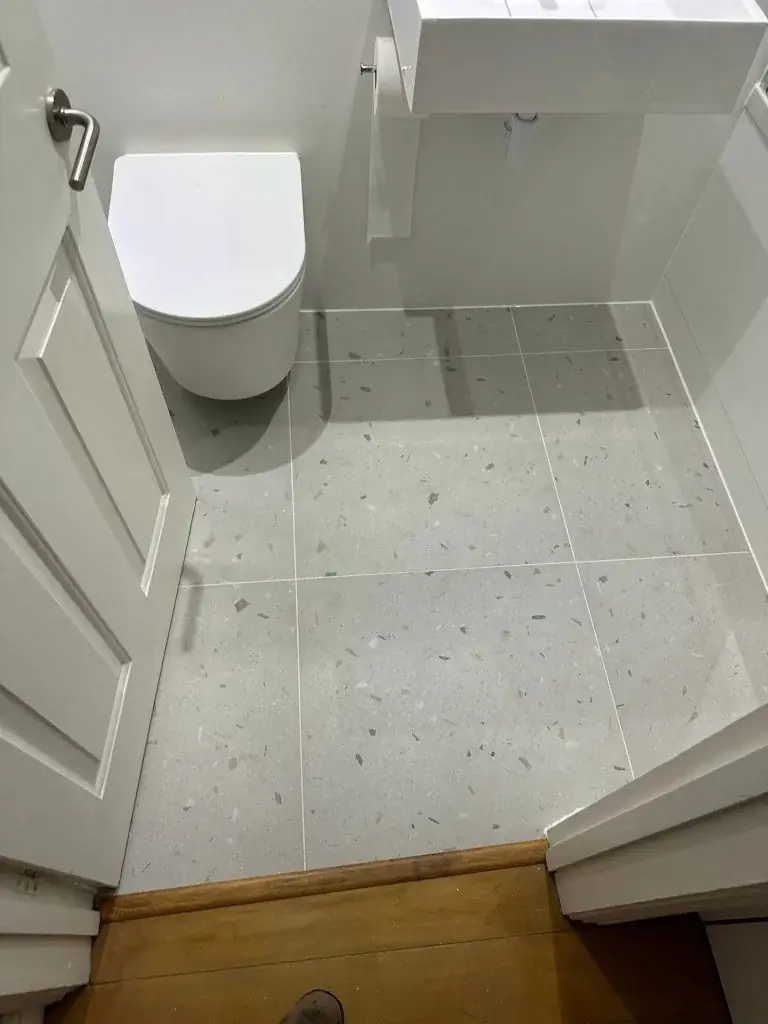
Sometimes, yes, but it depends on how far the existing routes can support the new arrangement. A modest change may be possible if the services can be adapted neatly; a bigger move may need broader room alterations.
Planning and project guidance
- Conservation areas | Royal Borough of Kensington and Chelsea
- GOV.UK · Planning permission
- GOV.UK · Building regulations approval
- GOV.UK · Party walls and building work
Check the current guidance for your address before relying on a planning route. This guide is not a planning decision or a verified local case study.
Other services in Notting Hill








