
Kensington and Chelsea · Central London
Roofingin Notting Hill.
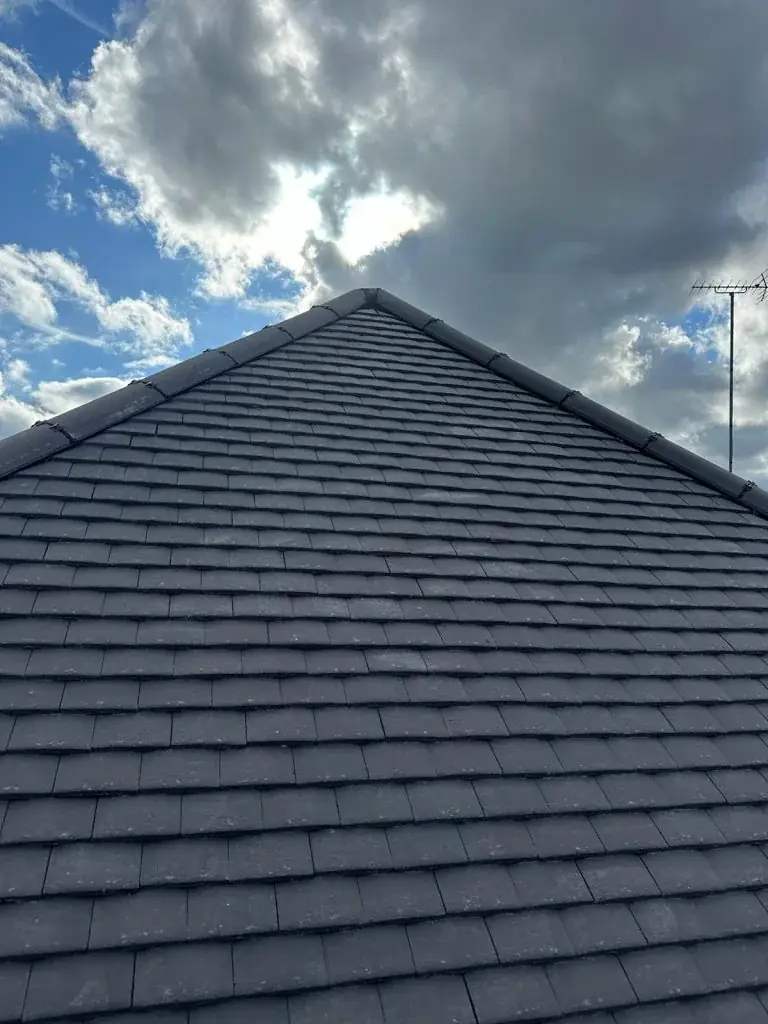
Roof problems often show up in one place but start somewhere else. A sensible roofing brief looks beyond the visible patch and asks what is happening at the covering, the junctions and the drainage points before deciding how much of the roof needs attention.
- Service
- Roofing
- Neighbourhood
- Notting Hill
- Borough
- Kensington and Chelsea
- Next step
- Discuss your project
Your project brief
Trace the cause before agreeing the repair
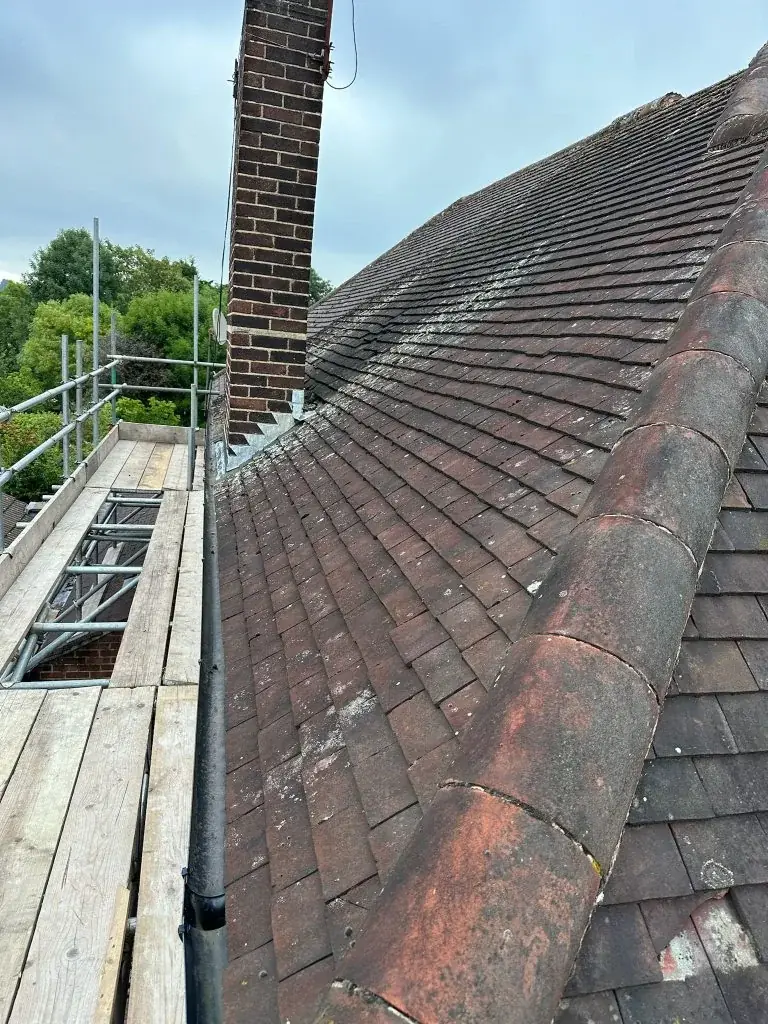
A damp mark inside the house does not always mean the tile above it is the only problem. Flashing, abutments, ridges and rainwater junctions can all contribute. That is why the scope should start with investigation of accessible defects and a repair plan that follows the cause rather than the symptom.
If the issue is small and local, a targeted repair may be enough. If the covering or junctions are more widely affected, a broader repair scope may be more sensible. The point is to avoid paying for a quick visual fix when the underlying route for water has not been addressed.
Local checks for roofing in Kensington and Chelsea
Kensington and Chelsea’s planning and conservation-area pages are relevant if roofing work affects the external character of a property or forms part of a larger alteration. The borough’s guidance is address-specific, and some properties may have extra controls. Check the exact address before assuming that a roof repair, replacement or conversion can follow a standard route.
Design decisions
Keep roof repair distinct from other roof work
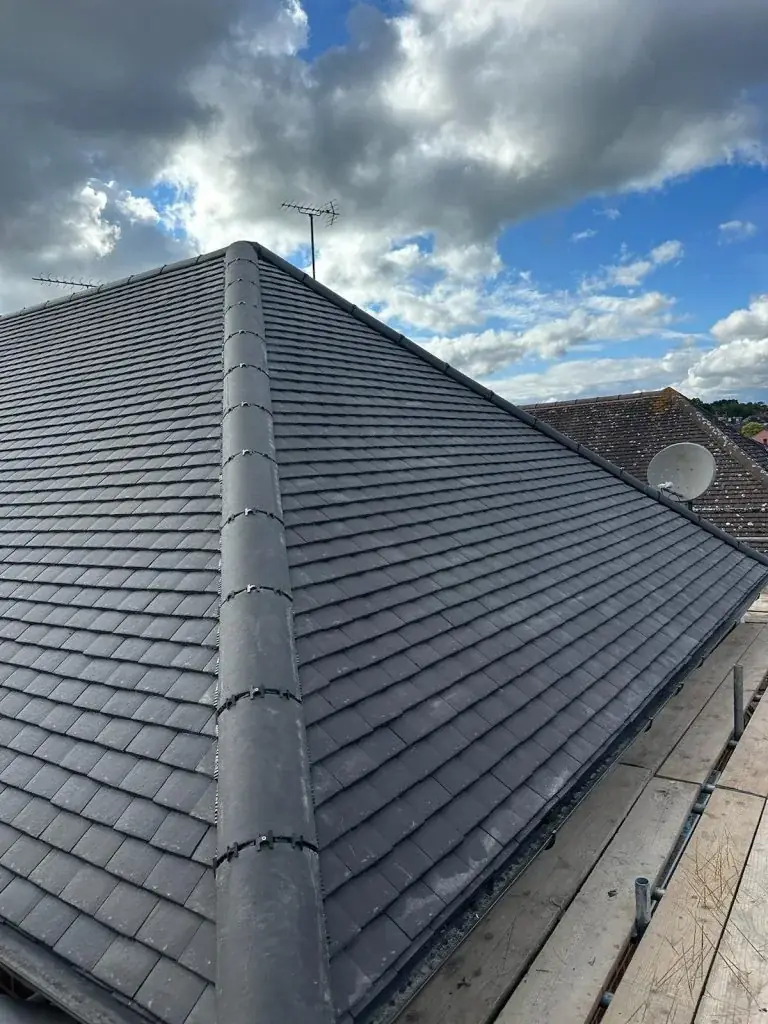
Roofing repair, roof replacement and loft-conversion work are different scopes. A repair deals with defects; a replacement changes the covering more extensively; a loft conversion brings structural and design requirements into the picture. Mixing them up leads to confusion about what is actually being proposed.
If roof work is part of a conversion or refurbishment, the structural requirements and the roof covering should be coordinated together. That makes it easier to decide whether the existing roof can stay in place while being repaired, or whether the wider project changes the whole approach.
Design checks
Four things we confirm before drawing roofing work.
- 01Inspect the accessible roof areas and identify the likely cause of the defect.
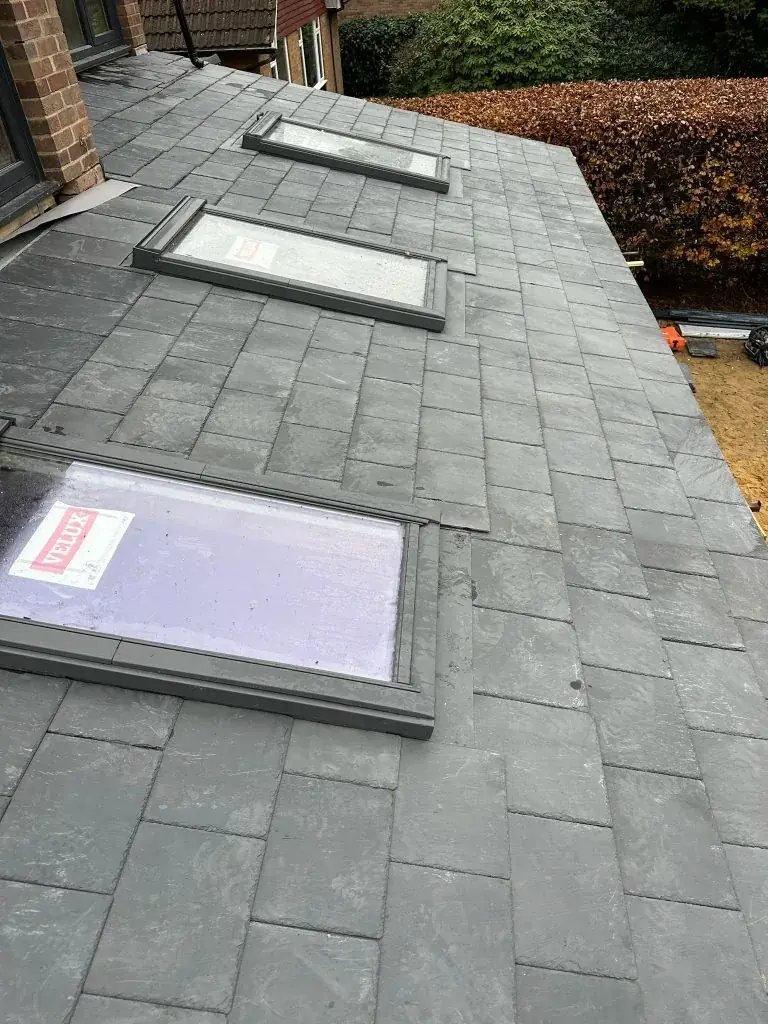
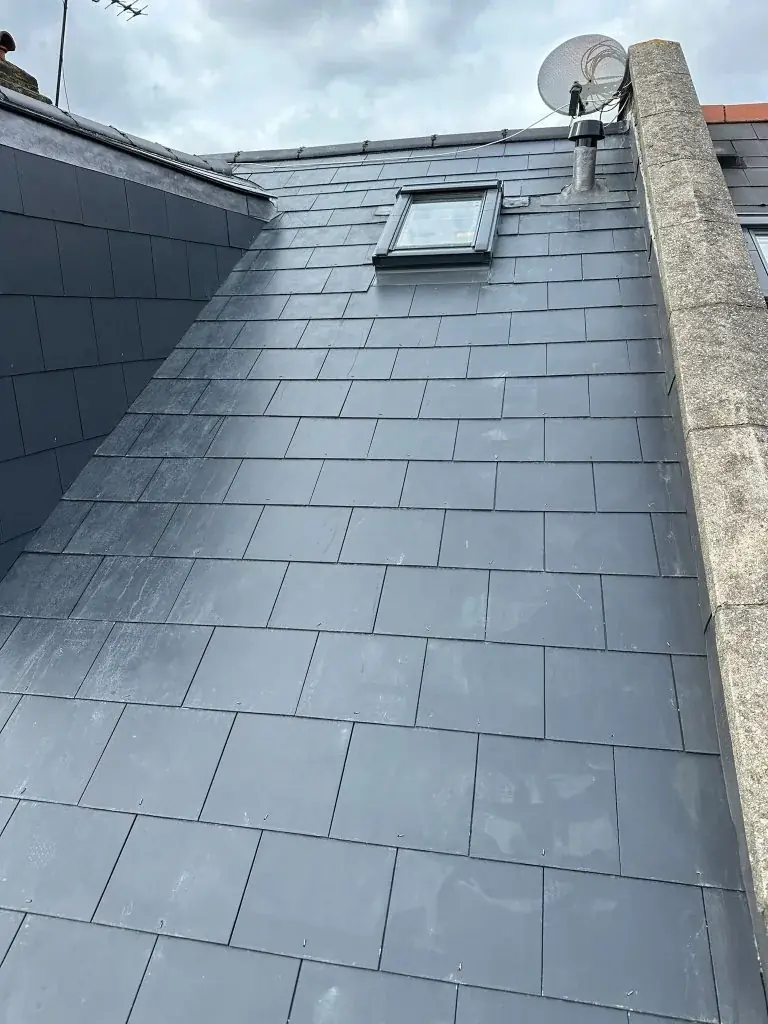
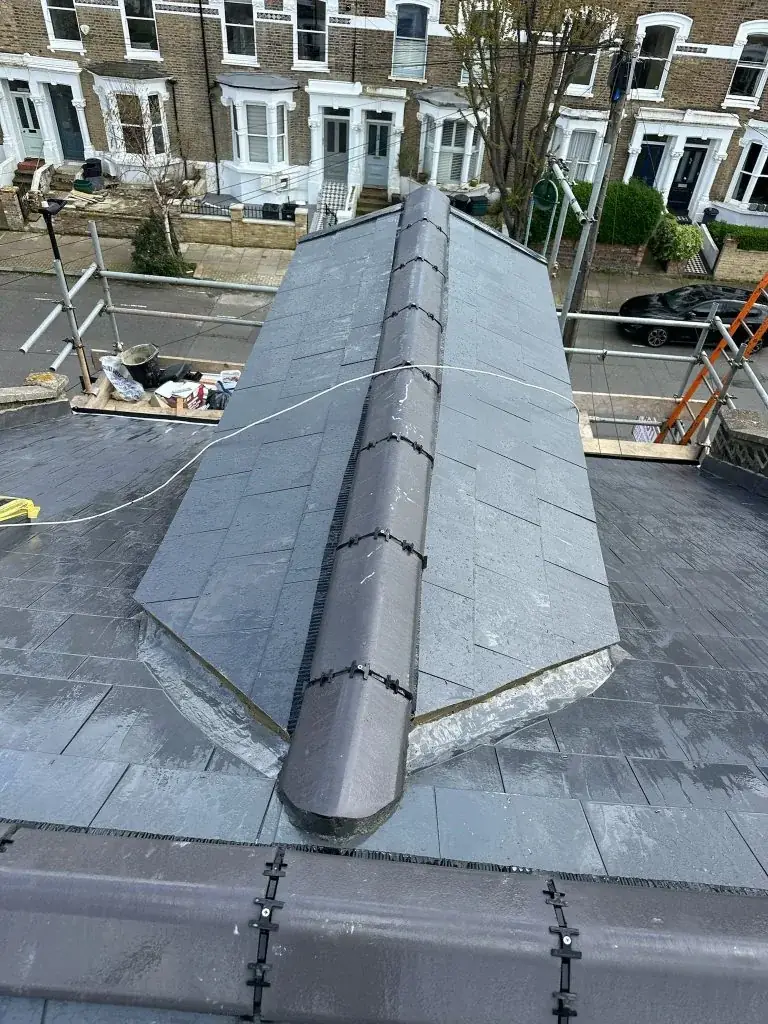
- 02Check flashing, abutments and drainage junctions as well as the covering.
- 03Keep repair, replacement and conversion scopes separate.
- 04Confirm any external planning or consent issues at the exact address.
Questions
Before you call about Notting Hill.
Why is a roof leak not always a tile problem?
Because water can enter at flashings, junctions or other weak points and show up elsewhere inside. A good repair starts by tracing the path of the leak rather than assuming the visible symptom names the cause.
When is roofing more than a repair?
When the covering, details or broader structure are affected beyond a local defect. If the issue is widespread or tied to a conversion, the scope may need to move from repair work into more extensive roof intervention.
Should loft conversion planning wait until after roof issues are solved?
The roof condition should be understood before the conversion design is fixed, because the existing structure and covering influence the conversion strategy. In some projects, repair and conversion decisions need to be developed together.
Planning and project guidance
- Conservation areas | Royal Borough of Kensington and Chelsea
- GOV.UK · Planning permission
- GOV.UK · Building regulations approval
- GOV.UK · Party walls and building work
Check the current guidance for your address before relying on a planning route. This guide is not a planning decision or a verified local case study.
Other services in Notting Hill








