
Surrey · Reigate · Town service guide
Renderingin Reigate.
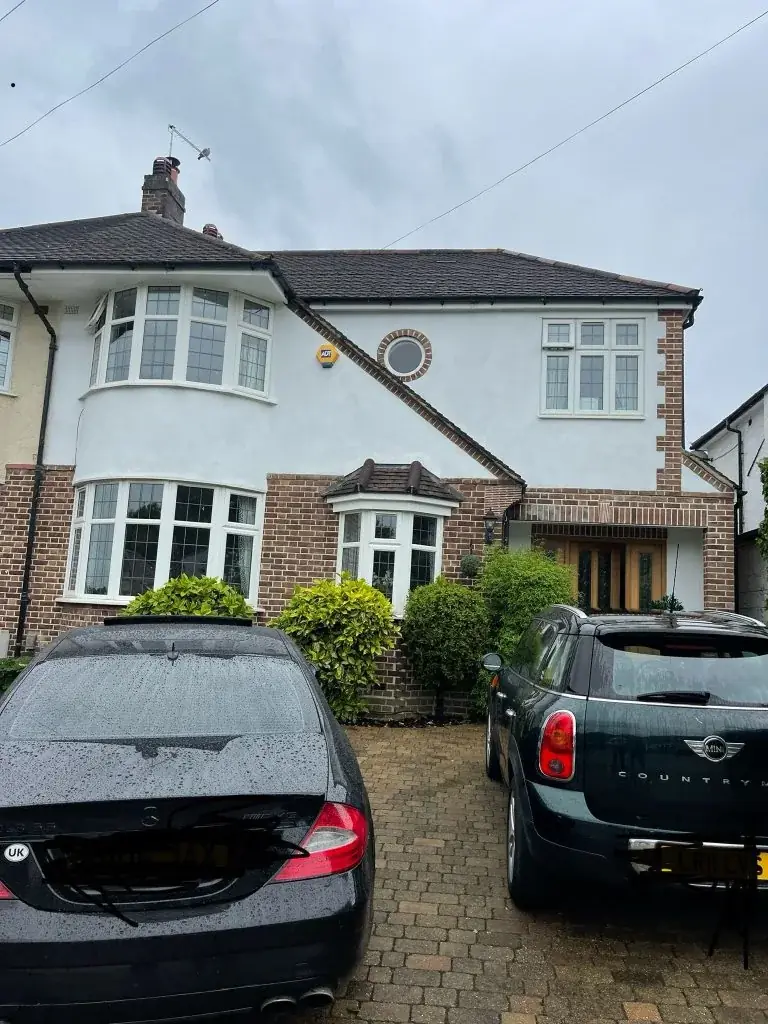
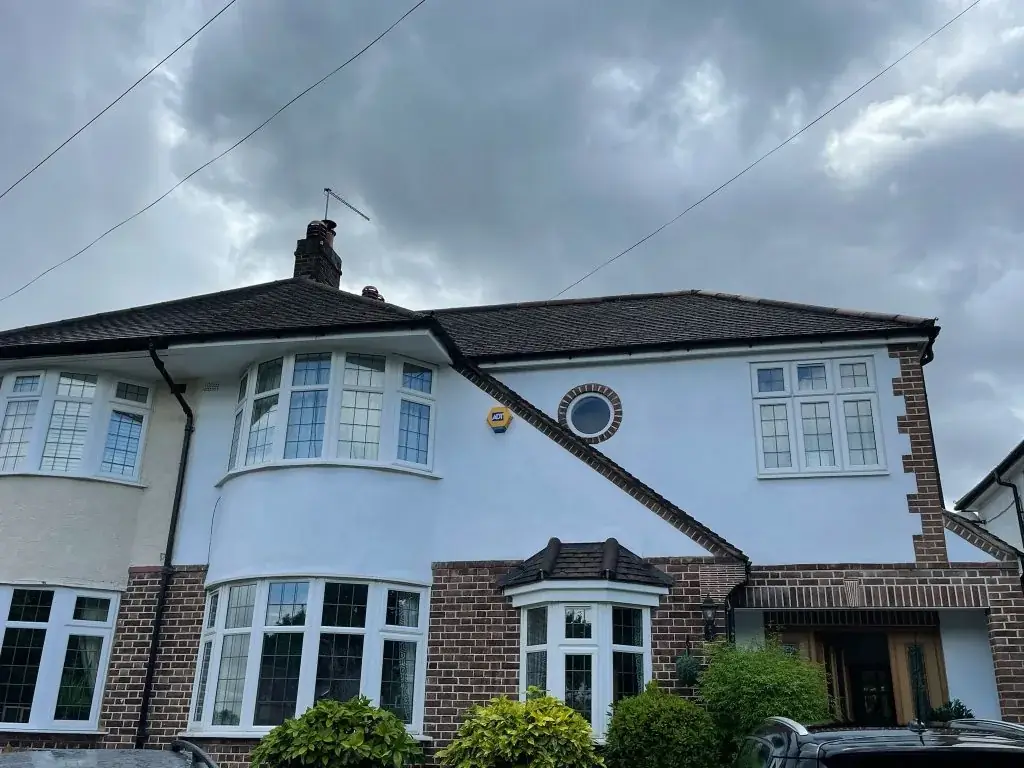
Rendering changes the look of a house, but it also has to suit the wall underneath. In Reigate, the important choices are whether the existing surface is sound, what moisture issues may be present and how the render will meet openings, roof edges and other materials.
- Service
- Rendering
- Town / city
- Reigate
- County
- Surrey
- Next step
- Discuss your project
Your project brief
Check the wall condition before selecting the render system
Cracks, trapped moisture and failed coatings can all affect whether a new render will perform properly. If the wall background is weak or the existing finish is letting water in, the remedial work has to be identified before the new surface is specified.
Older solid-wall buildings may need a more breathable approach than a standard modern system. The finish should match the construction, not force the wall into a method that ignores how it naturally handles moisture.
Reigate local check when the render changes the outer face of the house
Reigate and Banstead says older appraisal boundaries may not be current and directs owners to the live heritage map. If render work affects the external appearance, check the exact address before relying on a historic plan or boundary note. The council’s linked character appraisals are described as drafts approved for consultation, so they can inform the design but do not replace the current planning framework.
Design decisions
Treat the external junctions as part of the design
Render failures often begin at openings, roof edges and where one material meets another. Those details need to be resolved in the scope, because they influence both the appearance and the weathering performance of the wall once the work is complete.
If insulation or thermal upgrades are being considered alongside rendering, the design may need extra checks and approvals. That should be understood before the render is ordered, not discovered once the façade is already disturbed.
Design checks
Four things we confirm before drawing external rendering.
- 01Assess the wall background, moisture condition and existing finish first.
- 02Choose a render system that suits the building’s construction.
- 03Include openings, roof edges and adjoining materials in the scope.
- 04Check whether any insulation or thermal change needs extra approval.
Why does render need to suit the wall type underneath?
Because different walls handle moisture in different ways. A finish that is fine on one construction can trap moisture or fail early on another, especially on older solid walls.
What junctions matter most in a rendering job?
Openings, roof edges and transitions to other materials. Those points are most exposed to weather and most likely to show cracking or leakage if they are not detailed properly.
Should render be treated as only a cosmetic upgrade?
No. It changes the external surface and can affect moisture behaviour and thermal design. The visual result matters, but the wall’s performance matters just as much.
Planning and project guidance
- Reigate and Banstead · current conservation boundaries and appraisal status
- GOV.UK · Planning permission
- GOV.UK · Building regulations approval
- GOV.UK · Party walls and building work
Check the current guidance for your address before relying on a planning route. This guide is not a planning decision or a verified local case study.
Other services in Reigate








