
Greenwich · South London
Doorsin Woolwich.
A door has to fit the opening, suit the room and work with the finishes around it. The right decision is not just the style of the door leaf; it is whether the frame can stay, what hardware is needed and how the opening will perform in use.
- Service
- Doors
- Neighbourhood
- Woolwich
- Borough
- Greenwich
- Next step
- Discuss your project
Your project brief
Decide whether the existing frame can stay
The frame and lining often determine how straightforward a door project will be. If they are sound and true, replacement can be simpler. If they are out of square or damaged, the job may need more joinery and making good than first expected.
That assessment should happen before ordering the door. A possible brief might involve keeping the existing frame for an internal door, or replacing the whole opening detail where the alignment or condition is not good enough for a clean fit.
Woolwich checks before door work is fixed
Greenwich’s guidance says to find out if planning permission is needed before starting building work, and it notes that listed buildings, conservation areas, flats, maisonettes and Article 4 directions can affect the route. Most internal door replacement will not be the same as an external alteration, but the exact address and property status still need checking if the work changes an opening or the external appearance.
Design decisions
Match the hardware and performance to the purpose
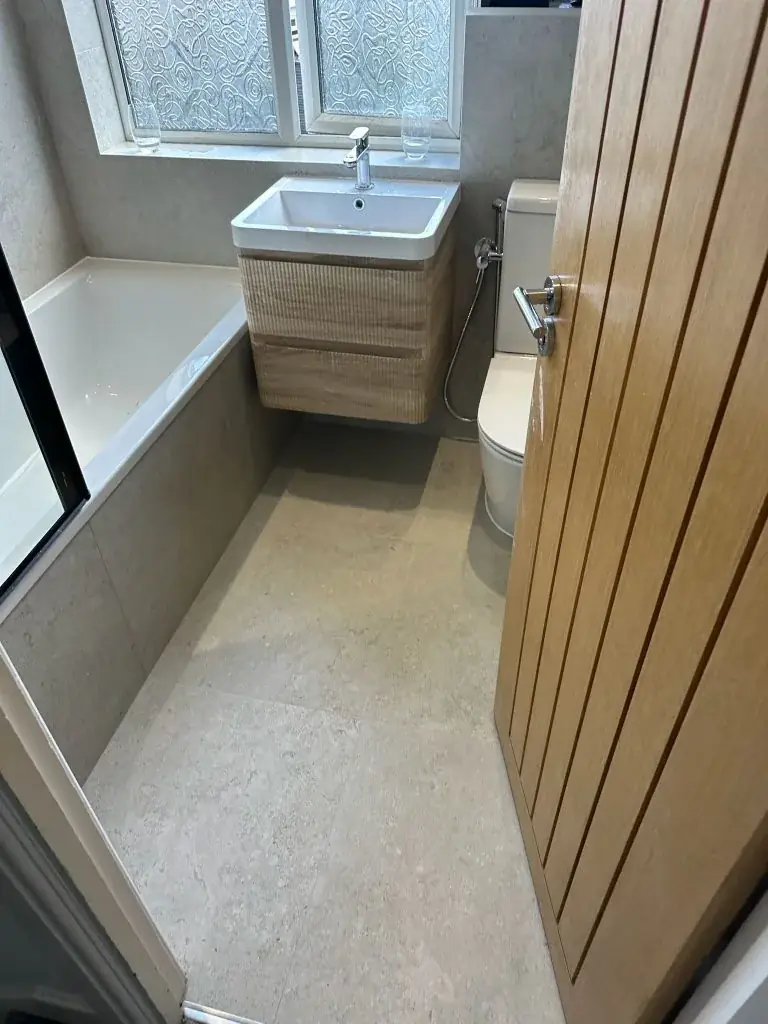
Handles, hinges, latches and closers should be chosen to suit how the door will be used. A room that needs privacy, durability or a particular performance standard may call for different hardware and a different scope from a simple internal bedroom door.
It also helps to plan the finishing around the frame and architraves. Once the door is fitted, the surrounding surfaces need to be made good cleanly so the opening looks deliberate rather than patched in after the fact.
Design checks
Four things we confirm before drawing door installation.
- 01Check whether the existing frame, lining and opening are sound enough to retain.
- 02Choose hardware to suit the door’s use and expected performance.
- 03Agree how frames, architraves and making good will be finished.
- 04Treat altered openings and external changes as separate from routine internal replacement.

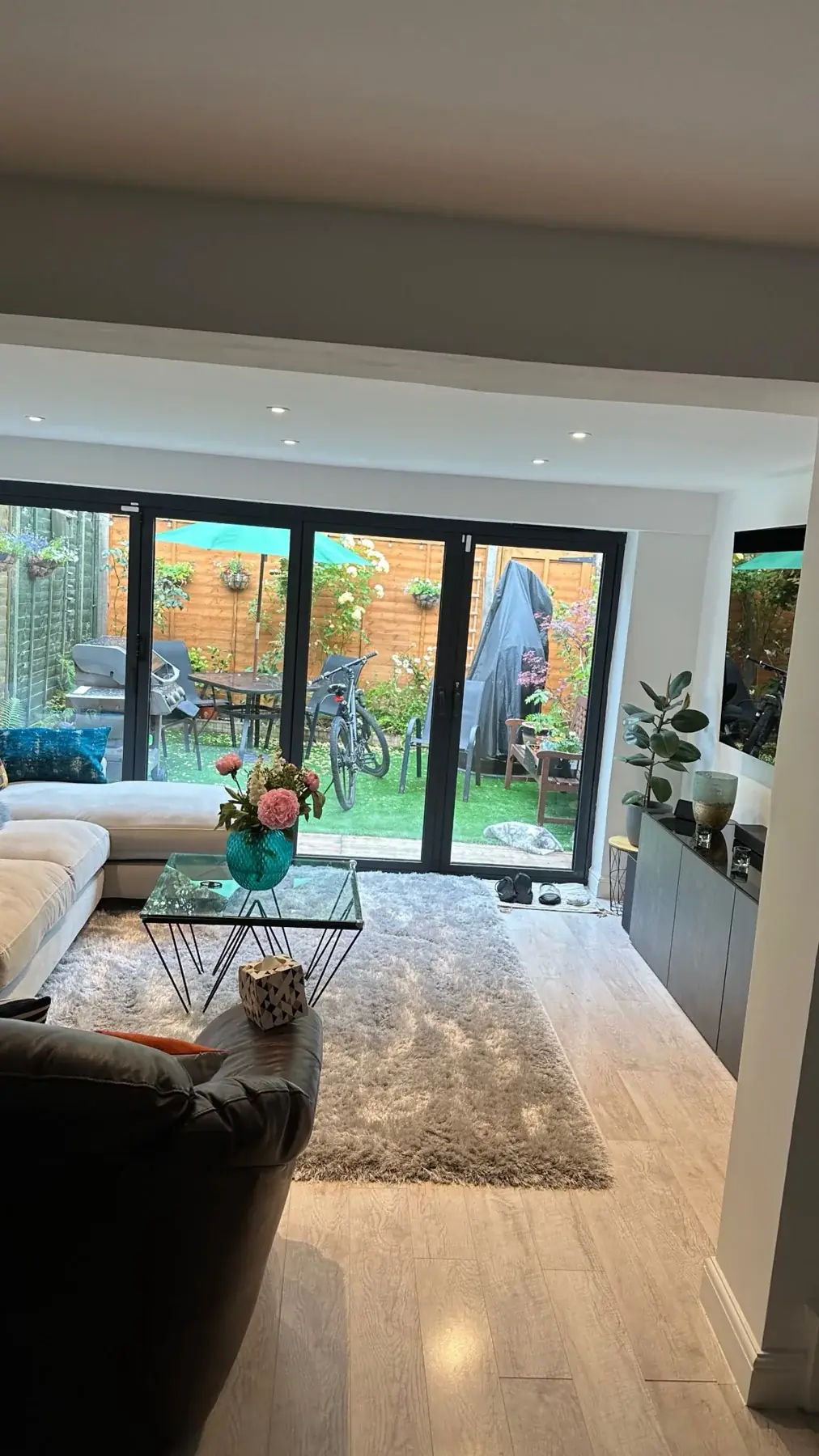
How do I know whether to replace just the door or the whole frame?
Look at the condition and alignment of the frame first. If it is sound and true, the leaf may be enough; if it is damaged or out of square, a fuller replacement may be needed for a proper fit.
Why does hardware matter so much on a door project?
Because hinges, latches and handles affect how the door functions every day. The right hardware helps the door suit its purpose, whether that is privacy, frequent use or a more specific performance need.
What should be included in the making-good around a new door?
The frame edges, architraves and any disturbed wall surfaces should be included. That keeps the opening neat and avoids a finished door sitting awkwardly against unfinished surrounding surfaces.
Planning and project guidance
- Find out if you need planning permission | Royal Borough of Greenwich
- GOV.UK · Planning permission
- GOV.UK · Building regulations approval
- GOV.UK · Party walls and building work
Check the current guidance for your address before relying on a planning route. This guide is not a planning decision or a verified local case study.
Other services in Woolwich








