
Greenwich · South London
Renderingin Greenwich.
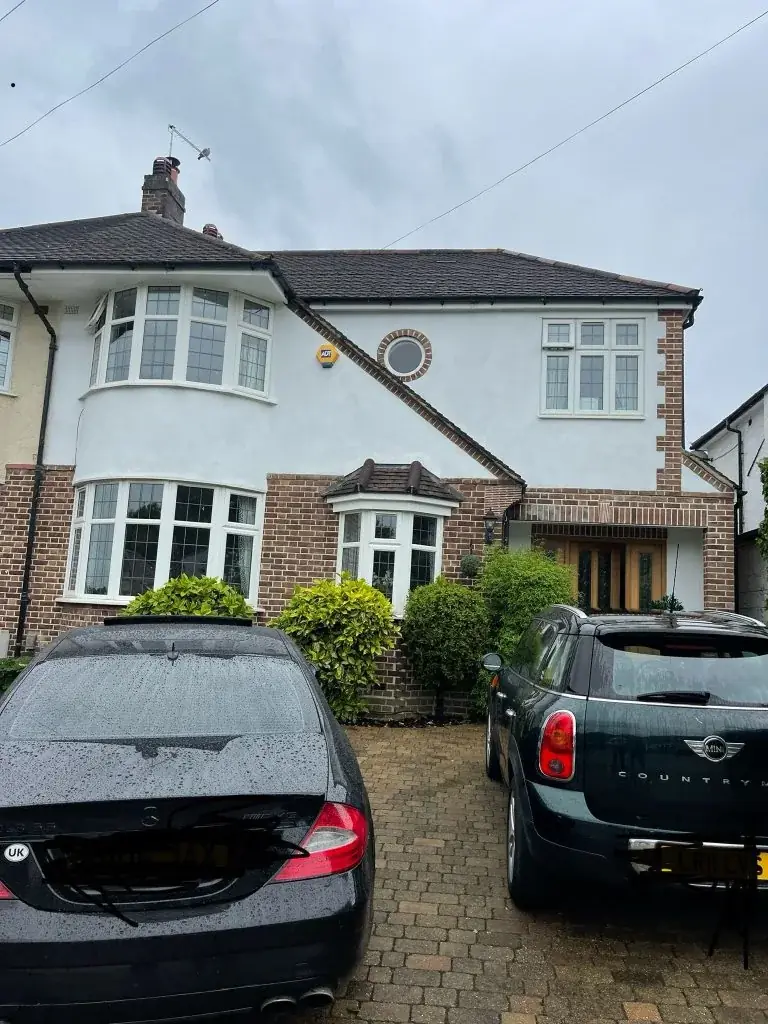
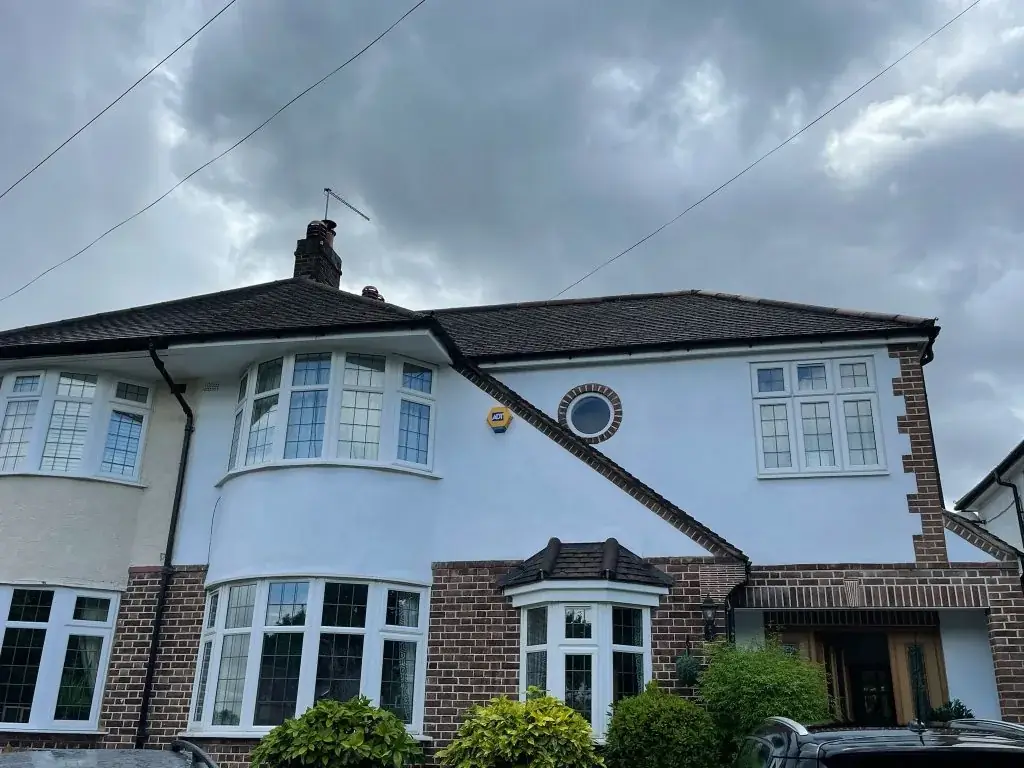
Rendering changes the look of an exterior wall, but the choice only makes sense once you know what the wall underneath is like. A good brief looks at the existing finish, the wall background and how the new render will meet openings, edges and adjoining materials.
- Service
- Rendering
- Neighbourhood
- Greenwich
- Borough
- Greenwich
- Next step
- Discuss your project
Your project brief
Start with the wall condition, not the finish texture
The same render will behave differently depending on the surface beneath it. If the background is sound, the job may be a straightforward renewal or repair. If the wall has failed patches, movement or incompatible old material, the solution may need more preparation before a new layer can go on.
That matters to the rooms behind the wall as well, because defects in the external skin can show up internally as damp, staining or cold spots. The render should therefore be chosen as part of a wider assessment, not as a cosmetic fix on its own.
Greenwich checks before external render work
Greenwich’s planning information says changes to the external appearance can require permission, and it highlights special cases such as listed buildings, conservation areas and Article 4 directions. That is a starting point, not proof that your address is affected. The exact site must be checked before decisions are made. Building control may also be relevant if the render forms part of a larger structural alteration.
Design decisions
Plan the junctions where problems usually appear
The vulnerable points are often around windows, doors, roof edges and where the wall meets another material. If these details are not agreed, a good render can still leave weak spots. That is why the scope should include preparation, compatible materials and the treatment of junctions, not just the main face of the wall.
For handover, discuss what was repaired, what was replaced and what remains outside the render scope. That helps the homeowner understand whether the wall is newly finished throughout or whether certain details rely on other trades or existing components.
Design checks
Four things we confirm before drawing external rendering.
- 01Check the existing wall finish is suitable for the intended render system.
- 02Identify any failed areas that need removal or repair first.
- 03Agree how windows, roof edges and adjoining materials will be detailed.
- 04Confirm what internal or adjacent-room issues prompted the exterior work, if any.
Questions
Before you call about Greenwich.
What is the main risk with rendering over a poor background?
The risk is that the new finish follows the defects underneath and eventually fails. A render is only as reliable as the wall it sits on, so the substrate has to be assessed before the system is chosen.
How should I think about render handover?
Ask what was prepared, what was repaired and which junctions were finished as part of the job. You should also know whether any follow-on work is still needed around openings or adjoining materials.
Does rendering only affect the exterior?
No. If the wall was already letting in moisture or losing heat, the rooms behind it may also have been affected. The render decision should therefore consider the wall as part of the building fabric, not just as an outside surface.
Planning and project guidance
- Find out if you need planning permission | Royal Borough of Greenwich
- GOV.UK · Planning permission
- GOV.UK · Building regulations approval
- GOV.UK · Party walls and building work
Check the current guidance for your address before relying on a planning route. This guide is not a planning decision or a verified local case study.
Other services in Greenwich








