
Greenwich · South London
Roofingin Greenwich.
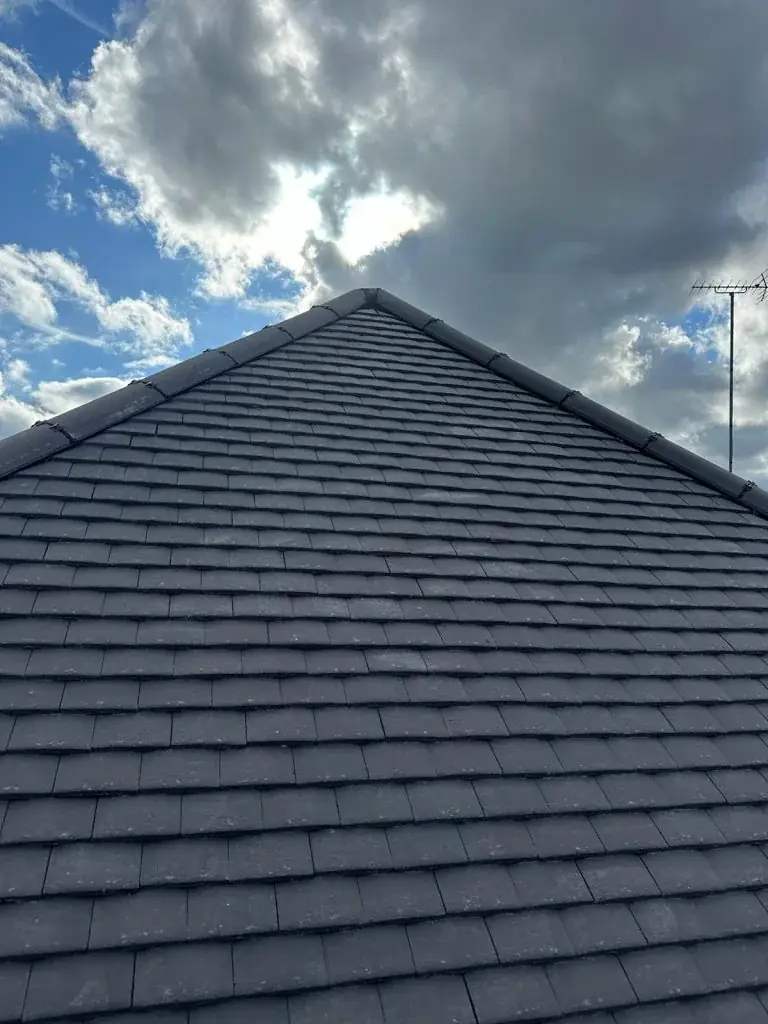
Roofing work is about finding the cause of a defect, not merely patching the point where water showed inside. Before agreeing a repair or replacement, it helps to think about how the covering, junctions and drainage interact and which rooms below may already have been affected.
- Service
- Roofing
- Neighbourhood
- Greenwich
- Borough
- Greenwich
- Next step
- Discuss your project
Your project brief
Trace the problem back through the roof build-up
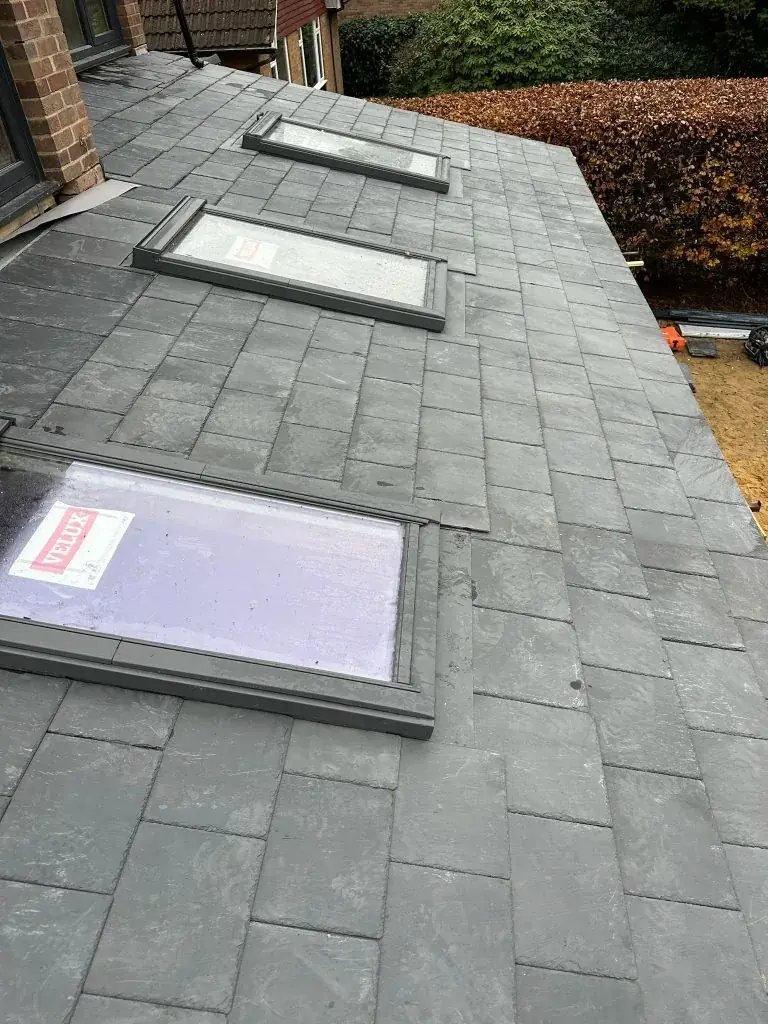
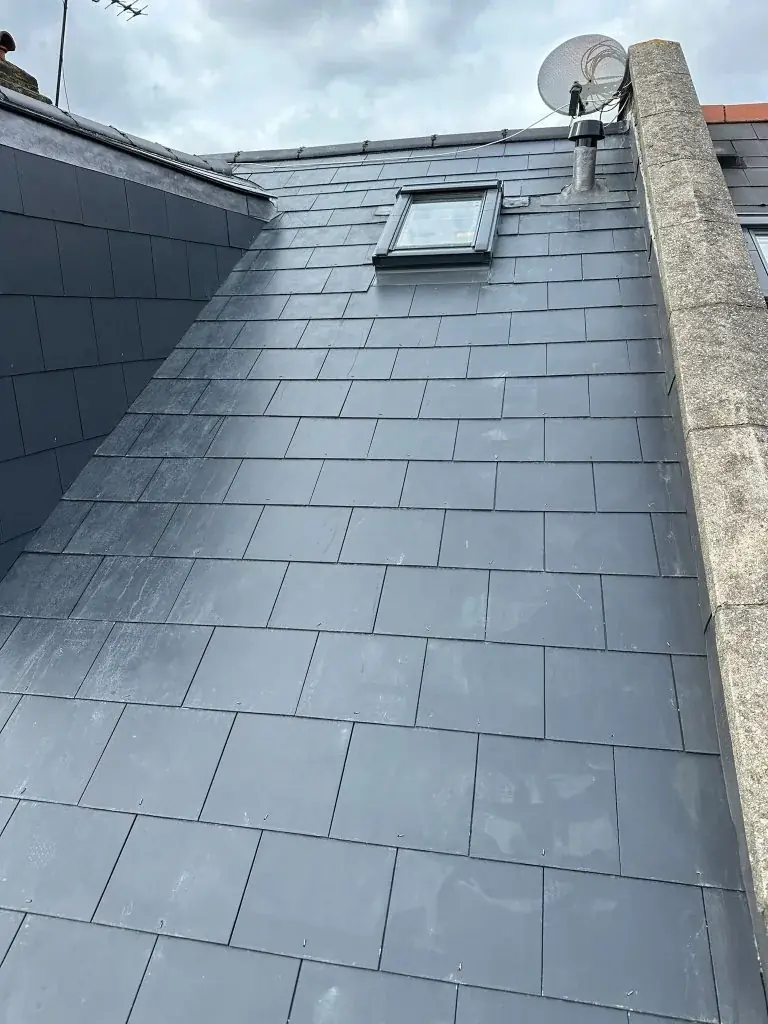
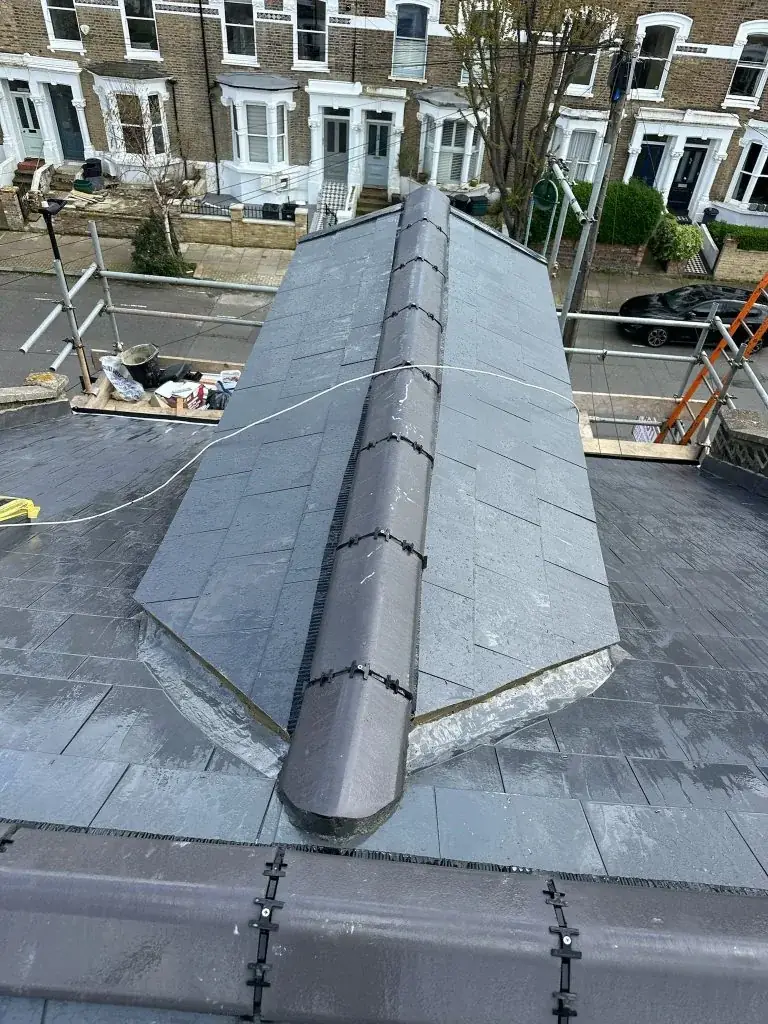
A stain in a room below does not always mean the tile or membrane directly above it is the only issue. Flashings, ridges, abutments and rainwater junctions can all be part of the route that lets water in. A sensible inspection looks at the accessible roof elements as a system rather than focusing only on the most obvious defect.
That wider view matters because a small visible repair may not solve the hidden path that caused the leak. If the room below has already shown signs of damp or staining, the repair plan should include checking the affected internal finishes as well as the roof itself.
Greenwich checks before roof work begins
Greenwich’s planning page says you should check permission before starting building work, especially where the external appearance is changed or a property has special controls. Roof changes can fall into that wider category depending on the site, but the address must be checked first. Building control may also be needed where structural changes are involved, and that is separate from planning permission.
Design decisions
Keep repair, replacement and conversion work distinct
Roofing repair is not the same as roof replacement, and both are different again from work linked to a loft conversion. Each scope has its own implications for structure, insulation, access and approvals. Mixing them up can lead to a patch that is too limited or a project that is priced without the real extent of work.
At handover, ask what was inspected, what was repaired and whether any areas remain under observation. That gives you a clear picture of the roof’s condition without pretending that a surface fix is the same as a full structural sign-off.
Design checks
Four things we confirm before drawing roofing work.
- 01Inspect accessible roof coverings and junctions before choosing a repair scope.
- 02Check whether the leak has affected ceilings or rooms below.
- 03Separate routine repair from replacement or loft-conversion work.
- 04Ask what was left under observation after the repair is complete.
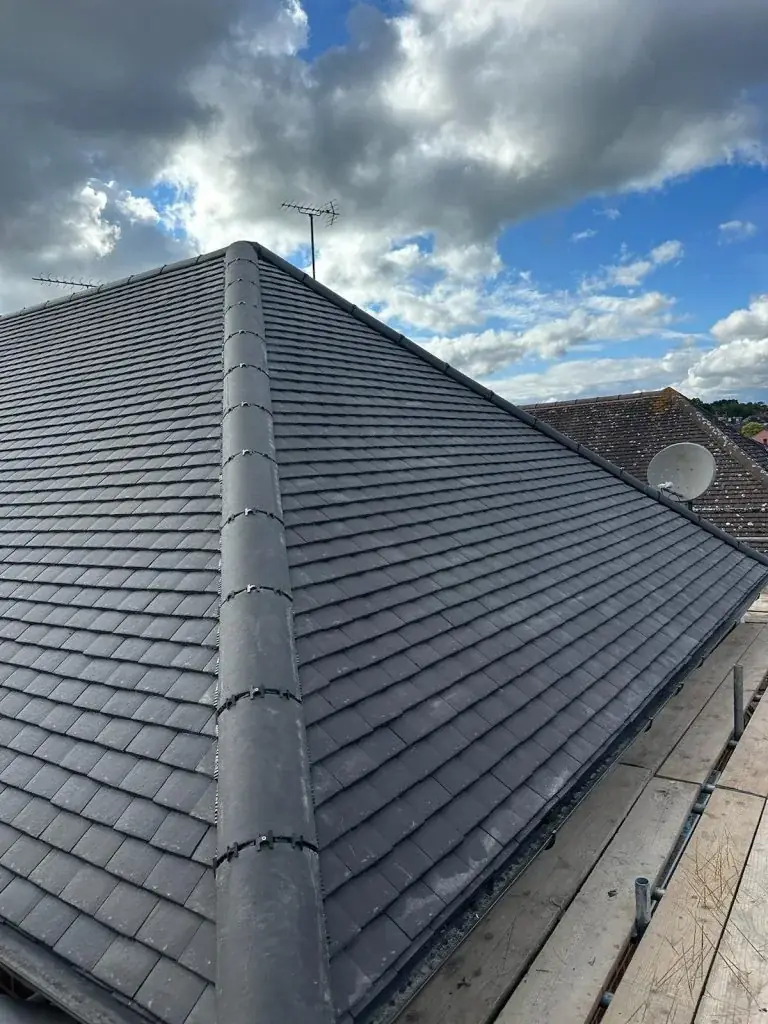
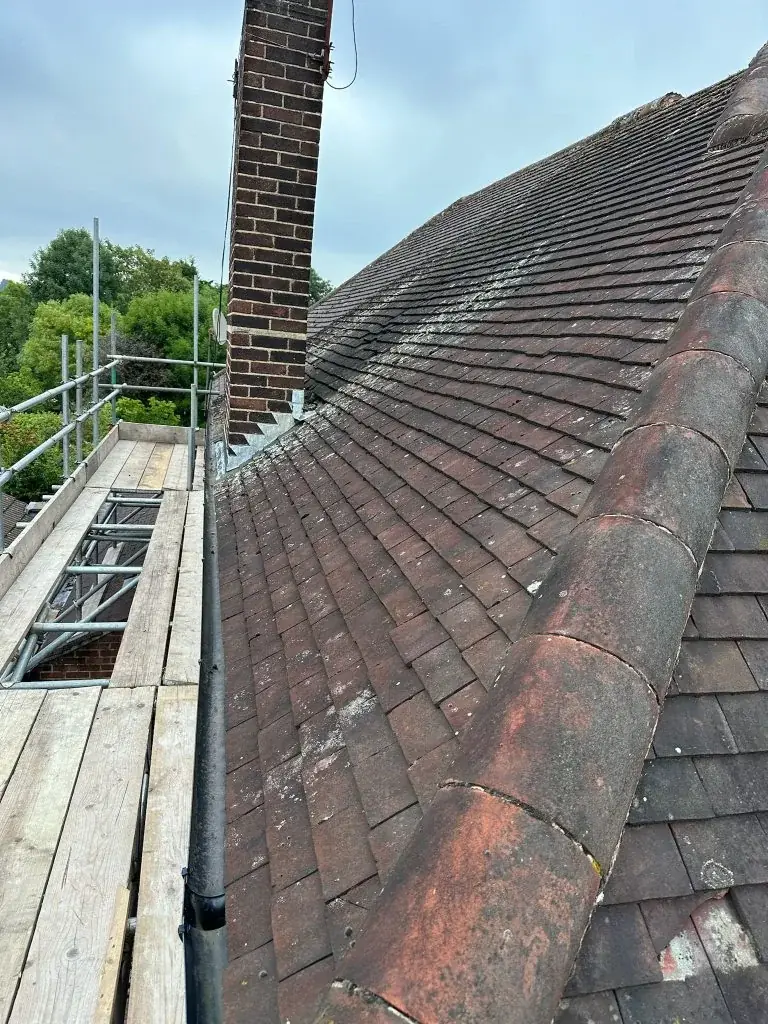
Why can a leak show up away from the actual roof defect?
Water can travel along timbers, flashings or other materials before it appears inside. That is why the inspection should consider the whole route, not only the wet patch, when deciding on the repair scope.
What should I ask at roofing handover?
Ask what was inspected, which details were repaired and whether any follow-up observation is needed. That gives you practical reassurance without treating the repair as a guarantee that every roof issue has been solved forever.
When is roofing more than a simple patch?
When the defect involves more than a single surface item, or when the roof’s structure, junctions or rainwater details are part of the problem. In those cases the scope should reflect the cause, not just the visible symptom.
Planning and project guidance
- Find out if you need planning permission | Royal Borough of Greenwich
- GOV.UK · Planning permission
- GOV.UK · Building regulations approval
- GOV.UK · Party walls and building work
Check the current guidance for your address before relying on a planning route. This guide is not a planning decision or a verified local case study.
Other services in Greenwich








