
Richmond upon Thames · West London
Doorsin Richmond.
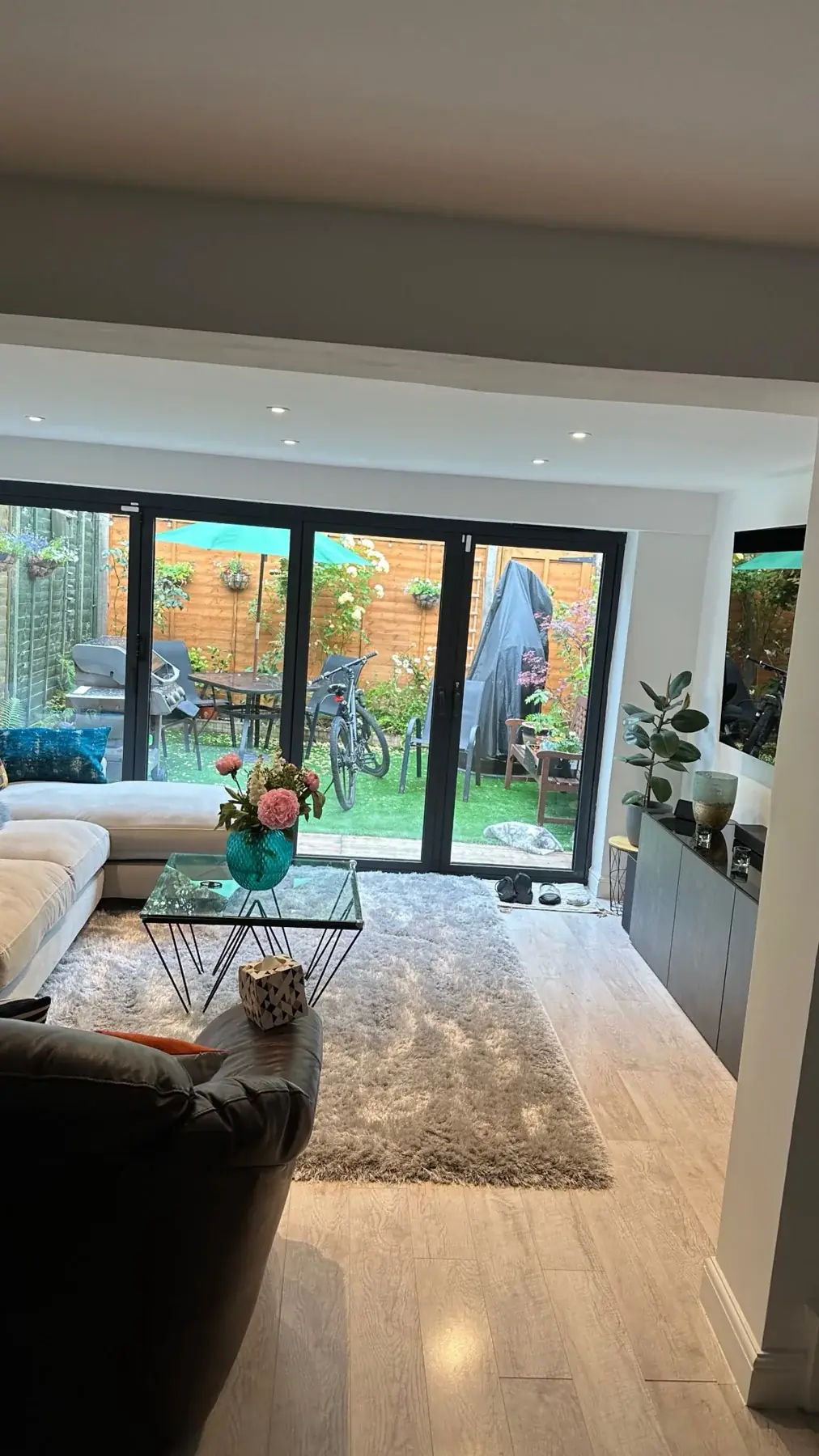
A door is only successful if it suits the opening and the room it serves. In Richmond, the useful decisions are whether the existing frame can stay, how the door will close and clear, and what the surrounding finishes and requirements mean for the final installation.
- Service
- Doors
- Neighbourhood
- Richmond
- Borough
- Richmond upon Thames
- Next step
- Discuss your project
Your project brief
Check the opening before deciding on the door itself
It is easy to focus on style and forget the opening. The frame may be out of square, the linings may need adjustment, or the adjacent floor and wall finishes may affect how the door hangs. A survey of the opening helps decide whether fitting is straightforward or needs extra joinery work.
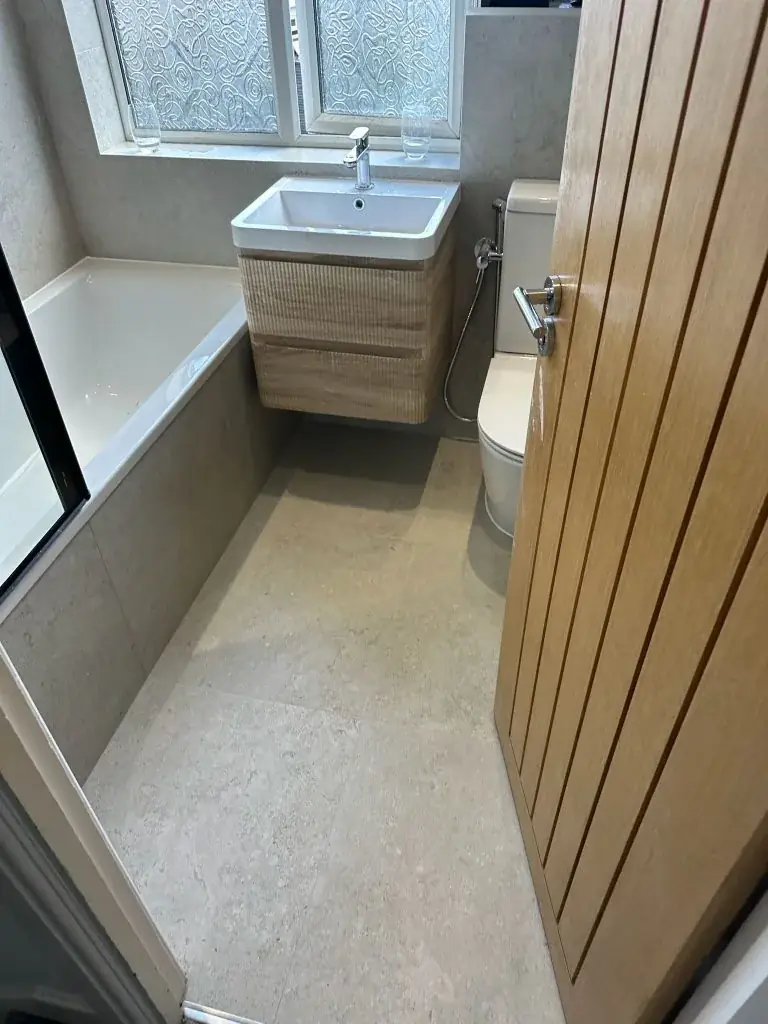
That also applies when replacing an internal door. If the existing frame can be retained, the job may be simpler; if not, the scope should say whether new linings, architraves or making-good are needed. The practical condition of the opening should lead the decision, not just the appearance of the old door.
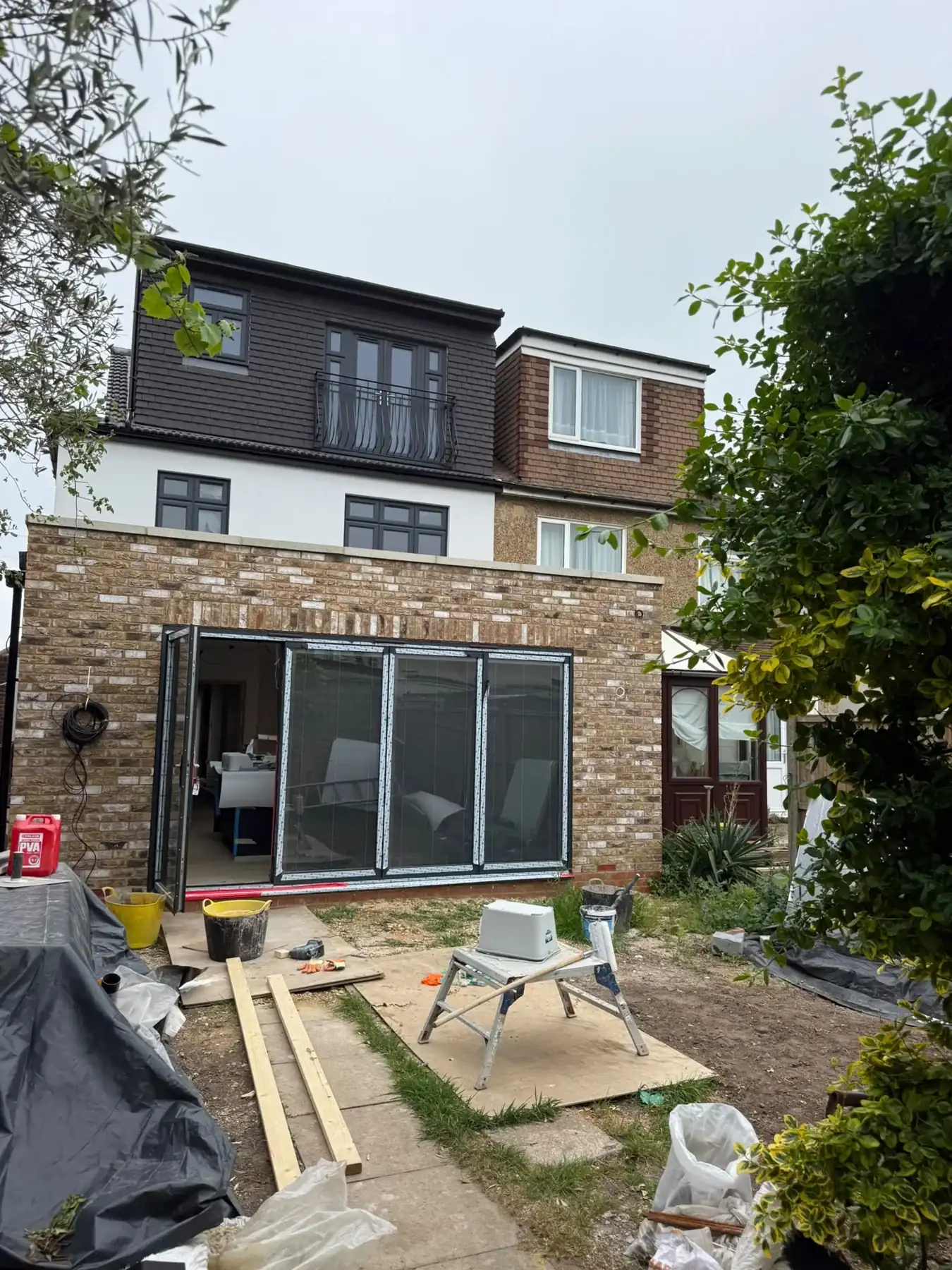
Richmond checks before changing external doors or openings
Richmond upon Thames says any home in the borough can be subject to an Article 4 Direction, and some homes are within conservation-related controls. New doors, especially on the front or other visible elevations, are among the external changes the council highlights. Exact address checks are needed before assuming the property follows a particular rule set, because borough-wide evidence does not prove each site is covered.
Design decisions
Write the hardware and requirements into the scope
Handles, hinges, latches and other hardware should be matched to the purpose of the door, not chosen as an afterthought. The scope should also say whether the job is internal or external, because the installation requirements are different. That avoids assumptions about security, fire performance or weather exposure being left unresolved.
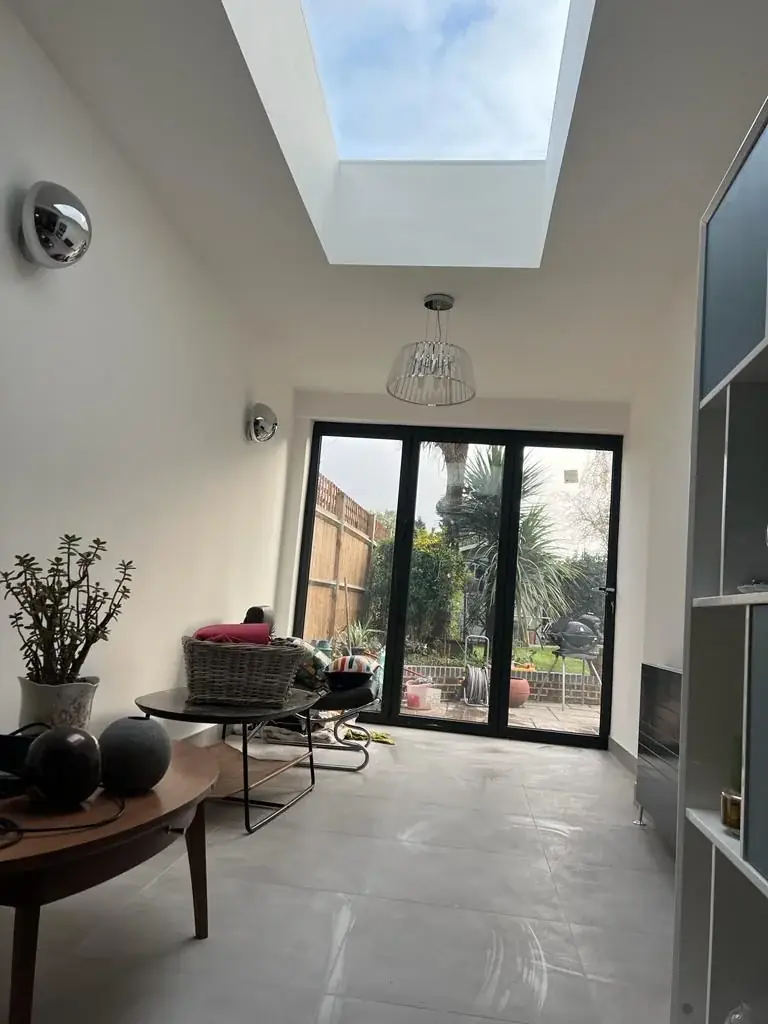
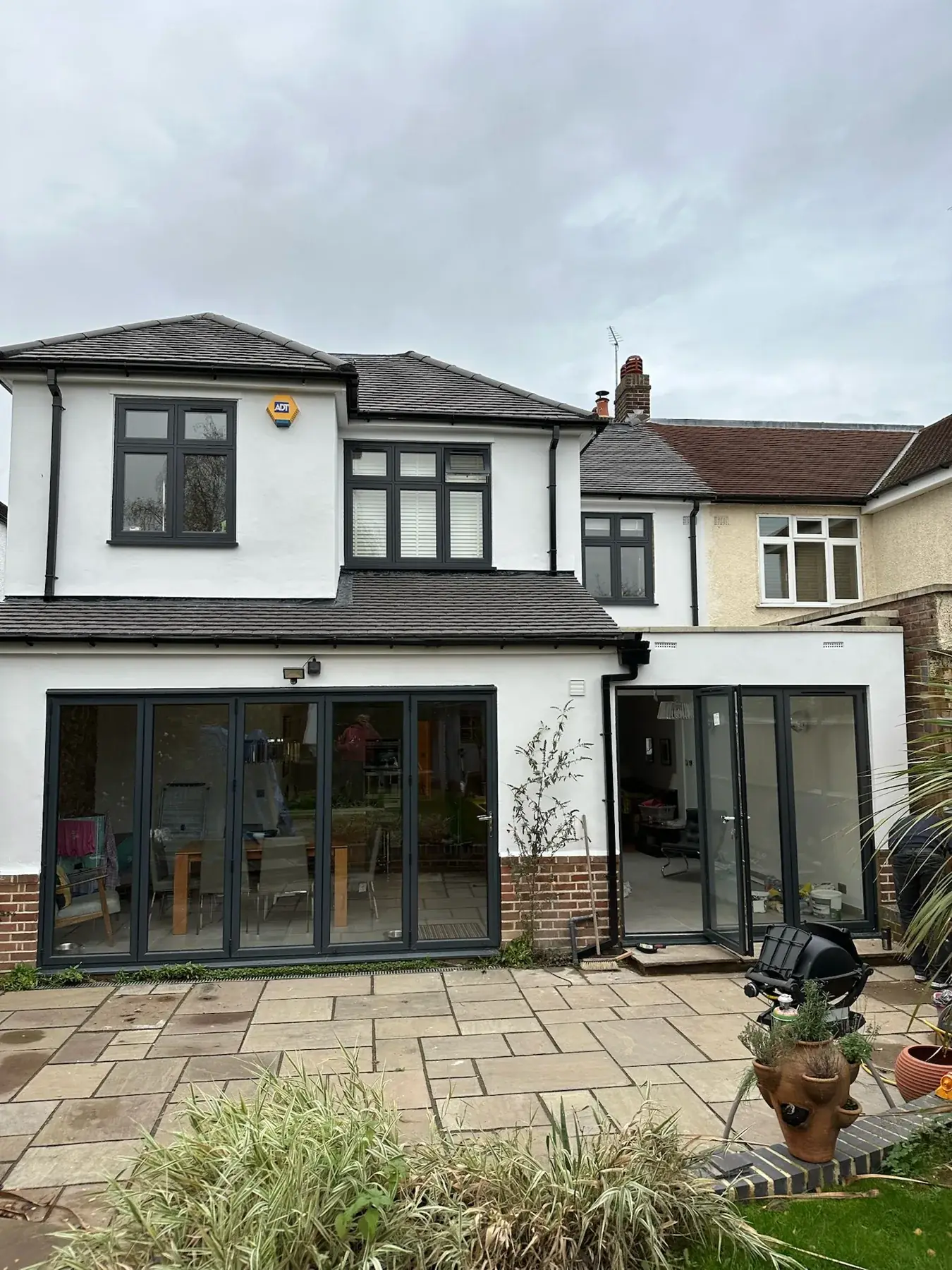
If the project involves an altered opening or an external door, the checks need to be more specific. For example, the frame, threshold and surrounding finishes may all need to be considered together. Recording those assumptions early helps the ordering, fitting and finishing stages happen in the right sequence.
Design checks
Four things we confirm before drawing door installation.
- 01Internal door replacement and fitting within an agreed joinery scope.
- 02Frames, linings, architraves and associated making-good where specified.
- 03Handles, hinges, latches and other hardware matched to the door’s intended use.
- 04External door or altered-opening enquiries assessed with the relevant installation requirements.

What should I check before ordering a replacement door?
Measure and inspect the opening, frame condition and nearby finishes first. That tells you whether the door can fit as planned or whether extra joinery work is needed.
Why should hardware be listed separately from the door leaf?
Because the door can be right but the operation wrong if hinges, handles or latches are not suited to its use. Separating them avoids a generic specification.
When is an altered opening more complex than a simple replacement?
When the frame, structure or surrounding finishes need changing as well. Then the job is no longer just a door swap and should be scoped accordingly.
Planning and project guidance
- Article 4 Directions - Conservation areas - London Borough of Richmond upon Thames
- GOV.UK · Planning permission
- GOV.UK · Building regulations approval
- GOV.UK · Party walls and building work
Check the current guidance for your address before relying on a planning route. This guide is not a planning decision or a verified local case study.
Other services in Richmond








