
Richmond upon Thames · West London
Roofingin Richmond.
A roof problem often starts somewhere other than the obvious damp patch. In Richmond, the important decision is whether the issue is in the covering, the junctions, the flashing or something underneath, because that affects whether a repair is enough or whether the scope needs to go further.
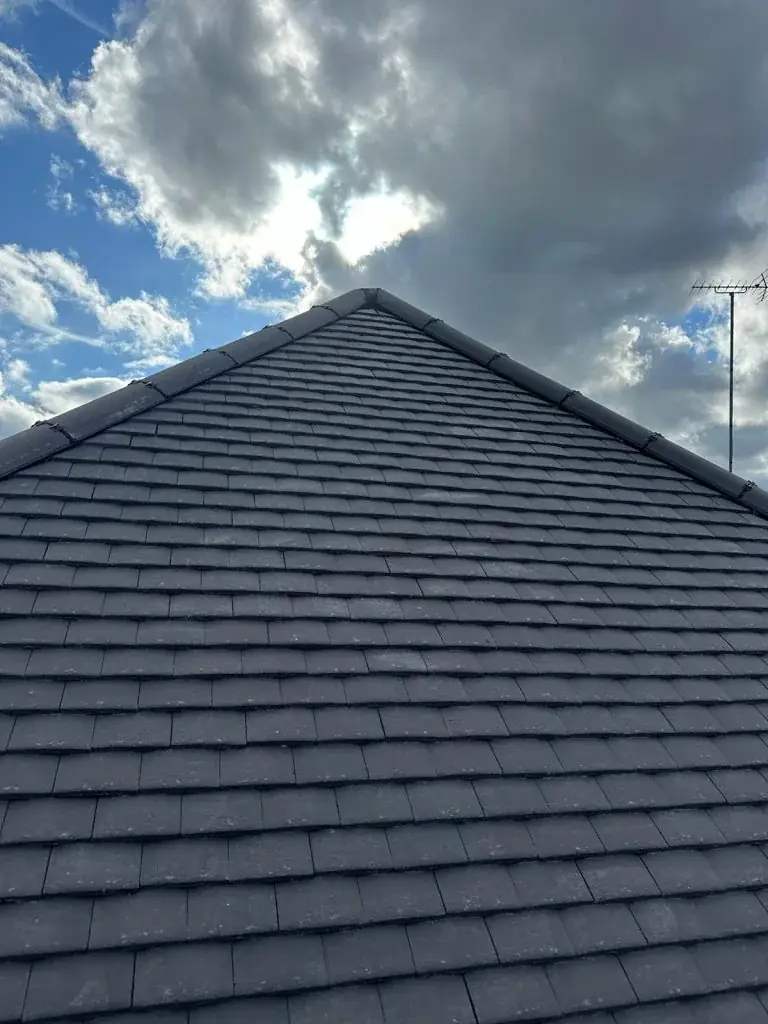
- Service
- Roofing
- Neighbourhood
- Richmond
- Borough
- Richmond upon Thames
- Next step
- Discuss your project
Your project brief
Trace the cause before treating the symptom
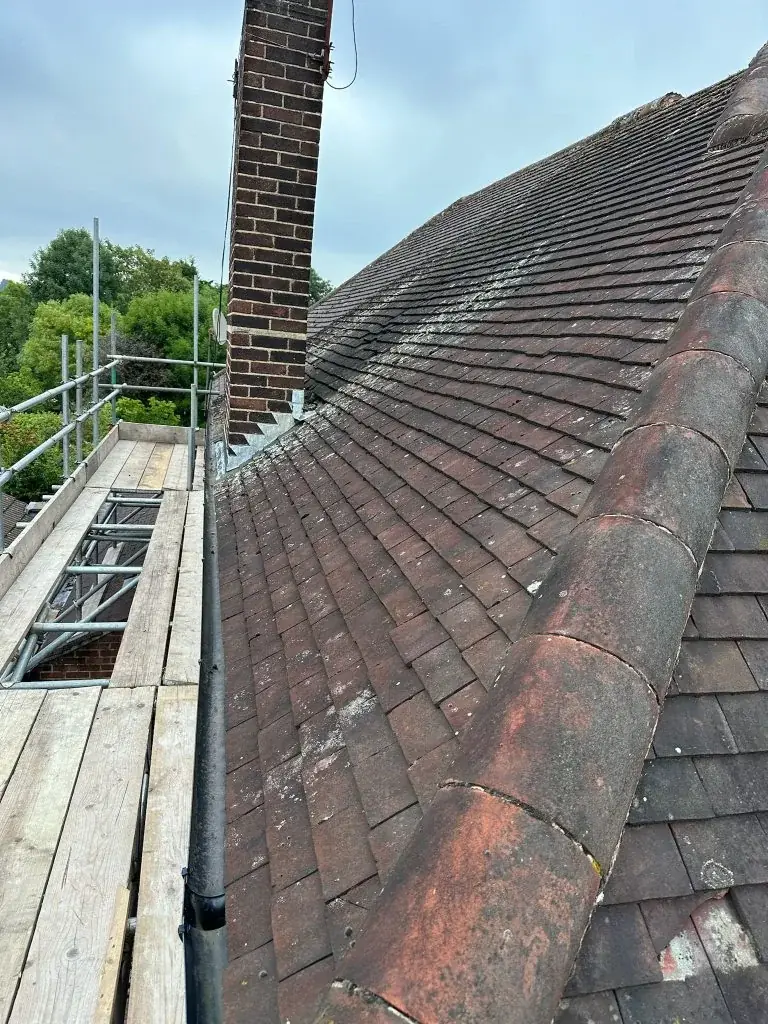
A slipped tile or damp mark does not always tell you where the water entered. Roofing work should begin with an inspection of accessible defects, the surrounding details and any drainage points that could be involved. That wider look helps avoid patching the wrong place while leaving the real cause untouched.
If the roof is part of a conversion or wider refurbishment, the structure beneath the covering matters as well. A survey may show that the problem is linked to underlying condition rather than the outer covering alone. The repair plan should reflect that instead of assuming every leak has one simple source.
Richmond checks before roof work alters the outside
Richmond upon Thames says any home in the borough can be subject to an Article 4 Direction, and some homes are within conservation-related controls. Roofing itself is often maintenance, but changes that alter the roof form, materials or external appearance can still need a proper check at the exact address. The borough fact is only a starting point, not proof of a site-specific rule.
Design decisions
Keep repair, replacement and conversion work separate
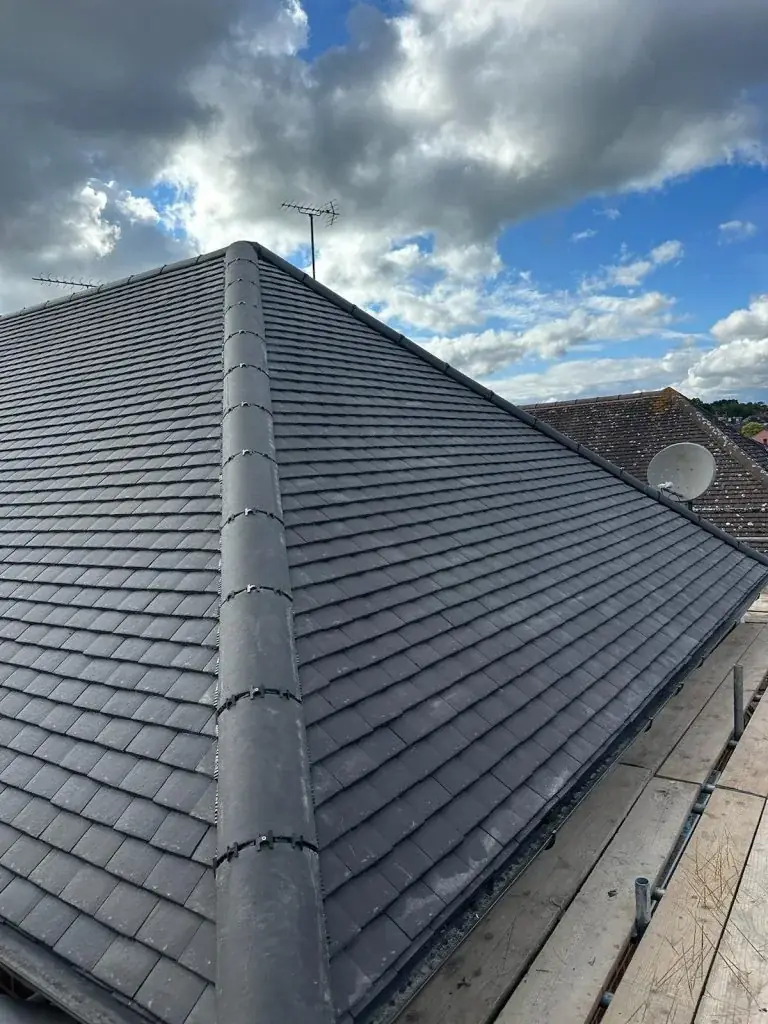
Roof repair, roof replacement and loft conversion are not the same job. The scope should say which one is being priced and which parts are excluded. That matters because ridges, flashings, abutments and any structural changes each carry different implications for the work and the records needed.
For example, if the roof work is only a local repair, the scope should still say whether matching coverings are expected or whether visible differences will remain. If loft conversion design affects the roof, record the dependency clearly so the roofing package is not agreed before the structural and access requirements are understood.
Design checks
Four things we confirm before drawing roofing work.
- 01Investigation of accessible roof defects and an agreed repair scope.
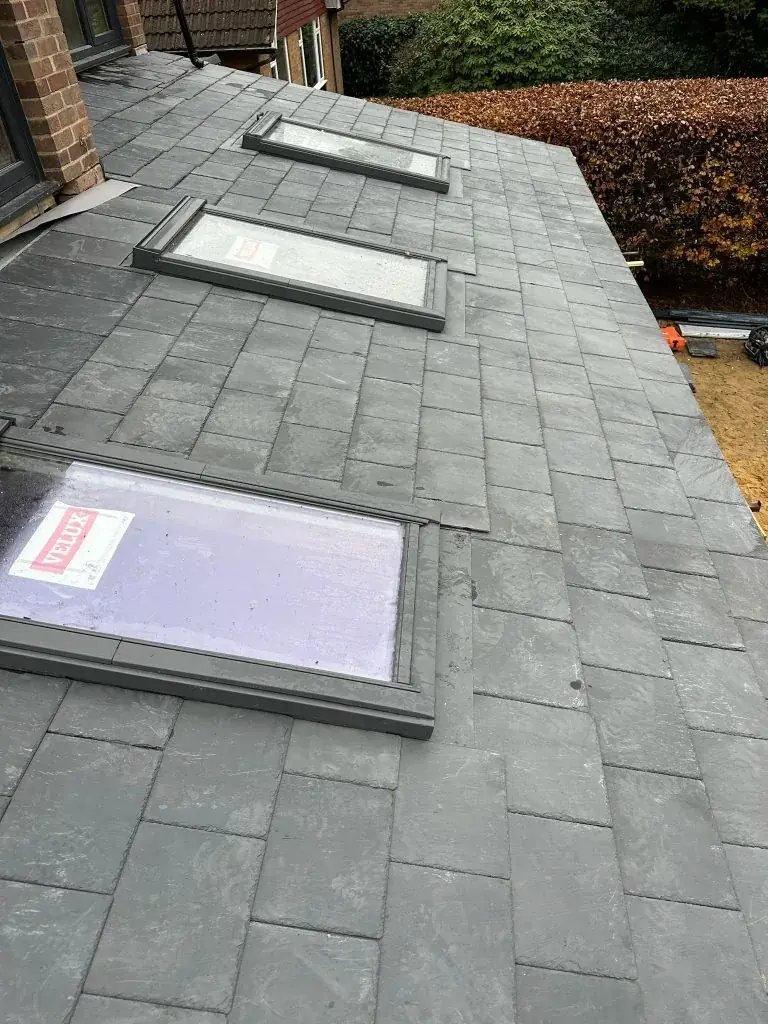
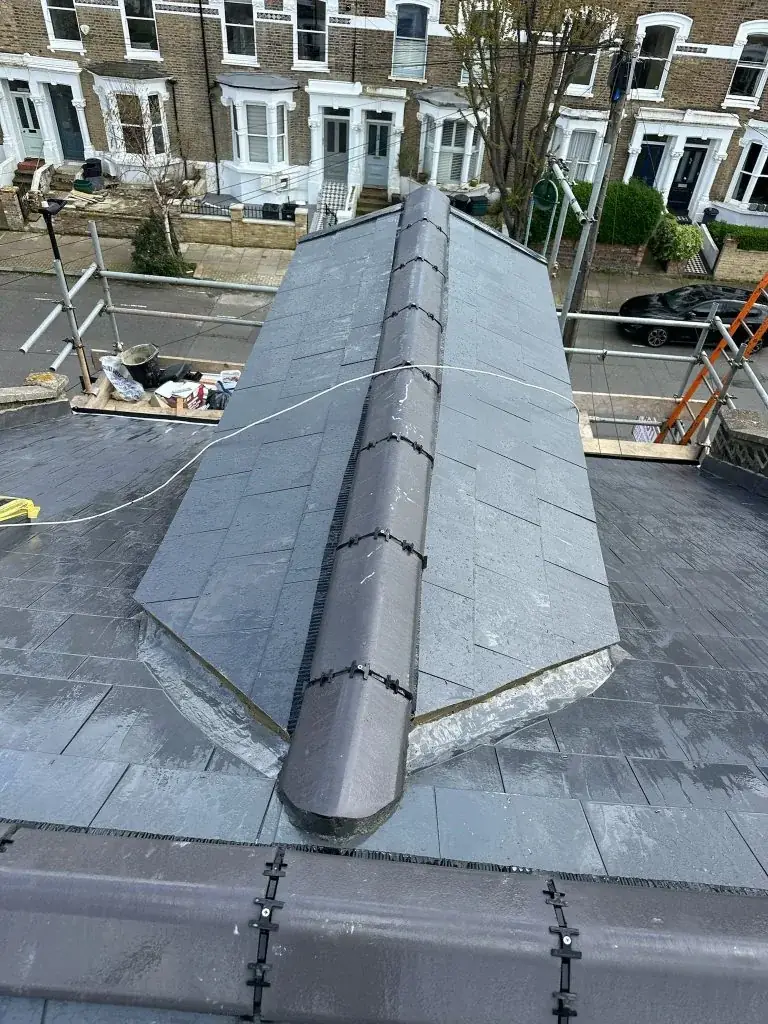
- 02Work to suitable roof coverings, ridges and associated details where specified.
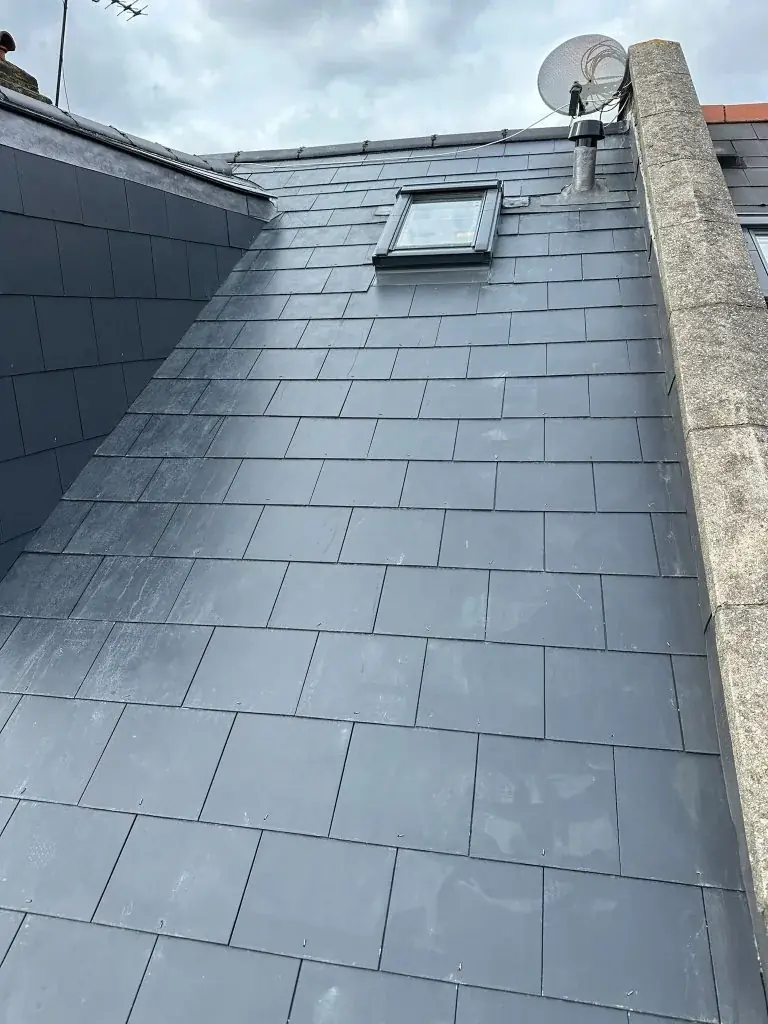
- 03Flashing, abutments and rainwater junctions considered alongside the covering.
- 04Roof alterations coordinated with loft-conversion design and structural requirements.
Why should roof work start with an inspection rather than a replacement decision?
Because the visible defect may not be the cause. An inspection helps identify whether the issue is in the covering, a junction, flashing or an underlying problem.
How do I distinguish a repair from a replacement in the paperwork?
Say exactly what part is being treated, what matching is expected and whether surrounding elements are included. That stops a small repair being mistaken for a wider renewal.
Why does loft conversion planning affect roofing scope?
Because the roof changes may need structural work, access arrangements and new openings. Those should be coordinated before the roofing package is fixed.
Planning and project guidance
- Article 4 Directions - Conservation areas - London Borough of Richmond upon Thames
- GOV.UK · Planning permission
- GOV.UK · Building regulations approval
- GOV.UK · Party walls and building work
Check the current guidance for your address before relying on a planning route. This guide is not a planning decision or a verified local case study.
Other services in Richmond








