
Richmond upon Thames · West London
Renderingin Richmond.
Rendering changes both the look and the performance of an external wall, so the surface underneath matters as much as the finish you see. In Richmond, the main decision is whether the wall is suitable for the proposed render system and what preparation is needed before work begins.
- Service
- Rendering
- Neighbourhood
- Richmond
- Borough
- Richmond upon Thames
- Next step
- Discuss your project
Your project brief
Judge the wall before choosing the render system
A render finish should suit the wall behind it. If the background is weak, damp or incompatible with the proposed material, the new finish can fail early or crack in service. A survey should check the condition of the wall, any failed areas and the junctions that will need careful treatment.
That is important because render is not just decoration. It changes the external envelope and has to work with openings, edges and other materials. If the wall needs repair or removal of old render first, the scope should record that instead of assuming a direct overcoat will always be suitable.
Richmond local checks before external render changes
Richmond upon Thames says any home in the borough can be subject to an Article 4 Direction, and some areas are also covered by conservation-related controls. Rendering is one of the external changes the council highlights, but that does not mean every property or every street is restricted in the same way. Check the exact address and the specific proposal before assuming the work needs a particular route.
Design decisions
Write down the edges, not just the flat areas
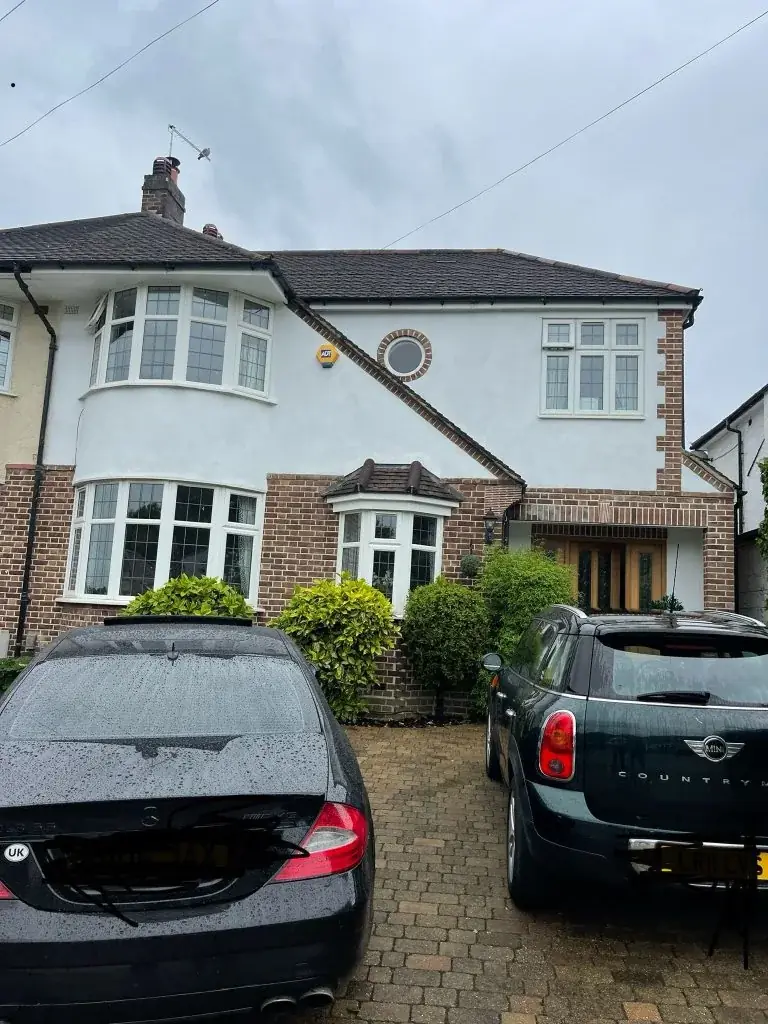
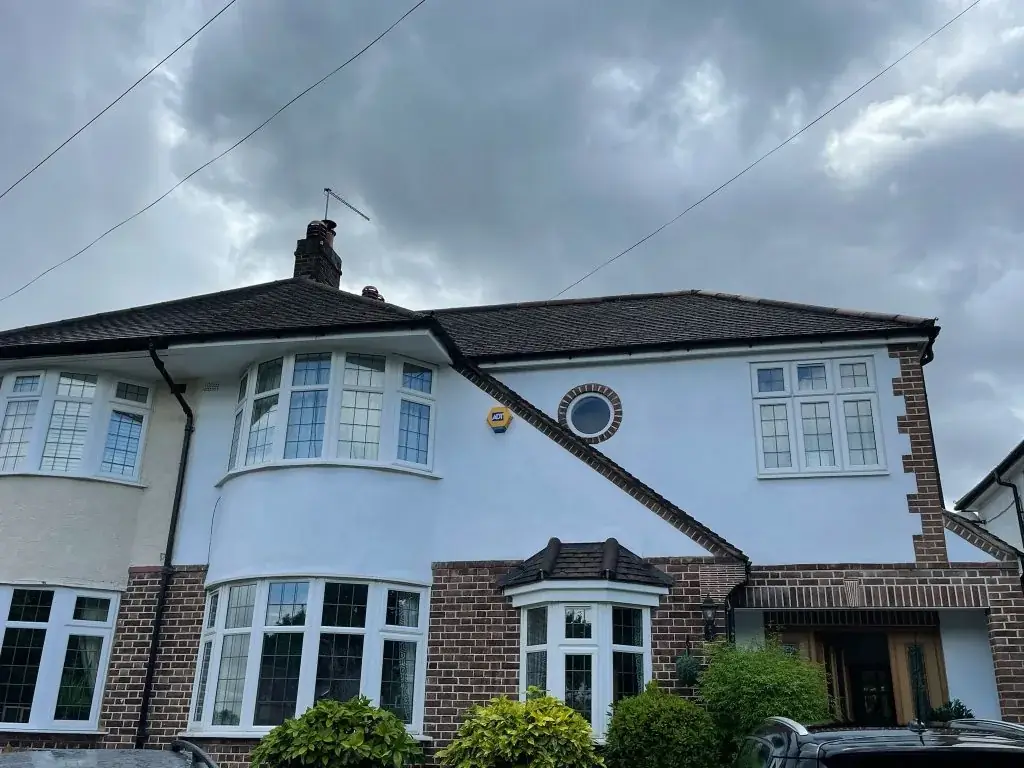
Problems often happen where render meets another material: around windows, near roof lines or at adjoining surfaces. The scope should describe those junctions clearly so the finish line, detailing and access are agreed before work starts. That avoids the common assumption that the flat wall is the only part being treated.
If the job includes repair rather than full re-rendering, say which areas are being taken back and which are staying. The written scope should also note any assumptions about the underlying wall, because a hidden defect discovered during opening-up can change both the method and the amount of making good required.
Design checks
Four things we confirm before drawing external rendering.
- 01Assessment and preparation of suitable external wall backgrounds.
- 02Removal or repair of failed render where the agreed approach requires it.
- 03Application of a specified render system with compatible details and finishes.
- 04Junctions around openings, roof edges and adjoining materials considered within the scope.
Why does the wall condition matter so much in rendering?
Because the render can only perform well if the background is sound and compatible. Weak, damp or unstable walls may need repair before a new finish is applied.
What should be recorded about junctions and edges?
Note exactly which openings, roof edges or adjoining materials are included, because these areas often need special detailing and access. They should not be left to assumption.
When might render repair be better than full replacement?
When only certain areas have failed and the rest of the wall remains sound. A survey should decide whether local repair is enough or whether the whole surface needs attention.
Planning and project guidance
- Article 4 Directions - Conservation areas - London Borough of Richmond upon Thames
- GOV.UK · Planning permission
- GOV.UK · Building regulations approval
- GOV.UK · Party walls and building work
Check the current guidance for your address before relying on a planning route. This guide is not a planning decision or a verified local case study.
Other services in Richmond








