
Richmond upon Thames · West London
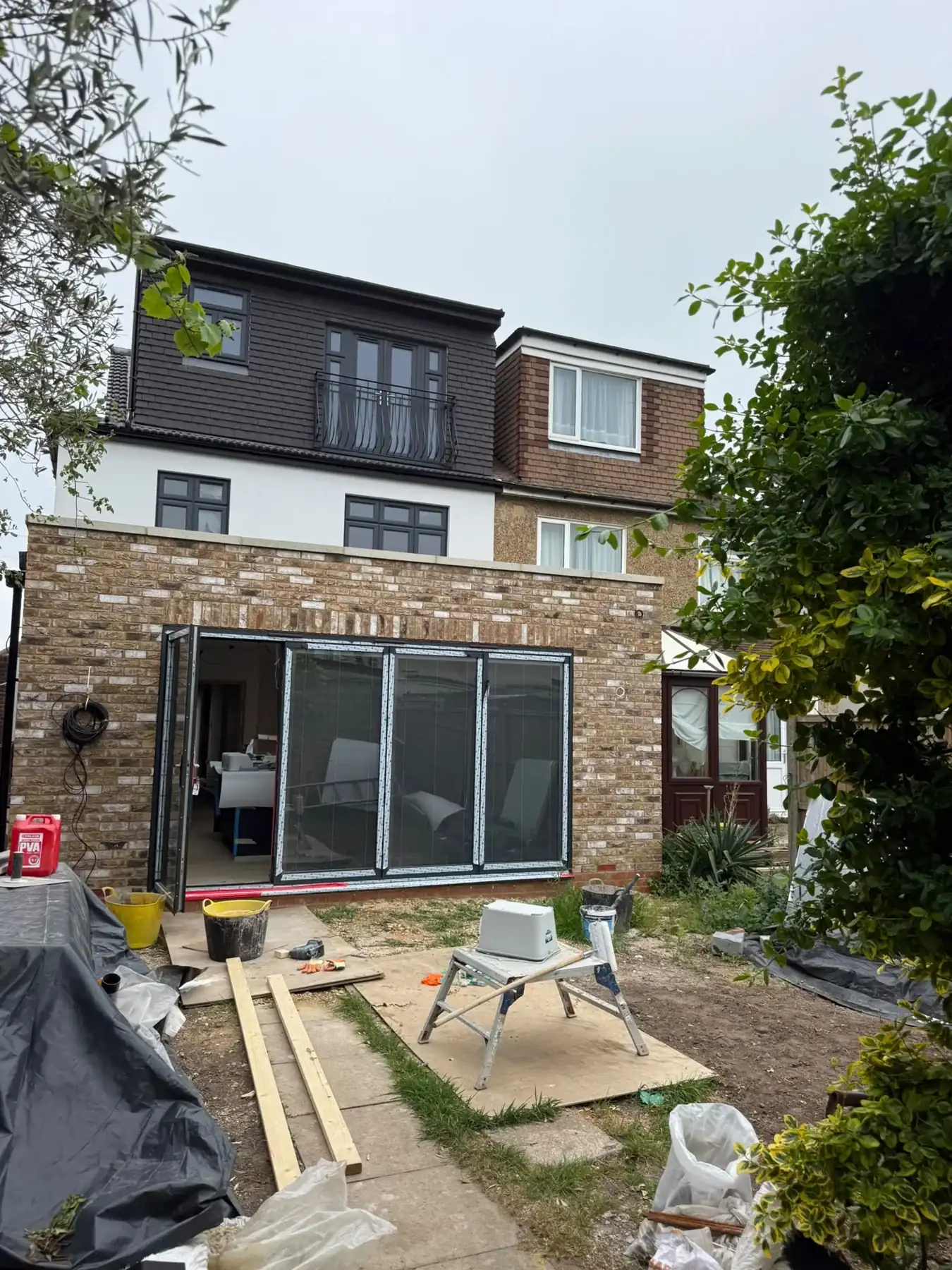
Wraparound extensionin Richmond.
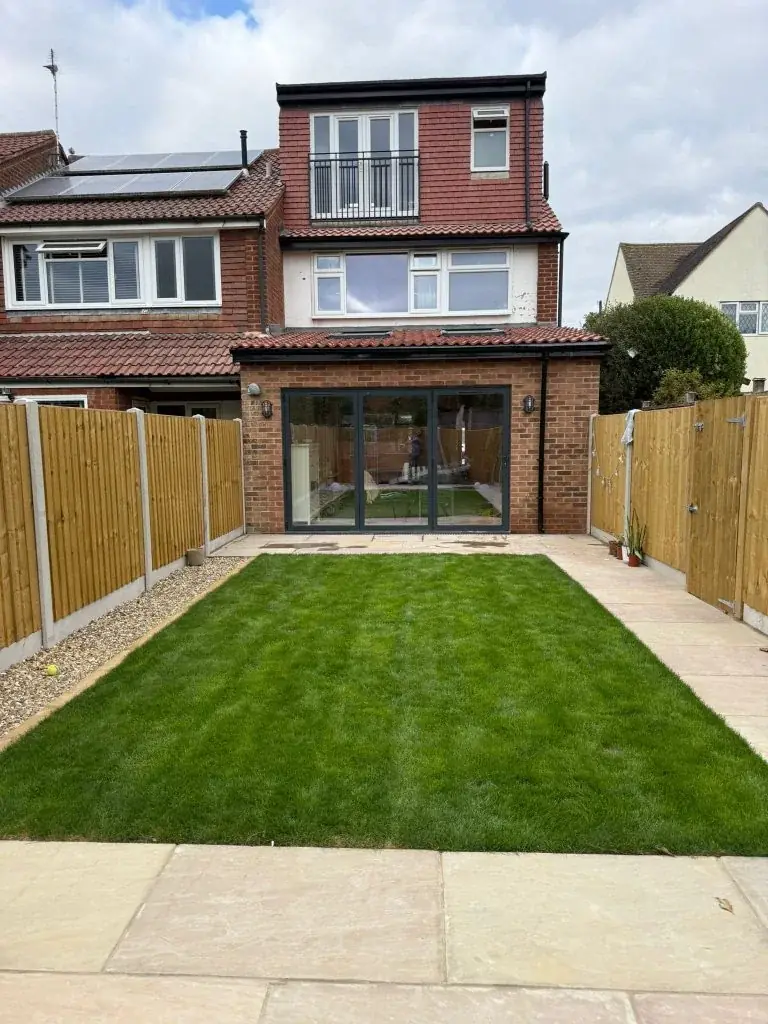
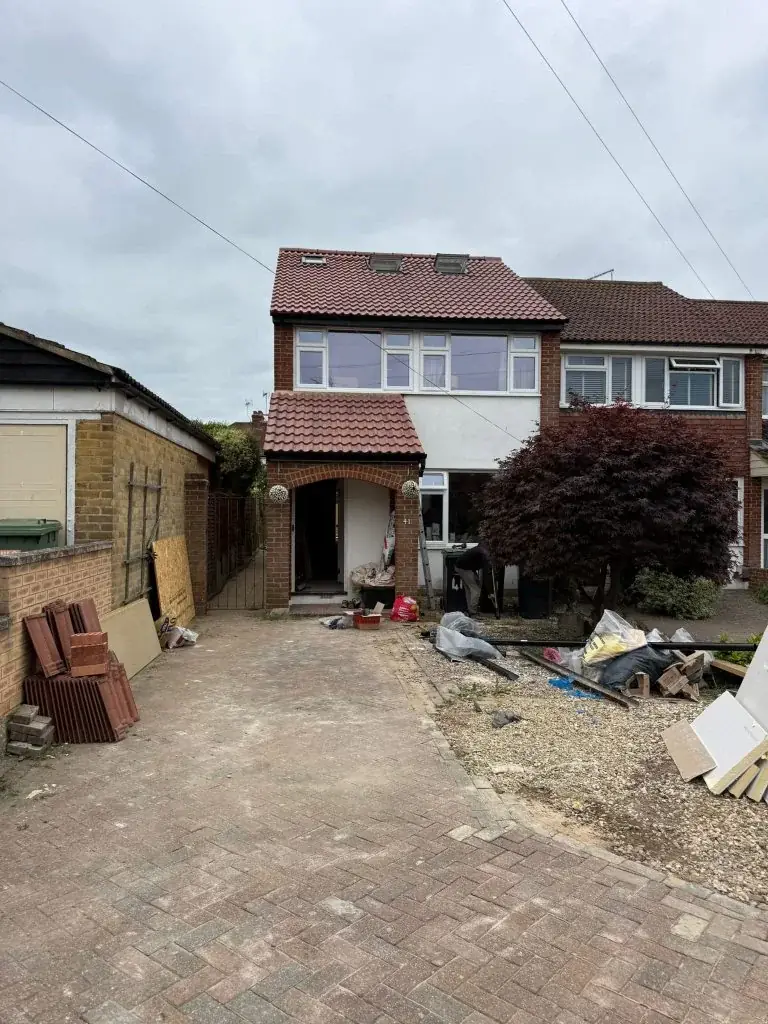
A wraparound extension works best when the side and rear changes are designed as one project. If they are treated separately, the result can be a confusing layout with poor light and awkward circulation. The most useful early question is how the new space will reshape the ground floor as a whole.
- Service
- Wraparound extension
- Neighbourhood
- Richmond
- Borough
- Richmond upon Thames
- Next step
- Discuss your project

Your project brief
Design the combined footprint as a single scheme
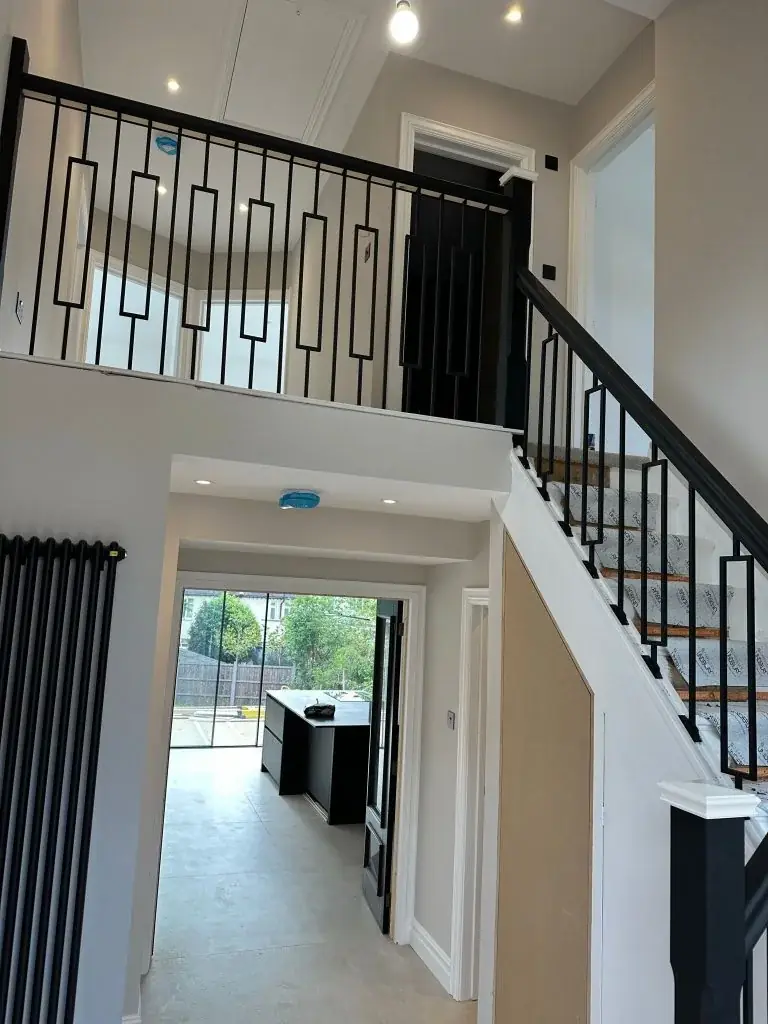
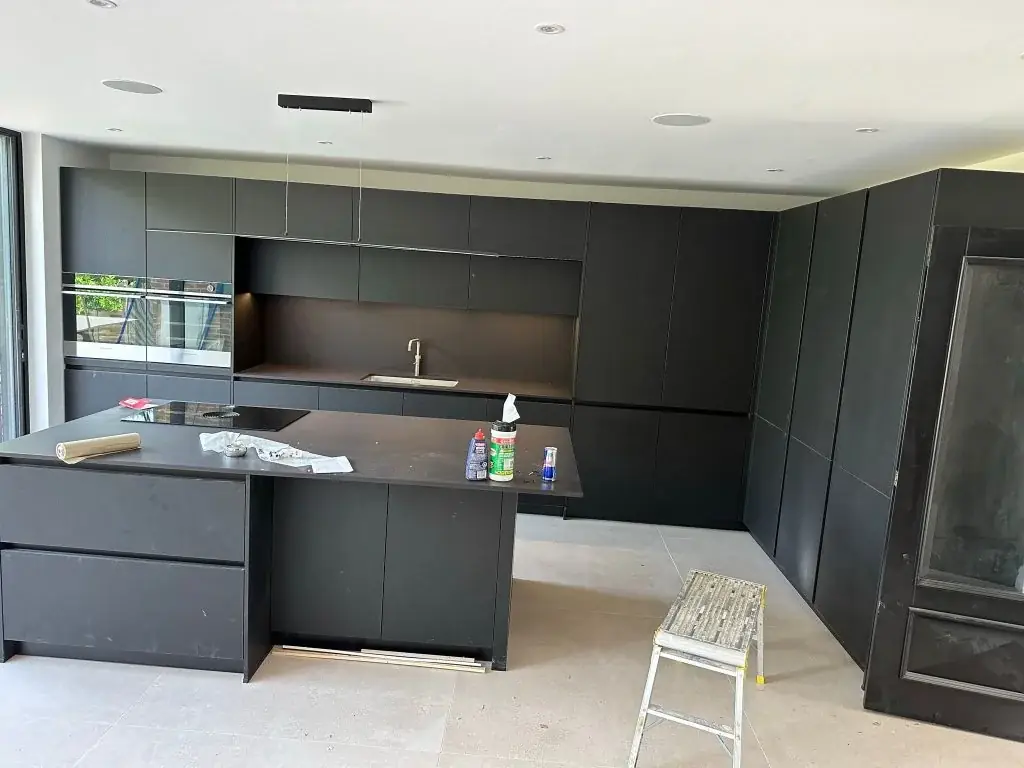
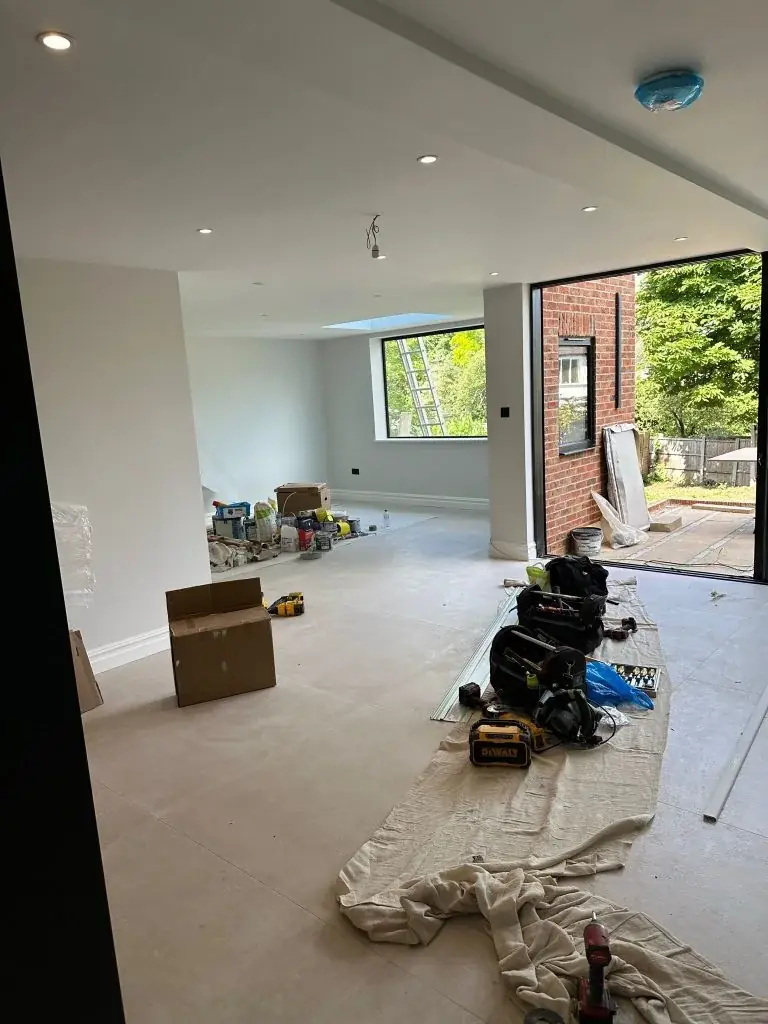
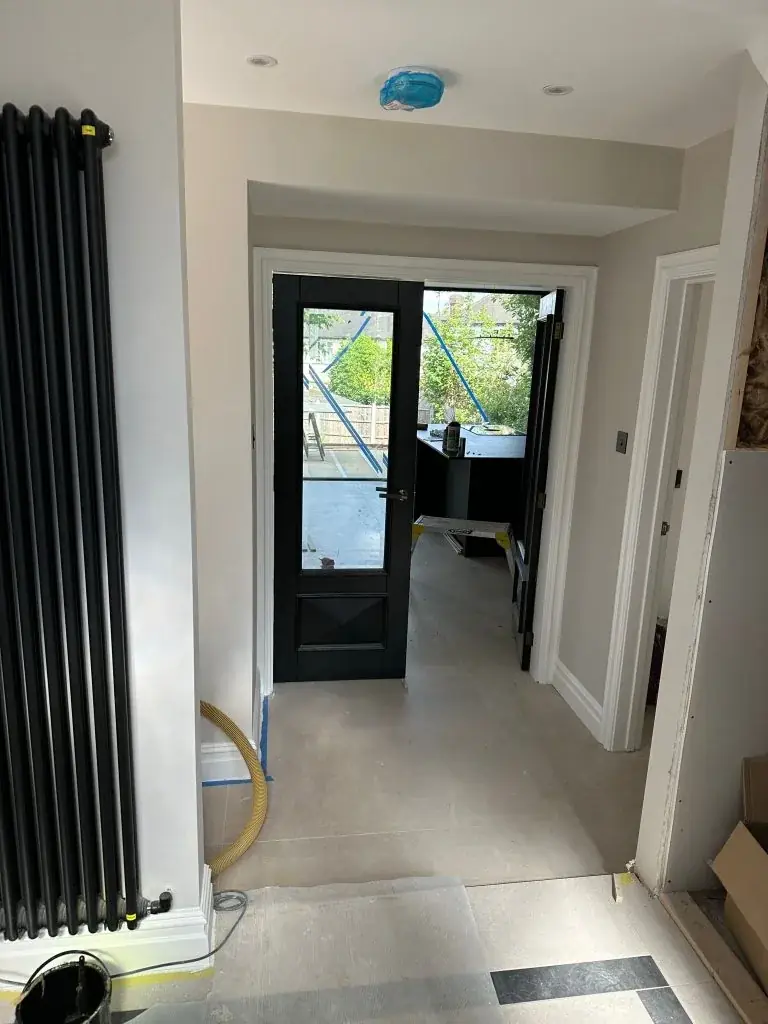
Because a wraparound extension affects two sides of the house, the internal route through the ground floor becomes the main design issue. If the new walls squeeze the hallway or leave the kitchen cut off from the garden, the space may be larger but less usable. DWM Construction would start by tracing circulation, then testing furniture positions and door lines around that route.
The retained garden area should also be considered alongside the footprint. A good brief does not chase every possible metre; it balances usable internal space with enough external space to keep the home practical. That balance should be stated clearly in writing so the proposal reflects the homeowner’s priorities rather than an untested assumption.
Richmond checks before combining side and rear work
Richmond upon Thames explains that Article 4 Directions can affect any home in the borough, and some homes in conservation areas may need planning contact before works start. A wraparound extension changes both the side and rear edges, so the exact address and the full proposal must be checked together rather than assumed from borough-wide information.
Design decisions
Use survey information to join structure, light and roof junctions
A wraparound creates more than one structural opening, and the junction between roof elements can become a hidden complication. Drawings rarely show the full condition of existing walls, lintels or drainage until a survey confirms them. That is why the design should stay flexible until measurements are checked on site.
Daylight is another reason the scheme needs joined-up thinking. The centre of the original house can become darker if the extension is too deep or if rooflights and glazing are not planned together. For example, if the brief includes a large kitchen-family room, the scope should record whether light from the rear or from the side is the main driver, because that changes the design approach.
Design checks
Four things we confirm before drawing a wraparound extension.
- 01Compare the combined side and rear footprint with the garden retained.
- 02Plan daylight to the centre of the original house.
- 03Coordinate structural openings and the junction between roof elements.
- 04Check the planning route for the combined scheme rather than assuming two separate allowances apply.
Questions
Before you call about Richmond.
What is the biggest practical challenge in a wraparound extension?
Usually it is not floor area but circulation and daylight. The scheme has to let people move naturally through the house while still leaving enough light to the rooms at the centre of the plan.
How should the brief be written before the survey is complete?
Set out the assumed footprint, the priority between garden space and internal area, the main route through the house and any daylight goals. Mark these as assumptions so they can be tested once the site is measured.
Why can the design change after survey work?
Because the survey can reveal hidden structure, drainage or levels that affect where walls and openings can go. A combined extension is especially sensitive to those details because several parts of the house are being altered at once.
Planning and project guidance
- Article 4 Directions - Conservation areas - London Borough of Richmond upon Thames
- GOV.UK · Planning permission
- GOV.UK · Building regulations approval
- GOV.UK · Party walls and building work
Check the current guidance for your address before relying on a planning route. This guide is not a planning decision or a verified local case study.
Other services in Richmond








